


























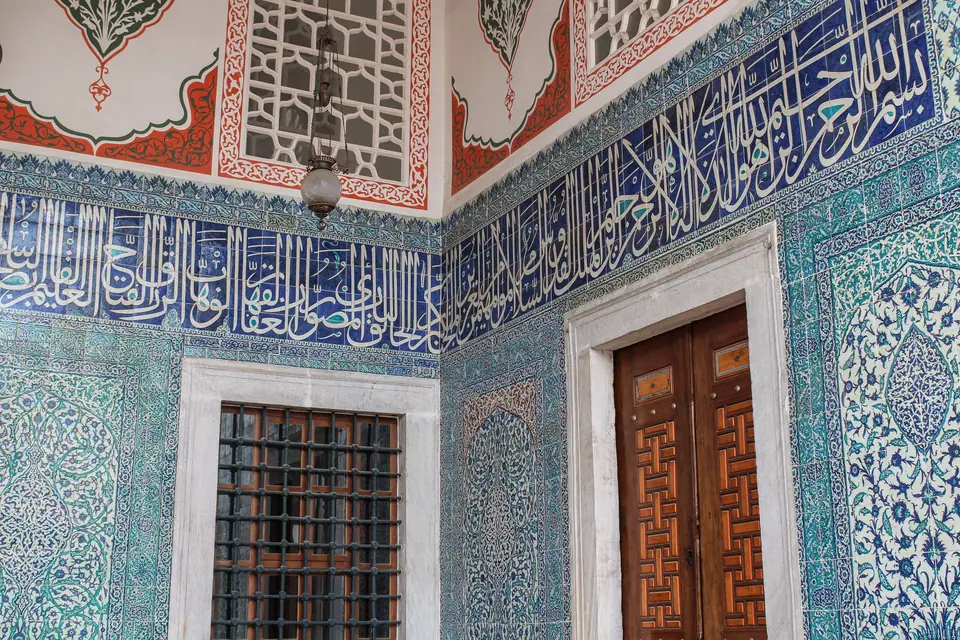
The Green Mosque, Green Tomb (Yeşil Külliye) and Muradiye Imperial Tombs
Tracing the golden age of early Ottoman glazed tiles at the 1421 Green Complex and the gardens of Muradiye.
Two kilometres east and two kilometres west of Ulu Cami stand the two architectural ensembles that turned Bursa into a city of colour and royal memory: the Yeşil Külliye (Green Complex) on a high eastern terrace overlooking the valley, and the shaded magnolia and cypress gardens of the Muradiye Complex in the west.
1. The Green Mosque (Yeşil Cami) and Green Tomb (Yeşil Türbe, 1419 to 1421)
After a decade-long civil war nearly tore the young Ottoman state apart following the defeat at Ankara in 1402, reunifier Sultan Mehmed I (Çelebi Mehmed) commissioned architect Hacı İvaz Pasha to build a royal complex that announced the empire's rebirth. Brought together by decorator Nakkaş Ali using "Masters of Tabriz" ceramicists, its interior tilework in shades of ultramarine, turquoise, pistachio green, yellow and white has never been surpassed:
- Inside the Green Mosque: built on an inverted-T (Bursa-type) plan entirely of carved marble, the prayer hall features a soaring 10-metre tiled mihrab (prayer niche), two raised side throne-rooms (tabhane) and an upper royal loggia (hünkar mahfili) lined floor-to-ceiling in hexagonal gilt-stamped turquoise tiles.
- The Green Tomb (Yeşil Türbe): standing across the cobbled street inside a cypress garden, this tall octagonal mausoleum is the most famous silhouette in Bursa. Sheathed on the outside in turquoise tiles and entered through a stalactite muqarnas portal, the interior holds the high-stepped ceramic-tiled sarcophagus of Sultan Mehmed I and his children in front of a dazzling polychrome floral-tiled mihrab. Step into the adjacent 1419 madrasa to visit the Museum of Turkish and Islamic Arts, then pause for tea on the panoramic terrace next door looking across the city.
2. The Muradiye Complex (Muradiye Külliyesi, 1426 to 16th Century)
On the western side of town (a 10-minute walk uphill from Osmangazi Metro station or reached by bus from Tophane) lies the last imperial complex built by a sultan in Bursa, founded by Sultan Murad II (father of Mehmed the Conqueror) in 1426. Even after the capital moved to Istanbul in 1453, Ottoman princes and royal consorts continued to be brought back to this serene garden of plane trees, redbuds and magnolias for burial. Today, twelve separate domed brick-and-stone mausoleums stand in the garden (free admission): do not miss the austere Tomb of Sultan Murad II (whose central dome was left open to the sky so rain could fall directly on the earth of his grave, per his will), the Tomb of Cem Sultan (decorated with sweeping turquoise-and-gold hexagonal tiles and hand-painted ceiling arabesques) and the melancholy Tomb of Prince Mustafa (son of Suleiman the Magnificent), lined with 16th-century Iznik carnations and hyacinths.
Traveller tips
Real advice from people who have been to The Green Mosque, Green Tomb (Yeşil Külliye) and Muradiye Imperial Tombs. Every tip is read by our team before it goes live.
No tips yet. Been here? Yours could be the first.
Thank you! Your tip will appear here after a quick review.
More in Bursa
Continue exploring Bursa with related neighbourhood, food, and planning guides
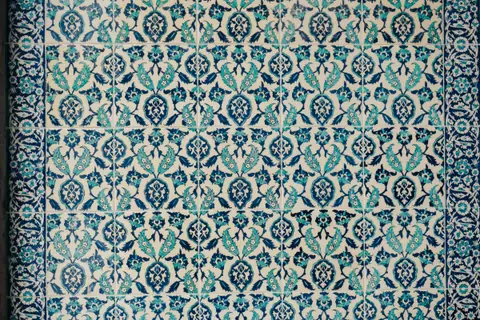
Day Trip from Bursa to Iznik (Ancient Nicaea): Council History, Walls and Tiles
Bursa, Turkey
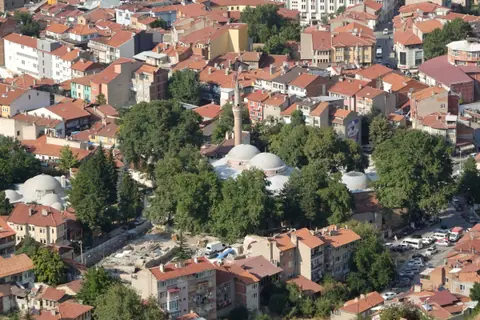
Emirsultan, Yeşil and Nostalgic Tram T3: Walking Eastern Historic Bursa
Bursa, Turkey
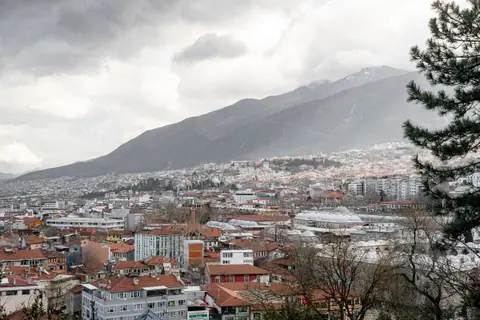
Getting to Bursa from Istanbul by BUDO/İDO Ferry, Highway Coach and Airport
Bursa, Turkey
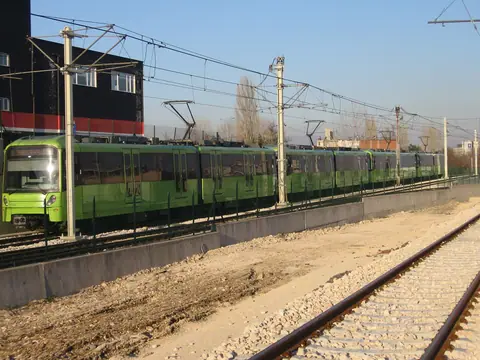
Getting Around Bursa: BursaRay Metro, Trams T1/T2/T3 and BursaKart
Bursa, Turkey
