


























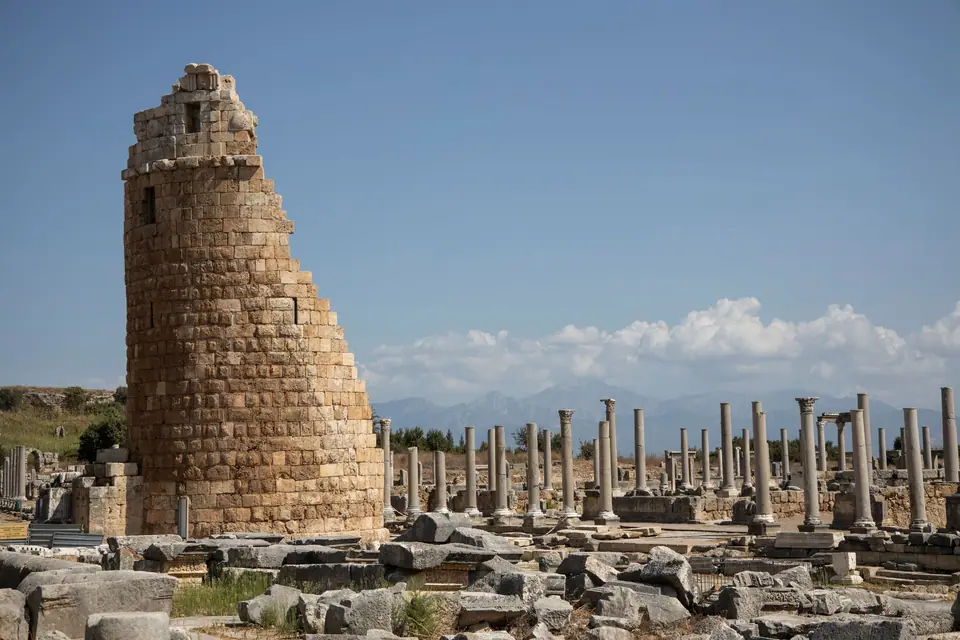
Ancient Troy (Troia) and the Troy Museum: Complete Visiting Guide
Making sense of Troy's nine stacked Bronze and Classical cities and exploring the acclaimed Troy Museum.
Thirty kilometres south of central Çanakkale near the village of Tevfikiye (30 minutes by hourly minibus from underneath the Atatürk Bridge in Çanakkale or by car), the low windswept mound of Hisarlık overlooks the Scamander (Karamenderes) plain where the Aegean meets the Dardanelles. Immortalised in Homer's Iliad and Odyssey, and excavated first by Frank Calvert and Heinrich Schliemann in the 1870s, followed by Carl Blegen and Manfred Korfmann, Ancient Troy (Troia) was inscribed as a UNESCO World Heritage site in 1998. Because nine distinct cities (Troy I to Troy IX) were built one directly on top of another across 4,000 years (from 3000 BC to 500 AD), pairing the outdoor ruins with the extraordinary Troy Museum 800 metres before the gate turns piles of stone into a vivid story.
1. The Troy Museum (Troya Müzesi, Visit First or Immediately After)
Opened in 2018 inside a striking four-storey square cube clad in weathered rust-red Corten steel (designed by Yalın Architectural Design to evoke an artefact unearthed from the soil) and winner of the European Museum of the Year Special Award, the museum is entered down a subterranean ramp lined with Roman sarcophagi:
- The 7 Chronological Sections: ascending via wide, step-free concrete ramps around the perimeter of the cube, each floor corresponds to the archaeological layers of the Troad: the 4th-century BC Polyxena Sarcophagus (the earliest figural marble sarcophagus ever found in Asia Minor, carved with the sacrifice of Trojan Princess Polyxena and funerary musicians), 24 pieces of 2400 BC Early Bronze Age gold jewellery from the Treasure of Troy (returned to Turkey from the Penn Museum), terracotta idols, bronze swords and an interactive animation hall bringing the Trojan War to life.
2. Walking the Nine Layers of Ancient Troy (Allow 60 to 90 Minutes)
Past the symbolic 1975 wooden Trojan Horse in the garden, follow the signposted circular wooden boardwalk counter-clockwise around the mound:
- The Megaron and Sloping Stone Ramp of Troy II (2500 to 2300 BC): walk beside the monumental limestone flagstones of the Southwest Ramp (where Schliemann uncovered the silver and gold hoard he mistakenly called "Priam's Treasure").
- The Sloping Limestone Bastions of Troy VI & VIIa (1700 to 1180 BC, Homer's Troy): at the eastern and southern edges of the citadel stand the finest surviving walls on the site, five-metre-high ashlar limestone towers and the East Gate dating to the Late Bronze Age Wilusa/Ilion of the Trojan War era.
- The Sanctuary, Roman Odeon and Bouleuterion (Troy VIII & IX): finish at the marble-tiered Roman concert hall built under Emperor Augustus, who traced Rome's founding through the Trojan hero Aeneas.
Traveller tips
Real advice from people who have been to Ancient Troy (Troia) and the Troy Museum: Complete Visiting. Every tip is read by our team before it goes live.
No tips yet. Been here? Yours could be the first.
Thank you! Your tip will appear here after a quick review.
More in Canakkale
Continue exploring Canakkale with related neighbourhood, food, and planning guides
Bozcaada Island (Tenedos): Castle, Greek Quarter, Vineyards and Ayazma Beach
Canakkale, Turkey
Assos (Behramkale): The Clifftop Temple of Athena and Antique Harbour
Canakkale, Turkey

Gökçeada (Imbros): Turkey's Largest Island, Stone Greek Villages and Salt Lake
Canakkale, Turkey
What to Eat in Çanakkale: Baked Cheese Halva, Vine-Leaf Sardines and Ezine Cheese
Canakkale, Turkey
