


























UNESCO Jesuit Estancias of Córdoba Guide: Alta Gracia, Jesús María & Santa Catalina
Plan a day trip to the UNESCO-listed rural Jesuit Estancias around Córdoba: visit Alta Gracia (and the Che Guevara Museum), Jesús María and Colonia Caroya, and the Baroque church of Santa Catalina.
When the Society of Jesus founded the University of Córdoba in 1613 and the Convictorio de Monserrat in 1687, they financed their classrooms and missions by creating six rural agricultural, textile, and wine-producing estates across Córdoba Province. Five of these estates survive intact and were inscribed alongside the downtown Manzana Jesuítica as a UNESCO World Heritage Site in 2000 (Ref. 995).
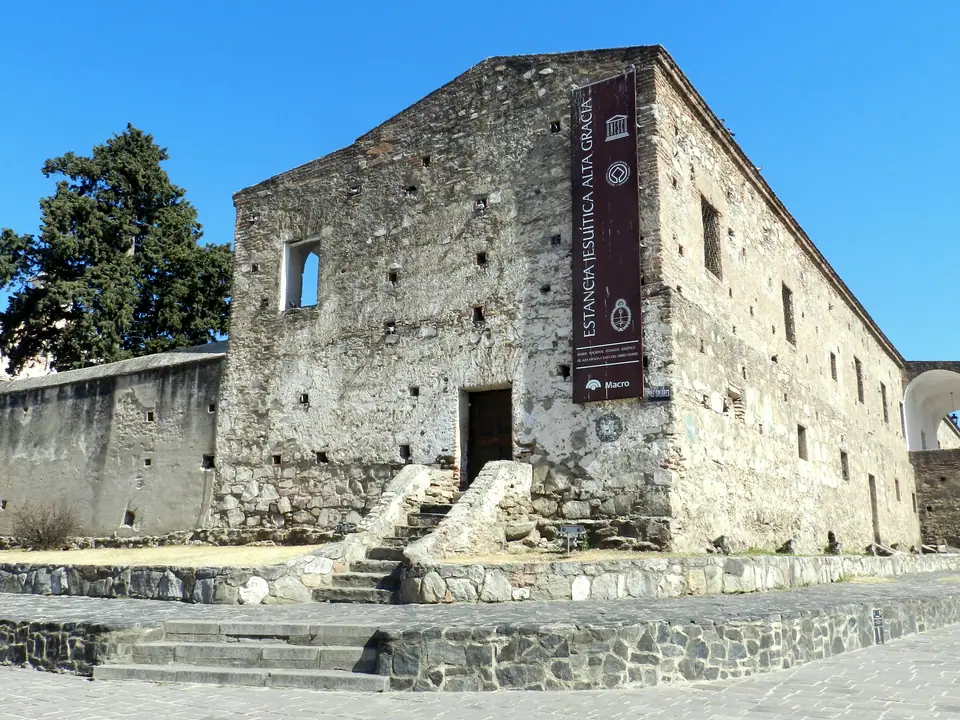
1. Estancia Jesuítica de Alta Gracia (1643) & El Tajamar (36 km South-West)
Located forty minutes south-west of Córdoba along Ruta Provincial 5, Alta Gracia grew directly around its Jesuit estate. Set beside the 1659 Tajamar reservoir, the estate combines a towerless Baroque church with the two-storey vaulted residence where Viceroy Santiago de Liniers lived in 1810. Today the Museo Nacional Estancia Jesuítica de Alta Gracia preserves the blacksmith forges, the Obraje textile workshops, and the memory of the indigenous and enslaved African communities whose labour built the complex.
2. Museo Casa del Che Guevara (Villa Nydia) & Museo Manuel de Falla
Twelve blocks uphill in Alta Gracia's leafy residential quarter stands Villa Nydia, where young Ernesto "Che" Guevara lived between 1932 and 1943 for his childhood asthma, displaying letters, photographs, and a replica of the La Poderosa II Norton 500 motorcycle; nearby sits the Museo Manuel de Falla.
3. Estancia de Caroya (1616) & Estancia de Jesús María (1618)
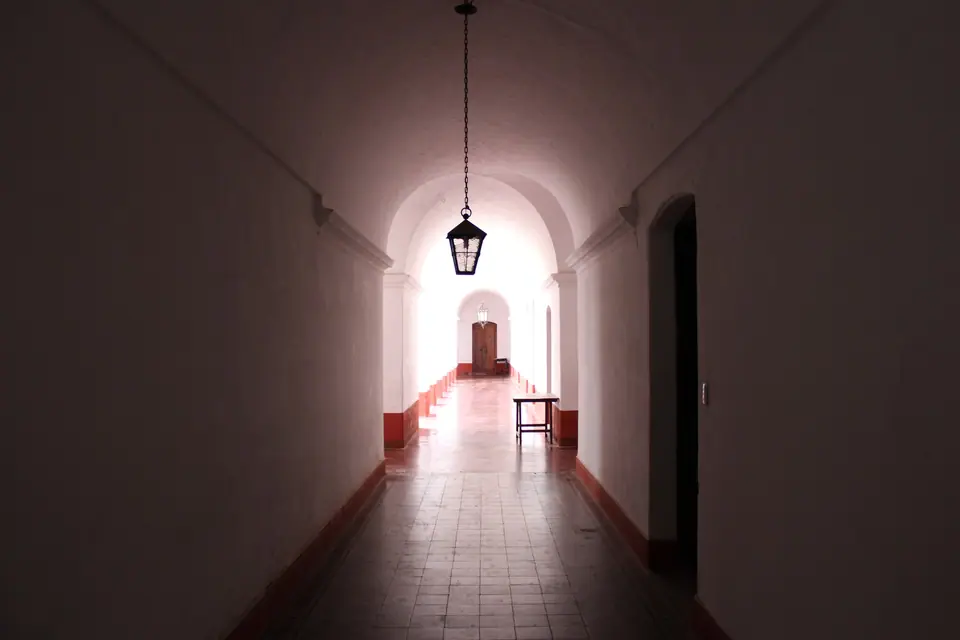
Fifty kilometres north via Ruta Nacional 9 sit Estancia de Caroya (1616), which later housed the first Friulian Italian immigrants of Colonia Caroya in 1878, and the Estancia de Jesús María (1618), whose vaulted underground cellars produced Lagrimilla de Oro, the first American wine served at the court of King Charles III.
4. Estancia de Santa Catalina (1622) & Estancia de La Candelaria (1683)
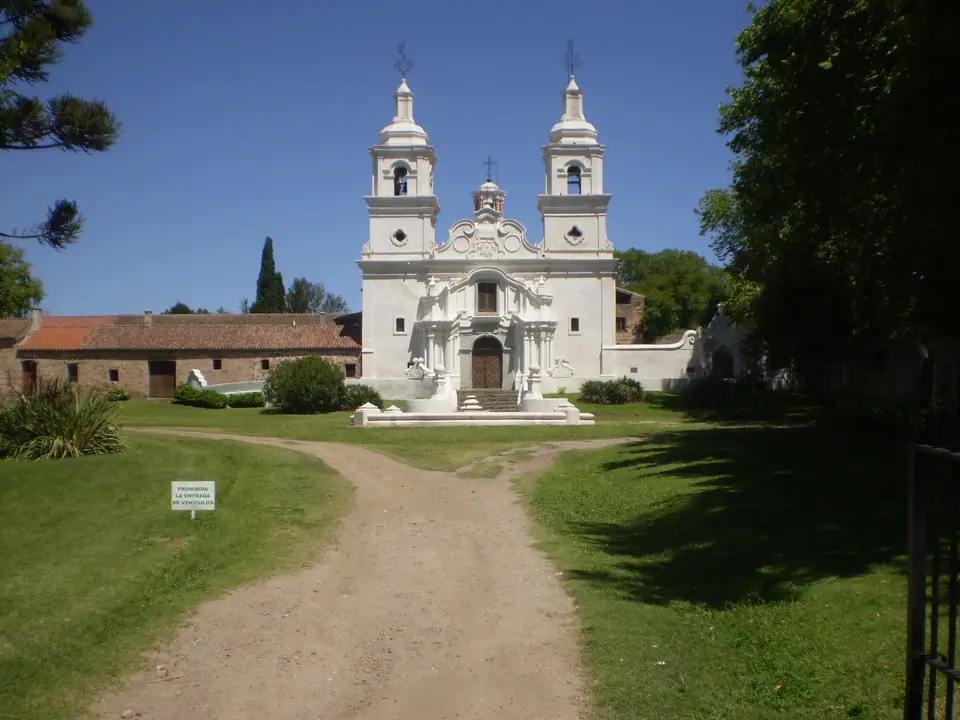
Twenty kilometres up a gravel road into the Sierras Chicas north of Jesús María stands Estancia de Santa Catalina (1622), featuring a monumental twin-towered church facade completed in 1754 by Anton Harls, while high in the Pampa de San Luis stands the fifth rural estate, La Candelaria (1683); check official museum opening days before visiting, as Mondays are closed.
5. Getting There by Bus or Car
Frequent buses from Córdoba's T2 terminal reach Alta Gracia and Jesús María in under an hour, while Santa Catalina and La Candelaria require a car or tour.
Traveller tips
Real advice from people who have been to UNESCO Jesuit Estancias of Córdoba Guide: Alta Gracia, Jesús María & Santa Catalina. Every tip is read by our team before it goes live.
No tips yet. Been here? Yours could be the first.
Thank you! Your tip will appear here after a quick review.
More in Córdoba
Continue exploring Córdoba with related neighbourhood, food, and planning guides
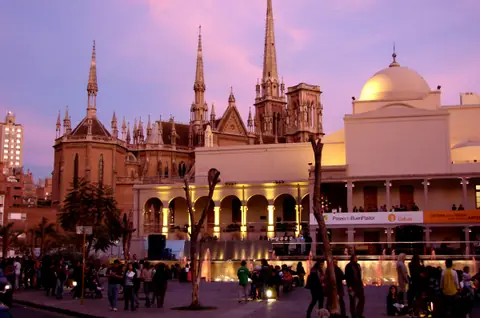
Where to Stay in Córdoba, Argentina: Nueva Córdoba, Barrio Güemes & Historic Centre
Córdoba, Argentina
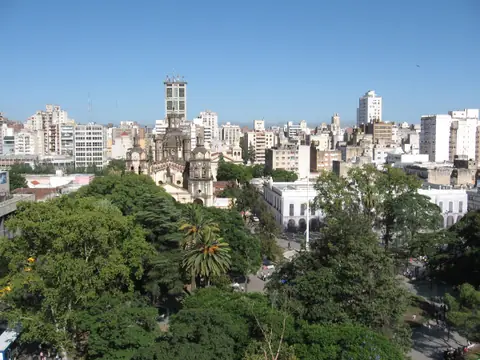
3 Days in Córdoba, Argentina Itinerary: UNESCO Jesuit Block, Güemes & Sierras
Córdoba, Argentina
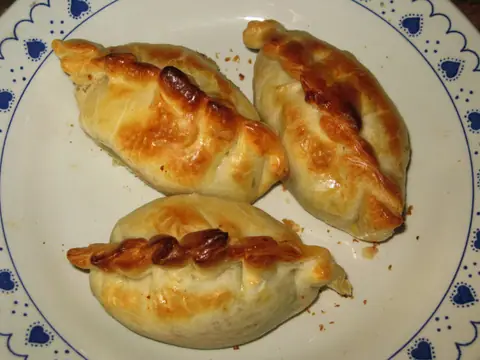
What to Eat in Córdoba, Argentina: Empanada Cordobesa, Cabrito, Caroya Salami & Alfajores
Córdoba, Argentina
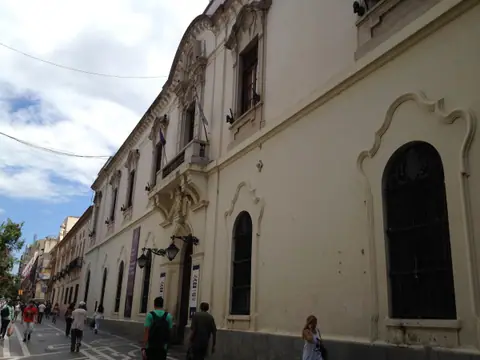
UNESCO Manzana Jesuítica, Cathedral & Plaza San Martín Guide, Córdoba
Córdoba, Argentina
