


























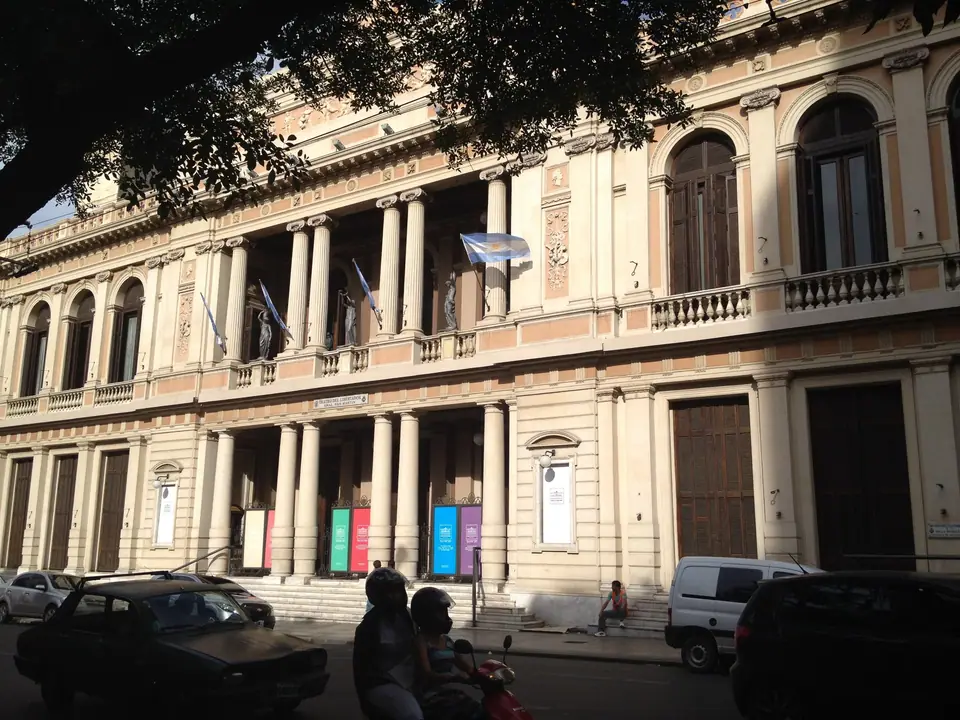
Cuarteto Music, Fernet con Coca & La Docta University Culture Guide, Córdoba
Discover what gives Córdoba its unmistakable personality: the 1918 University Reform heritage of 'La Docta', the 1943 birth of Cuarteto music (tunga-tunga), and the ritual of Fernet con Coca.
Ask any Argentine what sets Córdoba apart from Buenos Aires or Mendoza, and the answer always comes back to three things: the rhythmic cantito lilt of the Cordobés accent and its quick-witted humour (chispa cordobesa), the rebel student spirit of La Docta, and the twin evening rituals of Cuarteto music and Fernet con Coca.
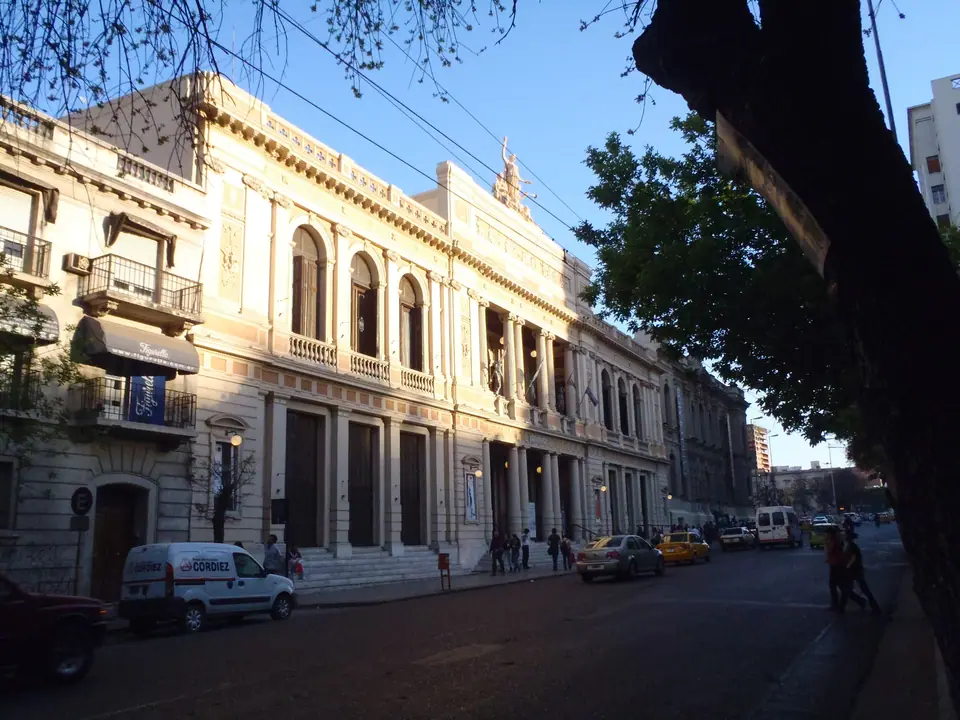
1. "La Docta" & the 1918 University Reform Movement (Barrio Clínicas)
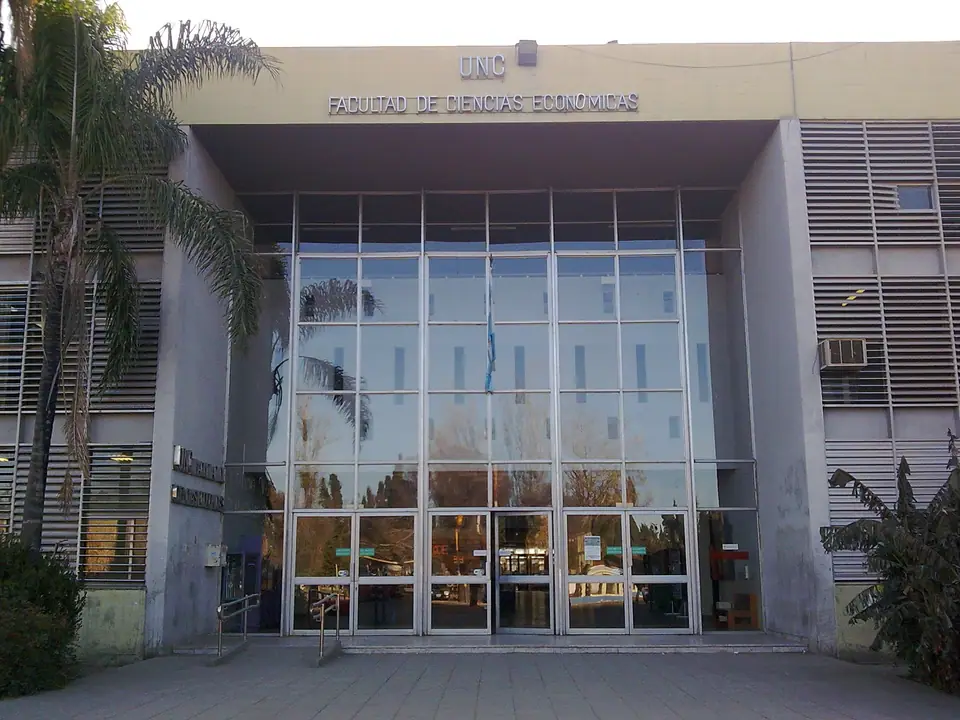
- From 1613 Jesuit Cloisters to the 1918 Manifesto: Because the Universidad Nacional de Córdoba has educated generations of young people since 1613 (and today enrols more than 150,000 students at its sprawling green Ciudad Universitaria campus south of Parque Sarmiento), nearly one in ten residents of the city is a university student. On 15 June 1918, students in Córdoba rose up to demand democratic co-governance (cogobierno), academic freedom, and open faculty competitions, publishing the famous Manifiesto Liminar that transformed public universities across all of Latin America. You can trace this history at the free Museo Casa de la Reforma Universitaria (Calle Enfermera Clermont 130 in historic Barrio Clínicas / Alberdi).
2. Cuarteto Cordobés ("Tunga-Tunga") & the Ritual of Fernet con Coca
- The Birth of Cuarteto in 1943 & the Museo del Cuarteto: On 4 June 1943, a four-piece band called the Cuarteto Característico Leo (founded by Augusto Marzano on double bass, his nineteen-year-old daughter Leonor Marzano on piano, Miguel Gelfo on accordion, and Luis Cabero on violin) made its live broadcast debut on radio station LV3 in Córdoba. By blending the lively 2/4 rhythms of the Italian tarantella and Spanish pasodoble brought by rural farming immigrants with Leonor Marzano's percussive left-hand piano bass line, known forever as the tunga-tunga, they created Cuarteto Cordobés. Declared cultural heritage of the city and celebrated by legends such as Carlos "La Mona" Jiménez and Rodrigo "El Potro" Bueno, its story is told through stage costumes, vinyl records, and instruments at the free Museo del Cuarteto (corner of Avenida Colón and Rivera Indarte; check official provincial culture hours).
- Why Córdoba Is the World Capital of Fernet con Coca: Though the bitter, saffron-and-myrrh herbal amaro Fernet originated in Milan in 1845 (and Fratelli Branca opened its sole distillery outside Italy in Argentina), it was in the student flats and football gatherings of Córdoba during the 1970s and 1980s that mixing Fernet with ice and cola (typically 30% Fernet to 70% Coca-Cola, poured slowly down the side of a glass packed with large ice cubes to raise a creamy two-centimetre tan foam head) became a provincial religion. Today Córdoba Province accounts for roughly a third of Argentina's entire Fernet consumption, best experienced on a warm evening along the terraces of Barrio Güemes or Nueva Córdoba.
Traveller tips
Real advice from people who have been to Cuarteto Music, Fernet con Coca & La Docta University Culture Guide, Córdoba. Every tip is read by our team before it goes live.
No tips yet. Been here? Yours could be the first.
Thank you! Your tip will appear here after a quick review.
More in Córdoba
Continue exploring Córdoba with related neighbourhood, food, and planning guides
UNESCO Manzana Jesuítica, Cathedral & Plaza San Martín Guide, Córdoba
Córdoba, Argentina
Nueva Córdoba Guide: Paseo del Buen Pastor, Los Capuchinos & Palacio Ferreyra
Córdoba, Argentina
Barrio Güemes, Feria Paseo de las Artes & Arroyo La Cañada Walking Guide
Córdoba, Argentina
UNESCO Jesuit Estancias of Córdoba Guide: Alta Gracia, Jesús María & Santa Catalina
Córdoba, Argentina
