Córdoba
Argentina's second-largest city and oldest university hub, Córdoba pairs its UNESCO-listed 17th-century Jesuit Block and surrounding rural Estancias with the bohemian lanes of Barrio Güemes, Beaux-Arts museums in Nueva Córdoba, and the granite gorges and alpine valleys of the Sierras de Córdoba.
Quick decisions
- How many days? Spend 3 to 4 days to walk the UNESCO Manzana Jesuítica, Plaza San Martín, Barrio Güemes, and Nueva Córdoba's Museum Mile, plus one or two day trips to the Jesuit Estancias of Alta Gracia and Jesús María, the alpine village of La Cumbrecita, or Quebrada del Condorito National Park.
- Where should I stay? Base yourself in leafy Nueva Córdoba (around Paseo del Buen Pastor and Parque Sarmiento) for walkable museums and cafés, in bohemian Barrio Güemes for evening craft bars along La Cañada, or near Plaza San Martín for colonial monuments.
- Do I need a car? You do not need a car inside the city, as the Jesuit Block, Güemes, and Nueva Córdoba sit within a twenty-minute walk of one another; rent a car or join a guided excursion for the northern Jesuit Estancias, Calamuchita Valley, and Camino de las Altas Cumbres.
- Best for: UNESCO Spanish colonial and Jesuit architecture, 400-year university heritage, Beaux-Arts art museums, Andean condor canyon hikes, and Central European mountain villages.
- Before you go: Reserve guided interior tour slots for the Manzana Jesuítica and check seasonal trail registration rules before hiking to the condor balconies at Parque Nacional Quebrada del Condorito.
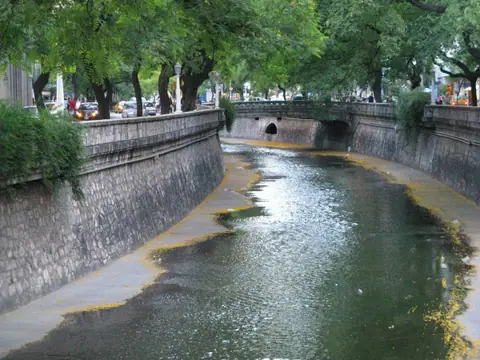
- Getting around: Walk along the tipuana-shaded stone canal of Arroyo La Cañada between the historic centre and Güemes, and use interurban buses from the T1 and T2 terminals for Alta Gracia, Villa Carlos Paz, and Villa General Belgrano.
- Continue your trip: Fly or take a direct highway bus to Buenos Aires, Mendoza, or San Carlos de Bariloche.
Overview
Founded on 6 July 1573 by Spanish conquistador Jerónimo Luis de Cabrera along the banks of the Río Suquía at an elevation of 390 metres (1,280 feet) beneath the eastern foothills of the Sierras Chicas, Córdoba is Argentina's second-most populous metropolis and its historic intellectual heart. After the Society of Jesus arrived in 1599 and established the capital of the vast Jesuit Province of Paraguay here, they founded the Universidad Nacional de Córdoba in 1613 (the oldest university in Argentina and one of the earliest in the Americas), earning the city its enduring nickname La Docta ("The Learned One"). To fund their urban colleges and churches, the Jesuits built a network of self-sustaining rural agricultural estates across the surrounding valleys; together, the downtown Manzana Jesuítica and five Jesuit Estancias (Alta Gracia, Jesús María, Santa Catalina, Caroya, and La Candelaria) were inscribed as a UNESCO World Heritage Site in 2000 (Ref. 995). Today, a population of well over 150,000 university students infuses the stone-lined canal of La Cañada, bohemian Barrio Güemes, and the Beaux-Arts avenues of Nueva Córdoba with energy, while a one-hour drive west carries you into the lakes, condor canyons, and alpine villages of the Sierras de Córdoba.
Getting there
Direct domestic and regional international flights arrive at Ingeniero Aeronáutico Ambrosio Taravella International Airport (COR), 11 kilometres north of the centre, with connections from Buenos Aires, Mendoza, Bariloche, Santiago, and Lima, while long-distance buses and the scenic Tren de las Sierras link the city with the mountain valleys.
Where to stay
Stay along the tree-lined avenues of Nueva Córdoba near Paseo del Buen Pastor, in restored brick townhouses in Barrio Güemes, around Plaza San Martín in the historic centre, or in timber mountain lodges in Villa General Belgrano and La Cumbrecita.
Things to do
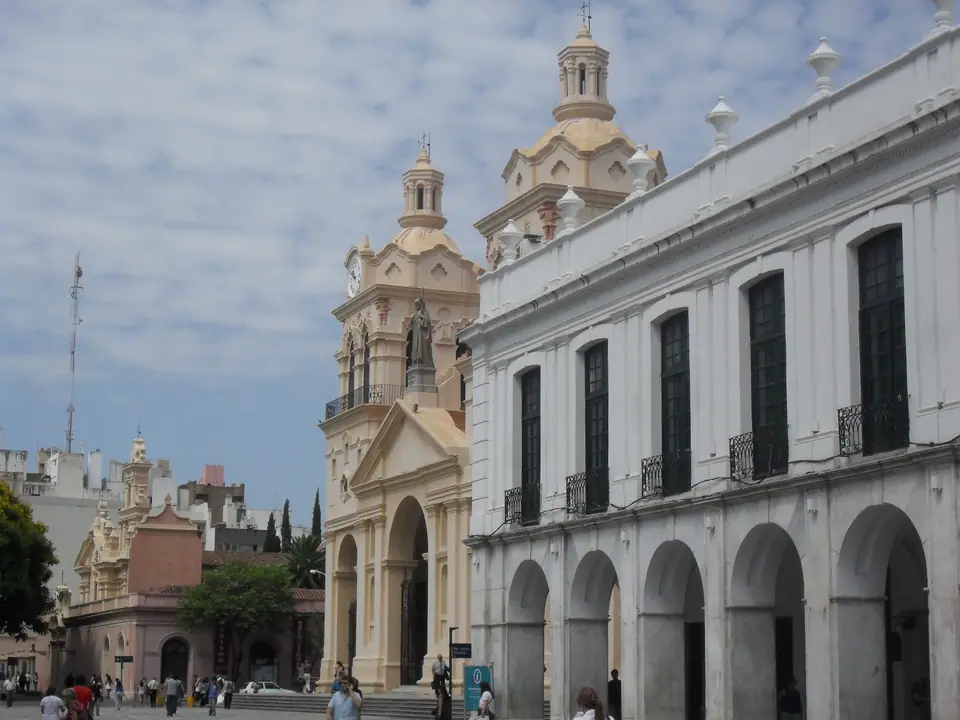
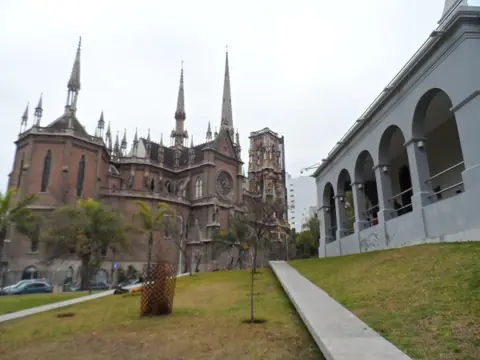
Tour the cedar ship-hull vault of the UNESCO Manzana Jesuítica and Cathedral, admire the neo-Gothic spires and Beaux-Arts mansions of Nueva Córdoba and Palacio Ferreyra, browse weekend crafts along La Cañada and Barrio Güemes, visit the UNESCO Jesuit Estancias of Alta Gracia, Jesús María, and Santa Catalina, and hike to Andean condor lookouts in Quebrada del Condorito National Park.
Food and drink
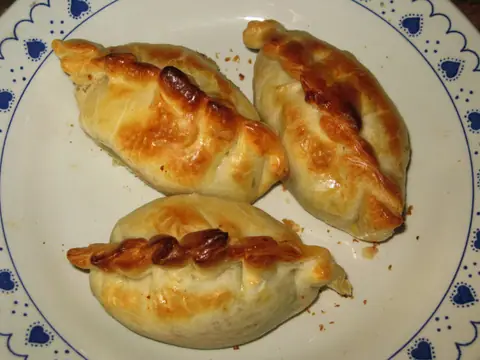
Taste sweet-and-savoury empanadas cordobesas, wood-roasted cabrito serrano, Colonia Caroya salami, and glazed alfajores, and join locals for an evening glass of Fernet con Coca and live cuarteto music.
Culture
From the 1918 University Reform movement to the infectious tunga-tunga piano beat of Cuarteto Cordobés born in 1943 and the great summer folklore festivals of Cosquín and Jesús María, Córdoba is one of Argentina's richest cultural capitals.
Weather by month
Córdoba is warmest in January, with average highs around 31°C, and coldest in July, when nights drop to about 5°C. January is the wettest month, with rain on about 9 days. For mild weather with fewer rainy days, aim for April, May, June, July, August and September.
| Month | Low | Range | High | Rain | Rainy days |
|---|---|---|---|---|---|
| Jan | 19°C | 31°C | 63 mm | 9 d | |
| Feb | 18°C | 29°C | 56 mm | 8 d | |
| Mar | 16°C | 27°C | 56 mm | 8 d | |
| Apr | 13°C | 24°C | 35 mm | 5 d | |
| May | 9°C | 20°C | 21 mm | 3 d | |
| Jun | 6°C | 18°C | 14 mm | 2 d | |
| Jul | 5°C | 18°C | 14 mm | 2 d | |
| Aug | 7°C | 21°C | 14 mm | 2 d | |
| Sep | 10°C | 23°C | 28 mm | 4 d | |
| Oct | 13°C | 26°C | 42 mm | 6 d | |
| Nov | 16°C | 29°C | 56 mm | 8 d | |
| Dec | 18°C | 30°C | 63 mm | 9 d |
Averages of daily values from 2015 to 2024. Rainy days are days with at least 1 mm of rain. Source: Open-Meteo · Compare destinations by month.
Córdoba on the map
Every place we cover in Córdoba. Tap a category or pin to explore.
In-depth Córdoba guides
Browse the guides grouped by topic: sights, neighbourhoods, food, transport, day trips and trip planning.
Sights, Landmarks & Parks
Key monuments, viewpoints, museums and nature trails.
- 12 Best Things to Do in Córdoba, Argentina: Jesuit Block, Museums & SierrasDiscover the 12 best things to do in Córdoba, Argentina: tour the UNESCO Manzana Jesuítica and Cathedral, visit Palacio Ferreyra and Paseo del Buen Pastor, stroll Barrio Güemes, and explore the Sierras.
- Best Time to Visit Córdoba, Argentina: Jacaranda Spring, Dry Winters & FestivalsMonth-by-month weather guide to Córdoba using official 1991-2020 SMN climate normals: compare October-November jacaranda blooms, sunny dry winter hiking, and summer folklore festivals.
- 3 Days in Córdoba, Argentina Itinerary: UNESCO Jesuit Block, Güemes & SierrasPlan the perfect 3 days in Córdoba, Argentina: explore Plaza San Martín, the UNESCO Manzana Jesuítica, and Barrio Güemes on Day 1, Nueva Córdoba's museums on Day 2, and the Sierras on Day 3.
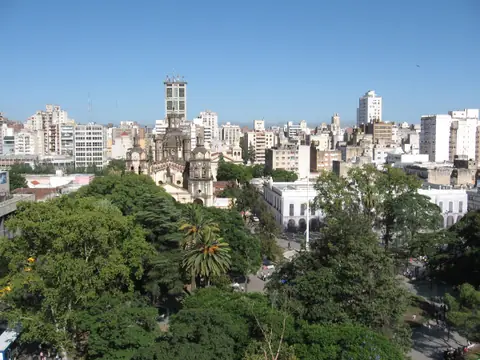
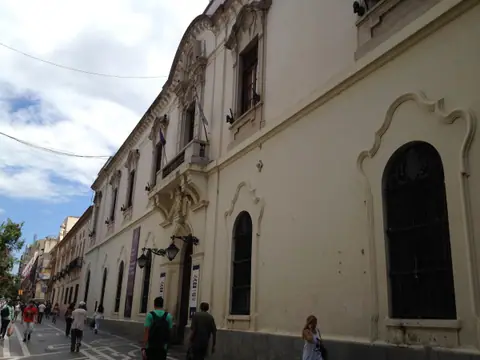
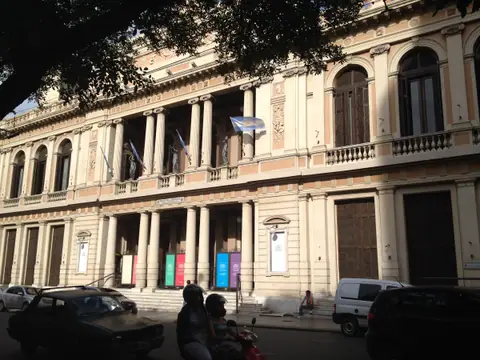
- UNESCO Manzana Jesuítica, Cathedral & Plaza San Martín Guide, CórdobaExplore the colonial heart of Córdoba, Argentina: tour the UNESCO-listed 17th-century Jesuit Block (Compañía de Jesús Church, 1613 University & Colegio Monserrat), the Cathedral, and the 1610 Cabildo.
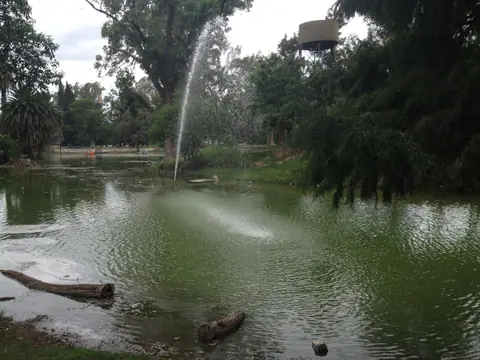
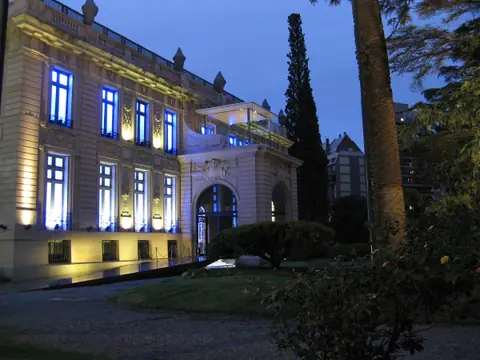
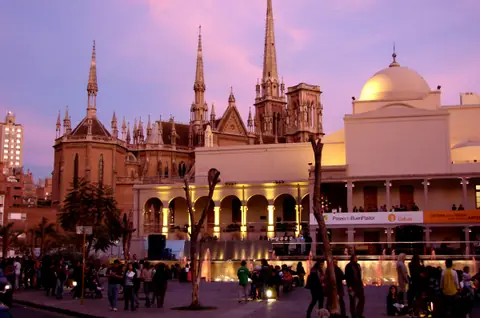
- Nueva Córdoba Guide: Paseo del Buen Pastor, Los Capuchinos & Palacio FerreyraWalk the cultural and architectural spine of Nueva Córdoba: visit Paseo del Buen Pastor, the neo-Gothic Iglesia de los Capuchinos, the 1916 Beaux-Arts Palacio Ferreyra, and Parque Sarmiento.
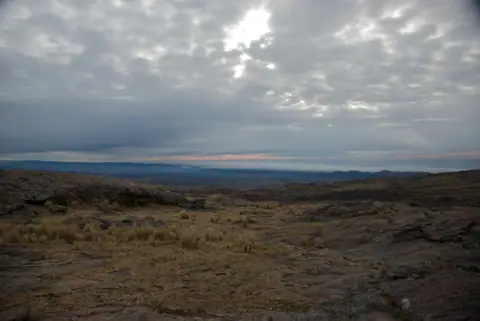
- Camino de las Altas Cumbres, Quebrada del Condorito National Park & Traslasierra GuideCross Córdoba's high-altitude Pampa de Achala plateau (2,100m) along the Camino de las Altas Cumbres: hike to watch Andean condors at Quebrada del Condorito National Park and descend to Mina Clavero.
Neighbourhoods & Where to Stay
Districts, historic quarters and the best bases for your stay.
- Córdoba Argentina: La Docta Layout, UNESCO Heritage & SierrasPlan your visit to Córdoba, Argentina: understand how the colonial Plaza San Martín, UNESCO Jesuit Block, Barrio Güemes, Nueva Córdoba, and the surrounding Sierras de Córdoba valleys connect.
- Where to Stay in Córdoba, Argentina: Nueva Córdoba, Barrio Güemes & Historic CentreCompare the best areas to stay in Córdoba, Argentina: leafy Nueva Córdoba near Paseo del Buen Pastor, bohemian Barrio Güemes along La Cañada, the colonial Plaza San Martín, or Sierra lodges.
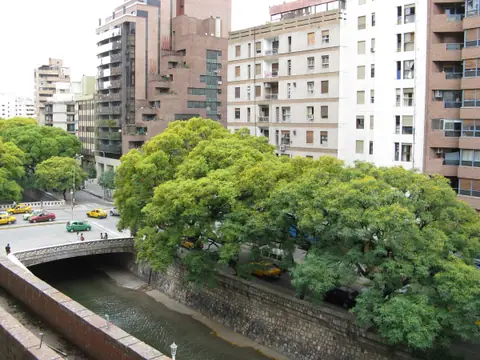
- Barrio Güemes, Feria Paseo de las Artes & Arroyo La Cañada Walking GuideStroll along the stone embankments and tipuana trees of Arroyo La Cañada into bohemian Barrio Güemes: explore the weekend Feria Paseo de las Artes, Casa de Pepino, and courtyard craft bars.
Food & Drink
Local dishes, markets, cafés and dining districts.
- What to Eat in Córdoba, Argentina: Empanada Cordobesa, Cabrito, Caroya Salami & AlfajoresExplore the traditional cuisine of Córdoba, Argentina: taste sweet-and-savoury empanadas cordobesas, Sierra roast kid (cabrito serrano), Colonia Caroya salami, glazed alfajores, and Fernet con Coca.
- Cuarteto Music, Fernet con Coca & La Docta University Culture Guide, CórdobaDiscover what gives Córdoba its unmistakable personality: the 1918 University Reform heritage of 'La Docta', the 1943 birth of Cuarteto music (tunga-tunga), and the ritual of Fernet con Coca.
Getting Around & Arrival
Airport transfers, public transit, passes and driving rules.

Day Trips & Excursions
Easy half-day and full-day trips from the city.
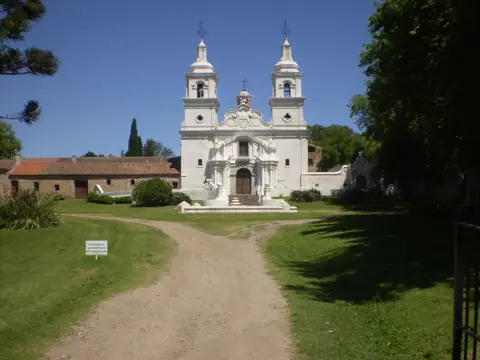
- UNESCO Jesuit Estancias of Córdoba Guide: Alta Gracia, Jesús María & Santa CatalinaPlan a day trip to the UNESCO-listed rural Jesuit Estancias around Córdoba: visit Alta Gracia (and the Che Guevara Museum), Jesús María and Colonia Caroya, and the Baroque church of Santa Catalina.
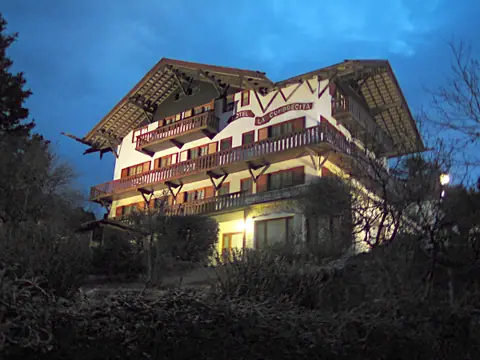
- Villa General Belgrano, La Cumbrecita & Calamuchita Valley Day-Trip GuideExplore the alpine side of the Sierras de Córdoba in the Calamuchita Valley: visit Central European Villa General Belgrano and walk the pine forests and waterfalls of pedestrian-only La Cumbrecita.
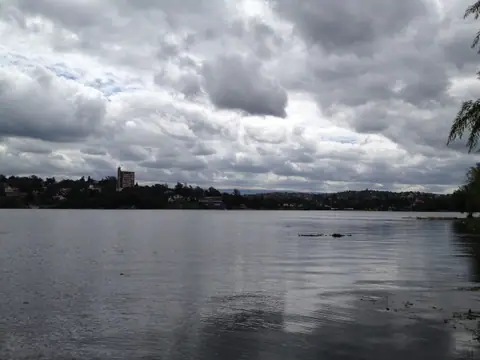
- Villa Carlos Paz, Lago San Roque & Punilla Valley Guide (Cosquín, La Cumbre & Capilla del Monte)Explore the Punilla Valley west of Córdoba: see Lago San Roque and Villa Carlos Paz, the folklore plaza of Cosquín, English-style La Cumbre, and sacred Cerro Uritorco at Capilla del Monte.
Reviews
Log in to write a review.
No reviews yet.