


























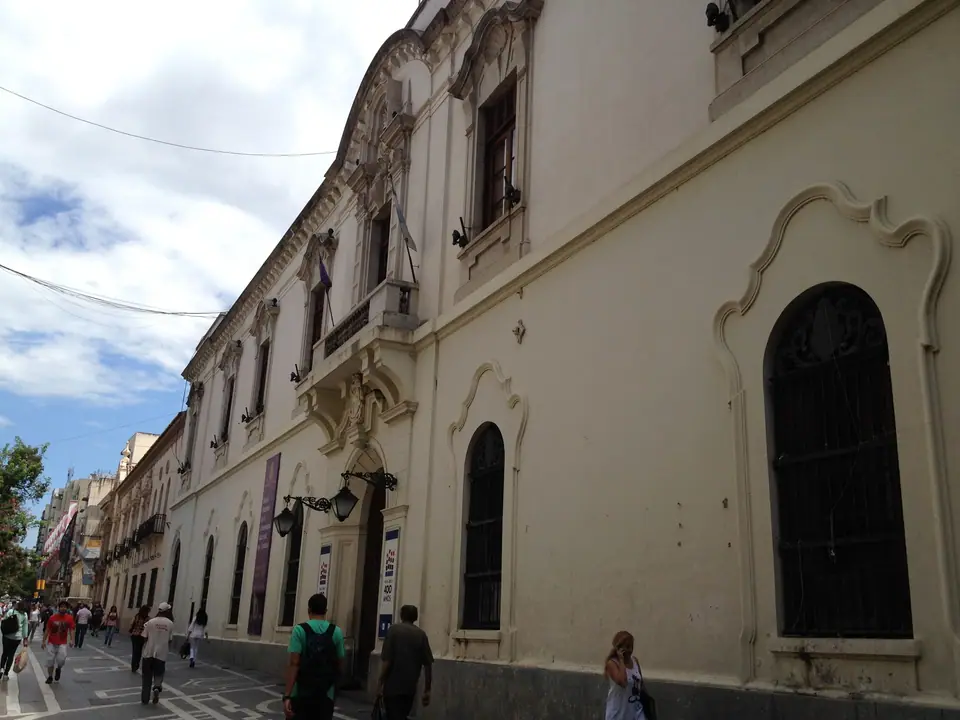
UNESCO Manzana Jesuítica, Cathedral & Plaza San Martín Guide, Córdoba
Explore the colonial heart of Córdoba, Argentina: tour the UNESCO-listed 17th-century Jesuit Block (Compañía de Jesús Church, 1613 University & Colegio Monserrat), the Cathedral, and the 1610 Cabildo.
Nowhere in Argentina is the architectural and intellectual legacy of the Spanish colonial era preserved as completely as in central Córdoba. Within three blocks of one another stand the civic plaza laid out shortly after the city's 1573 founding and the Manzana Jesuítica (Jesuit Block), inscribed together with five rural estates as a UNESCO World Heritage Site in 2000 (Ref. 995).
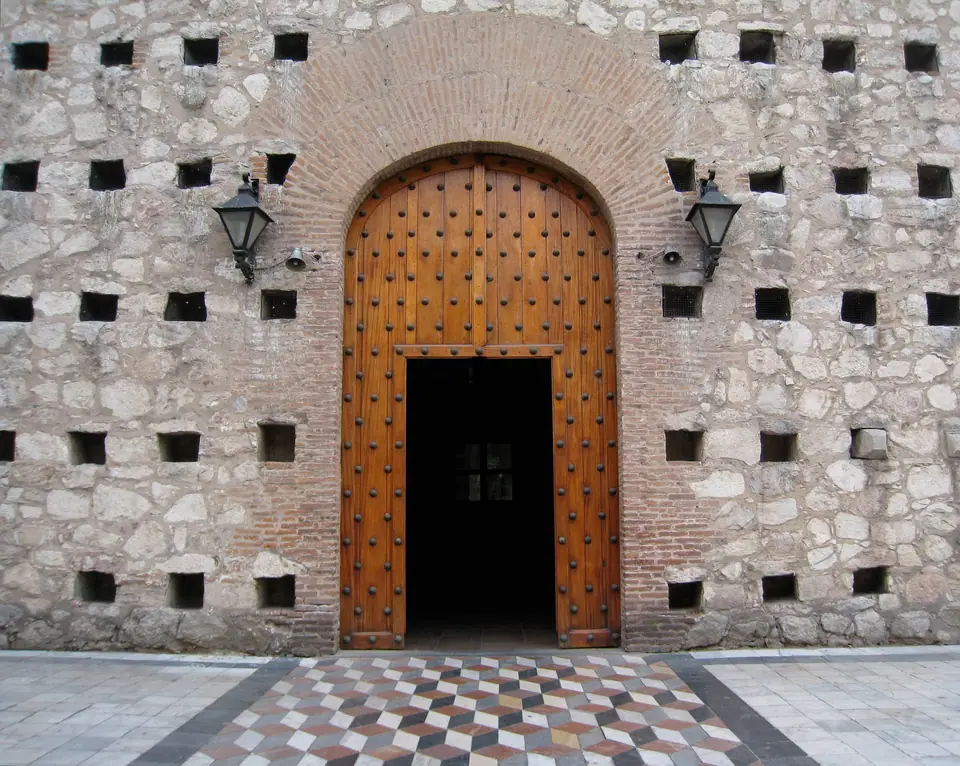
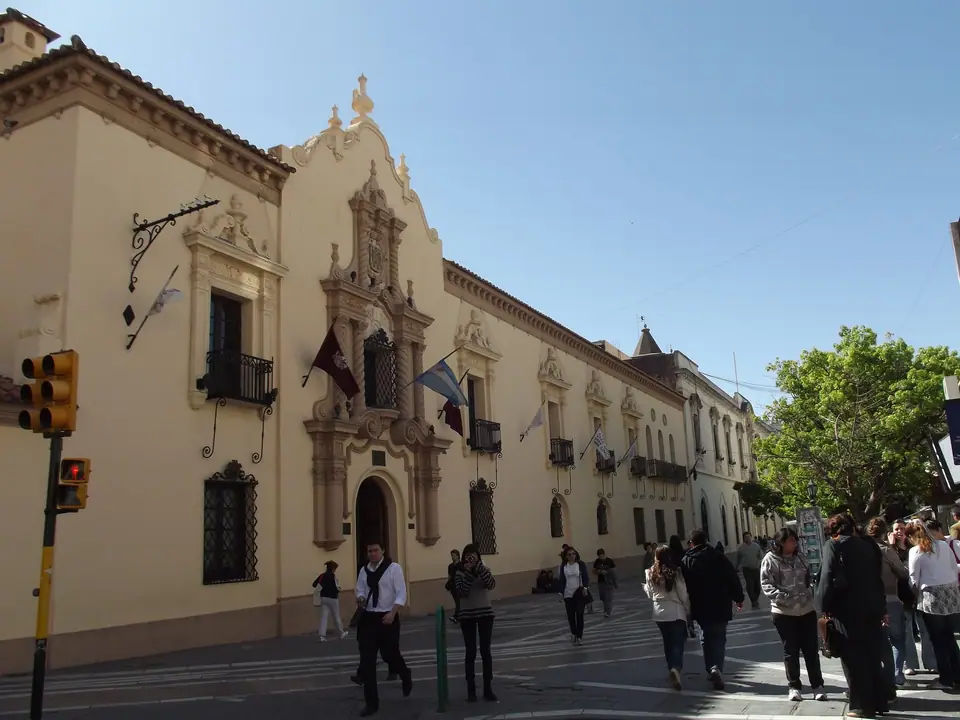
1. The UNESCO Manzana Jesuítica (Calle Obispo Trejo & Caseros)
Granted to the Society of Jesus in 1599, this entire city block bounded by Calles Obispo Trejo, Caseros, Duarte Quirós, and Avenida Vélez Sársfield served for over a century and a half as the headquarters of the Jesuit Province of Paraguay:
- Iglesia de la Compañía de Jesús (Built 1640 to 1671) & Its Ship-Hull Vault: The oldest surviving church in Argentina, built with thick stone-and-brick walls (cal y canto), holds an extraordinary secret inside. Because Córdoba lacked tall timber beams and master masons capable of raising a wide stone barrel vault without collapse, Belgian Jesuit brother and shipwright Philippe Lemaire (Felipe Lemer) turned to naval carpentry around 1650: using logs of Paraguayan cedar floated down the Paraná River and hauled by oxcart across the Pampas, he and indigenous and enslaved artisans constructed the entire nave roof and dome as an inverted wooden ship's hull (quilla de barco invertida) fastened with wooden pegs and rawhide thongs, then richly gilded and painted inside. Behind the altar sits the austere stone Capilla Doméstica (1644 to 1668).
- Museo Histórico de la Universidad Nacional de Córdoba (Founded 1613) & Colegio Monserrat (1687): Stepping into the tranquil orange-tree cloister next door brings you into the birthplace of Argentine higher education, founded in 1613 by Bishop Fernando de Trejo y Sanabria. Guided tours (check the official Museo Histórico UNC desk on Obispo Trejo 242 for daily morning and afternoon departure slots) visit the barrel-vaulted Salón de Grados, the Colección Jesuítica of rare 16th- and 17th-century incunabula and volumes from Argentina's first printing press (1765), and the adjacent Colegio Nacional de Monserrat, remodelled in the 1920s by Jaime Roca with Spanish-Moorish arches and ceramic tiles.
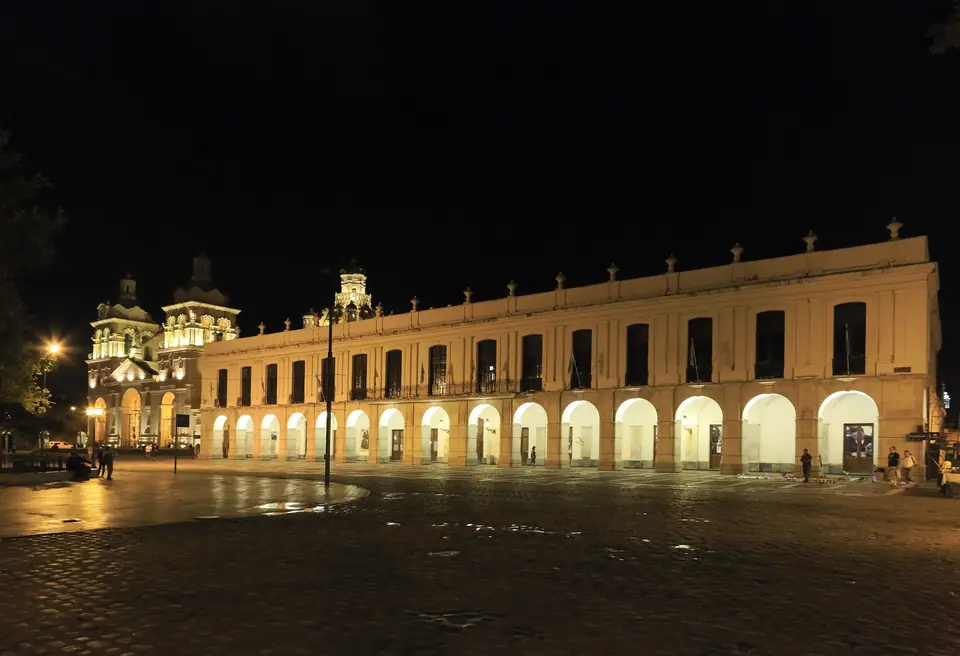
2. Plaza San Martín, Catedral Nuestra Señora de la Asunción & Cabildo Histórico
- Catedral de Córdoba (1580 to 1784): dominating the western side of palm- and tipuana-shaded Plaza San Martín, the Cathedral took two centuries to complete, blending a wide Renaissance-Baroque portico by Jesuit architect Andrea Bianchi (Blanqui) with an exuberant turreted drum dome by Franciscan friar Vicente Muñoz and early-20th-century interior frescoes painted by Emilio Caraffa and Carlos Camilloni. The atrium holds the tomb of Deán Gregorio Funes and the urn of General José María Paz.
- The 1610 Cabildo Histórico & Pasaje Santa Catalina: Immediately north of the Cathedral, flanked by the cobbled colonial lane of Pasaje Santa Catalina, stretches the fifteen-arch whitewashed portico of the Cabildo Histórico, begun in 1610 and today hosting municipal exhibitions and concerts across its two internal courtyards.
Traveller tips
Real advice from people who have been to UNESCO Manzana Jesuítica, Cathedral & Plaza San Martín Guide, Córdoba. Every tip is read by our team before it goes live.
No tips yet. Been here? Yours could be the first.
Thank you! Your tip will appear here after a quick review.
More in Córdoba
Continue exploring Córdoba with related neighbourhood, food, and planning guides
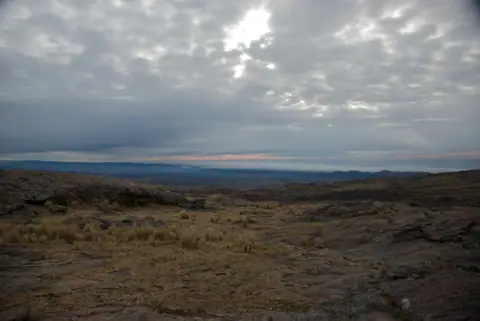
Camino de las Altas Cumbres, Quebrada del Condorito National Park & Traslasierra Guide
Córdoba, Argentina
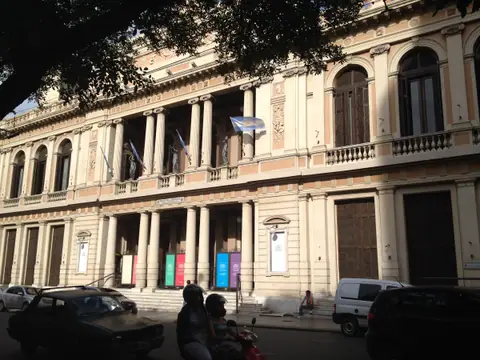
Cuarteto Music, Fernet con Coca & La Docta University Culture Guide, Córdoba
Córdoba, Argentina
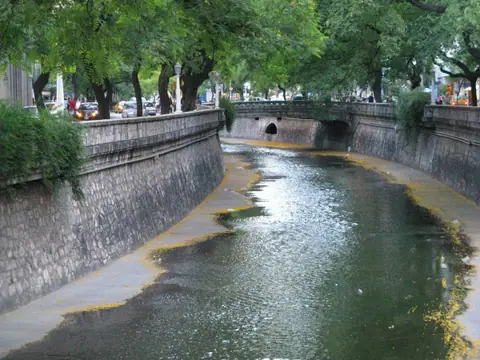
Córdoba Argentina: La Docta Layout, UNESCO Heritage & Sierras
Córdoba, Argentina
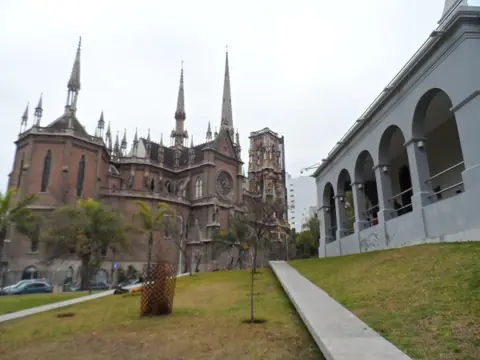
12 Best Things to Do in Córdoba, Argentina: Jesuit Block, Museums & Sierras
Córdoba, Argentina
