Guayaquil
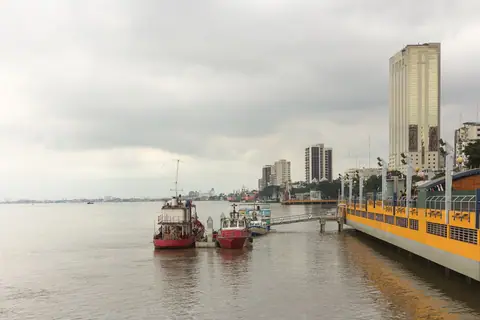
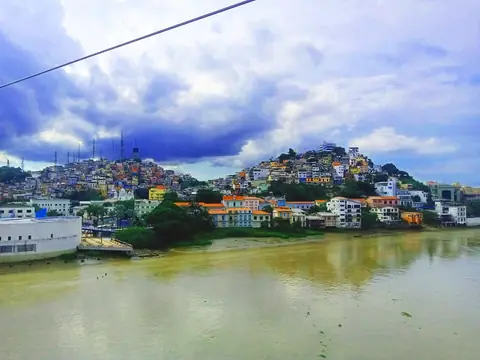
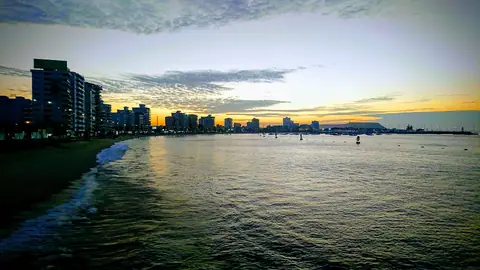
Spread along the broad tidal banks of the Río Guayas where the Daule and Babahoyo rivers meet the Pacific estuary, Guayaquil is Ecuador's largest city, historic port, and primary gateway to the Galápagos Islands, pairing the riverfront gardens of Malecón 2000 and the 444 steps of Cerro Santa Ana with Arriba Nacional cacao estates and coastal mangroves.
Quick decisions
- How many days? Spend 2 to 3 days before or after a Galápagos flight or an Andean journey to walk Malecón 2000, Barrio Las Peñas, Cerro Santa Ana, and Parque Seminario, visit Parque Histórico in Samborondón, and take a day trip to an Arriba Nacional cacao hacienda or Manglares Churute.
- Where should I stay? Base yourself along the riverfront at Puerto Santa Ana, beside Malecón 2000 and Parque Seminario in the historic centre, or in Kennedy Norte / Ciudad del Río just five minutes from José Joaquín de Olmedo Airport (GYE).
- Do I need a car? You do not need a car inside Guayaquil; use registered hotel taxis or ride-hailing apps between the airport, Malecón 2000, Las Peñas, Urdesa, and Parque Histórico, and join guided day excursions for cacao plantations or Manglares Churute.
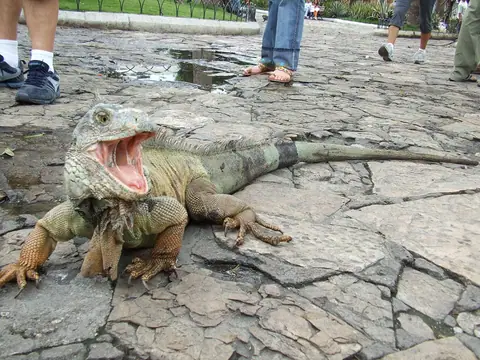
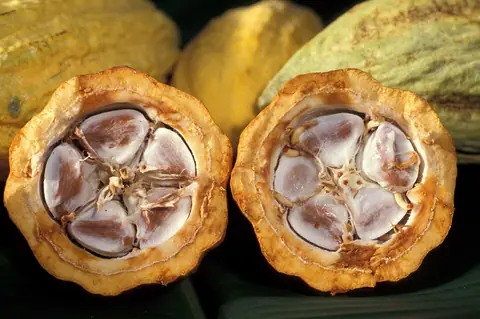
- Best for: Riverfront tropical promenades, early-20th-century timber architecture, free-roaming park iguanas, single-origin Arriba Nacional cacao tastings, and Ecuadorian coastal seafood (encebollado and mangrove crabs).
- Before you go: If you are connecting through Guayaquil (GYE) to the Galápagos Islands, arrive early at the terminal for mandatory TCT transit control card registration and ABG biosecurity luggage inspection.
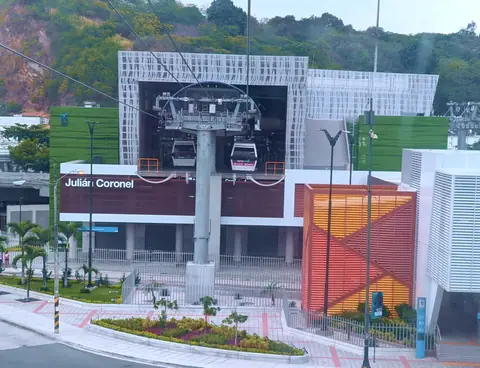
- Getting around: Walk end-to-end along the gated, patrolled 2.5-kilometre Malecón 2000 promenade up to Las Peñas and Cerro Santa Ana, ride the Aerovía cable car over the Río Guayas, and use licensed taxis at night.
- Continue your trip: Fly to the Galápagos Islands or Quito, or take a four-hour highway journey across Cajas National Park to colonial Cuenca.
Overview
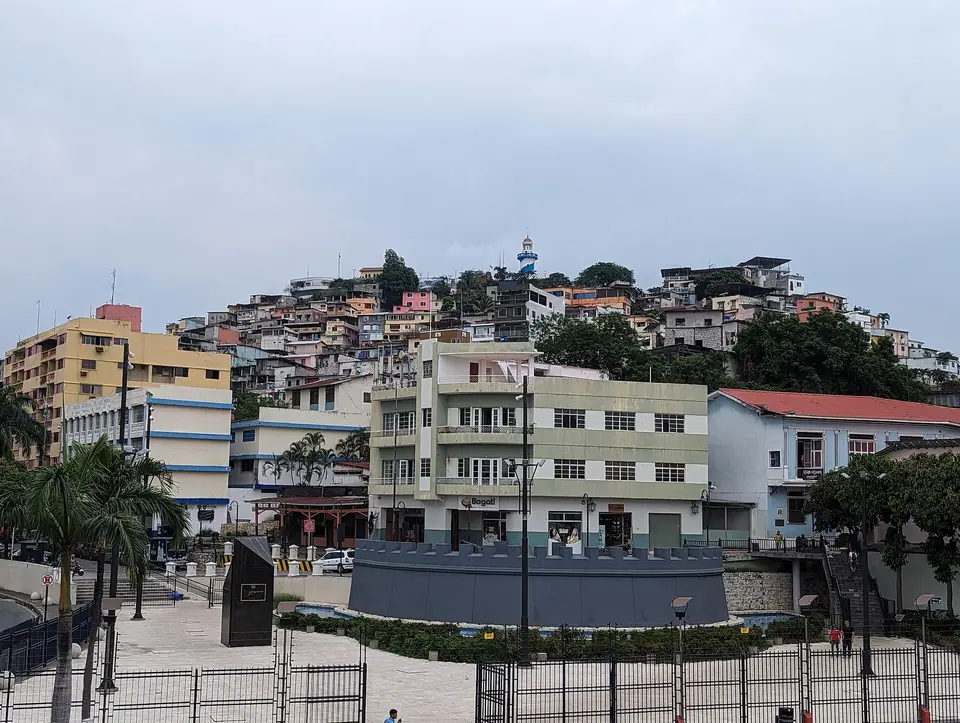
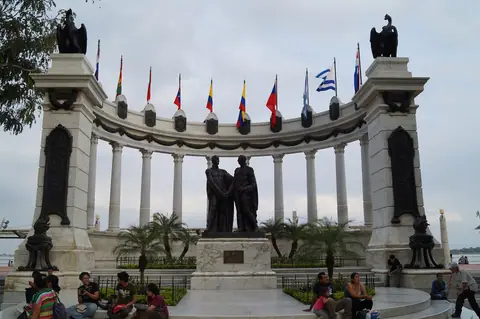
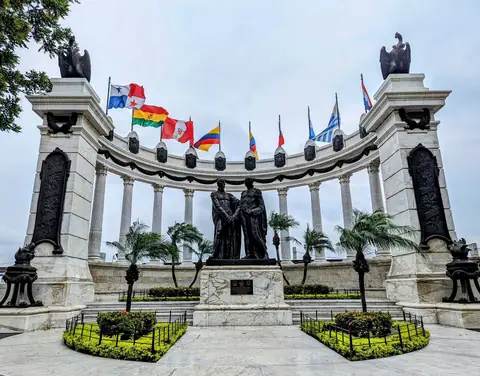
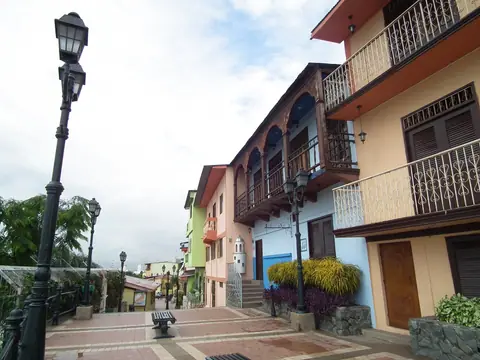
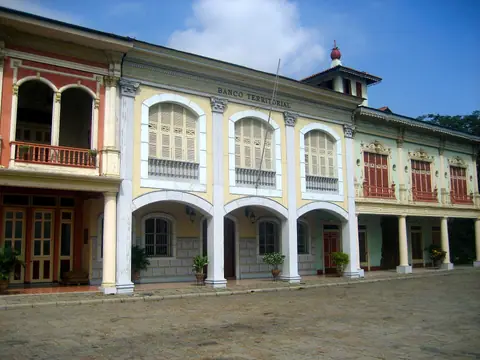
Rising just four metres above sea level where the Andean waters of the Río Daule and Río Babahoyo merge to form the two-kilometre-wide Río Guayas, Santiago de Guayaquil is Ecuador's commercial engine, its chief Pacific seaport, and its most populous metropolis. Settled permanently in July 1538 at the foot of Cerro Santa Ana, the city became the premier colonial shipyard of the Spanish South Sea before declaring independence on 9 October 1820 and hosting the famous 26 to 27 July 1822 meeting (La Entrevista de Guayaquil) between liberators Simón Bolívar and José de San Martín. During the late-19th- and early-20th-century boom of Pepa de Oro (Arriba Nacional fine-aroma cacao), river steamboats stacked high with cocoa sacks turned Guayaquil into a city of ornate timber mansions. Today, travelers stroll beneath royal palms along the 2.5-kilometre Malecón 2000, climb the 444 painted steps of Cerro Santa Ana above the wooden galleries of Barrio Las Peñas, watch green land iguanas bask beneath the neo-Gothic spires of the Metropolitan Cathedral in Parque Seminario, and explore rescued 1900 mansions and rainforest wildlife at Parque Histórico Guayaquil.
Getting there
Where to stay
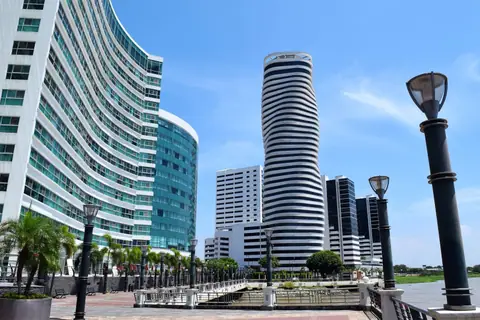
Stay along the modern riverfront towers of Puerto Santa Ana at the foot of Las Peñas, around Parque Seminario and Bulevar 9 de Octubre near Malecón 2000, in the garden suburbs of Samborondón, or near the airport in Kennedy Norte.
Things to do
Walk the full length of Malecón 2000 and Hemiciclo de la Rotonda, climb through Barrio Las Peñas and the 444 steps of Cerro Santa Ana, meet the green iguanas of Parque Seminario and the Metropolitan Cathedral, tour Parque Histórico Guayaquil, cross the pedestrian bridge to Isla Santay, and visit a working Arriba Nacional cacao hacienda.
Food and drink
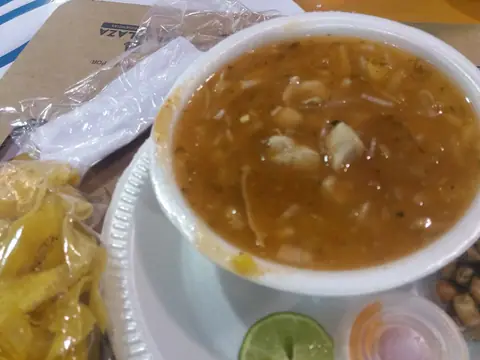
Start the morning with a steaming bowl of albacore tuna encebollado or cheese-and-pork bolón de verde, and spend an evening in Urdesa cracking red Guayas mangrove crabs with wooden mallets.
Culture
Every July (Fundación de Guayaquil, 25 July) and October (Independencia de Guayaquil, 9 October), the city fills with river parades, open-air concerts, and civic festivities along Bulevar 9 de Octubre and Malecón 2000.
Weather by month
Guayaquil is warmest in March, with average highs around 32°C, and coldest in July, when nights drop to about 20°C. February is the wettest month, with rain on about 18 days.
| Month | Low | Range | High | Rain | Rainy days |
|---|---|---|---|---|---|
| Jan | 23°C | 31°C | 105 mm | 15 d | |
| Feb | 24°C | 31°C | 126 mm | 18 d | |
| Mar | 24°C | 32°C | 126 mm | 18 d | |
| Apr | 24°C | 32°C | 91 mm | 13 d | |
| May | 23°C | 30°C | 42 mm | 6 d | |
| Jun | 21°C | 29°C | 14 mm | 2 d | |
| Jul | 20°C | 28°C | 7 mm | 1 d | |
| Aug | 20°C | 29°C | 7 mm | 1 d | |
| Sep | 20°C | 30°C | 7 mm | 1 d | |
| Oct | 21°C | 30°C | 14 mm | 2 d | |
| Nov | 22°C | 30°C | 14 mm | 2 d | |
| Dec | 23°C | 31°C | 42 mm | 6 d |
Averages of daily values from 2015 to 2024. Rainy days are days with at least 1 mm of rain. Source: Open-Meteo · Compare destinations by month.
Guayaquil on the map
Every place we cover in Guayaquil. Tap a category or pin to explore.
In-depth Guayaquil guides
Browse the guides grouped by topic: sights, neighbourhoods, food, transport, day trips and trip planning.
Sights, Landmarks & Parks
Key monuments, viewpoints, museums and nature trails.
- 12 Best Things to Do in Guayaquil: Malecón 2000, Las Peñas, Iguanas & CacaoDiscover the 12 best things to do in Guayaquil, Ecuador: stroll Malecón 2000, climb the 444 steps of Cerro Santa Ana through Barrio Las Peñas, see the iguanas of Parque Seminario, and tour a cacao hacienda.
- Best Time to Visit Guayaquil: Cool Dry Humboldt Season, July & October FestivitiesMonth-by-month weather guide to Guayaquil using official 1991-2020 INAMHI/WMO climate normals: compare the dry, breezy May-December season with the warm January-April beach season.
- 3 Days in Guayaquil Itinerary: Malecón 2000, Las Peñas, Parque Histórico & CacaoPlan the perfect 3 days in Guayaquil, Ecuador: explore Parque Seminario, Malecón 2000, and Barrio Las Peñas on Day 1, Parque Histórico and Urdesa on Day 2, and Isla Santay or a cacao hacienda on Day 3.
- Malecón 2000 (Malecón Simón Bolívar), La Rotonda & MAAC Guide, GuayaquilWalk the 2.5-kilometre Malecón 2000 waterfront along the Río Guayas: discover the 1908 Crystal Palace, the 1931 Moorish Clock Tower, the 1938 Bolívar-San Martín Rotonda, La Perla, and the MAAC.
- Barrio Las Peñas, 444 Steps & Cerro Santa Ana Lighthouse Guide, GuayaquilExplore the birthplace of Guayaquil: walk the 400-year-old cobblestone lane of Calle Numa Pompilio Llona in Barrio Las Peñas and climb all 444 numbered steps of Cerro Santa Ana to the lighthouse.
- Parque Seminario (Iguana Park) & Metropolitan Cathedral Guide, GuayaquilVisit downtown Guayaquil's twin civic icons: watch the free-roaming green land iguanas of 1895 Parque Seminario (Parque Bolívar) and tour the white neo-Gothic Metropolitan Cathedral of San Pedro.
- Parque Histórico Guayaquil (Samborondón) & Puerto Santa Ana GuideStep back into 1900 cocoa-boom Guayaquil and explore native coastal wildlife at the 8-hectare Parque Histórico in Samborondón, then dine along the modern riverfront of Puerto Santa Ana.
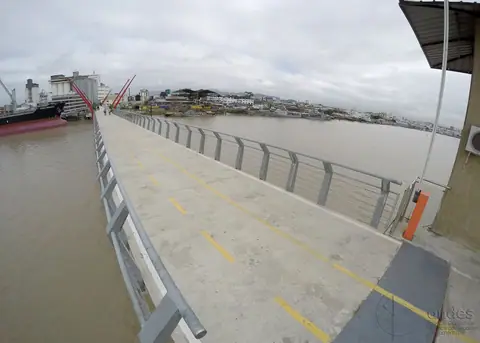
- Isla Santay, Bosque Protector Cerro Blanco & Manglares Churute Eco-GuideExplore Guayaquil's three protected natural reserves: walk or cycle the 840m bridge across the Río Guayas to Isla Santay, hike Cerro Blanco dry forest for macaws, and boat through Manglares Churute.
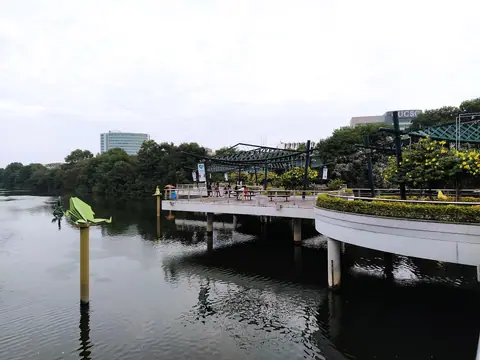
- Malecón del Salado, Urdesa Dining & Guayaquil Downtown Museums GuideExplore Guayaquil beyond the Río Guayas: stroll across the Zigzag Bridge at Malecón del Salado on the Estero Salado, tour the Museo Municipal and Museo Nahím Isaías, and dine in hilly Urdesa.
Neighbourhoods & Where to Stay
Districts, historic quarters and the best bases for your stay.
- Guayaquil: Río Guayas Layout, Estero Salado & Galápagos HubPlan your visit to Guayaquil, Ecuador: understand how the Río Guayas waterfront (Malecón 2000, Las Peñas & Puerto Santa Ana), downtown Bulevar 9 de Octubre, Estero Salado, and Samborondón fit together.
- Where to Stay in Guayaquil: Puerto Santa Ana, Malecón 2000, Kennedy Norte & SamborondónCompare the best areas to stay in Guayaquil, Ecuador: riverfront Puerto Santa Ana at the foot of Las Peñas, downtown near Parque Seminario and Malecón 2000, airport-convenient Kennedy Norte, or Samborondón.
Food & Drink
Local dishes, markets, cafés and dining districts.
Getting Around & Arrival
Airport transfers, public transit, passes and driving rules.
Day Trips & Excursions
Easy half-day and full-day trips from the city.
- Arriba Nacional Cacao Haciendas ('La Pepa de Oro') & Chocolate Guide, GuayaquilDiscover why Ecuador is the world capital of fine-aroma cacao ('Cacao Fino de Aroma'): trace Guayaquil's 19th-century 'Pepa de Oro' boom and take a day trip to a working Arriba Nacional cacao plantation.
- Pacific Coast Day Trips from Guayaquil: Playas Villamil, Puerto El Morro & SalinasEscape to the Pacific Ocean from Guayaquil: see traditional balsa sailing rafts and bottle-nosed dolphins at General Villamil Playas and Puerto El Morro, or visit La Chocolatera and Salinas on the Santa Elena Peninsula.
Reviews
Log in to write a review.
No reviews yet.