Milano
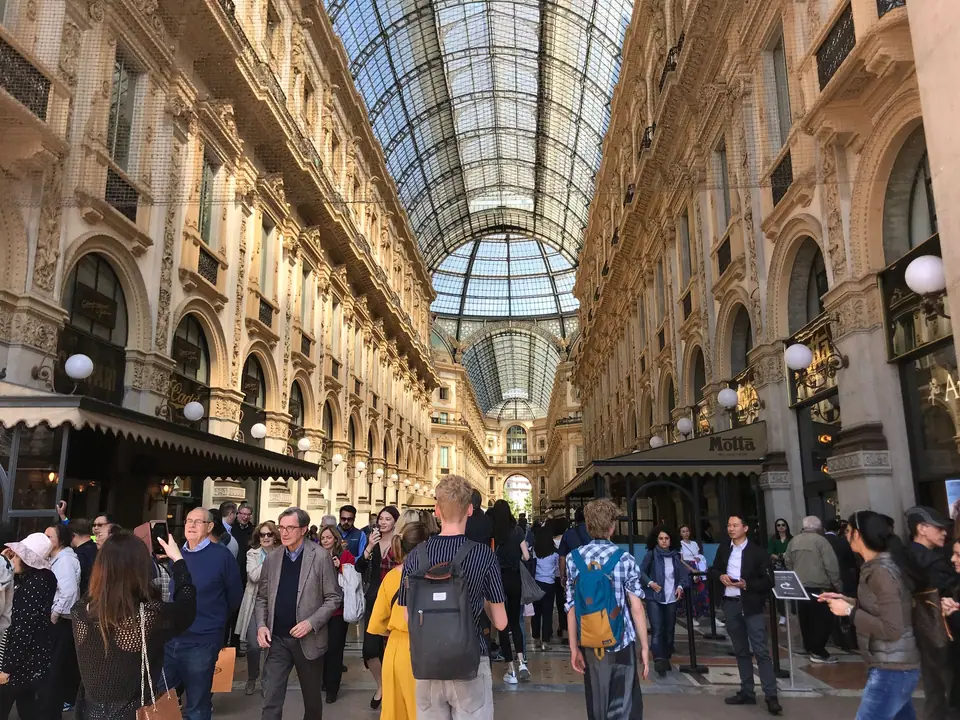
Italy's capital of fashion and design, where the boutiques of Via Montenapoleone and the glass-roofed Galleria sit steps from a Gothic cathedral.
Quick decisions
How many days?
Two days: give one to the Duomo, the centre and Brera, then another to the Last Supper, Sforza Castle and an evening by the Navigli. Three days: add a museum, a slower neighbourhood walk or a day trip.
Where should we stay?
Centro Storico: close to the headline sights. Brera: lanes, galleries and cafés. Porta Venezia: varied restaurants and handsome Liberty architecture. Navigli: canal-side evenings, with a livelier feel after dark.
What needs booking?
Reserve the Last Supper well ahead. Timed visits are required, places are limited and the visit itself is short, so we book it first and plan the rest of the trip around it.
Do we need a car?
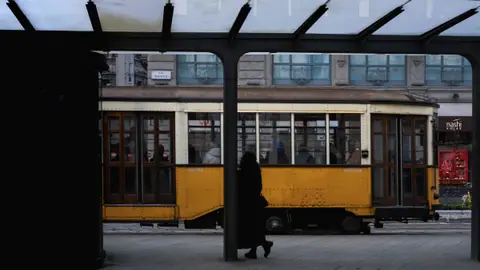
No for the city. Milan’s metro, trams and buses link the main districts, while the centre is rewarding on foot. Regional trains make day trips practical without driving.
What should we eat?
Try saffron risotto, cotoletta alla Milanese, ossobuco and panettone. The Milanese food guide explains what to look for and how aperitivo fits into the evening.
When is it lively?
Design and fashion events bring extra energy and visitors. Fashion weeks fall in February and September and Design Week in April, so we book rooms early for those dates.
Overview
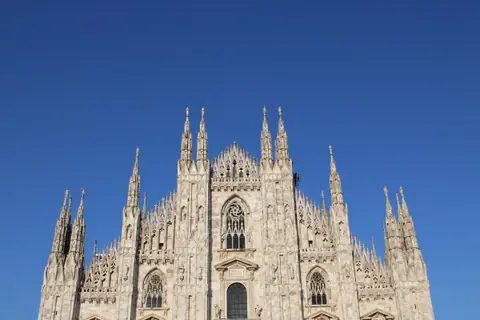
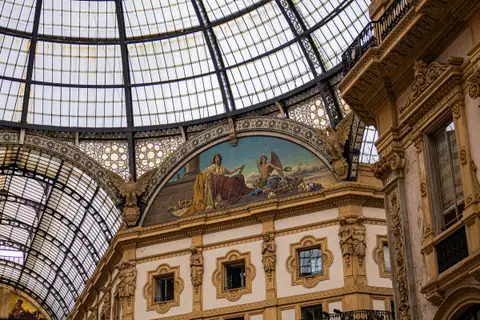
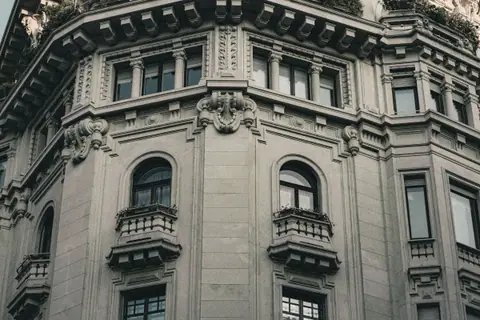
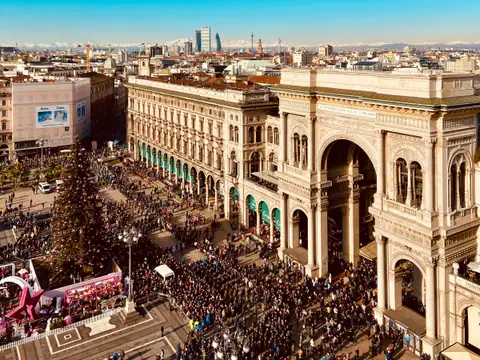
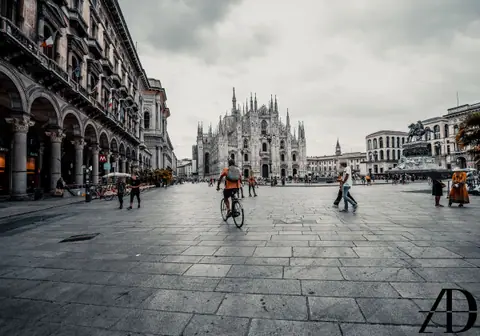
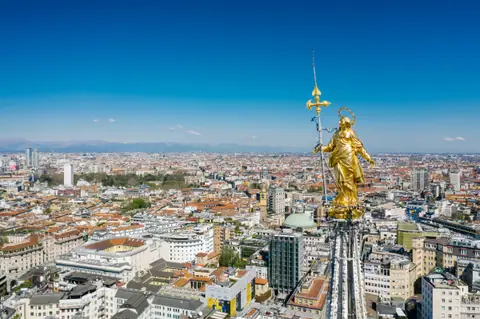
Milan is often introduced through fashion and finance, yet its strongest first impression is architectural. The Duomo rises above the central piazza in a forest of pale marble pinnacles; a few streets away, the Galleria Vittorio Emanuele II turns shopping into a grand nineteenth-century interior. Beyond the centre, the city shifts quickly from Renaissance courtyards to railway-era boulevards, canal-side streets and contemporary towers. It rewards visitors who look beyond the famous names and explore one district at a time.
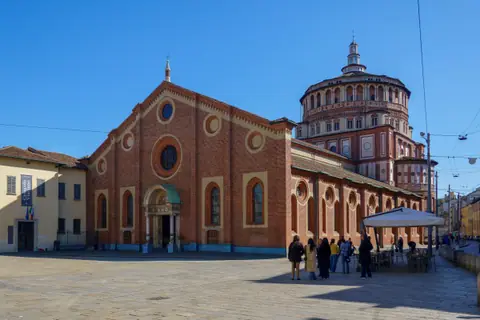
Start with the historic core, where the cathedral, the Galleria, La Scala and the Brera quarter fit into a walkable day. Give the Duomo time inside and, if access is available, above the roofline. Reserve the Last Supper separately: entry is controlled, advance booking is essential and the viewing slot is short. The painting is at Santa Maria delle Grazie, west of the centre, so it pairs naturally with the church and a walk towards Castello Sforzesco.
For a gentler pace, Brera has small squares, independent shops and the Pinacoteca, while the Navigli district draws people to its historic canals at the end of the day. These neighbourhoods feel different from the monumental centre. Their appeal lies in the sequence of details: a church façade glimpsed from a side street, a courtyard open through a gate, a bar preparing for aperitivo, or the changing light on water.
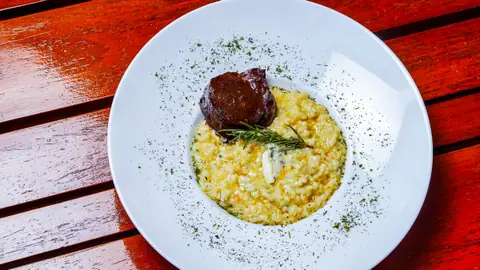
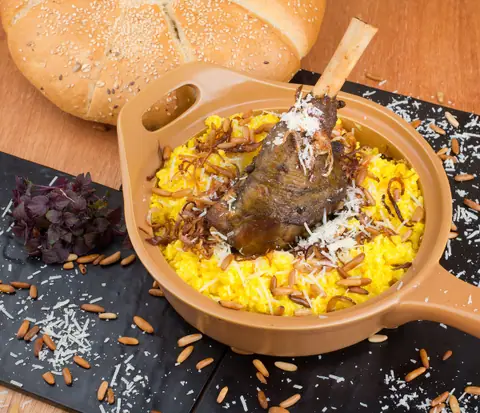
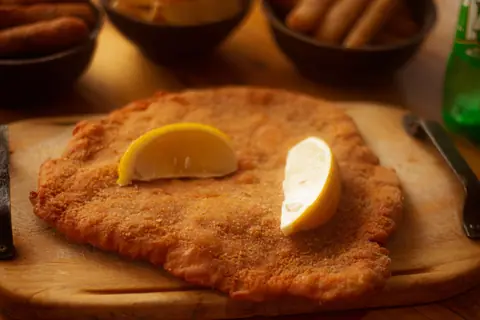
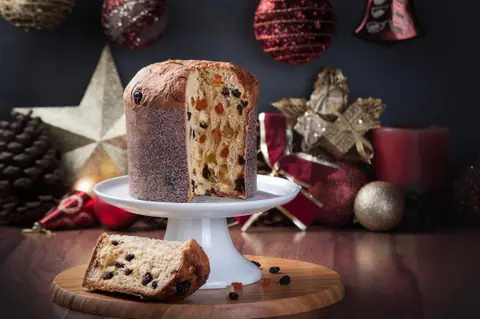
Food is part of the city’s identity. Risotto alla Milanese gets its golden colour from saffron; cotoletta is a crisp, substantial veal cutlet; ossobuco is slow-cooked shank often served with risotto. Panettone began here and is closely associated with winter celebrations, although bakeries sell versions throughout the year. Milan is also an international city, so neighbourhoods such as Sarpi, Porta Venezia and NoLo broaden the table well beyond regional classics.
Plan around geography rather than trying to cross town repeatedly. The centre, Brera and Sforza Castle form one cluster. Santa Maria delle Grazie and the Last Supper belong together. Navigli and Darsena suit an evening, while Porta Venezia, Isola and CityLife each make a rewarding half-day. Milan’s public transport helps connect these areas, and the city is also a useful base for rail trips into Lombardy. A clear plan leaves room for the unhurried pauses that make the city feel lived in.
Getting there
Milan is served by three airports. Linate, the closest, is linked to the centre by metro line M4 in a short ride to San Babila. Malpensa, the main international airport, has the Malpensa Express train to Cadorna and Centrale, plus coaches to Centrale. Bergamo Orio al Serio, used by many low-cost airlines, is connected to Milano Centrale by frequent coaches. We choose the transfer according to where we are staying, as our airports and arrival guide explains.
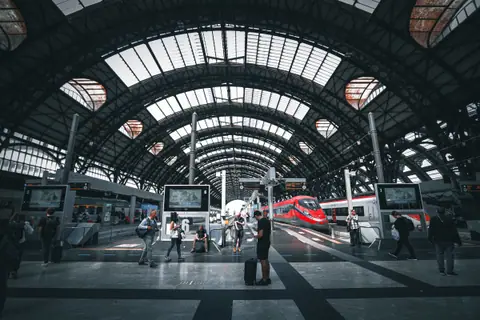
High-speed trains from Rome, Florence, Venice, Turin and Switzerland arrive at Milano Centrale or Porta Garibaldi, and regional trains for Lake Como, Bergamo and Pavia leave from Centrale, Garibaldi and Cadorna. In the city, five metro lines, trams and buses cover every district, and a contactless bank card works at the metro gates and on board. The historic centre is compact, so we walk between the Duomo, Brera and the castle and keep the metro for longer crossings.
Where to stay
We choose a base by the kind of evenings we want. Centro Storico keeps the Duomo and the main shopping streets on the doorstep, though it is busy by day. Brera has an intimate scale, with restaurants and galleries among its lanes. Porta Venezia suits visitors who want varied food, Liberty architecture and the public gardens. The Navigli offer canal-side life after dark, though rooms on the busiest streets can be noisy. Porta Nuova and Isola mix contemporary architecture with strong rail and metro connections.
A hotel within a few minutes of a metro station makes every part of the city easy to reach. During fashion weeks and Design Week, rooms fill quickly across Milan, so we book well ahead for those dates.
Things to do
Build a first visit around the Duomo, Galleria Vittorio Emanuele II, La Scala and Brera. Add Castello Sforzesco and Parco Sempione for a longer walk, then cross towards Santa Maria delle Grazie for Leonardo’s mural. The Brera guide helps make room for the art gallery and quieter streets, while the Navigli guide is useful for planning an evening by the canals.
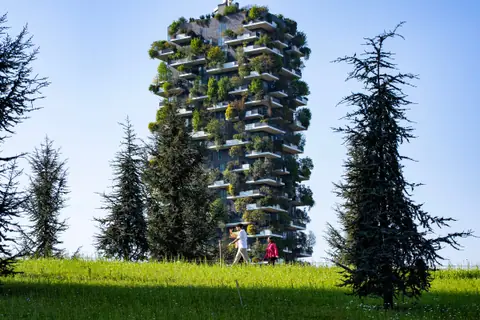
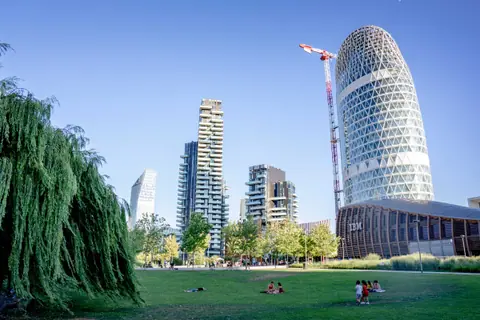
For modern Milan, explore Porta Nuova and Isola, or head west to CityLife. Museums range from the Museo del Novecento to the National Museum of Science and Technology. The right choice depends on whether you want painting, design, architecture or a family-friendly indoor stop.
Food and drink
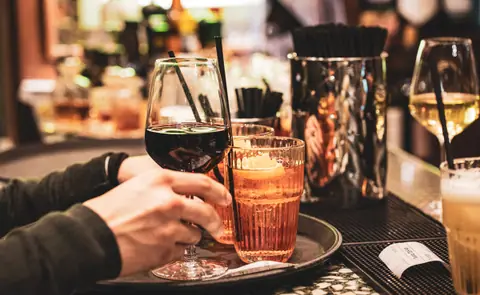
Look for risotto alla Milanese, cotoletta alla Milanese, ossobuco and mondeghili on menus. These dishes are rich and rooted in northern Italian cooking, so a shared starter or a lighter lunch can make the day more comfortable. Aperitivo is a social pause before dinner, not a fixed meal format; what is served varies by venue. In the colder months, cassoeula appears on traditional menus. For something sweet, try panettone from a bakery rather than treating it only as a packaged souvenir.
Milan’s food scene is much broader than its regional dishes. Porta Venezia, Sarpi and NoLo offer excellent places to explore international cooking. Markets and bakeries work well for a quick daytime meal, while reservations help for popular restaurants and event periods.
Culture
Milan’s cultural life moves between church, court, workshop and modern institution. Leonardo’s Last Supper remains in the refectory of Santa Maria delle Grazie, while the Pinacoteca di Brera presents Italian painting in a historic palazzo. La Scala connects the city with opera, and the Museo del Novecento traces modern art in a building facing the Duomo. Castello Sforzesco holds collections across several museum rooms, with courtyards that make the site legible even to visitors who do not enter every gallery.
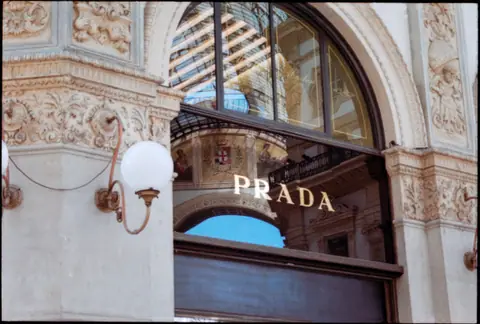
Design is equally central to the city’s present identity. Triennale Milano, Fondazione Prada and the architecture of Porta Nuova show different sides of contemporary Milan. Churches and civic buildings are active places, so dress respectfully, observe posted photography rules and keep voices low during services.
Weather by month
Milano is warmest in July, with average highs around 30°C, and coldest in January, when nights drop to about -1°C. May is the wettest month, with rain on about 16 days. For mild weather with fewer rainy days, aim for April and September.
| Month | Low | Range | High | Rain | Rainy days |
|---|---|---|---|---|---|
| Jan | -1°C | 8°C | 49 mm | 6 d | |
| Feb | 2°C | 11°C | 81 mm | 8 d | |
| Mar | 4°C | 14°C | 76 mm | 9 d | |
| Apr | 8°C | 18°C | 88 mm | 9 d | |
| May | 13°C | 22°C | 164 mm | 16 d | |
| Jun | 18°C | 27°C | 115 mm | 11 d | |
| Jul | 20°C | 30°C | 100 mm | 12 d | |
| Aug | 20°C | 29°C | 106 mm | 10 d | |
| Sep | 16°C | 24°C | 122 mm | 10 d | |
| Oct | 11°C | 19°C | 142 mm | 11 d | |
| Nov | 5°C | 12°C | 111 mm | 11 d | |
| Dec | 1°C | 8°C | 64 mm | 7 d |
Averages of daily values from 2015 to 2024. Rainy days are days with at least 1 mm of rain. Source: Open-Meteo · Compare destinations by month.
Milano on the map
Every place we cover in Milano. Tap a category or pin to explore.
In-depth Milano guides
Browse the guides grouped by topic: sights, neighbourhoods, food, transport, day trips and trip planning.
Sights, Landmarks & Parks
Key monuments, viewpoints, museums and nature trails.
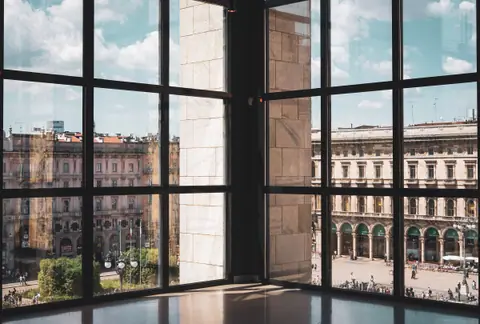
- Milan Cathedral and RooftopsHow to explore the cathedral, its rooftop and the heart of Milan.
- Leonardo’s Last SupperHow to plan the limited visit to Leonardo’s mural.
- Galleria Vittorio Emanuele IIHow to read the architecture and make a short visit to the Galleria.
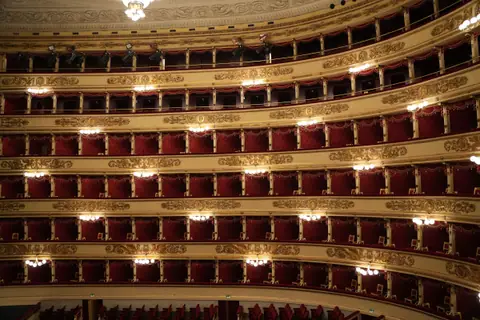
- Teatro alla ScalaA practical introduction to Milan’s opera theatre and museum.
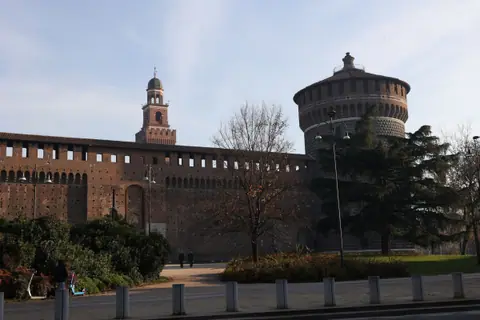
- Sforza CastleHow to experience the castle and its collections at a comfortable pace.
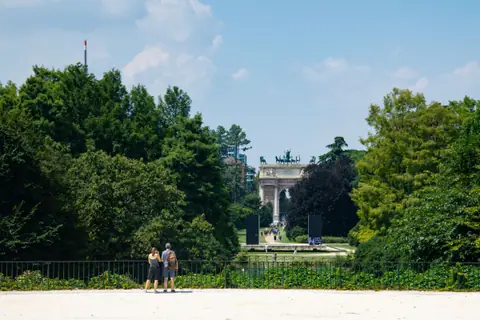
- Parco SempioneA green route between the castle and Milan’s western centre.
- Pinacoteca AmbrosianaPlan an art visit that pairs a major collection with the historic centre.
- Museo del NovecentoA considered visit to Milan’s modern art museum beside the Duomo.
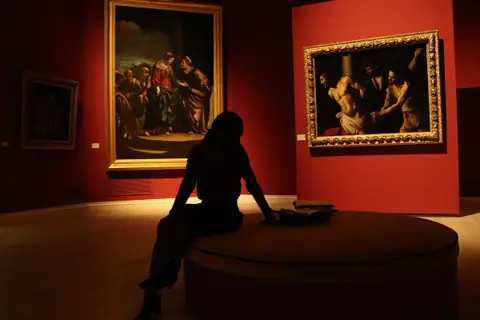
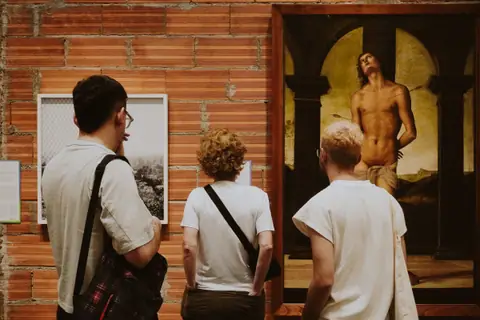
- Pinacoteca di BreraHow to approach Brera’s major painting collection and its setting.
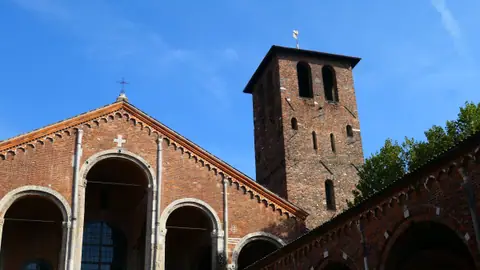
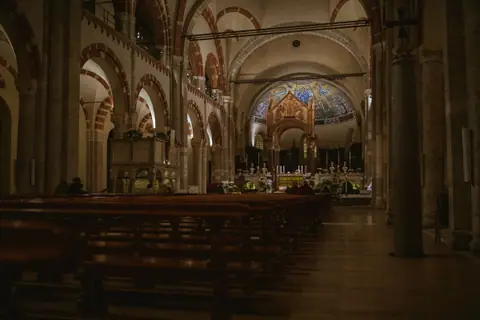
- Basilica of Sant’AmbrogioA thoughtful visit to one of Milan’s oldest churches.
- San Maurizio al Monastero MaggioreA visitor’s introduction to the frescoed interior of San Maurizio.
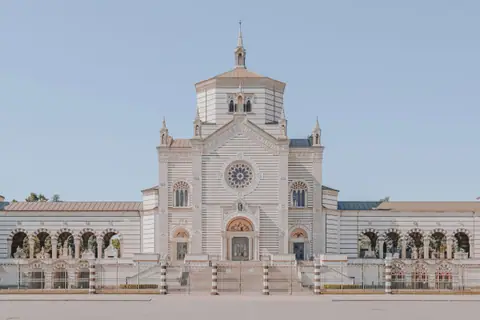
- Monumental CemeteryA respectful walking visit to Milan’s monumental cemetery.
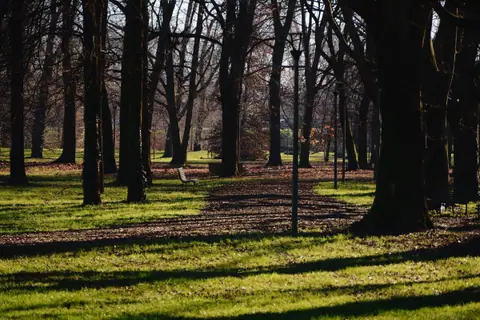
- Parks and Gardens in MilanPlan a restorative outdoor break in Milan’s gardens and public parks.
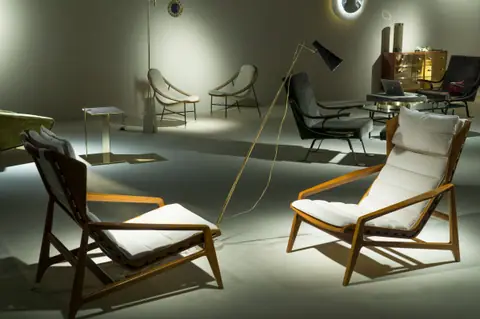
- Triennale MilanoExplore Milan’s design institution and its setting in Parco Sempione.
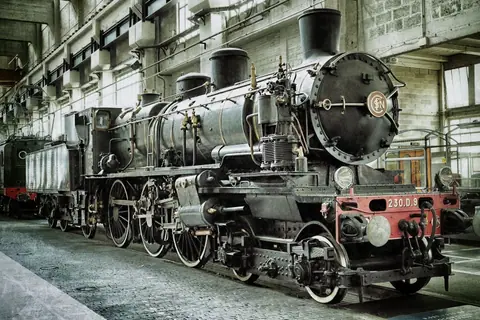
- National Museum of Science and TechnologyA practical introduction to Milan’s large science and technology museum.
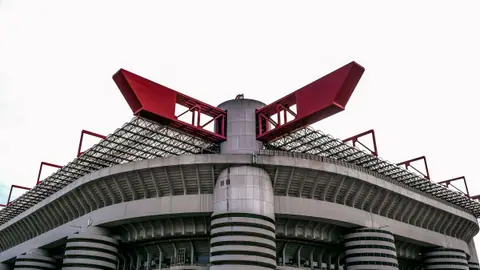
- San Siro StadiumPlan a stadium visit around current tours, events and transport notices.
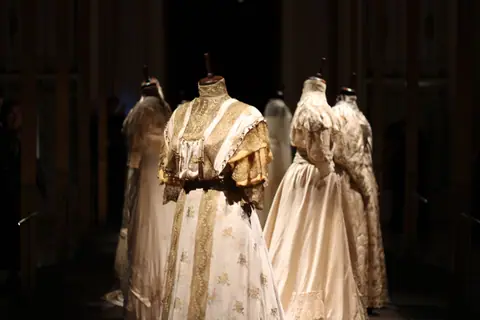
- Fashion Museums in MilanPlan a fashion-focused museum visit in Milan’s design capital.
Neighbourhoods & Where to Stay
Districts, historic quarters and the best bases for your stay.
- Brera DistrictA local-paced walk through Brera’s art and streets.
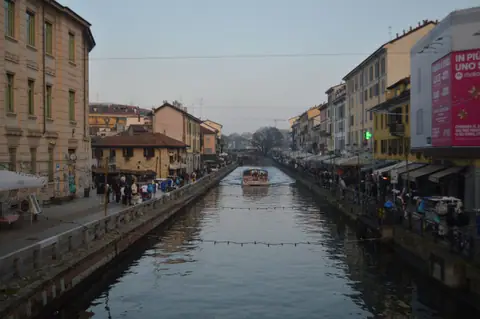
- Navigli and DarsenaA relaxed route beside Milan’s historic canals.
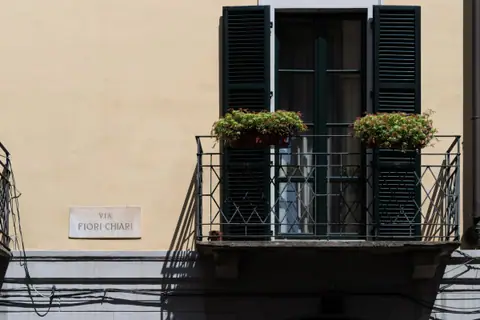
- Porta VeneziaA neighbourhood walk through Porta Venezia’s architecture and daily life.
- Quadrilatero della ModaA considered route through Milan’s renowned luxury fashion quarter.
- Sarpi and Milan ChinatownA neighbourhood visit through Sarpi’s food, shops and street life.
- Porta RomanaA neighbourhood walk through Porta Romana’s local character.
- Isola and Porta NuovaA route connecting Isola’s local streets with Porta Nuova’s skyline.
- CityLifeA visitor’s route through CityLife’s architecture and public spaces.
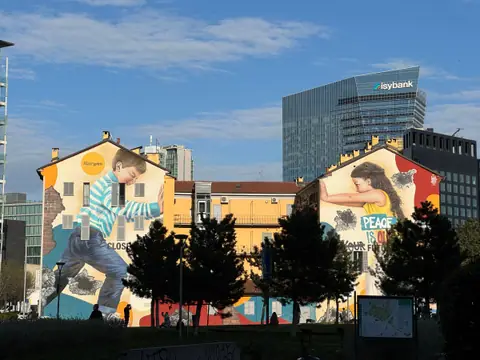
- NoLoA neighbourhood walk through the creative streets north of Loreto.
Food & Drink
Local dishes, markets, cafés and dining districts.
Getting Around & Arrival
Airport transfers, public transit, passes and driving rules.
Day Trips & Excursions
Easy half-day and full-day trips from the city.
Trip Planning & Itineraries
When to visit, what to pack and day-by-day routes.
- Shopping in MilanChoose the right Milan shopping district for your style and time.
- Milan City Centre WalkA flexible walking route through Milan’s most recognisable central sights.
- Aperitivo in MilanA practical introduction to Milan’s sociable pre-dinner ritual.
- Risotto alla MilaneseA close look at Milan’s saffron risotto and how to enjoy it.
- Cotoletta and OssobucoA guide to two defining Milanese main courses.
- Panettone in MilanA seasonal food guide to Milan’s most famous sweet bread.
- Three Days in MilanA flexible three-day plan for Milan’s landmark sights and neighbourhoods.
Need your embassy or consulate in Italy? See embassies and consulates in Italy.
Reviews
Log in to write a review.
No reviews yet.