Kampala
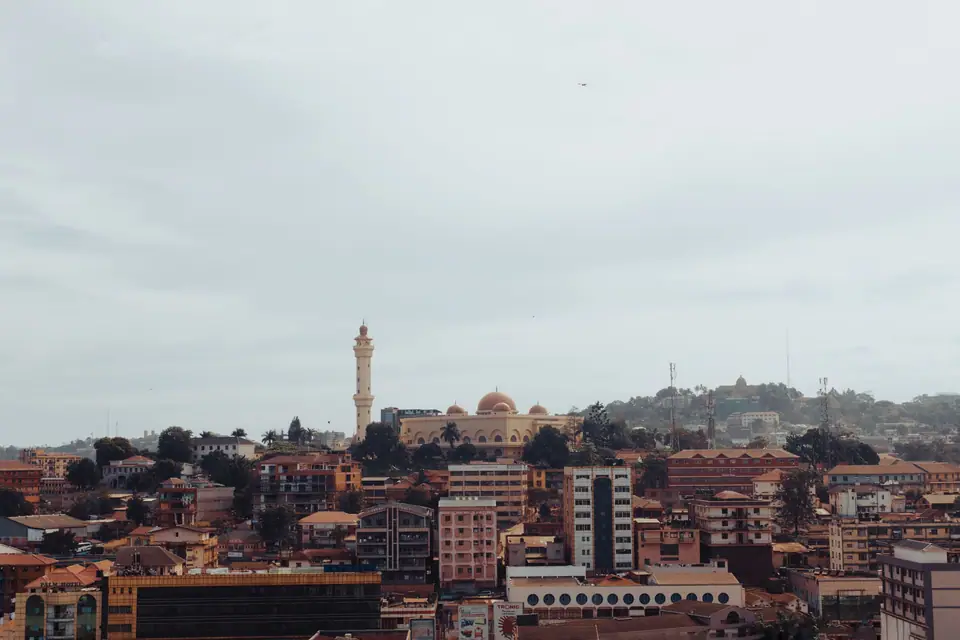
Uganda's hillside capital rising above Lake Victoria: the thatched UNESCO Kasubi Royal Tombs, Mengo Palace, the minaret of Old Kampala Mosque and sizzling roadside rolex stalls.
Quick decisions
How many days?
3 days: Old Kampala National Mosque, Nakasero Market and Kololo on day one, Buganda Kingdom sights at Kasubi Tombs and Mengo Palace on day two, plus Lake Victoria at Munyonyo or Ggaba and an evening at Ndere Cultural Centre on day three. Follow our three-day route.
Where should I stay?
Kololo and Nakasero: leafy central hills with top restaurants and cafés. Bugolobi and Muyenga: breezy southeastern ridges overlooking the lake. Munyonyo: resort grounds right on Lake Victoria. Compare areas in our neighbourhood breakdown.
Do I need a car?
Use ride-hailing apps or a hired driver. Central Kampala traffic is dense; Uber, Bolt and regulated SafeBoda motorbike taxis handle hillside hops faster than self-driving, while a private car suits Lake Victoria or Mabamba Swamp excursions.
Best for
Living royal heritage: the Buganda Kingdom palaces, parliament and thatched royal mausoleums. Food and music: griddled chapati rolex wraps, banana-leaf luwombo stews and traditional East African dance.
Before you go
Carry a Yellow Fever certificate and plan around rush hour: Uganda requires proof of Yellow Fever vaccination on arrival at Entebbe, and crossing between hills is much quicker mid-morning. Read our practical briefing.
Getting around
From Entebbe International Airport (EBB): the four-lane Entebbe-Kampala Expressway links the lakeside airport to central Kampala in about 45 to 60 minutes. Details in arrival and transport.
Continue your trip
Kampala is the springboard for Jinja and the Source of the White Nile to the east, Murchison Falls National Park to the north-west, and Queen Elizabeth and Bwindi Impenetrable national parks in western Uganda.
Overview
Built across a cluster of rolling green hills just north of Lake Victoria, Kampala is one of East Africa's warmest, most energetic capitals. Historically founded across seven hills, each crowned by a seat of faith, learning or royalty, the city has expanded across more than twenty ridges where marabou storks roost in giant fig trees, hillside cafés pour Ugandan arabica and rolex griddles sizzle on every corner. Start with the royal heart of the Buganda Kingdom in our Kasubi Tombs and Mengo hill overview.
From the top of the minaret at the Uganda National Mosque on Old Kampala Hill, you can trace the entire amphitheatre of hills down to the bays of Lake Victoria at Ggaba and Munyonyo. Pair our first-timer tips with our street food, Nakasero Market and Ndere Cultural Centre overview.
Getting there
International flights land on a peninsula in Lake Victoria at Entebbe International Airport (EBB), connected to Kampala by the modern four-lane Entebbe-Kampala Expressway in roughly 45 to 60 minutes outside peak commuter hours. Inside the city, visitors rely on ride-hailing cars, private drivers and orange-helmeted SafeBoda riders. See how to get to Kampala and move around.
Where to stay
Leafy central Kololo and upper Nakasero offer the easiest walkability to speciality coffee shops, embassies and garden restaurants, whereas Muyenga (Tank Hill) and Munyonyo trade central proximity for breezes off Lake Victoria. Compare the top hills in where to stay in Kampala.
Things to do
Climb the minaret of the Uganda National Mosque (Gaddafi Mosque) and cruise Lake Victoria, explore the thatched UNESCO Kasubi Royal Tombs, Mengo Palace and the Royal Mile, and spend an evening enjoying traditional drumming at Ndere Cultural Centre after tasting a roadside rolex. Browse our top ten in things to do in Kampala.
Food and drink
Kampala's signature street snack is the rolex (from "rolled eggs"), a freshly griddled chapati wrapped around an omelette laced with cabbage, tomatoes and onions, while sit-down meals celebrate luwombo (chicken, beef or groundnut sauce steamed inside scorched banana leaves), mashed green matooke and whole crispy Nile tilapia from Lake Victoria. Read more in our Kampala food and culture overview.
Culture
Kampala takes its name from Kasozi K'Empala ("Hill of the Impala"), the hunting ground of the Kabaka (King) of Buganda before Captain Frederick Lugard established a fort on Old Kampala Hill in 1890. Today, the constitutional Kingdom of Buganda remains a living pillar of identity alongside communities from every corner of Uganda.
Weather by month
Kampala is warmest in February, with average highs around 29°C, and coldest in July, when nights drop to about 17°C. April is the wettest month, with rain on about 16 days. For mild weather with fewer rainy days, aim for June and July.
| Month | Low | Range | High | Rain | Rainy days |
|---|---|---|---|---|---|
| Jan | 18°C | 29°C | 55 mm | 6 d | |
| Feb | 18°C | 29°C | 65 mm | 7 d | |
| Mar | 18°C | 28°C | 130 mm | 12 d | |
| Apr | 18°C | 27°C | 175 mm | 16 d | |
| May | 18°C | 27°C | 135 mm | 14 d | |
| Jun | 17°C | 26°C | 65 mm | 7 d | |
| Jul | 17°C | 26°C | 55 mm | 6 d | |
| Aug | 17°C | 27°C | 85 mm | 9 d | |
| Sep | 17°C | 28°C | 110 mm | 12 d | |
| Oct | 17°C | 28°C | 140 mm | 15 d | |
| Nov | 17°C | 27°C | 145 mm | 15 d | |
| Dec | 18°C | 28°C | 80 mm | 9 d |
Averages of daily values from 2015 to 2024. Rainy days are days with at least 1 mm of rain. Source: Open-Meteo · Compare destinations by month.
Kampala on the map
Every place we cover in Kampala. Tap a category or pin to explore.
In-depth Kampala guides
Browse the guides grouped by topic: sights, neighbourhoods, food, transport, day trips and trip planning.
Sights, Landmarks & Parks
Key monuments, viewpoints, museums and nature trails.
- Best Things to Do in KampalaPanoramic minaret views, Buganda royal palaces, thatched UNESCO mausoleums, Lake Victoria bays and dance.
- Kasubi Royal Tombs, Mengo Palace and Buganda HeritageVisiting the UNESCO Kasubi Royal Tombs, walking the Royal Mile to Mengo Palace and exploring Buganda heritage.
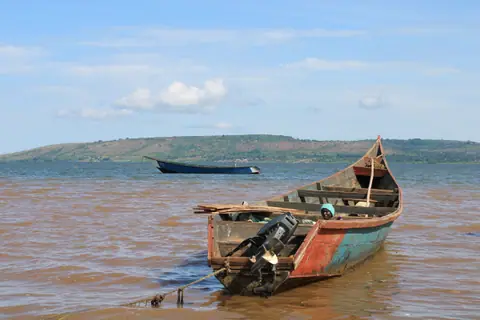
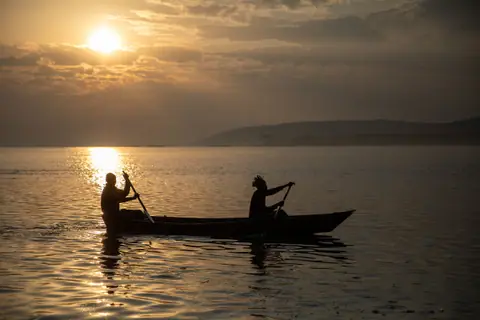
- Old Kampala National Mosque and the Lake Victoria Shore360-degree views from the Old Kampala Mosque minaret, plus Lake Victoria boat cruises and grilled tilapia.
Neighbourhoods & Where to Stay
Districts, historic quarters and the best bases for your stay.
Food & Drink
Local dishes, markets, cafés and dining districts.
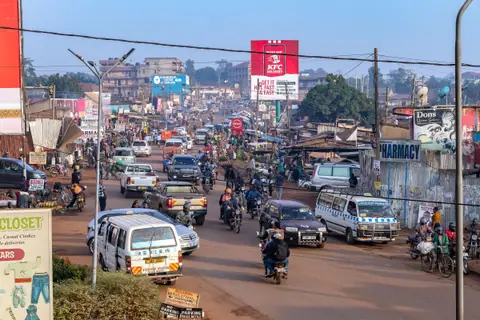
Getting Around & Arrival
Airport transfers, public transit, passes and driving rules.
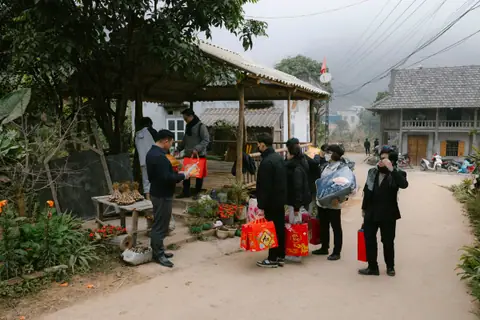
Trip Planning & Itineraries
When to visit, what to pack and day-by-day routes.
- Kampala: What to Know Before You GoUnderstanding Kampala's hill-and-valley geography, traffic timing, entry rules and payments.
- Best Time to Visit KampalaEquatorial highland warmth tempered by Lake Victoria breezes, plus the June-August and Dec-Feb dry seasons.
- What to Wear in KampalaBreathable tropical fabrics, respectful dress for royal Buganda sites and mosques, and closed walking shoes.
- Kampala 3-Day Itinerary: Royal Hills, Minarets and Lake VictoriaThree days grouped by hill and valley covering Old Kampala, the Buganda Kingdom and Lake Victoria.

Need your embassy or consulate in Uganda? See embassies and consulates in Uganda.
Reviews
Log in to write a review.
No reviews yet.