


























Best Time to Visit Manaus: High Water vs River Beach Season Explained
Find the best time to visit Manaus, Brazil using official 1991-2020 climate normals and the Rio Negro water-level calendar for flooded forests and beaches.
Lying just three degrees south of the Equator at 92 metres above sea level, Manaus experiences a warm, humid tropical monsoon climate (Köppen Am) where daytime highs hover between 30.8°C and 33.9°C and nighttime lows stay near 23.5°C to 24.2°C every month of the year. Because temperatures barely fluctuate, choosing the best time to visit depends entirely on whether you prefer paddling through flooded treetop forests or relaxing on exposed white-sand river beaches.
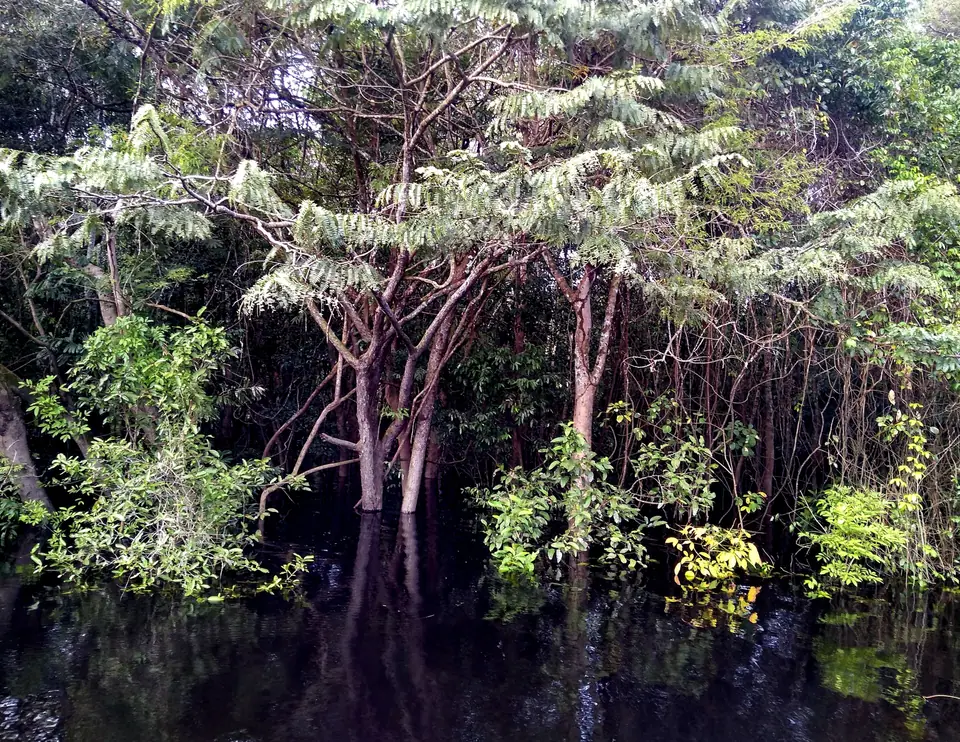
May to July: The High-Water Crest (Cheia) and Opera Season
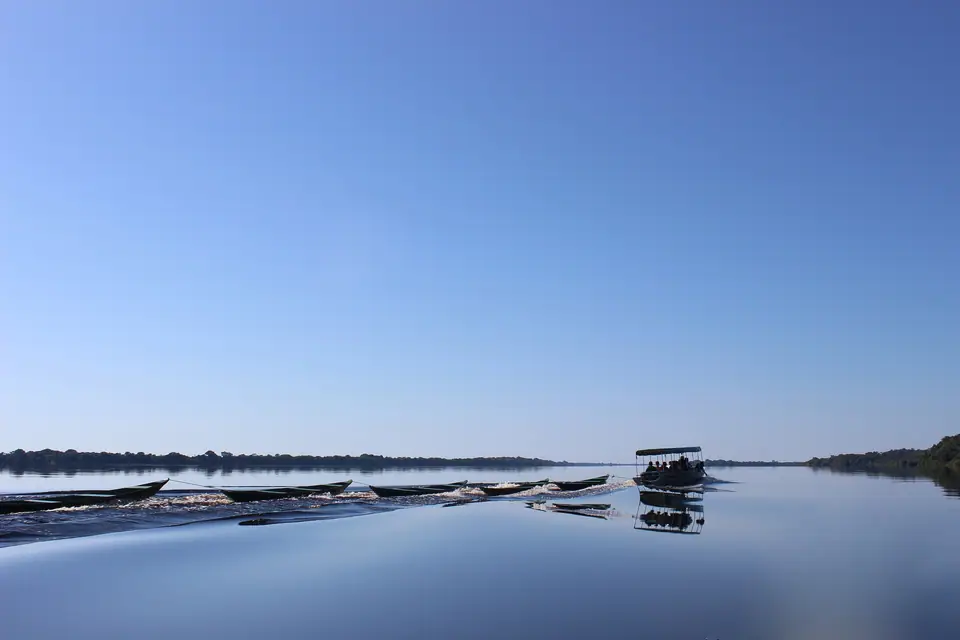
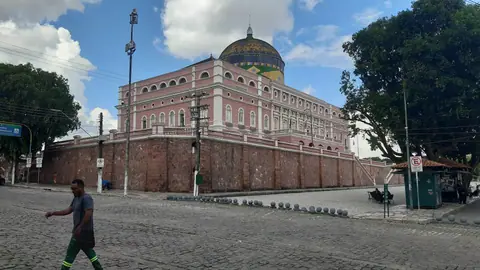
Although rainfall begins tapering off in May (272 mm) and June (124 mm) before dropping sharply in July (77 mm across just 8 rain days), the immense drainage basin of the upper Rio Negro reaches its annual high-water peak in June. Water levels at the Porto de Manaus gauge stand up to 14 metres higher than in October, submerging thousands of hectares of floodplain woodland into navigable igapó channels. Boat excursions in Anavilhanas National Park and Janauari weave silently among orchids and canopy branches at eye level, while the sandstone waterfalls of Presidente Figueiredo thunder at full volume. Cultural life also peaks in late April and May during the renowned Festival Amazonas de Ópera inside Teatro Amazonas, followed in late June by the Boi-Bumbá folklore festival in nearby Parintins.
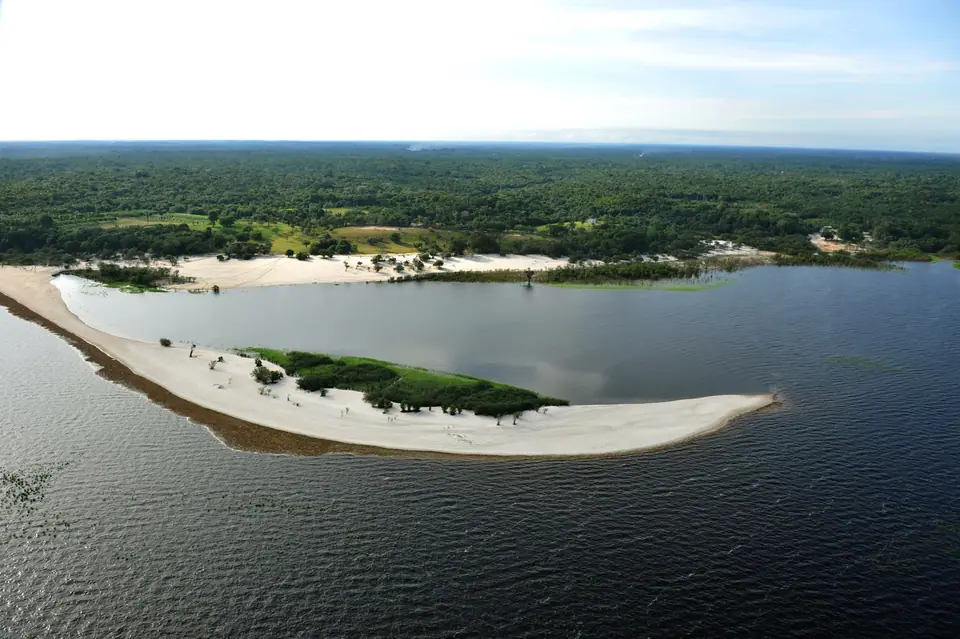
August to November: The Sunny Beach Season (Vazante)
August (56 mm of rain across 6 days) and September (70 mm across 7 days) are the driest, sunniest months of the year, with afternoon highs reaching 33.4°C to 33.9°C. As the river recedes rapidly between August and November, brilliant white quartz sandbars emerge along the Rio Negro, turning Praia da Lua, Praia do Tupé, and the Anavilhanas islands into lively freshwater beach escapes. Low water also concentrates caimans, peacock bass, and pink river dolphins into narrower channels, making wildlife spotting along riverbanks especially rewarding.
From December to April, afternoon tropical downpours return (peaking at 335 mm in March and 319 mm in April), cooling the forest floor and filling the streams around MUSA with flowering heliconias and active poison-dart frogs.
Traveller tips
Real advice from people who have been to Best Time to Visit Manaus: High Water vs River Beach Season Explained. Every tip is read by our team before it goes live.
No tips yet. Been here? Yours could be the first.
Thank you! Your tip will appear here after a quick review.
More in Manaus
Continue exploring Manaus with related neighbourhood, food, and planning guides
Manaus 3-Day Itinerary: Belle Époque Heritage, Two Rivers & Rainforest Canopy
Manaus, Brazil

What to Eat in Manaus: Tacacá, Tambaqui Ribs, Pirarucu & Amazonian Fruits
Manaus, Brazil
Teatro Amazonas & Largo de São Sebastião Guide: Manaus's Belle Époque Heart
Manaus, Brazil
Encontro das Águas & Janauari Ecological Park: Where Two Rivers Form the Amazon
Manaus, Brazil
