


























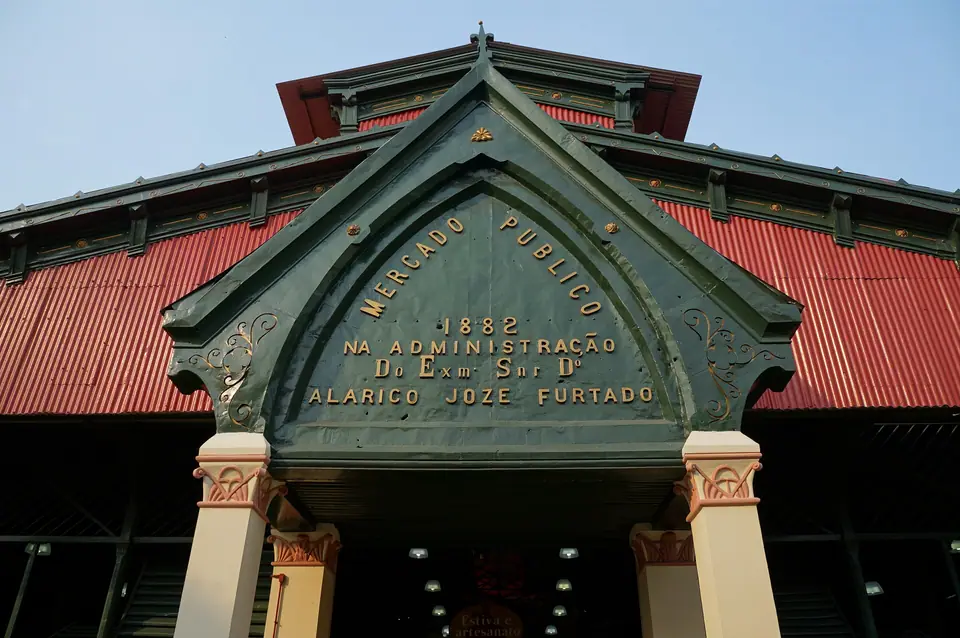
Mercado Adolpho Lisboa & Porto de Manaus: Cast-Iron Pavilions & Floating Docks
Explore Mercado Municipal Adolpho Lisboa and the 1902 floating Porto de Manaus: 19th-century Scottish iron architecture, Amazonian herbs, and riverboats.
Along the historic riverfront of downtown Manaus, just ten minutes down the hill from Teatro Amazonas, the city's relationship with the Rio Negro comes into vivid focus. Here, nineteenth-century European cast-iron engineering meets the everyday commerce of the Amazon basin at two adjoining national heritage landmarks: the 1883 Mercado Municipal Adolpho Lisboa and the 1902 floating steel port of Porto de Manaus.
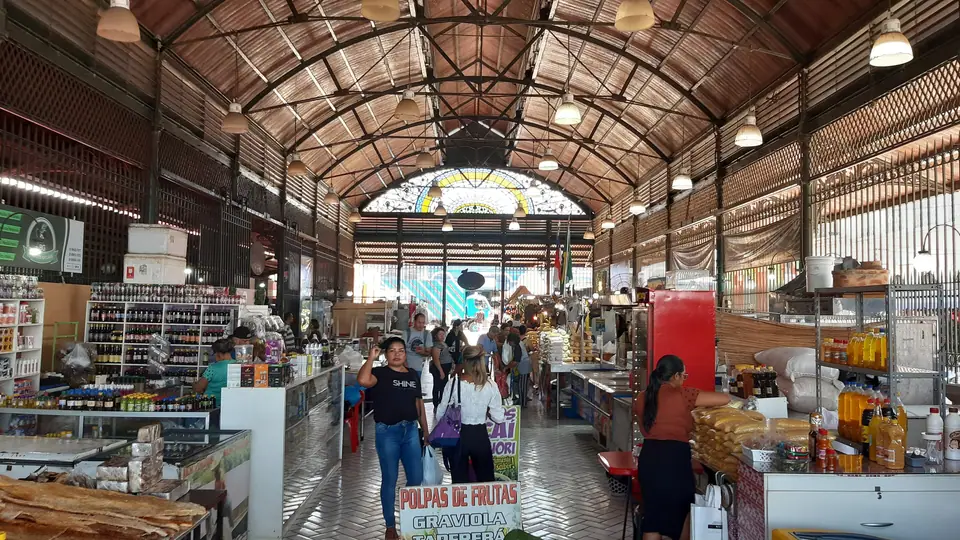
1. Mercado Municipal Adolpho Lisboa (1883)
Inaugurated on 15 July 1883 at the dawn of the Rubber Boom and named after the mayor who oversaw its completion, the municipal market was inspired by Paris's Les Halles and built using prefabricated cast-iron arches and columns forged in Glasgow (Walter MacFarlane's Saracen Foundry) and Belgium. Restored by IPHAN and reopened in 2013, the complex comprises a central masonry-and-iron hall flanked by airy riverside pavilions with coloured stained-glass transoms:
- The Fresh Fish Pavilion: Facing the Rio Negro, marble counters display Amazonian giants including two-metre pirarucu, silver tambaqui, striped surubim catfish, and peacock bass unloaded directly from dawn fishing boats.
- Medicinal Roots, Oils, and Spices: Interior stalls are lined with bottles of golden tucupi and fiery cumari chilli peppers alongside copaíba resin oil, andiroba seed oil, powdered guaraná sticks, and fragrant bundles of priprioca.
- Indigenous Basketry and Crafts: Artisans sell hand-woven arumã-fibre baskets, carved rosewood spoons, and seed necklaces from communities along the upper Rio Negro and Solimões.
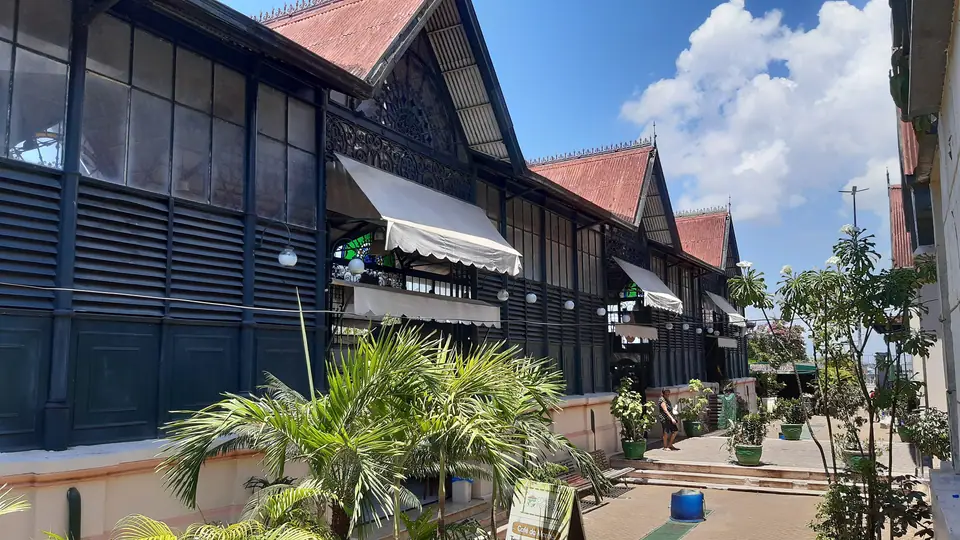
2. The 1902 Floating Piers of Porto de Manaus
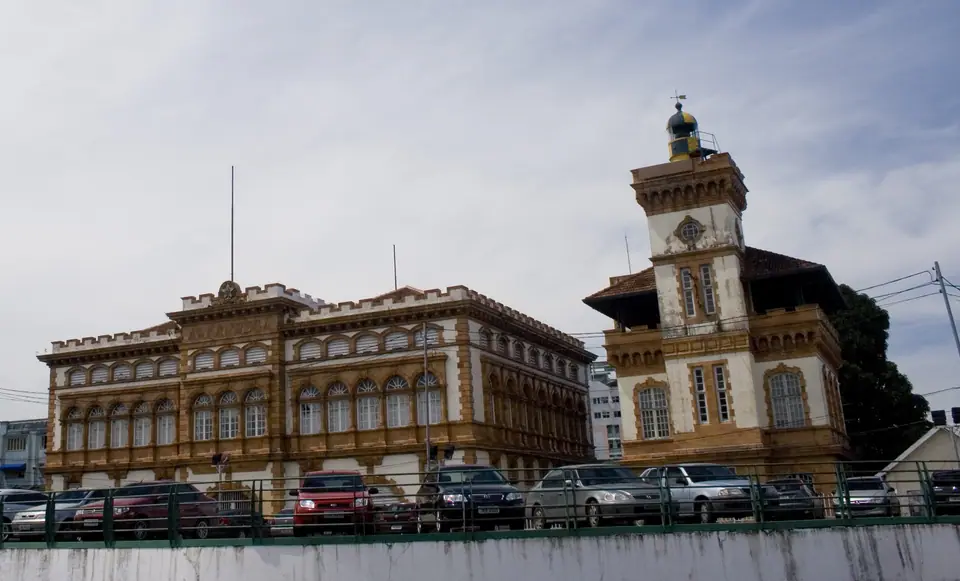
Immediately west of the market stands the yellow customs warehouse and iron latticework of Porto de Manaus. Because the Rio Negro rises and falls by 14 to 15 metres between the June flood crest and the October dry-season trough, fixed stone quays were impossible to use year-round. In 1902, British engineers constructed two massive floating steel pontoons, known locally as the Roadway and the Ponte Flutuante, connected to the riverbank by hinged articulated bridges and supported on giant cylindrical buoys. Walking down toward the quayside lets you watch three-deck wooden river steamers loading mountains of green bananas, cassava sacks, and passenger hammocks bound for Parintins, Santarém, and Tefé, or board a boat yourself toward the Encontro das Águas.
Traveller tips
Real advice from people who have been to Mercado Adolpho Lisboa & Porto de Manaus: Cast-Iron Pavilions & Floating Docks. Every tip is read by our team before it goes live.
No tips yet. Been here? Yours could be the first.
Thank you! Your tip will appear here after a quick review.
More in Manaus
Continue exploring Manaus with related neighbourhood, food, and planning guides
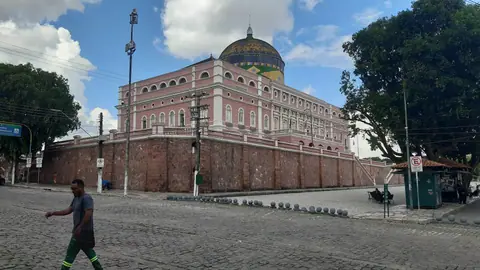
Teatro Amazonas & Largo de São Sebastião Guide: Manaus's Belle Époque Heart
Manaus, Brazil
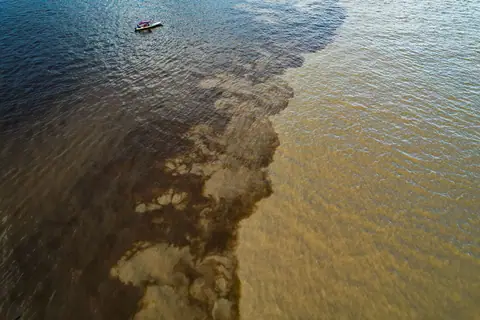
Encontro das Águas & Janauari Ecological Park: Where Two Rivers Form the Amazon
Manaus, Brazil
MUSA (Museu da Amazônia) & Adolpho Ducke Forest Reserve: 42m Above the Canopy
Manaus, Brazil
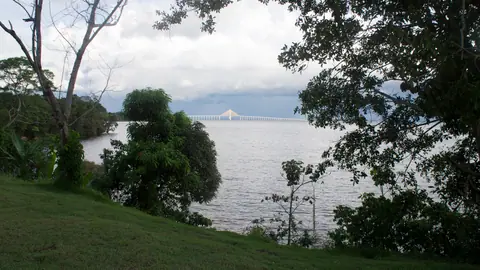
Ponta Negra, Praia da Lua & Rio Negro Beaches Guide: White Sand on Dark Waters
Manaus, Brazil
