


























Manaus: Essential Planning for the Heart of the Amazon
Plan your visit to Manaus, Brazil with our practical travel guide covering the Rubber Boom historic centre, Rio Negro boat trips, and rainforest reserves.
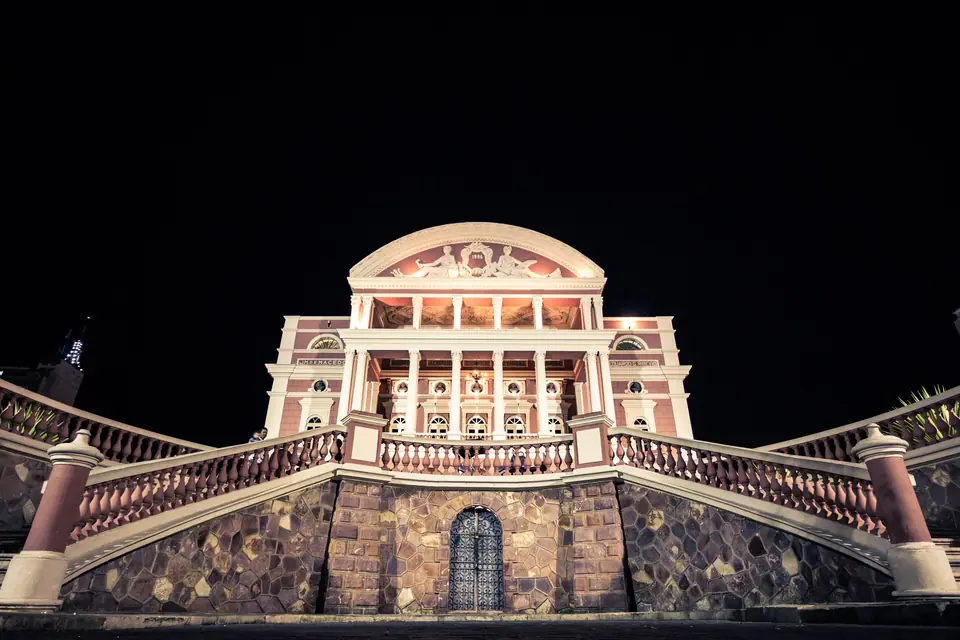
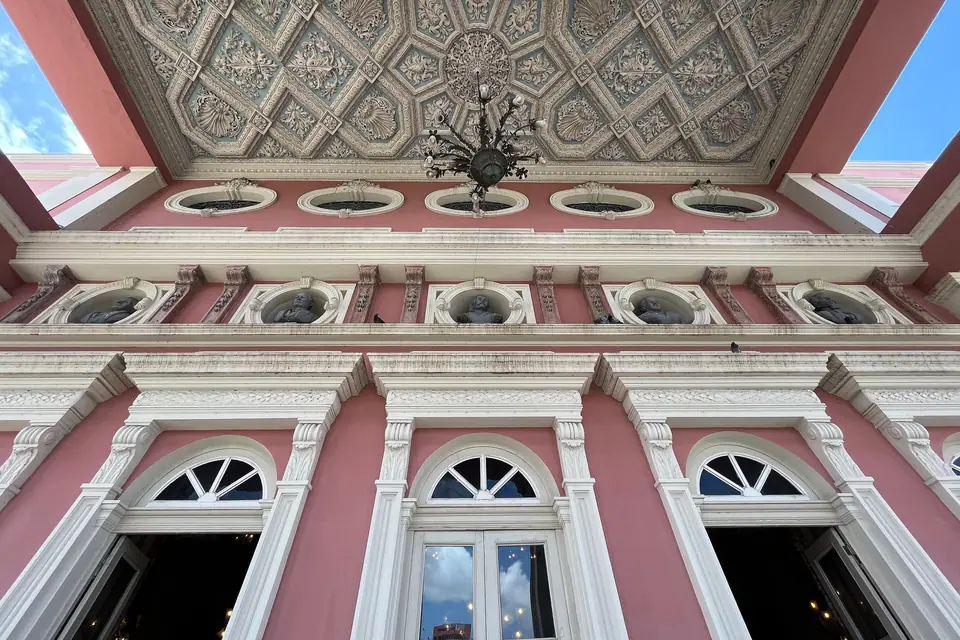
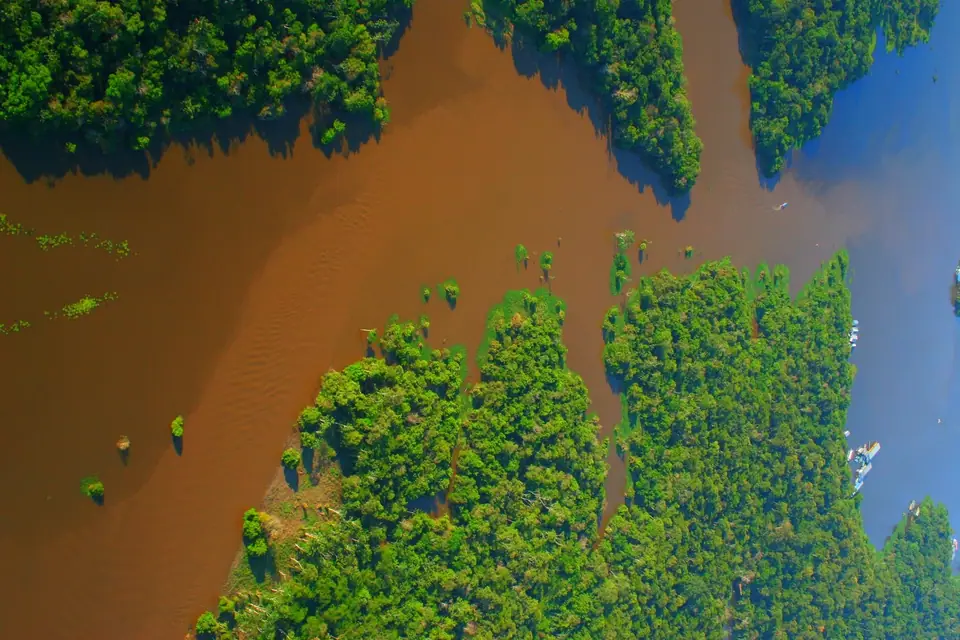
Set on the northern bank of the dark Rio Negro just above its confluence with the sandy Rio Solimões, Manaus is the cultural and logistical capital of the Brazilian Amazon. Founded by the Portuguese in 1669 as the Fort of São José da Barra do Rio Negro, the city rose to international prominence during the late nineteenth-century Rubber Boom (1879 to 1912), when monopoly exports of wild Hevea brasiliensis latex financed electric trams, cast-iron market halls from Scotland, and the 1896 Teatro Amazonas opera house. Today, home to more than two million residents, Manaus allows travellers to step from a marble-columned Belle Époque plaza straight onto a riverboat bound for flooded rainforest channels or freshwater island archipelagos.
Understanding the Two Amazon River Seasons
Unlike temperate destinations, travel around Manaus is shaped less by temperature, which stays warm between 23°C and 34°C all year, and more by the annual 14-metre rise and fall of the Rio Negro:
- High-Water Season (Cheia, May to July): Fed by upstream rains, the Rio Negro crests in June, flooding the riparian forest floor to create mystical igapó waterways where wooden canoes glide directly beneath the tree canopy.
- Low-Water Season (Vazante, August to November): As rainfall drops to its annual minimum in August and September, the receding dark river exposes kilometres of bright white quartz-sand beaches such as Praia da Lua and Praia do Tupé.
- Rainy Rising Season (December to April): Warm tropical showers nourish the primary rainforest inside MUSA and the Adolpho Ducke Forest Reserve and swell the sandstone cascades of Presidente Figueiredo.
Essential Logistics for First-Time Visitors
Most urban sightseeing clusters around Largo de São Sebastião and the riverfront docks of Mercado Municipal Adolpho Lisboa, while nature reserves sit on the northern and western fringes of the metropolis. Check our Manaus 3-day itinerary to balance historic architecture, canopy towers, and river excursions efficiently.
Traveller tips
Real advice from people who have been to Manaus: Essential Planning for the Heart of the Amazon. Every tip is read by our team before it goes live.
No tips yet. Been here? Yours could be the first.
Thank you! Your tip will appear here after a quick review.
More in Manaus
Continue exploring Manaus with related neighbourhood, food, and planning guides
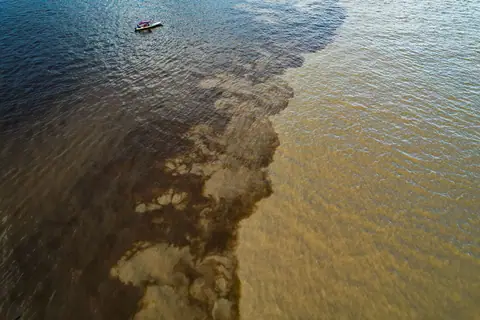
Encontro das Águas & Janauari Ecological Park: Where Two Rivers Form the Amazon
Manaus, Brazil
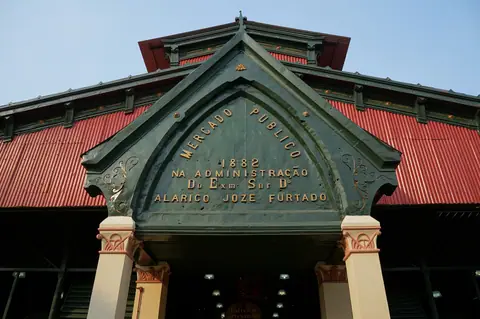
Mercado Adolpho Lisboa & Porto de Manaus: Cast-Iron Pavilions & Floating Docks
Manaus, Brazil
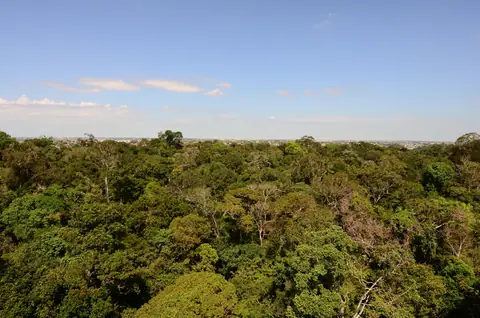
MUSA (Museu da Amazônia) & Adolpho Ducke Forest Reserve: 42m Above the Canopy
Manaus, Brazil
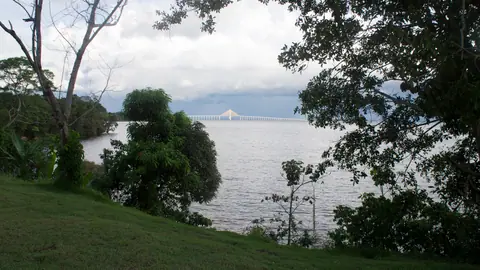
Ponta Negra, Praia da Lua & Rio Negro Beaches Guide: White Sand on Dark Waters
Manaus, Brazil
