


























INPA Bosque da Ciência & Amazonian Wildlife Guide: Manatees & Giant Otters
Visit INPA Bosque da Ciência in Manaus to see rescued Amazonian manatees, giant river otters, free-ranging monkeys, and a 600-year-old rainforest tree.
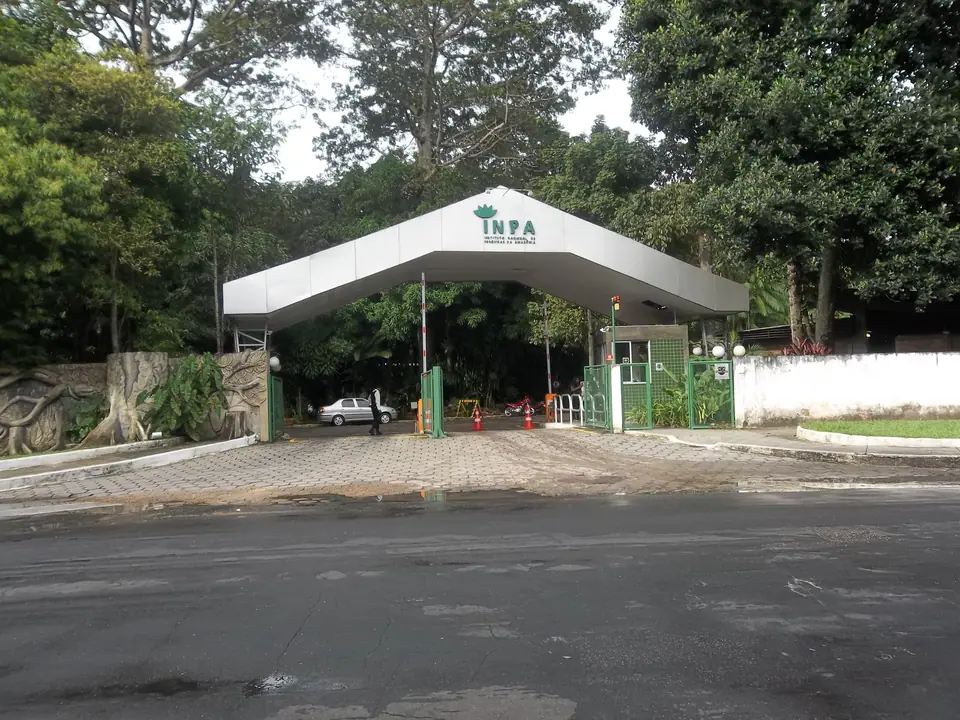
Even if you only have a free half-day in central Manaus, you can observe some of the Amazon's rarest aquatic mammals and walk beneath centuries-old forest trees without leaving the urban perimeter. Founded in 1952 and opened to the public as a 13-hectare urban science park in 1995, the Bosque da Ciência of the National Institute of Amazonian Research (INPA) in the Petrópolis/Aleixo district showcases frontline conservation work alongside shaded trails alive with free-ranging wildlife.
1. Amazonian Manatees and Giant River Otters at INPA
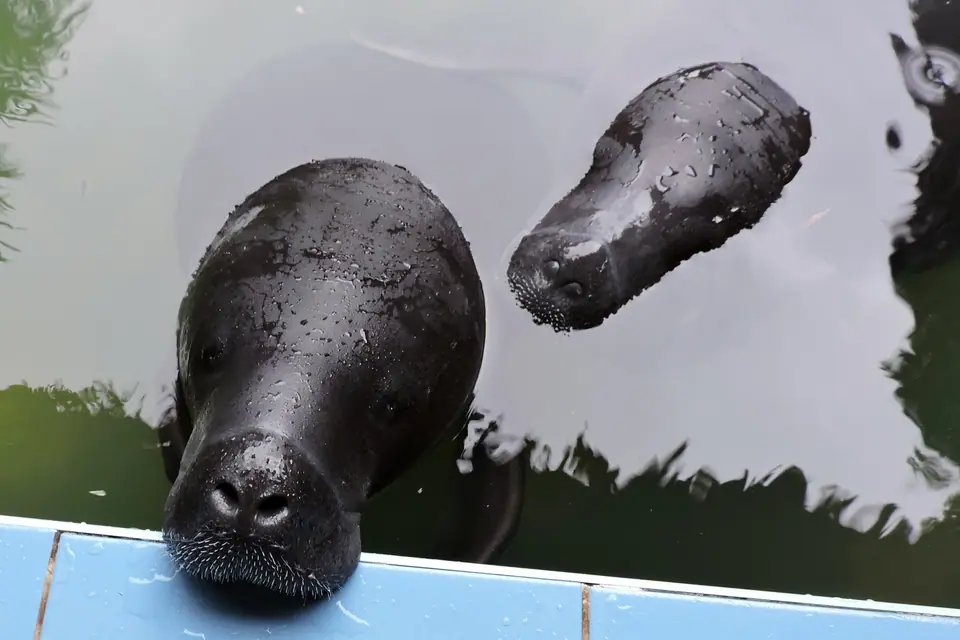
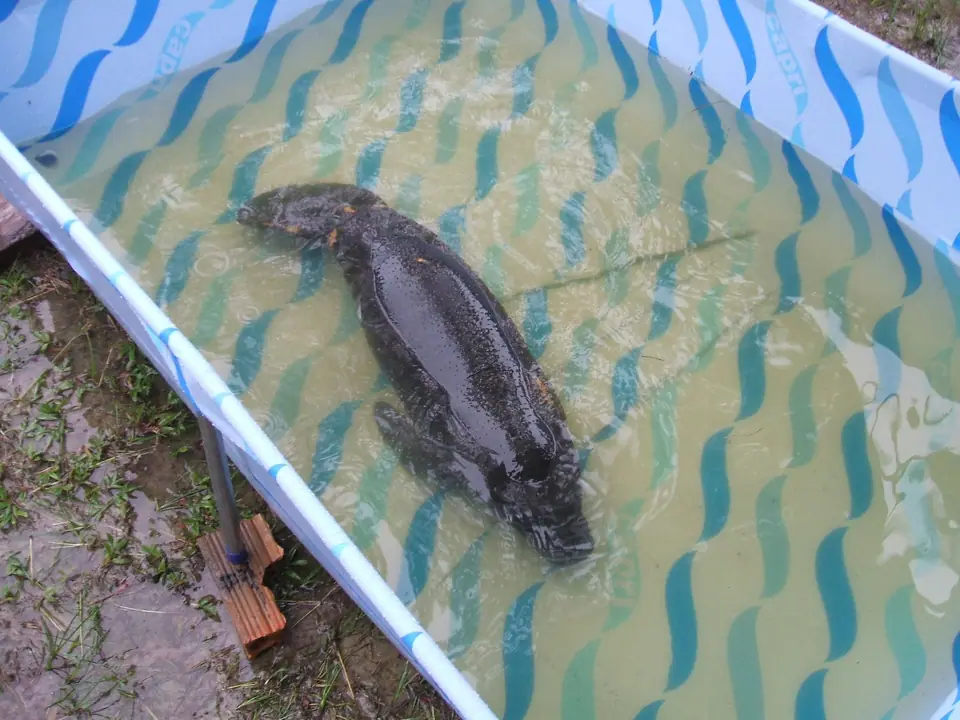
The highlight of a visit to INPA Bosque da Ciência is the Aquatic Mammals Laboratory (LMA), where researchers rescue, bottle-feed, and rehabilitate orphaned Amazonian manatees (Trichechus inunguis, known in Brazil as peixe-boi-da-amazônia), the smallest and only purely freshwater species of manatee in the world, recognisable by its smooth dark skin and white belly patch. Viewing windows and open pools allow you to watch these gentle herbivores munching on aquatic grasses before eligible individuals are released back into protected Amazonian reserves. Nearby enclosures house rehabilitated giant river otters (Pteronura brasiliensis, or ariranha), the vocal, six-foot-long apex predators of Amazonian oxbow lakes.
2. The 600-Year-Old Tanimbuca Tree and Free-Ranging Wildlife
Suspended wooden boardwalks and paved forest loops wind across the 13-hectare reserve past several ecological exhibits:
- Ilha da Tanimbuca: A wooden bridge crosses to a small forested island dominated by a colossal tanimbuca tree (Buchenavia grandis) estimated to be more than 600 years old, whose trunk rises over 30 metres into the canopy.
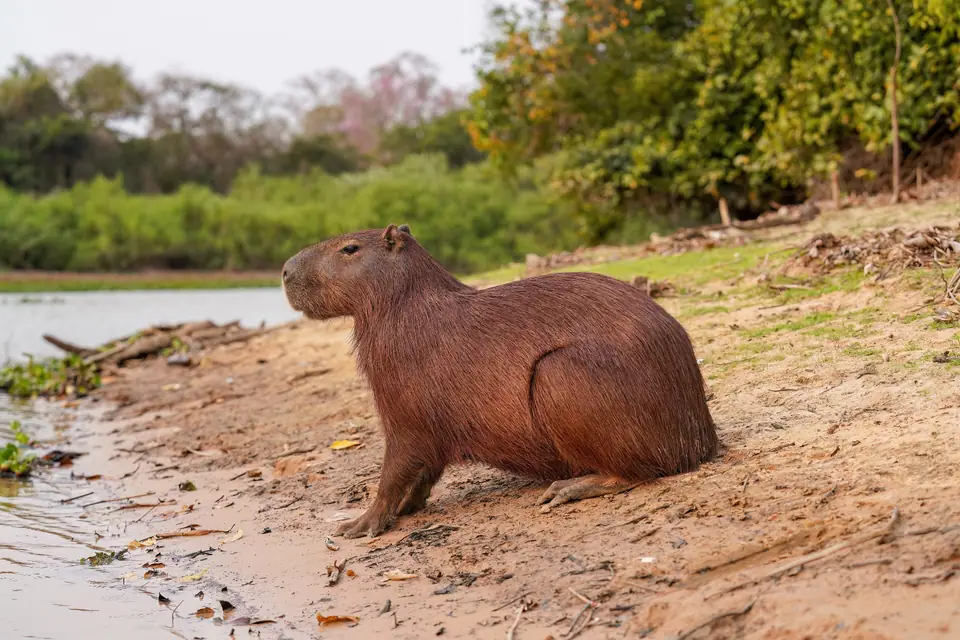
- Free-Ranging Agoutis, Sloths, and Monkeys: Red-rumped agoutis (cutias) trot openly along the leaf-littered paths, while squirrel monkeys, pied tamarins (sauim-de-coleira, an endangered primate endemic to the Manaus region), and three-toed sloths move through the branches overhead.
- Casa da Ciência and Leaf-Cutter Ant Colony: Indoor exhibition halls display giant cross-sections of Amazonian hardwoods, a living glass-walled subterranean colony of saúva leaf-cutter ants, and displays on Amazonian stingless bees. Pair a morning at INPA with an afternoon visit to MUSA or Ponta Negra.
Traveller tips
Real advice from people who have been to INPA Bosque da Ciência & Amazonian Wildlife Guide: Manatees & Giant Otters. Every tip is read by our team before it goes live.
No tips yet. Been here? Yours could be the first.
Thank you! Your tip will appear here after a quick review.
More in Manaus
Continue exploring Manaus with related neighbourhood, food, and planning guides
Best Time to Visit Manaus: High Water vs River Beach Season Explained
Manaus, Brazil
Where to Stay in Manaus: Historic Centre, Ponta Negra & Jungle Lodges
Manaus, Brazil
Manaus 3-Day Itinerary: Belle Époque Heritage, Two Rivers & Rainforest Canopy
Manaus, Brazil

What to Eat in Manaus: Tacacá, Tambaqui Ribs, Pirarucu & Amazonian Fruits
Manaus, Brazil
