


























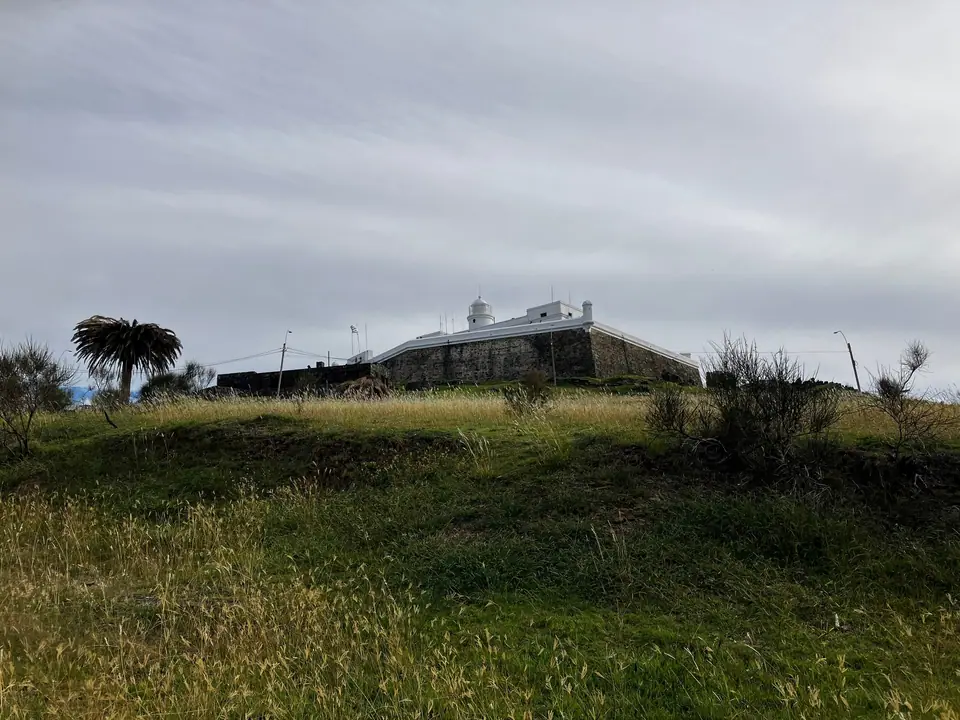
Fortaleza del Cerro (134 m) and Montevideo's Tannat Wine Bodegas
Cross the Bay of Montevideo to the 1809 Spanish Fortaleza General Artigas atop the 134-metre Cerro de Montevideo, then tour family-owned Tannat vineyards in rural Montevideo and Canelones.
Looking west across the horseshoe harbour from Mercado del Puerto, your eye goes immediately to the conical green hill that gave the Uruguayan capital its very name: the 134-metre Cerro de Montevideo, crowned by a nineteenth-century Spanish stone fortress and lighthouse. Just twenty minutes northeast of the hill in the rolling countryside of northern Montevideo (Melilla, Colon, and Lezica) and neighbouring Canelones Department, maritime breezes off the Rio de la Plata nurture Uruguay's historic family-run Tannat wine bodegas. Pair this half-day or full-day excursion with our Montevideo food and wine guide.

Cerro de Montevideo and Fortaleza General Artigas (1809-1839)
When Ferdinand Magellan's expedition sailed into the Rio de la Plata in January 1520, the ship's lookout spotted the solitary 134-metre hill rising west of the natural harbour, recording the landmark that evolved into the name Montevideo (and which still appears on Uruguay's national coat of arms as a symbol of strength). Following the brief 1807 British occupation of the city, Spanish governor Francisco Javier de Elio ordered the construction of a star-shaped stone fort on the summit in 1809 to guard the bay and the lighthouse erected there in 1802 (the oldest lighthouse on the Rio de la Plata). Completed in 1839 as the last Spanish military fortification built in Uruguay and declared a National Historic Monument in 1931, the Fortaleza del Cerro (Fortaleza General Artigas) houses a military history collection inside its whitewashed casemates and commands a 360-degree panorama across the harbour cranes to Ciudad Vieja. Always travel directly up to the fortress gate by taxi or tour vehicle rather than walking through the lower hillside streets.
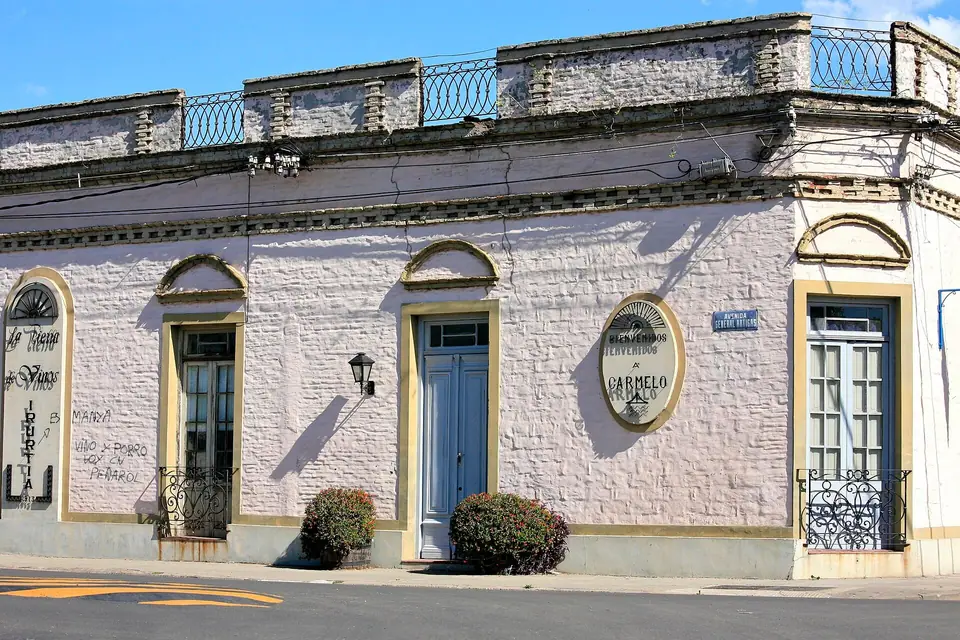
Tasting Tannat at Montevideo and Canelones Family Bodegas
- How Basque grape Tannat became Uruguay's national varietal: In 1870, Basque immigrant Pascual Harriague planted cuttings of the dark-skinned Tannat grape (native to Madiran in the French Pyrenees) near Salto. Thriving in the clay-calcareous soils and cool Atlantic estuary breezes around Montevideo and Canelones, Uruguayan Tannat developed silkier, riper tannins and deep blackberry-and-plum notes that pair ideally with wood-fired Uruguayan asado.
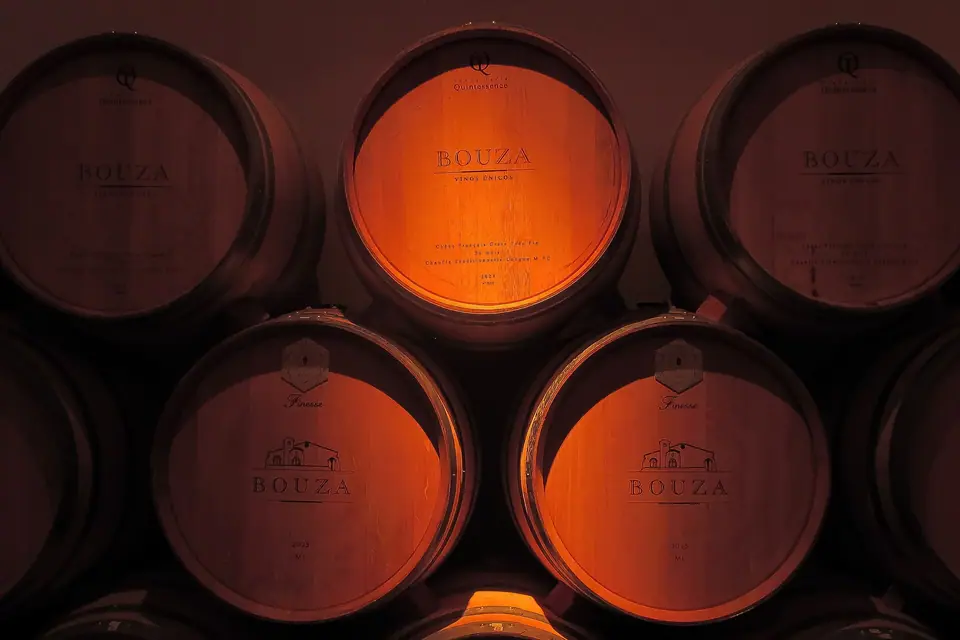
- Century-old bodegas within 25 to 40 minutes of downtown: In the rural northern edge of Montevideo Department (Colon and Melilla) and southern Canelones (Las Piedras and Progreso), fourth- and fifth-generation estates such as Bodega Carrau (whose 1887 brick cellars sit in Colon), Bodega Bouza (pairing boutique single-parcel Tannat and Albariño tastings with a classic car collection in Melilla), Marichal, and Pizzorno welcome visitors for pre-booked cellar walks and vineyard lunches.
Traveller tips
Real advice from people who have been to Fortaleza del Cerro (134 m) and Montevideo's Tannat Wine Bodegas. Every tip is read by our team before it goes live.
No tips yet. Been here? Yours could be the first.
Thank you! Your tip will appear here after a quick review.
More in Montevideo
Continue exploring Montevideo with related neighbourhood, food, and planning guides
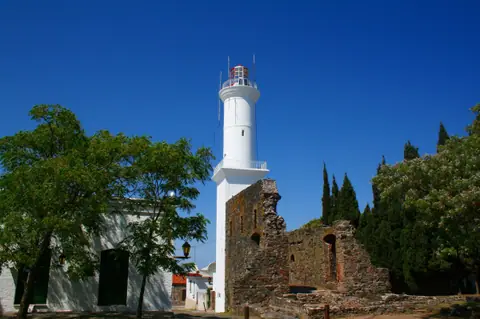
Colonia del Sacramento and Punta del Este Day Trips from Montevideo
Montevideo, Uruguay

Montevideo: Essential Planning for Uruguay's Coastal Capital
Montevideo, Uruguay
Things to Do in Montevideo: Ciudad Vieja, Mercado del Puerto and the Rambla
Montevideo, Uruguay

How to Get to Montevideo: Carrasco Airport (MVD), Buenos Aires Ferries and Tres Cruces
Montevideo, Uruguay
