Montevideo
Stretching along the northern shore of the Rio de la Plata, Uruguay's coastal capital combines Art Deco skyscrapers, wood-fired parrillas at the 1868 Mercado del Puerto, and Afro-Uruguayan candombe drumming with the 22.2-kilometre uninterrupted waterfront promenade of the Rambla.
Quick decisions
- How many days? Two to three days allow you to explore Ciudad Vieja and Mercado del Puerto, walk or cycle the Rambla through Parque Rodo and Pocitos, visit Estadio Centenario, and tour a Tannat winery or take a day trip to Colonia del Sacramento.
- Where should I stay? Choose Ciudad Vieja or Centro for immediate access to historic squares and Teatro Solis, Punta Carretas for leafy avenues and dining near the lighthouse, or Pocitos for beachfront high-rises along the Rambla.
- Do I need a car? No. Ciudad Vieja is compact and pedestrian-friendly, while STM buses, bikes along the Rambla, and registered taxis or ride-hailing apps link the coastal barrios.
- Best for: Art Deco and neoclassical architecture, wood-fired beef parrillas, Afro-Uruguayan candombe music, waterfront cycling, and Tannat wine estates.
- Before you go: Uruguay uses the Uruguayan peso (UYU) and has universal contactless card acceptance; pack sunglasses and wind layers for breezes off the Rio de la Plata.
- Getting around: Fast ferries from Buenos Aires dock directly beside Ciudad Vieja, Carrasco International Airport sits 19 kilometres east, and intercity buses depart from Terminal Tres Cruces.
- Continue your trip: Pair Montevideo with a ferry across the estuary to Buenos Aires or day trips to Colonia del Sacramento and Punta del Este.
Overview
Founded on 24 December 1726 by Spanish governor Bruno Mauricio de Zabala after expelling a 1723 Portuguese garrison on the northern shore of the Rio de la Plata, Montevideo is the capital and largest city of Uruguay, home to 1.28 million residents in the city proper and nearly two million across its metropolitan area. Framed to the west by the horseshoe-shaped Bay of Montevideo and the 134-metre Cerro de Montevideo, the city unfolds eastward from the colonial peninsula of Ciudad Vieja along the 22.2-kilometre uninterrupted coastal promenade of the Rambla.
Getting there
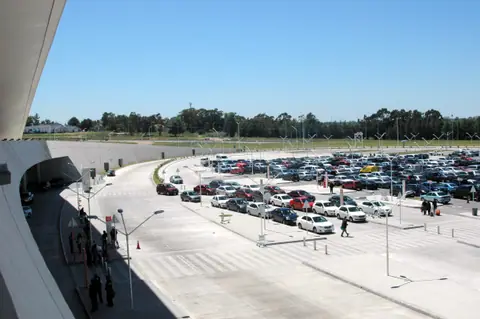
Carrasco International Airport (IATA: MVD), designed by Uruguayan architect Rafael Vinoly and inaugurated in 2009, lies 19 kilometres east of downtown Montevideo. High-speed catamarans cross the Rio de la Plata from Buenos Aires straight into the Port of Montevideo in just over two hours, while domestic and international coaches operate from Terminal Tres Cruces.
Where to stay
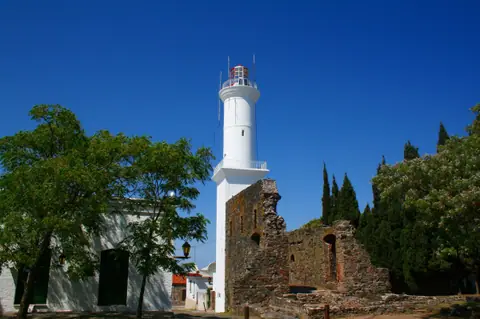
Stay in Ciudad Vieja or Centro to walk straight onto Calle Sarandi, Plaza Independencia, and Teatro Solis, in upscale Punta Carretas for boutique hotels near the 1876 Punta Brava Lighthouse and Parque Rodo, or along the curved sandy bay of Pocitos for beachfront views.
Things to do
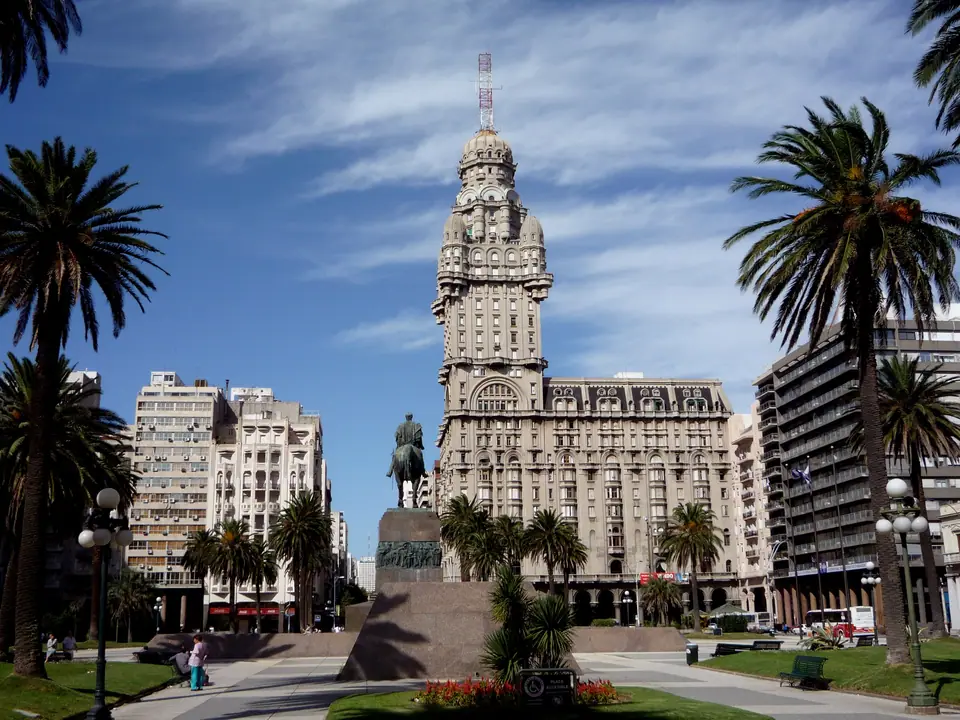
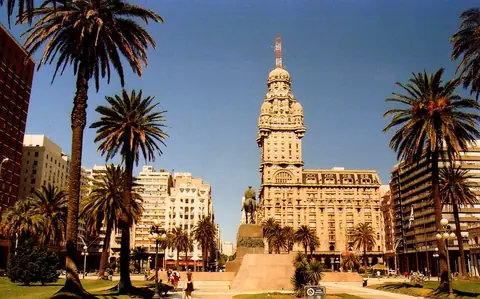
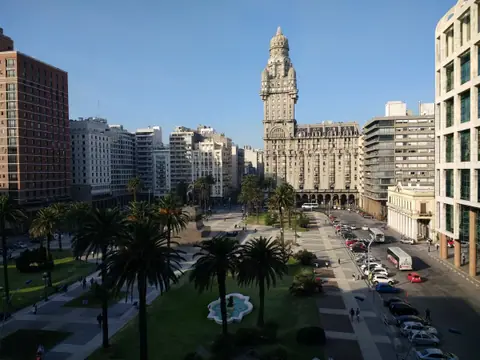
Cross beneath the 1741 Puerta de la Ciudadela on Plaza Independencia, admire the 105-metre Palacio Salvo, and tour the 1856 Teatro Solis before walking Calle Sarandi to the 1804 Metropolitan Cathedral, Colonial Cabildo, and 1868 Mercado del Puerto. Further east, follow the Rambla past the candombe streets of Barrio Sur and Palermo to Parque Rodo, Punta Carretas, Pocitos Beach, and the 1930 FIFA World Cup monument at Estadio Centenario.
Food and drink
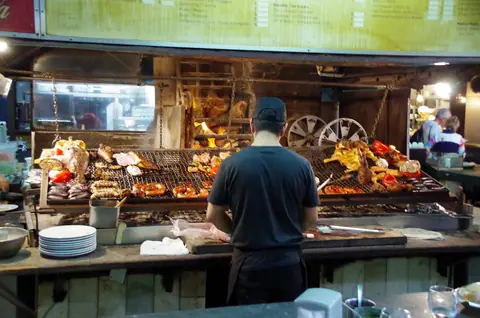
Montevideo grills its grass-fed beef over fragrant hardwood embers (lena) rather than charcoal at the open braziers of Mercado del Puerto, accompanied by sizzling provoleta cheese and glasses of Medio y Medio sparkling wine. Beyond the parrilla, try the national chivito steak sandwich, chickpea-flour faina, fresh pasta tossed in creamy Uruguayan Caruso sauce, and dulce de leche alfajores.
Culture
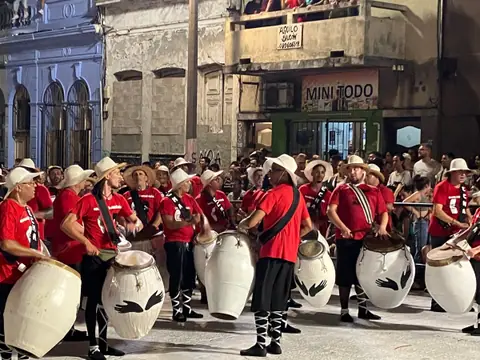
Everyday life in Montevideo moves to the rhythm of shared yerba mate gourds along the Rambla and the deep pulse of Afro-Uruguayan candombe drumming (inscribed by UNESCO in 2009), performed on chico, repique, and piano drums along Calle Isla de Flores and during the 40-day Montevideo Carnival.
Weather by month
Montevideo is warmest in January, with average highs around 28°C, and coldest in July, when nights drop to about 7°C. April is the wettest month, with rain on about 7 days. For mild weather with fewer rainy days, aim for February, March and May.
| Month | Low | Range | High | Rain | Rainy days |
|---|---|---|---|---|---|
| Jan | 19°C | 28°C | 42 mm | 6 d | |
| Feb | 19°C | 27°C | 42 mm | 6 d | |
| Mar | 17°C | 25°C | 42 mm | 6 d | |
| Apr | 14°C | 22°C | 49 mm | 7 d | |
| May | 11°C | 19°C | 42 mm | 6 d | |
| Jun | 8°C | 16°C | 49 mm | 7 d | |
| Jul | 7°C | 15°C | 42 mm | 6 d | |
| Aug | 9°C | 17°C | 49 mm | 7 d | |
| Sep | 10°C | 18°C | 49 mm | 7 d | |
| Oct | 12°C | 21°C | 49 mm | 7 d | |
| Nov | 15°C | 24°C | 49 mm | 7 d | |
| Dec | 17°C | 26°C | 49 mm | 7 d |
Averages of daily values from 2015 to 2024. Rainy days are days with at least 1 mm of rain. Source: Open-Meteo · Compare destinations by month.
Montevideo on the map
Every place we cover in Montevideo. Tap a category or pin to explore.
In-depth Montevideo guides
Browse the guides grouped by topic: sights, neighbourhoods, food, transport, day trips and trip planning.
Sights, Landmarks & Parks
Key monuments, viewpoints, museums and nature trails.
- Things to Do in Montevideo: Ciudad Vieja, Mercado del Puerto and the RamblaDiscover Montevideo's essential sights, from Palacio Salvo and Teatro Solis to wood-fired asado at the 1868 Mercado del Puerto, candombe in Barrio Sur, and Estadio Centenario.
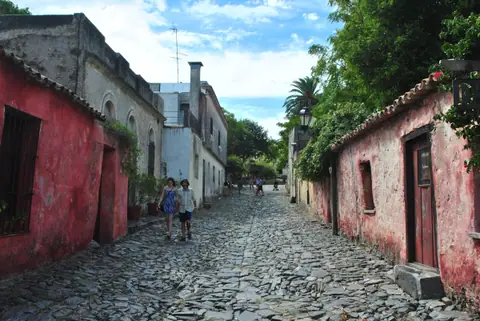
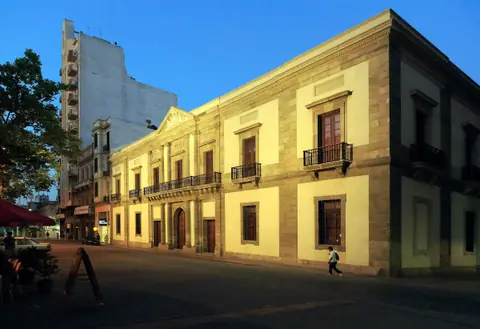
- Ciudad Vieja: Calle Sarandi, Plaza Matriz, the Cathedral and Palacio TarancoWalk the cobbled streets of Montevideo's 1724 historic peninsula, from pedestrianised Calle Sarandi and Museo Torres Garcia to the 1804 Cathedral, Cabildo, and Palacio Taranco.
- Plaza Independencia, Palacio Salvo and Teatro SolisExplore the monumental civic gateway of Montevideo at Plaza Independencia, dominated by the 105-metre Palacio Salvo, the Artigas Mausoleum, and the 1856 Teatro Solis.
- Parque Rodo, Punta Carretas Lighthouse and Playa de los PocitosExplore Montevideo's favourite coastal neighbourhoods: the lake and National Museum of Visual Arts in Parque Rodo, Castillo Pittamiglio and the 1876 lighthouse in Punta Carretas, and Pocitos Beach.
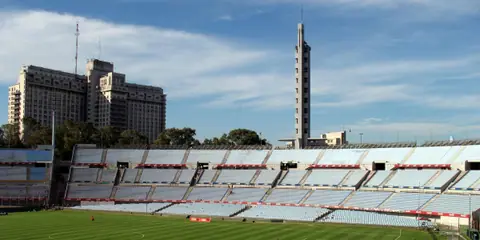
- Estadio Centenario (1930 World Cup), Parque Batlle and the Prado Rose GardenVisit FIFA's Historical Monument of World Football at Estadio Centenario in Parque Batlle, where Uruguay won the inaugural 1930 World Cup, then explore the 1912 Rosedal in the Prado.
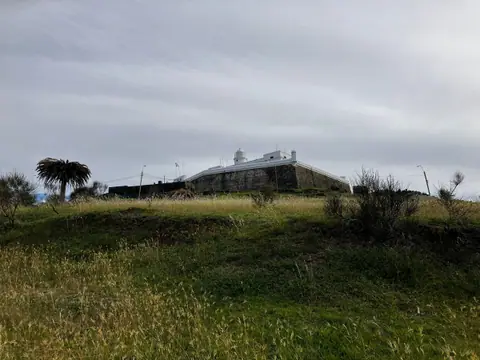
- Fortaleza del Cerro (134 m) and Montevideo's Tannat Wine BodegasCross the Bay of Montevideo to the 1809 Spanish Fortaleza General Artigas atop the 134-metre Cerro de Montevideo, then tour family-owned Tannat vineyards in rural Montevideo and Canelones.
Neighbourhoods & Where to Stay
Districts, historic quarters and the best bases for your stay.
- Montevideo: Essential Planning for Uruguay's Coastal CapitalEverything you need to plan a visit to Montevideo, from navigating the Ciudad Vieja peninsula and 22.2-kilometre Rambla to using Uruguayan pesos and understanding mate culture.
- Best Time to Visit Montevideo: Summer Beaches, February Carnival and Climate DataMonth-by-month weather guide for Montevideo using official 1991-2020 INUMET climate normals, from sunny January beach days and the February Llamadas to autumn Tannat harvests.
- Where to Stay in Montevideo: Ciudad Vieja, Punta Carretas, Pocitos and CarrascoCompare Montevideo's best neighbourhoods for travellers, from historic boutique hotels in Ciudad Vieja to leafy Punta Carretas, beachfront Pocitos, and garden-suburb Carrasco.
- 3-Day Montevideo Itinerary: Ciudad Vieja, the Rambla, Centenario and ColoniaA complete 3-day Montevideo itinerary covering Ciudad Vieja, Palacio Salvo and Mercado del Puerto on Day 1, Estadio Centenario and the Rambla on Day 2, and wineries or Colonia on Day 3.
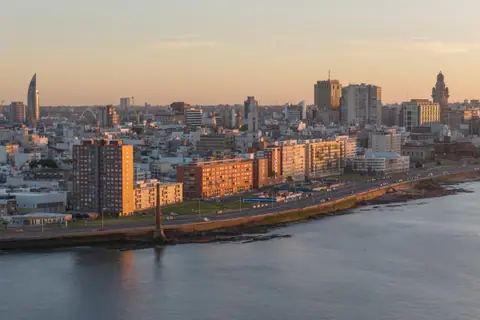
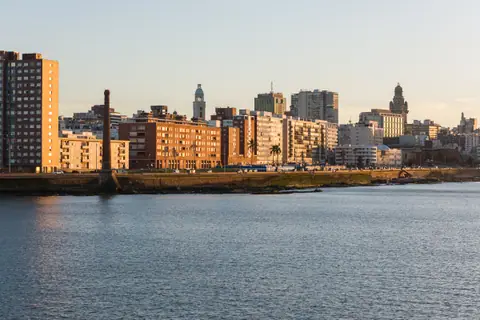
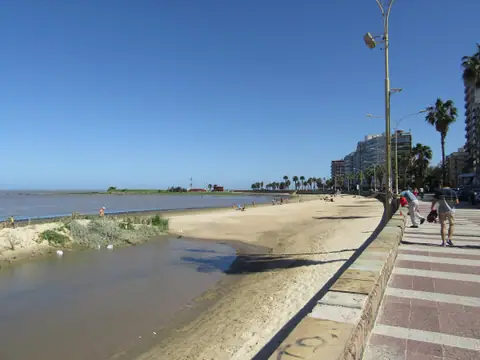
- La Rambla, Barrio Sur, Palermo and Afro-Uruguayan Candombe CultureFollow Montevideo's 22.2-kilometre waterfront Rambla through the historic coastal neighbourhoods of Barrio Sur and Palermo, birthplace of UNESCO-listed candombe drumming.
Food & Drink
Local dishes, markets, cafés and dining districts.
- What to Eat in Montevideo: Wood-Fired Asado, Chivito, Caruso Pasta and TannatTaste Montevideo's culinary icons, from hardwood-grilled beef at Mercado del Puerto and the loaded chivito tenderloin sandwich to faina, pasta with Caruso sauce, and dulce de leche.
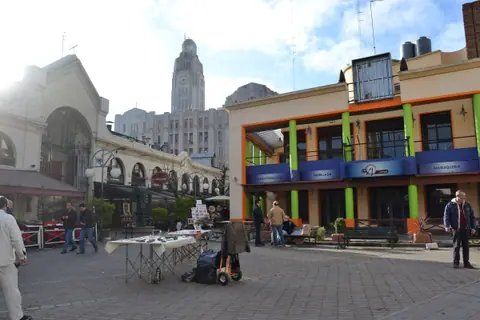
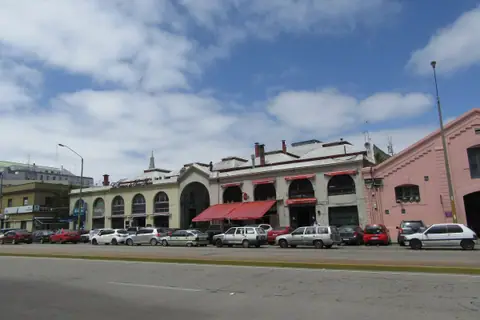
- Mercado del Puerto: 1868 Iron Market, Wood-Fired Parrillas and Port WaterfrontDine beneath the 1868 Liverpool-cast wrought-iron roof of Mercado del Puerto, where open-fire parrillas grill wood-smoked beef cuts alongside glasses of Medio y Medio.
Getting Around & Arrival
Airport transfers, public transit, passes and driving rules.
Day Trips & Excursions
Easy half-day and full-day trips from the city.
Reviews
Log in to write a review.
No reviews yet.