


























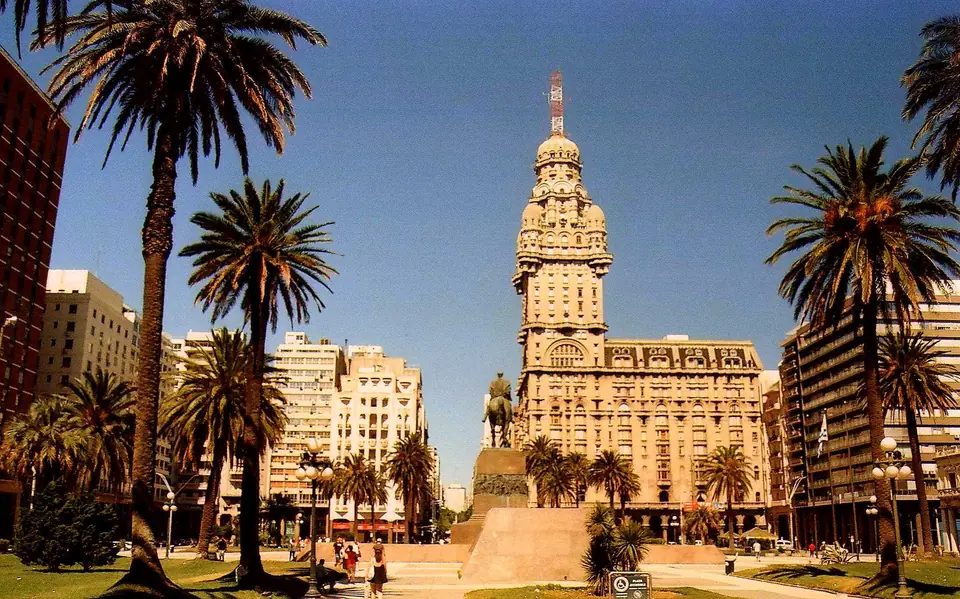
Plaza Independencia, Palacio Salvo and Teatro Solis
Explore the monumental civic gateway of Montevideo at Plaza Independencia, dominated by the 105-metre Palacio Salvo, the Artigas Mausoleum, and the 1856 Teatro Solis.
Conceived in 1837 by Italian neoclassical architect Carlo Zucchi after the demolition of the colonial citadel walls, Plaza Independencia bridges the narrow peninsula of Ciudad Vieja to the west and the wide boulevard of Avenida 18 de Julio to the east. Every architectural era of independent Uruguay converges around its colonnaded perimeter, from an eighteenth-century fortress gate and nineteenth-century opera house to an early twentieth-century fantasy skyscraper. Pair your visit here with our 3-day Montevideo itinerary.
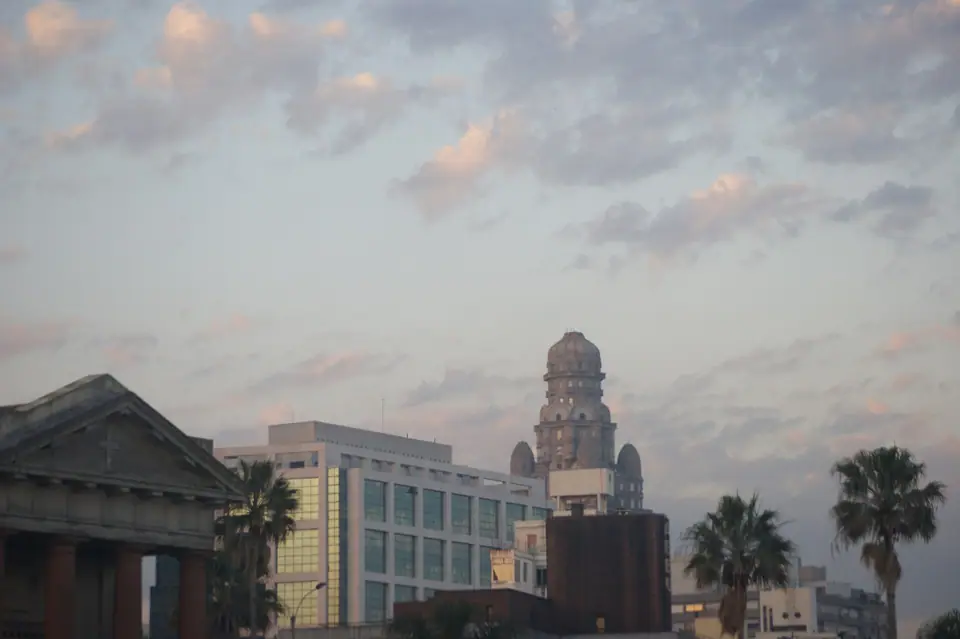
Palacio Salvo (1928) and the Birthplace of La Cumparsita
Rising 27 storeys and 105 metres (344 feet) above the eastern corner of Plaza Independencia and Avenida 18 de Julio, the Palacio Salvo was commissioned by textile entrepreneurs Angel, Jose, and Lorenzo Salvo and inaugurated on 12 October 1928. Designed by Italian architect Mario Palanti (who erected its architectural twin, the Palacio Barolo, across the river in Buenos Aires), the reinforced-concrete skyscraper blends Gothic spires, Renaissance arcades, and marine-inspired Art Deco motifs crowned by a rotating beacon dome. Upon completion in 1928, it was the tallest building in South America. The palace stands on the exact plot formerly occupied by the Confiteria La Giralda café, where 20-year-old Uruguayan student Gerardo Matos Rodriguez premiered the world's most famous tango, La Cumparsita, on 19 April 1917; the ground floor today hosts the Museo del Tango and guided ascents to the upper tower balconies.
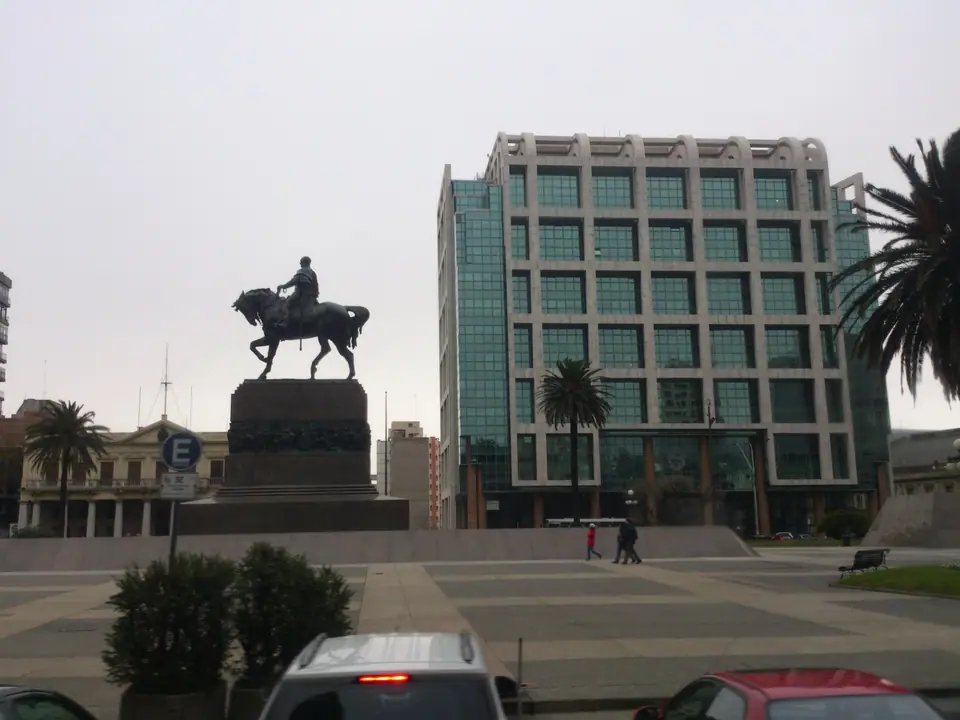
The Artigas Mausoleum, Palacio Estevez and Teatro Solis
- Monumento y Mausoleo de Artigas: At the centre of the plaza stands the 17-metre, 30-tonne bronze equestrian statue of Uruguay's national hero Jose Gervasio Artigas (1764 to 1850), sculpted by Italian artist Angelo Zanelli and unveiled in 1923. Wide granite stairs descend beneath the pedestal into an austere underground mausoleum (added in 1977), where an honour guard of the Blandengues de Artigas cavalry regiment stands watch beside the urn holding Artigas's remains.
- Palacio Estevez and the Executive Tower: Along the southern side of the square, the white 1873 neoclassical Palacio Estevez (the historic presidential workplace and museum) stands alongside the contemporary glass Executive Tower (seat of the Presidency) and the 1741 stone Puerta de la Ciudadela on the western edge.
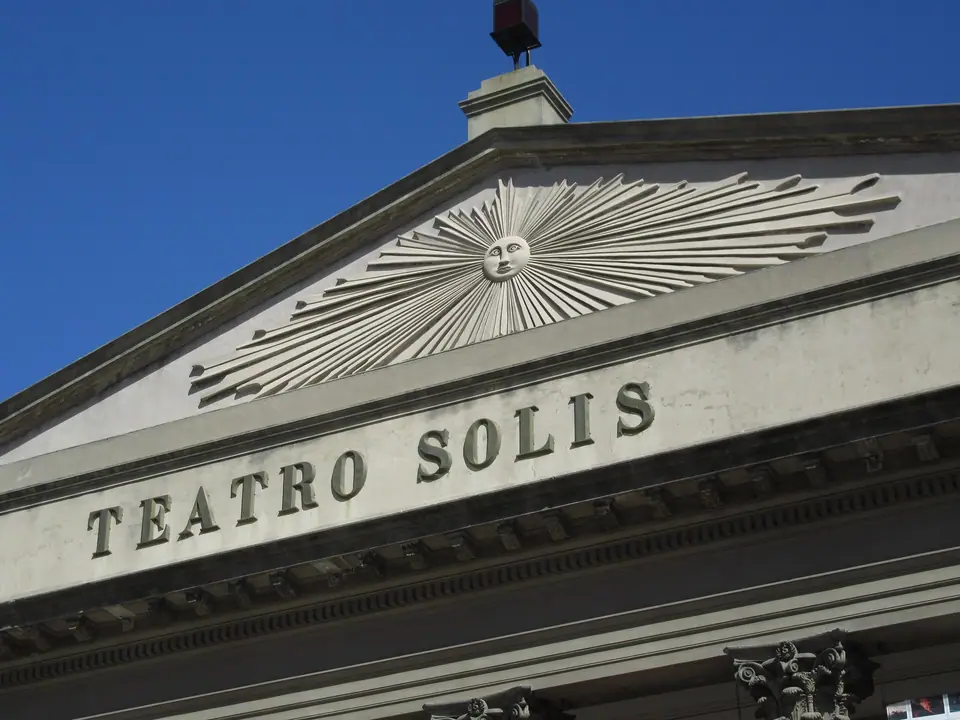
- Teatro Solis (1856): Just half a block southwest off the plaza at Calle Buenos Aires 678 stands Uruguay's premier opera and drama stage, Teatro Solis. Designed by Carlo Zucchi and Francisco Javier de Garmendia, the theatre opened on 25 August 1856 with Verdi's Ernani and was comprehensively restored between 1998 and 2004 with acoustic engineering by French studio Avel Acoustique. Guided tours lead beneath the eight-column Corinthian portico into the horseshoe-shaped four-tier auditorium, whose ceiling fresco and chandelier hang above a stage where Enrico Caruso, Sarah Bernhardt, Anna Pavlova, and Carlos Gardel performed.
Traveller tips
Real advice from people who have been to Plaza Independencia, Palacio Salvo and Teatro Solis. Every tip is read by our team before it goes live.
No tips yet. Been here? Yours could be the first.
Thank you! Your tip will appear here after a quick review.
More in Montevideo
Continue exploring Montevideo with related neighbourhood, food, and planning guides
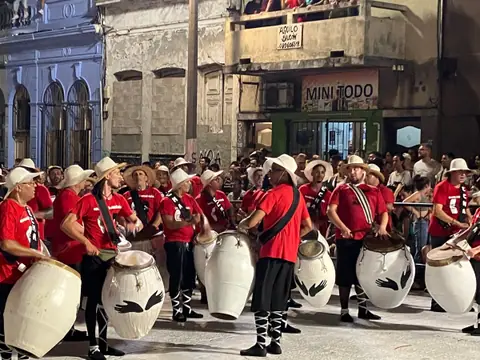
La Rambla, Barrio Sur, Palermo and Afro-Uruguayan Candombe Culture
Montevideo, Uruguay
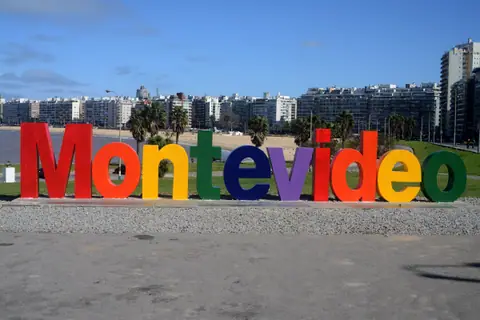
Parque Rodo, Punta Carretas Lighthouse and Playa de los Pocitos
Montevideo, Uruguay
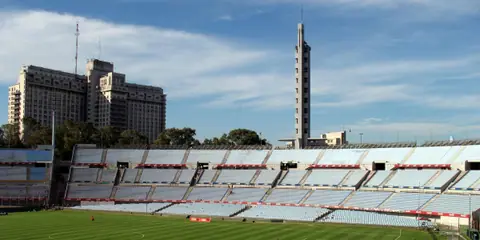
Estadio Centenario (1930 World Cup), Parque Batlle and the Prado Rose Garden
Montevideo, Uruguay
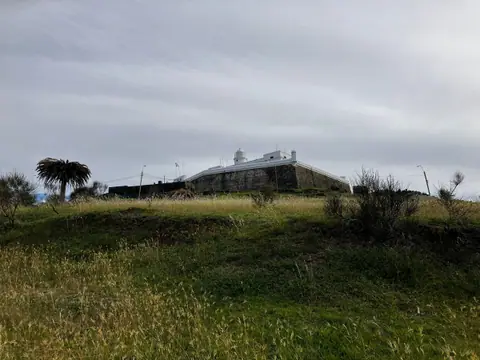
Fortaleza del Cerro (134 m) and Montevideo's Tannat Wine Bodegas
Montevideo, Uruguay
