


























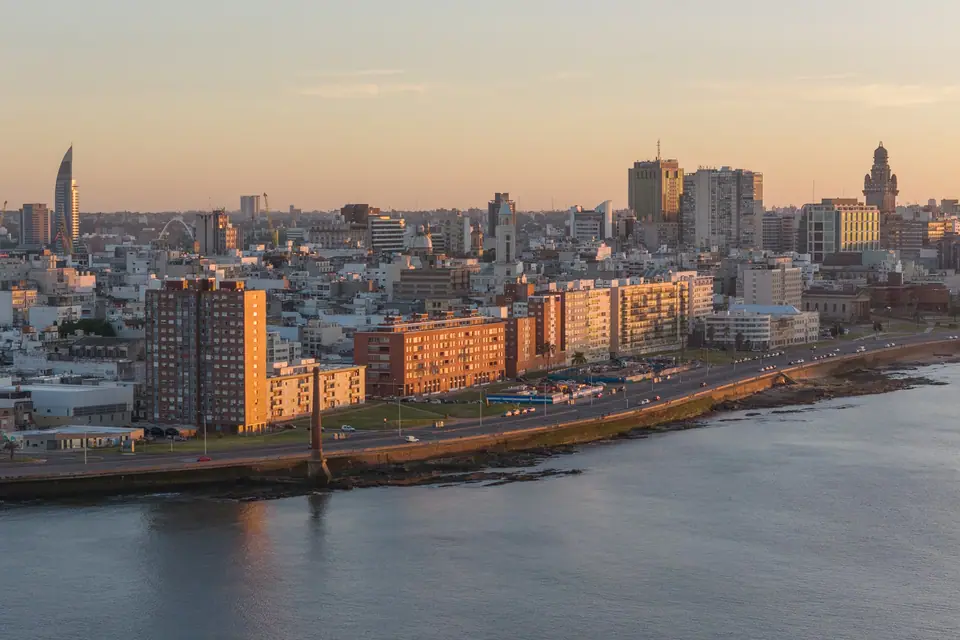
Montevideo: Essential Planning for Uruguay's Coastal Capital
Everything you need to plan a visit to Montevideo, from navigating the Ciudad Vieja peninsula and 22.2-kilometre Rambla to using Uruguayan pesos and understanding mate culture.
Founded on Christmas Eve in 1726 by Spanish governor Bruno Mauricio de Zabala to secure the northern shore of the Rio de la Plata against Portuguese expansion, Montevideo is home to roughly 1.29 million residents in the city proper and serves as the administrative headquarters of Mercosur. Unlike dense inland capitals, Montevideo opens continuously onto the wide silver-brown estuary of the Rio de la Plata, where ocean salinity and river currents meet along more than 22 kilometres of public beaches and waterfront promenades. Pair this planning overview with our guide to the top things to do in Montevideo and our neighbourhood accommodation breakdown.
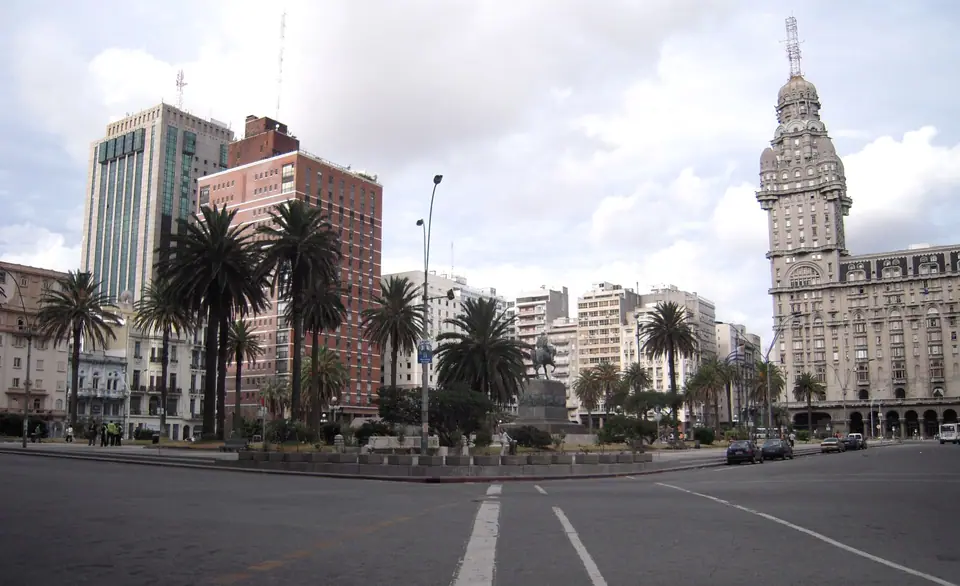
Understanding Montevideo's Peninsula-to-Beach Layout
Montevideo's urban geography is straightforward to navigate because the Rio de la Plata wraps around the southern edge of the city. At the western tip juts the historic peninsula of Ciudad Vieja, sheltering the Port of Montevideo on its northern side. At the neck of the peninsula, Plaza Independencia marks the transition into Centro and the main commercial spine of Avenida 18 de Julio. Along the southern shore, the Rambla runs uninterrupted through Barrio Sur and Palermo to the green lakes of Parque Rodo, the rocky cape of Punta Carretas, and the high-rise beach crescent of Pocitos.
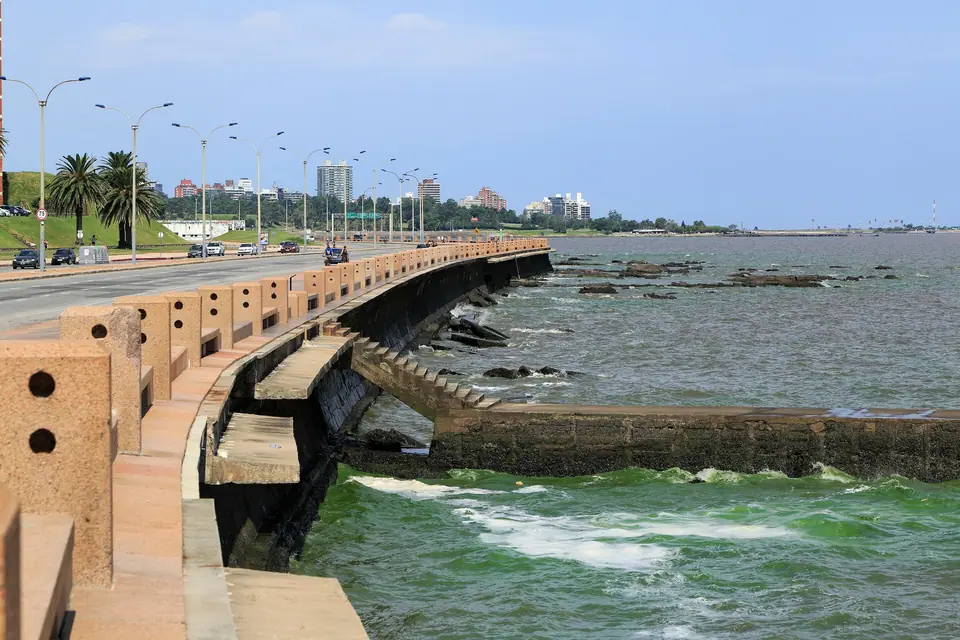
Currency, Card Payments, Mate Etiquette and Getting Around
- Uruguayan peso (UYU) and digital payments: Uruguay's official currency is the Uruguayan peso (UYU). Contactless credit and debit cards are accepted almost universally across restaurants, cafés, pharmacies, and supermarkets, though carrying small peso banknotes is helpful for street markets and bus fares.
- Mate and candombe on the streets: Everywhere along the Rambla and in city parks, you will see Montevideans walking with a cured calabash gourd of bitter yerba mate in one hand and a hot-water thermos tucked beneath the opposite arm, a habit so universal that bike handlebars and car consoles are fitted with thermos holders.
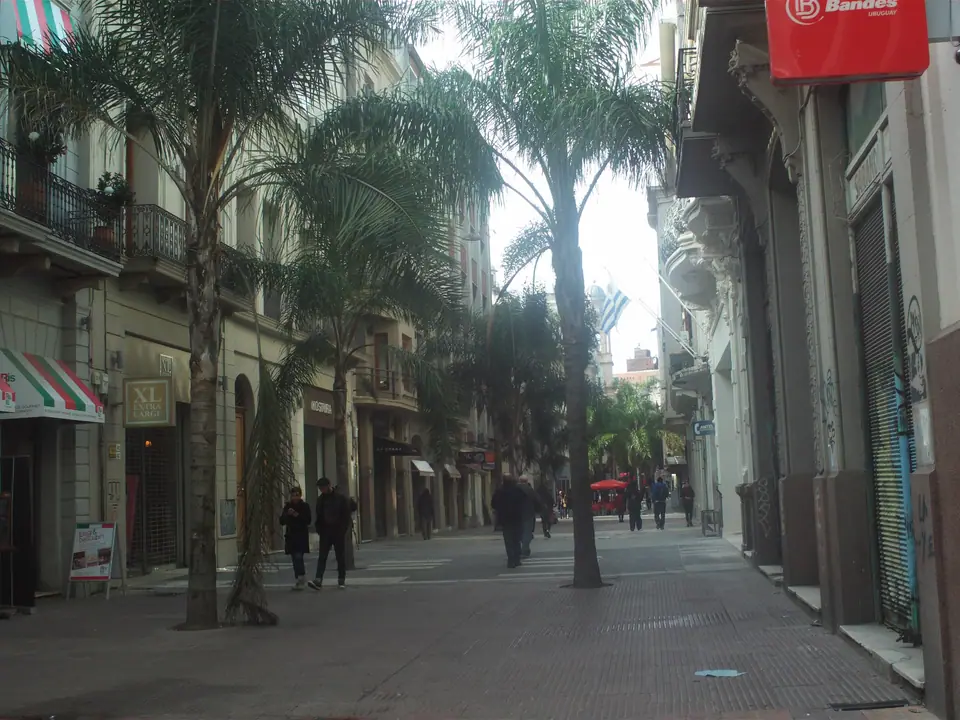
- Walking and urban transport: Ciudad Vieja is best explored on foot along pedestrianised Calle Sarandi and Calle Perez Castellano, while STM urban buses, seaside cycle lanes, and ride-hailing apps link the eastern beaches and Parque Batlle.
Traveller tips
Real advice from people who have been to Montevideo: Essential Planning for Uruguay's Coastal Capital. Every tip is read by our team before it goes live.
No tips yet. Been here? Yours could be the first.
Thank you! Your tip will appear here after a quick review.
More in Montevideo
Continue exploring Montevideo with related neighbourhood, food, and planning guides
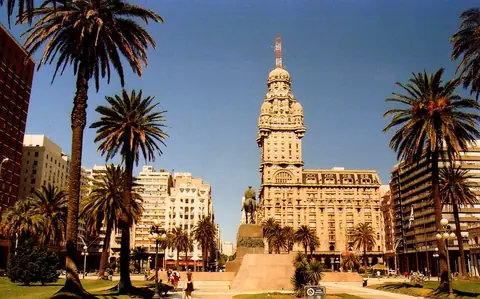
Plaza Independencia, Palacio Salvo and Teatro Solis
Montevideo, Uruguay
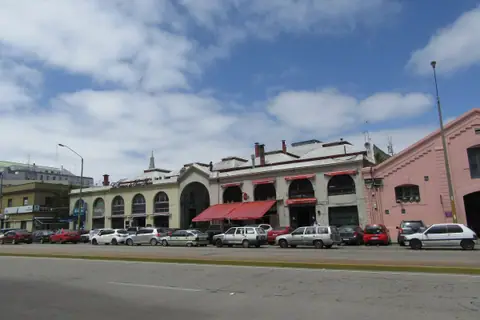
Mercado del Puerto: 1868 Iron Market, Wood-Fired Parrillas and Port Waterfront
Montevideo, Uruguay
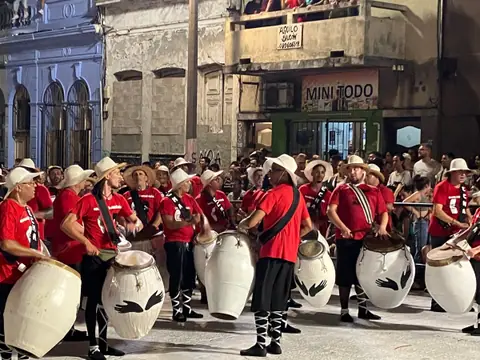
La Rambla, Barrio Sur, Palermo and Afro-Uruguayan Candombe Culture
Montevideo, Uruguay
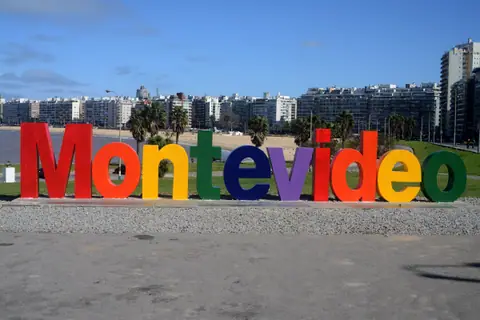
Parque Rodo, Punta Carretas Lighthouse and Playa de los Pocitos
Montevideo, Uruguay
