


























La Rambla, Barrio Sur, Palermo and Afro-Uruguayan Candombe Culture
Follow Montevideo's 22.2-kilometre waterfront Rambla through the historic coastal neighbourhoods of Barrio Sur and Palermo, birthplace of UNESCO-listed candombe drumming.
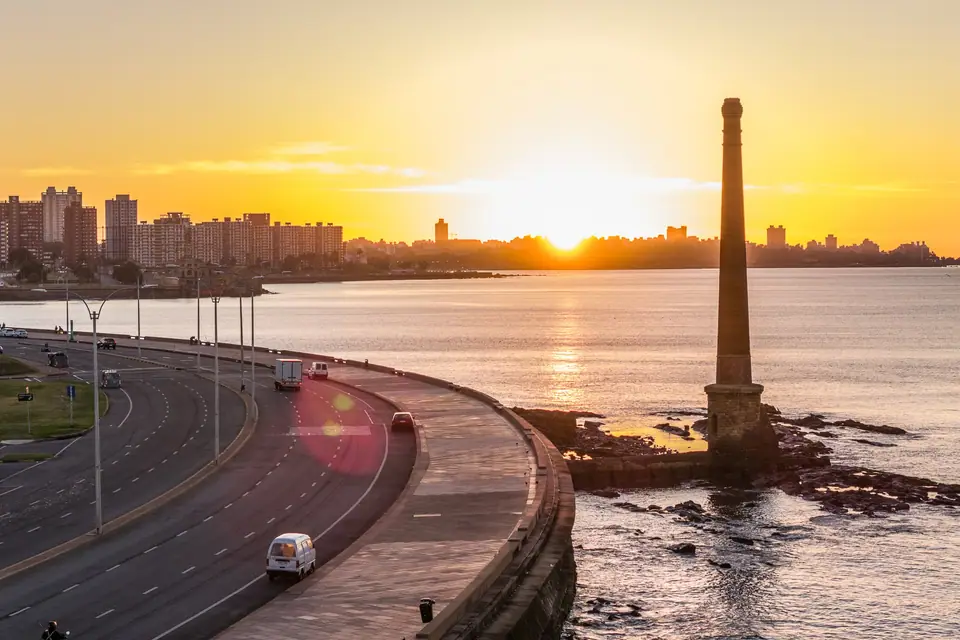
Few capitals in the world dedicate their entire waterfront to public pedestrian life as completely as Montevideo. Running for 22.2 uninterrupted kilometres (13.7 miles) from the Port of Capurro on the western bay around the Ciudad Vieja peninsula and eastward past ten sandy beaches to the Carrasco stream, the Rambla of Montevideo is both a National Historic Monument and a tentative UNESCO World Heritage site. Immediately east of Ciudad Vieja along the section known as Rambla Sur lie the historic coastal barrios of Barrio Sur and Palermo, the heartland of Afro-Uruguayan culture. Continue eastward from here with our guide to Parque Rodo, Punta Carretas and Pocitos Beach.
Walking and Cycling the 22.2-Kilometre Rambla
Engineered in stages during the early twentieth century to reclaim the rocky southern shoreline from storm surges, the Rambla combines wide granite sidewalks, dedicated cycle lanes, green parks, and sandy coves without a single private beachfront compound blocking access to the water. Each stretch of the avenue bears a different historical name: Rambla Francia and Rambla Gran Bretana round the southern tip of Ciudad Vieja past the colonial stone bastion of the Cubo del Sur, while Rambla Republica Helenica and Rambla Republica Argentina sweep past the old red-brick Peñarol gasometer tank along the coast of Barrio Sur and Palermo toward Parque Rodo. Late afternoon is peak hour along the seawall, when thousands of joggers, cyclists, anglers, and families gather with thermoses of hot water and yerba mate gourds to watch the sun sink into the Rio de la Plata.
Barrio Sur, Palermo and UNESCO-Listed Candombe Drumming
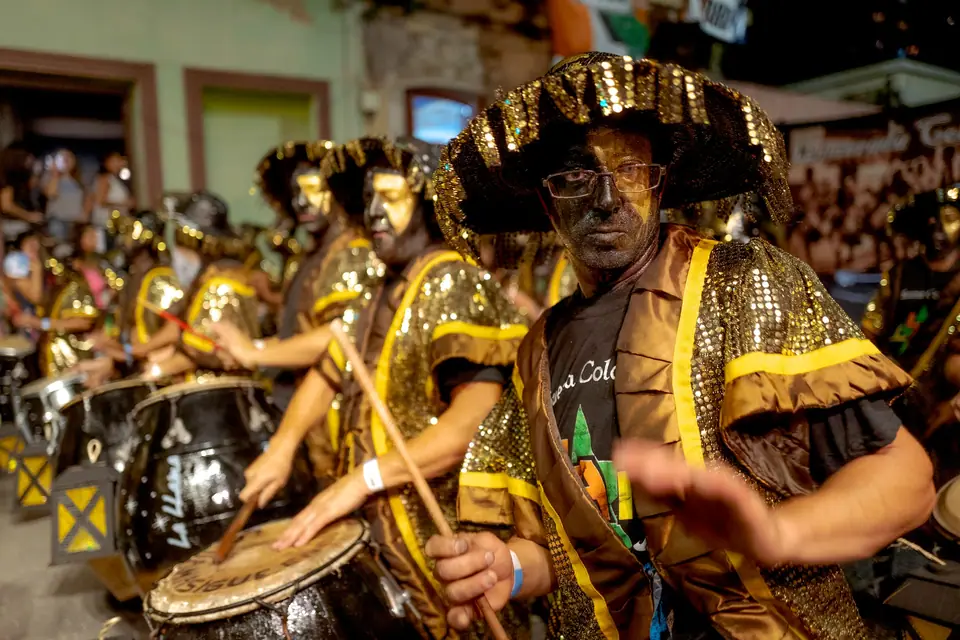
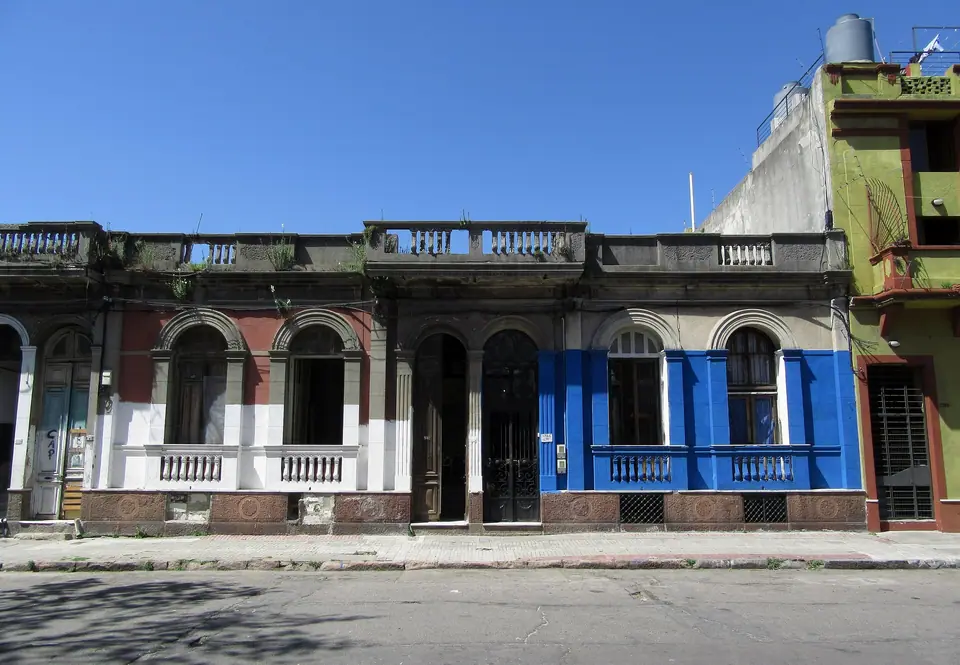
Stretching inland from Rambla Sur around Calle Isla de Flores and Calle Carlos Gardel (named after the colorful nineteenth-century tenement courtyard houses, or conventillos, such as the famous Mediomundo in Barrio Sur and Ansina in Palermo), these two neighbourhoods are the cradle of candombe. Originating in the eighteenth and nineteenth centuries among enslaved Africans brought from the Kongo and Angola regions to the port of Montevideo, candombe was inscribed by UNESCO on the Representative List of the Intangible Cultural Heritage of Humanity in 2009.
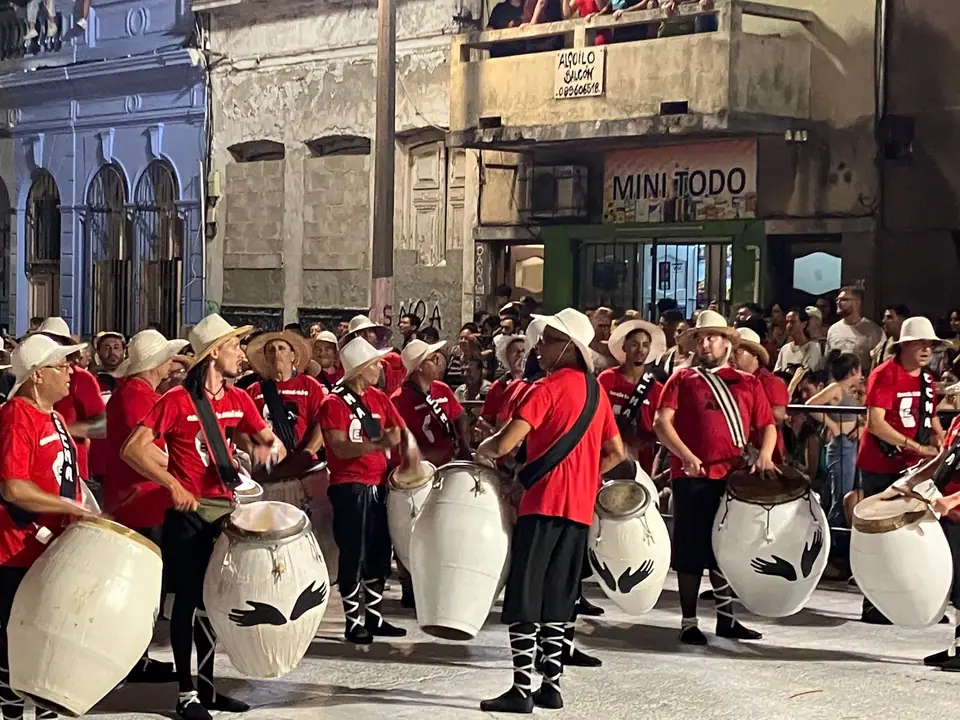
- The three drums of the cuerda de tambores: Candombe is played exclusively on three barrel-stave wooden drums slung from the shoulder and struck with one open hand and one stick (palo): the small, high-pitched chico (which keeps the steady rhythmic time), the medium-sized repique (which improvises syncopated flourishes), and the deep, resonant piano (which carries the bass heartbeat).
- Weekend llamadas and the February Desfile de Llamadas: Almost every Sunday afternoon year-round, neighbourhood comparsas light small wood fires on the curb along Calle Isla de Flores to tighten the hide drumheads before marching through the streets accompanied by dancers and traditional characters (la mama vieja with her fan, el gramillero the herbalist doctor, and el escobero twirling a ceremonial broom). On the first Thursday and Friday of February during Montevideo's 40-day Carnival, more than 40 competing comparsas march down Calle Isla de Flores in the official Desfile de Llamadas.
Traveller tips
Real advice from people who have been to La Rambla, Barrio Sur, Palermo and Afro-Uruguayan Candombe Culture. Every tip is read by our team before it goes live.
No tips yet. Been here? Yours could be the first.
Thank you! Your tip will appear here after a quick review.
More in Montevideo
Continue exploring Montevideo with related neighbourhood, food, and planning guides
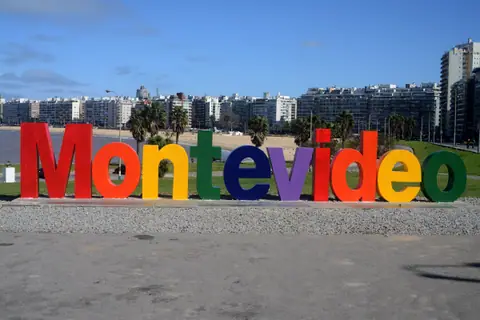
Parque Rodo, Punta Carretas Lighthouse and Playa de los Pocitos
Montevideo, Uruguay
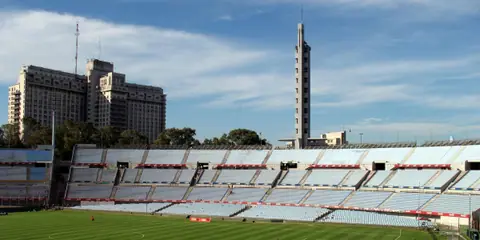
Estadio Centenario (1930 World Cup), Parque Batlle and the Prado Rose Garden
Montevideo, Uruguay
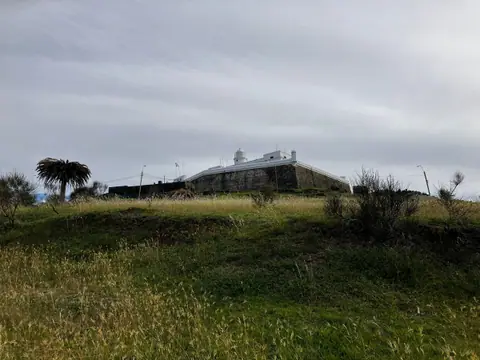
Fortaleza del Cerro (134 m) and Montevideo's Tannat Wine Bodegas
Montevideo, Uruguay
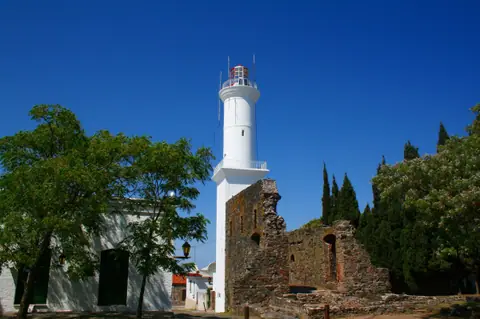
Colonia del Sacramento and Punta del Este Day Trips from Montevideo
Montevideo, Uruguay
