


























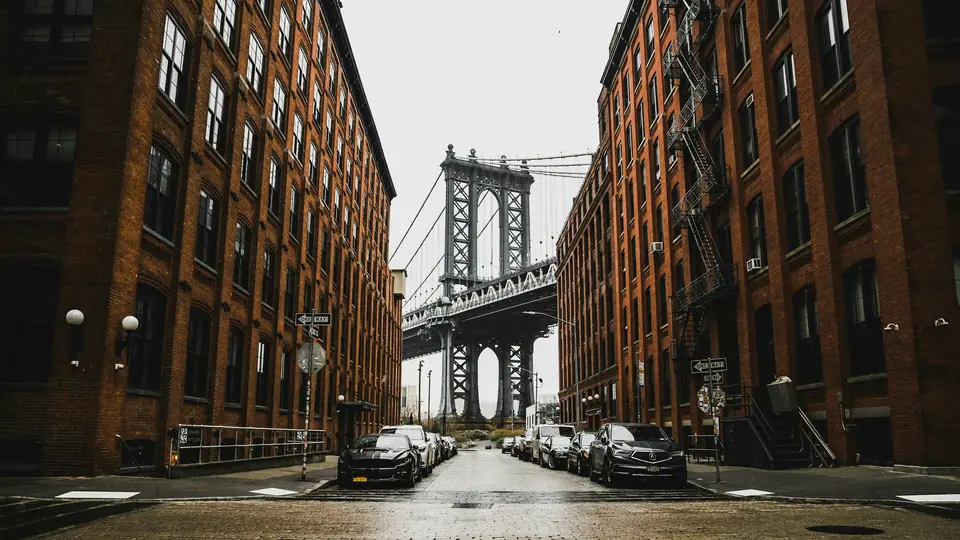
Photo by Redd Francisco on Unsplash
Brooklyn Neighbourhood Guide: Brooklyn Bridge Walk, DUMBO and Brooklyn Heights
We explore waterfront promenades, historic brownstone streets, and East River crossings across the most populous borough of New York City.
Brooklyn developed from early agricultural settlements along the East River into an independent municipality before joining Greater New York. Today the borough spreads across broad residential avenues, former docklands, and repurposed industrial districts that welcome visitors on foot. Walking over the river offers immediate perspective on how separate communities grew together into one vast urban expanse.
Crossing the East River on the Brooklyn Bridge
Starting the walk from the Manhattan anchorage gives clear views of the Gothic stone arches and web of suspension cables ahead. The elevated wooden boardwalk carries pedestrians above the roadway, separating foot traffic cleanly from passing vehicles below. Looking out towards the harbour reveals open water, passing tugboats, and distant shores across the bay.
Walking from the Brooklyn side towards Manhattan in late afternoon allows visitors to watch light reflect across downtown towers. The descent into Brooklyn leads directly towards pedestrian stairwells and ramps that connect to local subway lines and shoreline parks. Cycling traffic uses a dedicated path on the lower deck, leaving the upper promenade relaxed for strolling visitors.
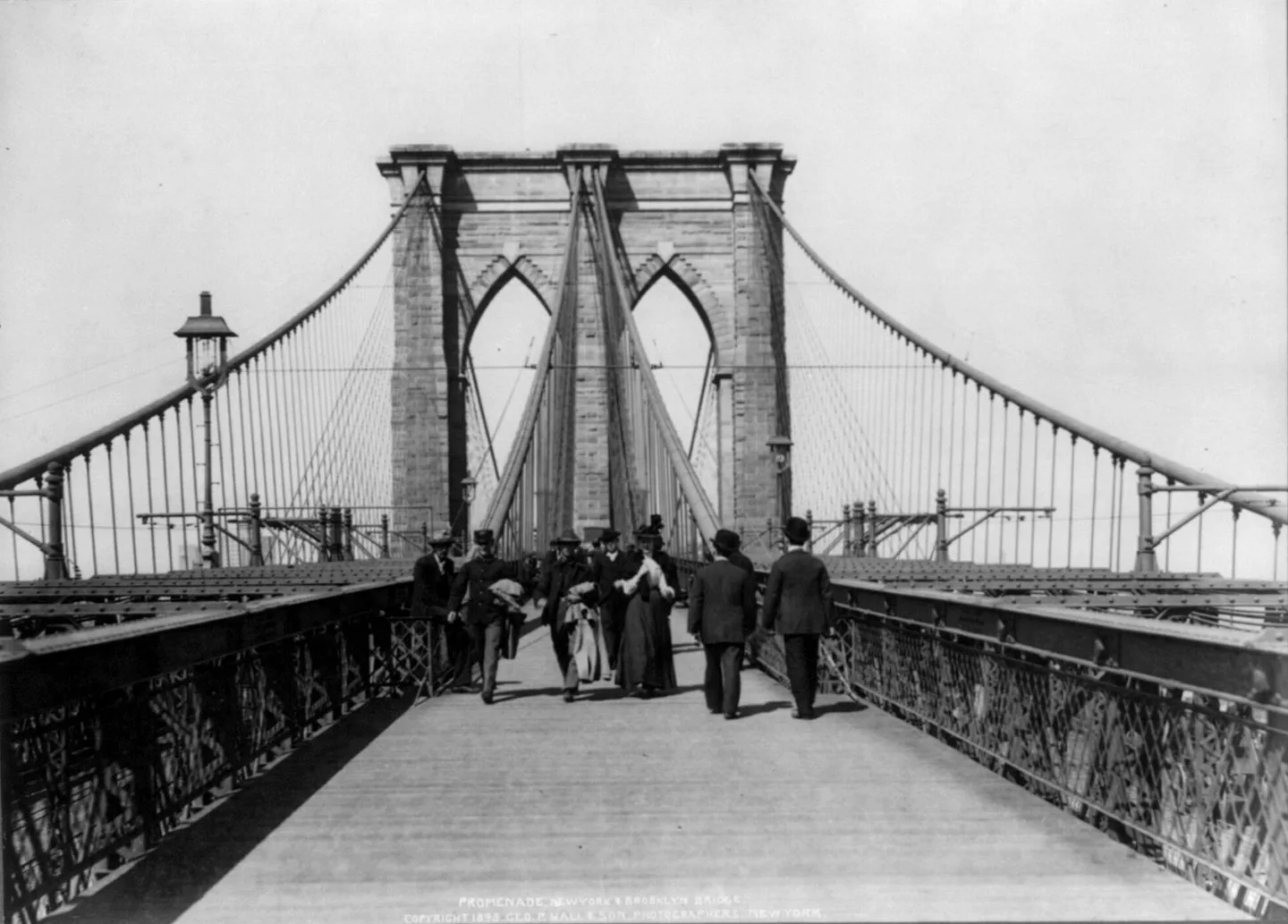
The structure stands as an engineering landmark that linked two separate nineteenth-century cities across open tidal currents. Crossing on foot takes roughly thirty to forty minutes at an easy pace, with open areas to pause near massive towers. Travellers can pair this river crossing with a visit to New York City landmarks to plan a balanced full-day circuit.
Granite blocks form the foundations that anchor the roadway firmly into the bedrock beneath the river floor. Cables woven from steel wire suspend the road deck above busy shipping channels without blocking passing navigation below. Morning light illuminates the stone spires, while evening dusk highlights silhouettes of downtown skyscrapers across the water.
Cobblestones and Waterfront Parks in DUMBO
Stepping off the bridge approach brings visitors directly into DUMBO, an acronym designating the area down under the Manhattan Bridge overpass. The former manufacturing quarter retains its Belgian-block paving, railway tracks embedded in tarmac, and red-brick factory facades. Today these cavernous warehouse buildings house independent bookshops, artisan bakeries, design studios, and welcoming public art installations.
The classic street view on Washington Street frames the steel tower of the Manhattan Bridge between symmetrical brick warehouses. Waterfront lawns at Brooklyn Bridge Park stretch southward along old cargo piers, offering terraced seating right by the river currents. Families gather around the restored carousel house, which operates within a modern glass pavilion set against the water.
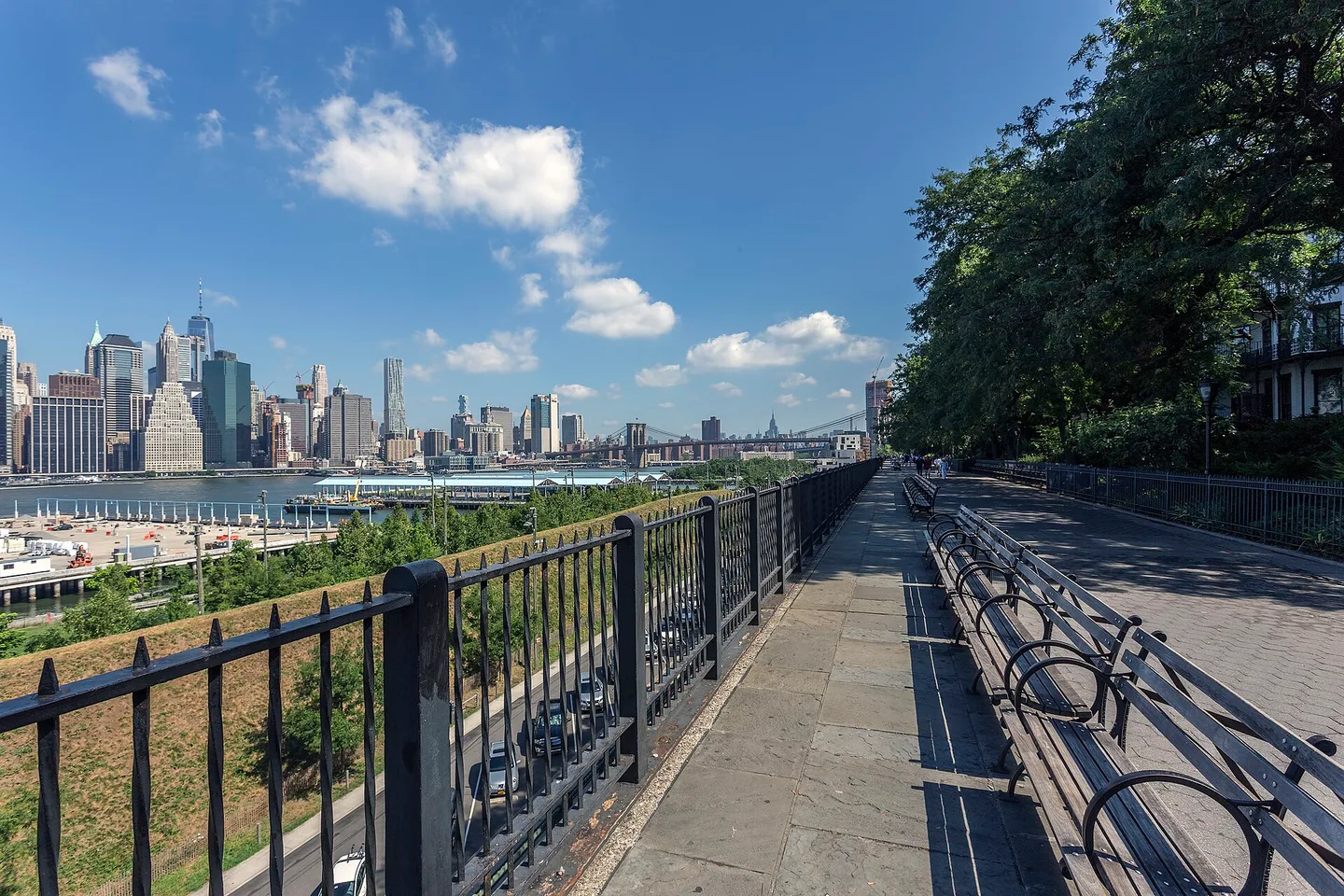
The riverside path gives uninterrupted lines of sight across to the Financial District and the open harbour channel. Exploring the docks reveals how community planning reclaimed derelict shipping wharves for recreation, sports pitches, and peaceful public gardens. Visitors can review our comprehensive New York travel advice for practical tips on navigating seasonal river winds.
Piers along the shoreline now feature shaded picnic tables, kayak launches, and expansive green spaces open to all visitors. Reclaimed cargo buildings contain food halls where independent vendors serve local culinary treats to weekend crowds. Cobblestone lanes connect former spice warehouses with contemporary cultural spaces that showcase regional art exhibitions throughout the year.
| Neighbourhood | Primary Transit Arrival | Main Walking Feature | Landscape Highlight |
|---|---|---|---|
| Brooklyn Bridge | Subway to City Hall or High Street | Elevated timber pedestrian boardwalk | Open views over East River harbour |
| DUMBO | F train to York Street or NYC Ferry | Cobblestone alleys and brick warehouses | Piers and lawns of Brooklyn Bridge Park |
| Brooklyn Heights | Subway to Clark Street or Court Street | Tree-lined blocks of row houses | Elevated pedestrian promenade |
| Williamsburg | L train to Bedford Avenue | Converted industrial avenues | Domino Park shoreline esplanade |
Historic Architecture Along Brooklyn Heights Promenade
A short climb up stone stairs from the waterfront brings travellers into Brooklyn Heights, the earliest preserved historic suburb. Tree-lined residential streets showcase rows of Federal, Greek Revival, and Italianate brownstones with wrought-iron railings and flowering front gardens. The quiet domestic atmosphere contrasts sharply with the energetic commercial pulse across the water in Manhattan.
The elevated promenade cantilevers dramatically above the sunken roadway, creating a wide pedestrian terrace looking towards Lower Manhattan. Bench seating lines the railing, offering unhurried vantage points to admire the Statue of Liberty and passing ferries. Mature trees shade the walkway, making it an ideal pause during an extended day exploring on foot.
Walking inward through the neighbourhood reveals peaceful churchyards, quiet mews, and local corner grocers serving neighbourhood regulars. Pierrepont Street and Montague Street offer gentle strolls past heritage facades that escaped mid-century redevelopment projects. Guests following our structured three-day city itinerary often place this scenic ridge walk at the heart of their second morning.
Row houses along these residential blocks feature decorative cornices, high stoops, and gas lamps preserved from the nineteenth century. Shaded side streets remain shielded from heavy automobile traffic, preserving a village ambience within the larger metropolitan area. Corner bakeries and independent bookshops offer calm indoor retreats when weather conditions shift suddenly along the East River.
Neighbourhood Connections to Williamsburg and Prospect Park
East River public ferries link the bridge piers directly to northern waterfront neighbourhoods, turning transit into a scenic river trip. Williamsburg offers a lively alternative scene with converted brick storehouses, local fashion boutiques, micro-roasteries, and riverfront parks. Repurposed industrial relics at Domino Park celebrate the industrial heritage of the former sugar refinery along the shoreline.
- Board the East River ferry at DUMBO to travel upriver towards Williamsburg and Greenpoint.
- Wander through Domino Park to observe the preserved industrial crane gantries along the boardwalk.
- Ride the subway south towards Prospect Park to explore sweeping meadows and shaded woodland paths.
- Walk down Bedford Avenue to browse independent record shops, open-air markets, and neighbourhood cafes.
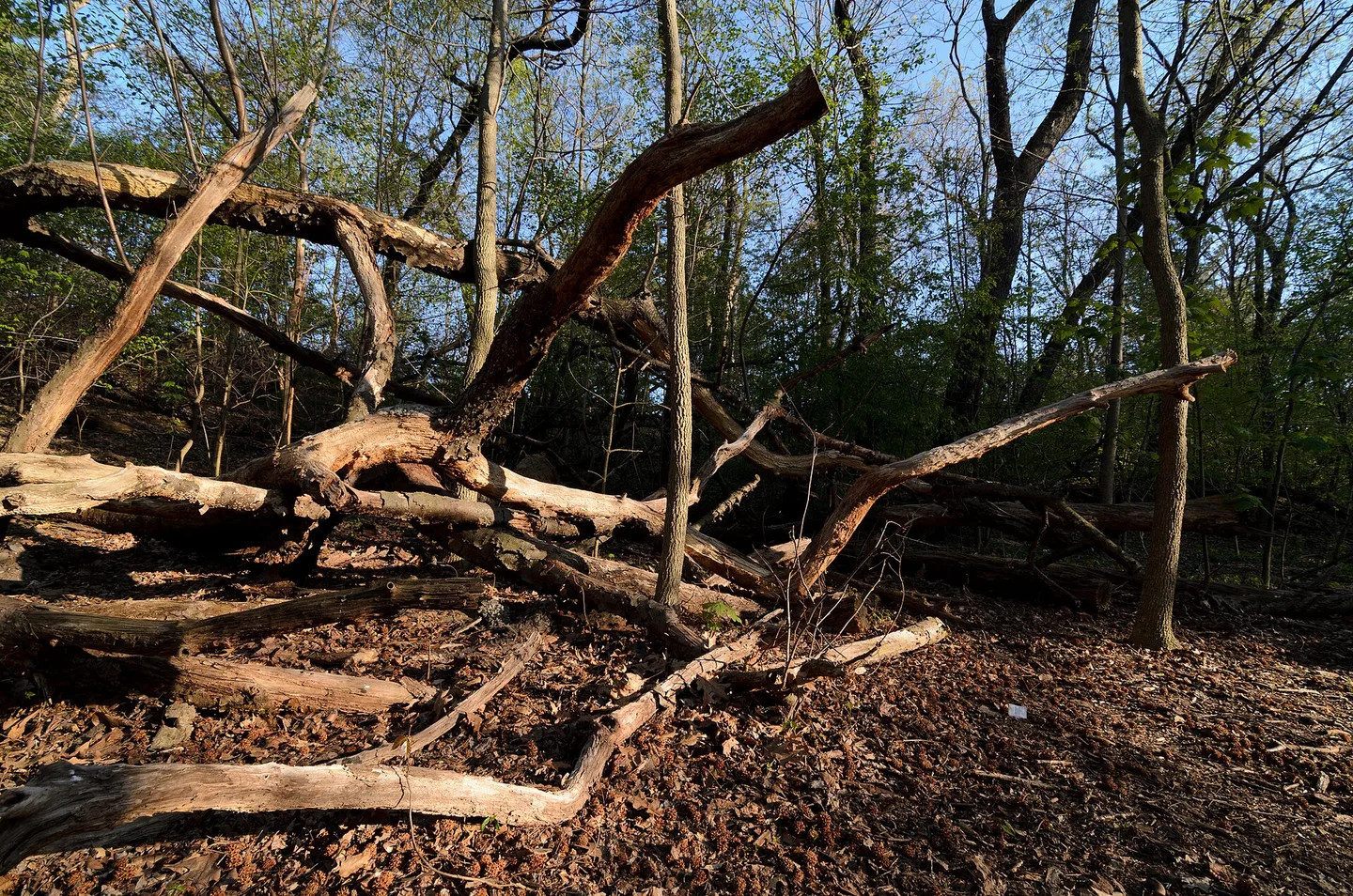
Further inland, Prospect Park features vast public lawns, winding lakes, and native forest ravines designed by nineteenth-century landscape architects. Long Meadow invites afternoon picnics, while the nearby botanic garden presents seasonal flora across curated outdoor pavilions. Connecting these distinctive quarters gives travellers a rich understanding of Brooklyn beyond the immediate waterfront landmarks.
Public transport lines link these various sectors efficiently through multiple subway junctions and accessible ferry landings. Combining riverside walkways with historic neighbourhood avenues allows visitors to experience the diverse cultural landscape of the borough on foot.
Where it is
- 1Brooklyn Neighbourhood
- LaGuardia Airport (LGA) · about 13 km from here in a straight line
- Directions in Google Maps
Stations and taxi ranks: OpenStreetMap. Airports: OurAirports. Distances are in a straight line.
Traveller tips
Real advice from people who have been to New York City. Every tip is read by our team before it goes live.
No tips yet. Been here? Yours could be the first.
Thank you! Your tip will appear here after a quick review.
More in New York City
Continue exploring New York City with related neighbourhood, food, and planning guides
Getting to New York City: Rail Connections and Transit from JFK, Newark and LaGuardia
New York City, United States
When to Visit New York City: Seasons, Temperatures and Crowds
New York City, United States
What to Wear in New York City: Footwear, Street Wind and Museum Bag Rules
New York City, United States
Central Park Walking Route: 59th Street to Belvedere Castle
New York City, United States
