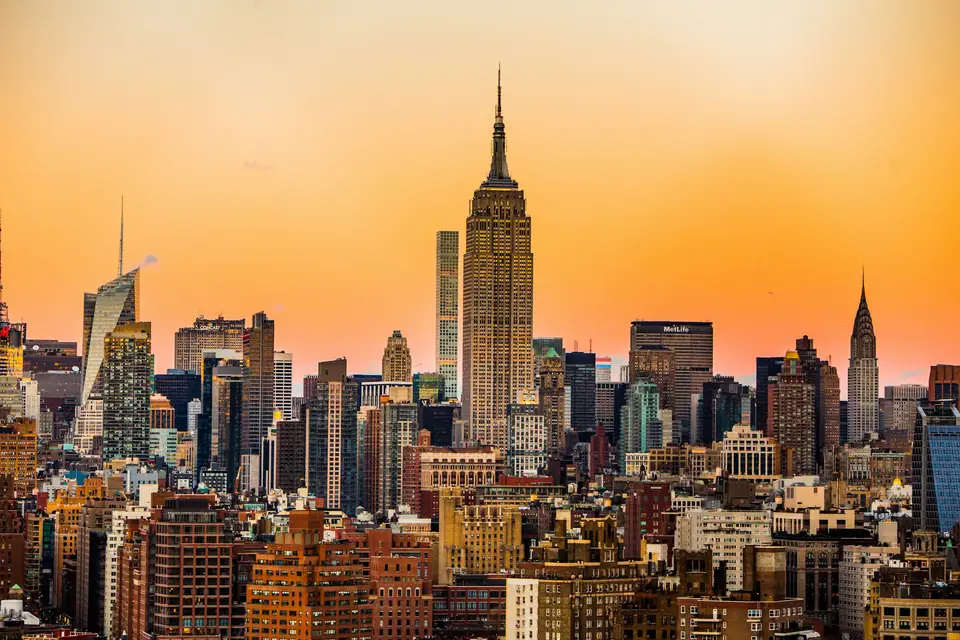
Photo by Michael Discenza on Unsplash
New York City
Five boroughs unite 24-hour subways, riverside museums, public parks, and historic harbour crossings across America's largest city.
Quick decisions
How many days?
Four or five days allow unhurried walks across Midtown, Lower Manhattan, Central Park, and Brooklyn neighbourhoods. Build your daily sequence around our three-day New York itinerary to group sights by zone.
Where should I stay?
Choose rail-dense Midtown for fast transfers, or pick leafy streets on the Upper West Side and Greenwich Village. Compare Local Law 18 apartment rules and seven hotel hubs in our New York neighbourhood staying guide.
Do I need a car?
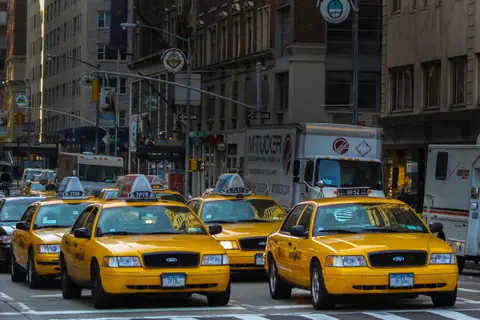
Skip rental cars in Manhattan, where parking runs scarce and Congestion Relief Zone tolls apply below 60th Street. The 24-hour subway reaches four boroughs directly.
Best for
Art collections along Museum Mile, Broadway theatre evenings, skyline observation decks, harbour ferries, and global kitchens across five boroughs. Learn street grid basics via our Manhattan orientation overview.
Before you go
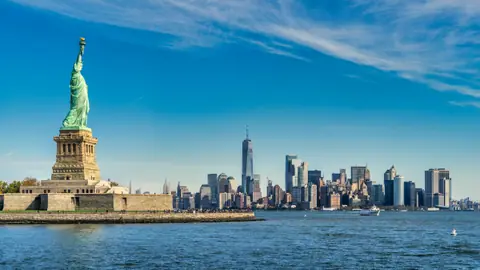
Reserve ferry slots early since Statue City Cruises pedestal and crown access sells out months ahead. Confirm official Battery Park pier rules in our Liberty and Ellis Island ferry guide.
Getting around
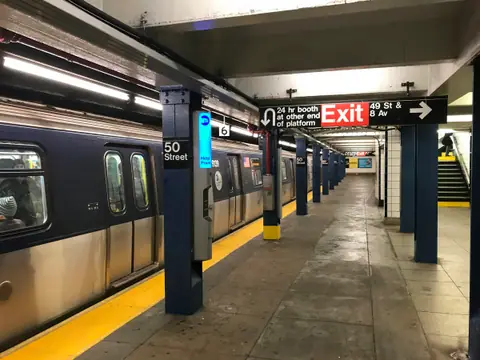
Tap a contactless bank card or phone directly on OMNY readers across subways and local buses. Compare JFK, Newark, and LaGuardia rail or shuttle routes in our airport arrivals and transit guide.
Continue your trip
Board Amtrak Northeast Corridor trains at Moynihan Train Hall south to Washington DC or north-east to Boston.
Overview
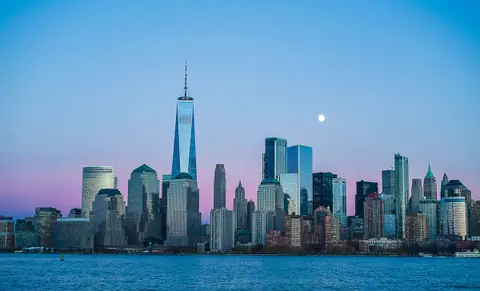
New York City grew from 17th-century Dutch trading settlements into a dense metropolis when five boroughs consolidated into one municipality in 1898. Manhattan serves as the cultural and financial spine across 784 square kilometres shared with Brooklyn, Queens, the Bronx, and Staten Island. North of Houston Street, the 1811 Commissioners' Plan lays out numbered east-west streets intersecting numbered avenues cleanly. Below Houston Street, older colonial lanes still wind unevenly through Greenwich Village and the Financial District.
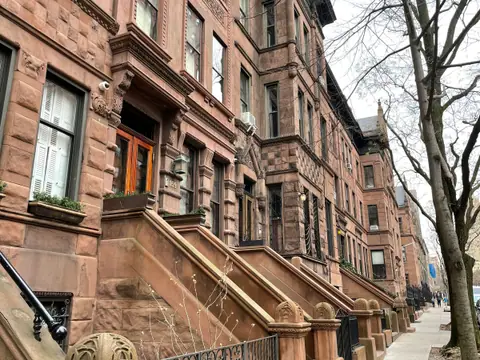
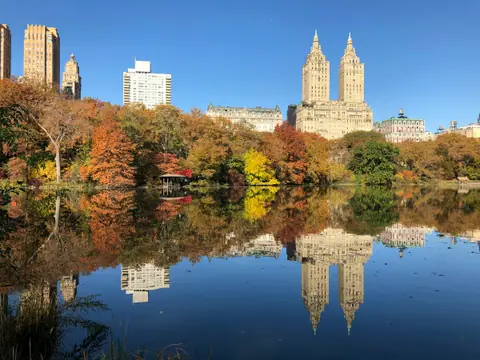
City rhythm plays out outdoors along wide avenues, elevated viaduct trails, and harbourfront parks framing working river traffic. Green meadows inside Central Park separate quiet residential avenues on the Upper East and Upper West sides, while subways link distant outer quarters continuously. Exploring on foot reveals independent bookshops and stone brownstones better than cab windows. Prepare supportive footwear and weather layers using our street walking and bag rules checklist.
Getting there
Overseas and domestic flyers arrive across three Port Authority aviation hubs linked to Manhattan transit. From John F. Kennedy International Airport in south-eastern Queens, automated AirTrain cars connect directly to Long Island Rail Road trains at Jamaica Station or subway lines E, J, and Z. Newark Liberty International across the Hudson River links via its AirTrain monorail to NJ Transit rail services bound for New York Penn Station. Northern Queens gateway LaGuardia lacks rail tracks, relying instead on the cost-free Q70 Select Bus connecting straight to subway routes.
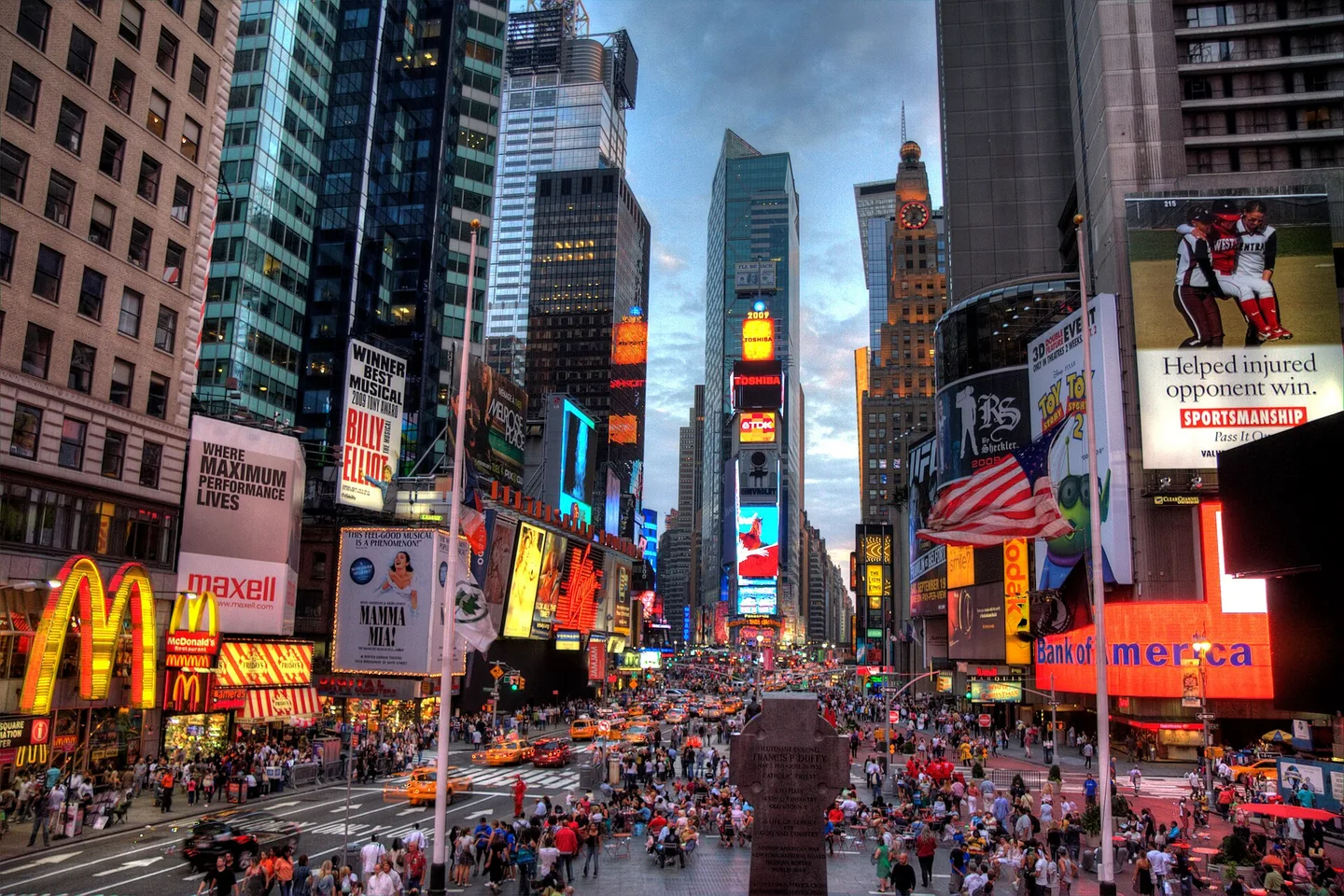
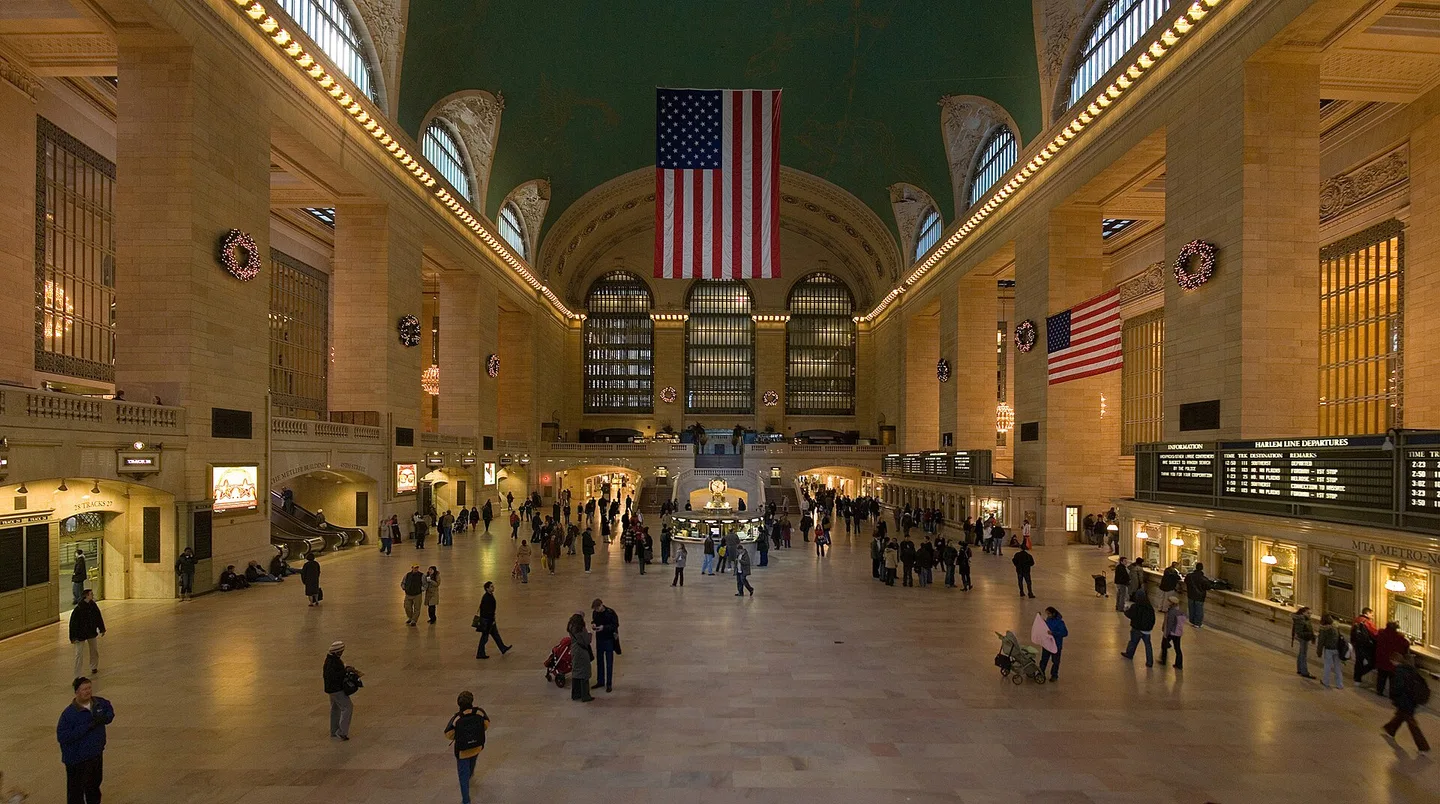
Around town, the MTA subway operates 24 hours a day across 472 stations spanning Manhattan, Brooklyn, Queens, and the Bronx. Riders tap contactless bank cards, phones, or OMNY cards at turnstiles since legacy paper MetroCards have been phased out. Driving across Manhattan south of 60th Street incurs daytime Congestion Relief Zone charges alongside steep bridge tolls and garage fees. Intercity rail passengers step straight out beneath skylit glass arches at Moynihan Train Hall and Grand Central Terminal.
Where to stay
Short-stay apartment lettings face strict enforcement under Local Law 18, which bars whole-unit rentals shorter than 30 consecutive days. Travellers should reserve licensed hotels or verified host-present rooms capped at two guests to prevent last-minute booking cancellations. Midtown centres near Grand Central and Bryant Park simplify cross-borough subway hops, though avenues stay lively and noisy well past midnight.
Quieter nights favour tree-lined brownstone blocks along the Upper West Side beside Central Park or residential side streets in Chelsea and Greenwich Village. SoHo cast-iron avenues and the Lower East Side suit late diners and gallery walkers. Across the East River, Downtown Brooklyn, Williamsburg, and Long Island City trim nightly hotel bills while remaining just one or two subway stops outside Midtown.
Things to do
Headline museums and skyscrapers reward travellers who reserve timed admission ahead of busy weekends. The Metropolitan Museum of Art displays global collections along Fifth Avenue, while Midtown's Museum of Modern Art spotlights modern painting and sculpture near Bryant Park. Observation decks crowning the Empire State Building and Top of the Rock frame Manhattan towers from starkly different heights. Pair indoor collections with waterfront walks using our prioritised museums and decks guide.
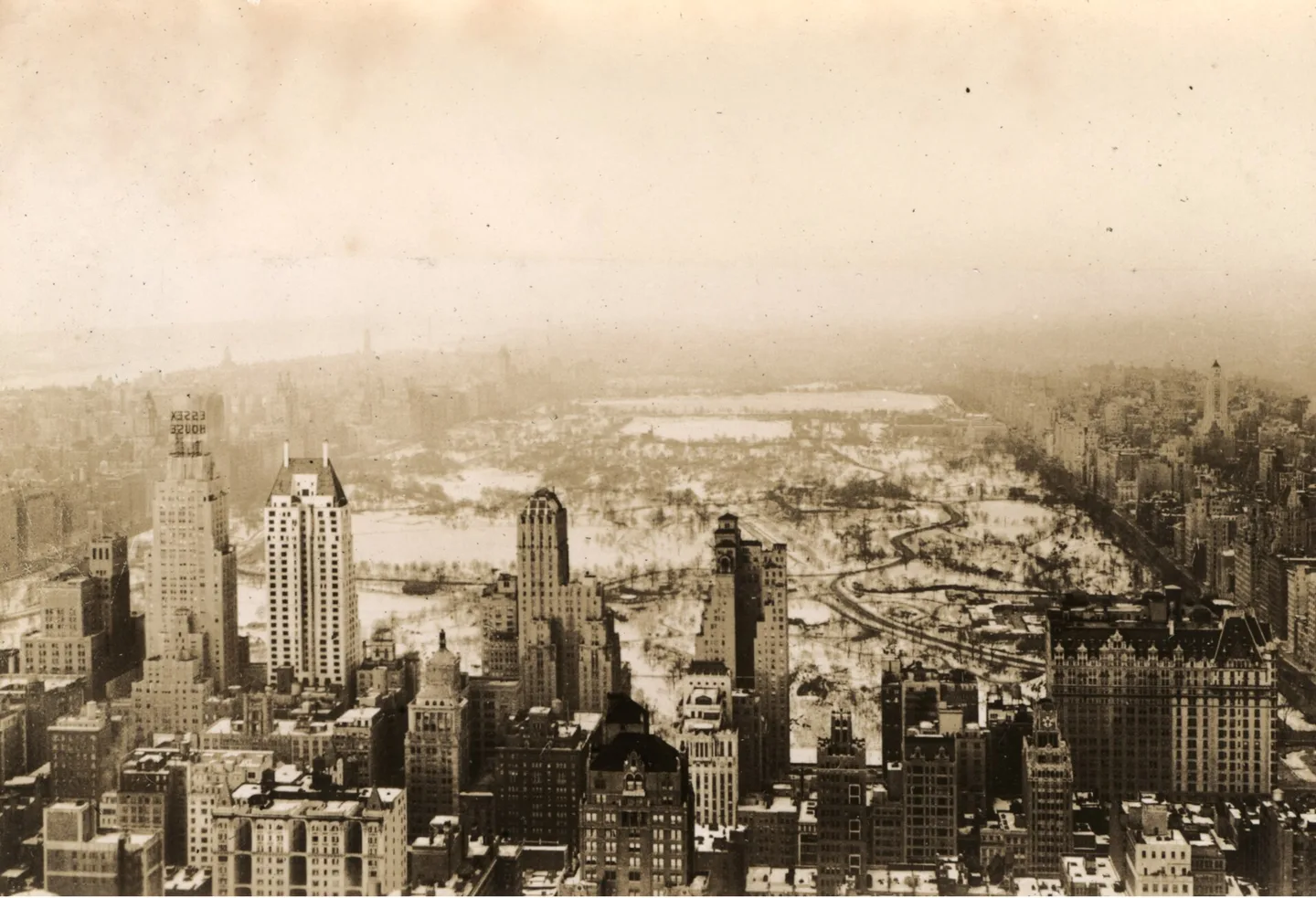
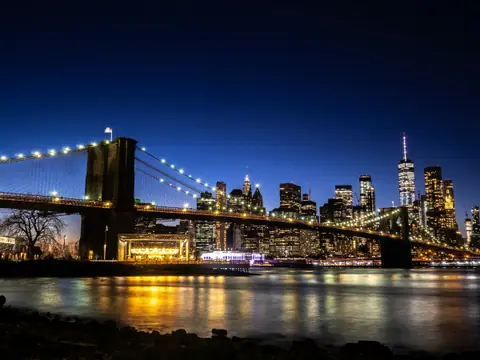
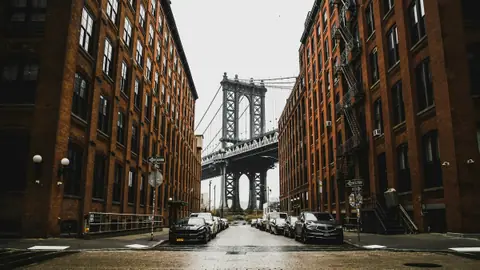
Down at Battery Park, Statue City Cruises operates the sole authorised ferries landing at Liberty Island and Ellis Island. Separate pedestal and crown reservations vanish months early during peak travel periods. Morning strolls trace cast-iron bridges and shaded meadows inside our southern Central Park walking loop before crossing the East River. Afternoon itineraries step across the timber promenade into DUMBO via our Brooklyn Bridge and heights guide.
Food and drink
Culinary traditions stretch across immigrant neighbourhoods linked directly by commuter rails throughout all five boroughs. Lower Manhattan and Midtown keep classic pastrami delicatessens, boiled bagel bakeries, and thin-crust coal-oven pizzerias busy all afternoon. Riding the elevated 7 subway train east through Queens stops in Jackson Heights and Flushing for Himalayan dumplings, Colombian bakeries, and hand-pulled noodle counters.
Seasonal open-air stalls and indoor markets inside converted warehouse arcades such as Chelsea Market make midday lunches effortless. Coffee counters expect small loose change or digital tips, whereas sit-down restaurant bills carry pre-tax totals requiring an 18 to 20 percent gratuity. Notice retail till receipts also add 8.875 percent city and state sales tax beyond menu prices.
Culture
Fast pavement flow underpins daily city courtesy on narrow commercial blocks across Midtown and Lower Manhattan. Step aside against shopfronts whenever checking phone maps or framing skyscraper photos so brisk commuters can pass unimpeded. Stand right on long subway escalators while leaving the left lane clear for rushing passengers heading down to express tracks.
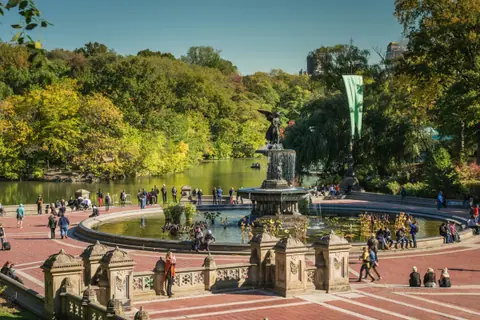
Belvedere Castle and Open-Meteo records track crisp January temperatures averaging 4.4°C high and -3.3°C low against humid July highs reaching 29.5°C. Mild shoulder weeks in May and October offer comfortable walking weather paired with autumn leaf colour before December holiday crowds arrive. Match travel windows cleanly using our seasonal foliage and climate guide prior to booking flights. Moynihan Train Hall also puts upstate New York rail trips and coastal corridors within direct reach.
Weather by month
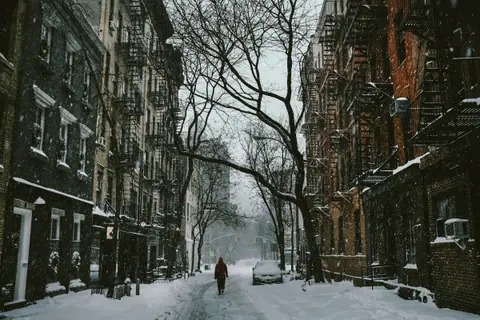
New York City is warmest in July, with average highs around 30°C, and coldest in January, when nights drop to about -3°C. July is the wettest month by rainfall (139 mm), with rain on about 13 days. For mild weather with fewer rainy days, aim for September and October.
| Month | Low | Range | High | Rain | Rainy days |
|---|---|---|---|---|---|
| Jan | -3°C | 4°C | 100 mm | 10 d | |
| Feb | -3°C | 6°C | 91 mm | 10 d | |
| Mar | 0°C | 10°C | 116 mm | 10 d | |
| Apr | 6°C | 16°C | 108 mm | 12 d | |
| May | 12°C | 21°C | 94 mm | 12 d | |
| Jun | 17°C | 26°C | 99 mm | 11 d | |
| Jul | 21°C | 30°C | 139 mm | 13 d | |
| Aug | 20°C | 28°C | 115 mm | 12 d | |
| Sep | 17°C | 25°C | 120 mm | 10 d | |
| Oct | 11°C | 19°C | 125 mm | 9 d | |
| Nov | 4°C | 12°C | 76 mm | 9 d | |
| Dec | 0°C | 7°C | 115 mm | 11 d |
Averages of daily values from 2015 to 2024. Rainy days are days with at least 1 mm of rain. Source: Open-Meteo · Compare destinations by month.
New York City on the map
Every place we cover in New York City. Tap a category or pin to explore.
In-depth New York City guides
Browse the guides grouped by topic: sights, neighbourhoods, food, transport, day trips and trip planning.
Sights, Landmarks & Parks
Key monuments, viewpoints, museums and nature trails.
- Essential Sights in New York City: Museums, Decks, Parks and River CrossingsWe organise New York City by pairing morning museum galleries with afternoon open-air routes across distinctive neighbourhoods.
- Central Park Walking Route: 59th Street to Belvedere CastleWe trace the historic south-to-midpark footpath linking Frederick Law Olmsted and Calvert Vaux landscapes from 59th Street up to Belvedere Castle.
- Statue of Liberty and Ellis Island: Official Ferries, Pedestal and ScamsWe navigate official harbour departures to Liberty Island and Ellis Island, avoiding ticket touts through verified boarding routes.
Neighbourhoods & Where to Stay
Districts, historic quarters and the best bases for your stay.
- Brooklyn Neighbourhood Guide: Brooklyn Bridge Walk, DUMBO and Brooklyn HeightsWe explore waterfront promenades, historic brownstone streets, and East River crossings across the most populous borough of New York City.
- Where to Stay in New York: Neighbourhood Bases and Apartment RulesChoosing a comfortable base in New York City requires balancing rapid subway access, evening street noise, and strict short-stay rental regulations.
Getting Around & Arrival
Airport transfers, public transit, passes and driving rules.
Trip Planning & Itineraries
When to visit, what to pack and day-by-day routes.
- New York City Orientation: Grid Logic, Borough Layout and Transit DirectionsWe navigate New York City by understanding five distinct boroughs, Manhattan avenue arrangements, and clear underground transit directions.
- When to Visit New York City: Seasons, Temperatures and CrowdsChoosing the best season for New York City balances mild walking weather against holiday street crowds and seasonal hotel pricing patterns.
- What to Wear in New York City: Footwear, Street Wind and Museum Bag RulesPavements, subway steps, seasonal river winds, and tight gallery bag checks require practical clothing choices across Manhattan neighbourhoods.
- Three Days in New York City: Lower Manhattan, Midtown and Historic VillagesWe organise three dense days across Manhattan and Brooklyn into geographic zones that eliminate cross-town backtracking entirely.
Upcoming events in and near New York City
Concerts, festivals and tours with their own guide on JourneyCities. Check dates with the organiser before you book.
- Westlife at Madison Square Garden19 March 2027 · Madison Square Garden, New York
- Hermanos Gutiérrez at Radio City Music HallMay 15, 2027 · Radio City Music Hall, New York
- Paige DeSorbo and Hannah Berner at Madison Square GardenFebruary 18 through 21, 2027 · Madison Square Garden, New York
- Tedeschi Trucks Band at Beacon Theatre 2027March 16, 17, 19, 20, 24, 26, 27, 31 and April 2, 3, 2027 · Beacon Theatre, New York
- Slayyyter at Madison Square Garden 2027: Headline New York City Arena ShowJune 21, 2027 · Madison Square Garden, 4 Pennsylvania Plaza, New York City



Need your embassy or consulate in United States? See embassies and consulates in United States.
Reviews
Log in to write a review.
No reviews yet.