


























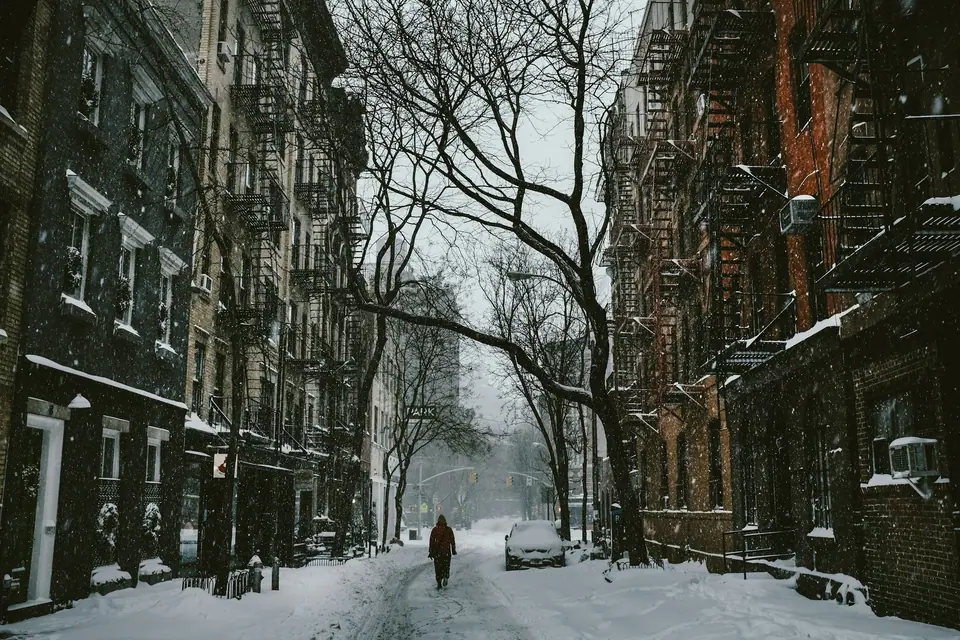
Photo by Chanan Greenblatt on Unsplash
What to Wear in New York City: Footwear, Street Wind and Museum Bag Rules
Pavements, subway steps, seasonal river winds, and tight gallery bag checks require practical clothing choices across Manhattan neighbourhoods.
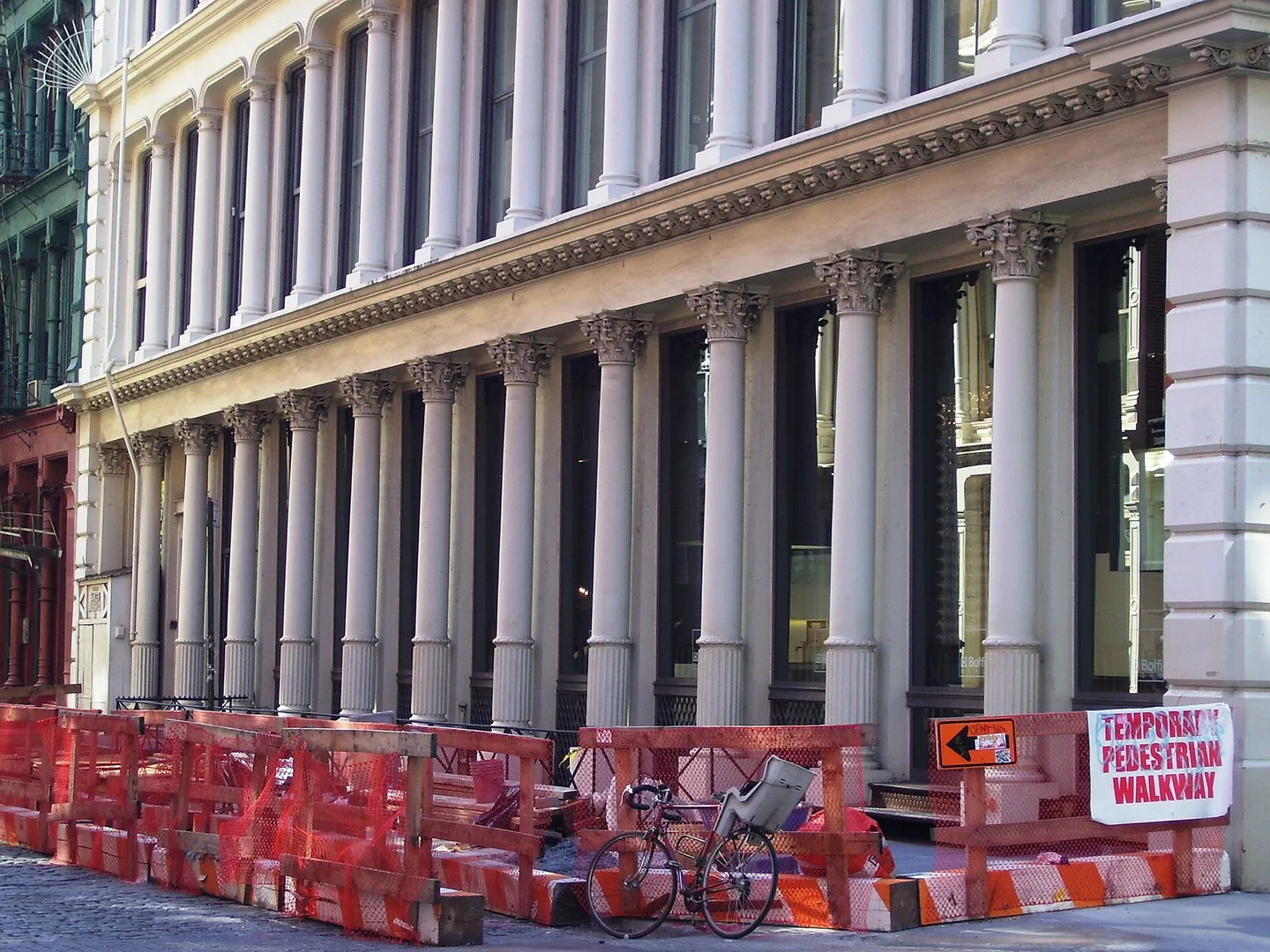
Manhattan is an intensely physical walking city where daily foot travel accumulates rapidly on uncompromising concrete. We routinely register thousands of paces between subway transfers, street crossings, and park strolls. Solid, cushioned trainers with thick rubber soles protect feet against rigid stone pavements and metal ventilation grates. Avoid thin canvas plimsolls or unyielding leather soles that transmit every impact directly into your joints. Sturdy closed-toe shoes also shield your feet from street puddles, subway platform dirt, and crowded rush-hour carriages.
Footwear for Concrete Pavements and Subway Stairs
Navigating the transport network involves steep staircases rather than working lifts at most local stations. Broken-in walking shoes with dependable tread prevent slipping on polished stone steps or wet metal stairs during rainfall. Strolling north through paved paths in Central Park or climbing station stairs demands flexible arch support. Leave unproven shoes at home, because blistered heels will quickly compromise your daily itinerary.
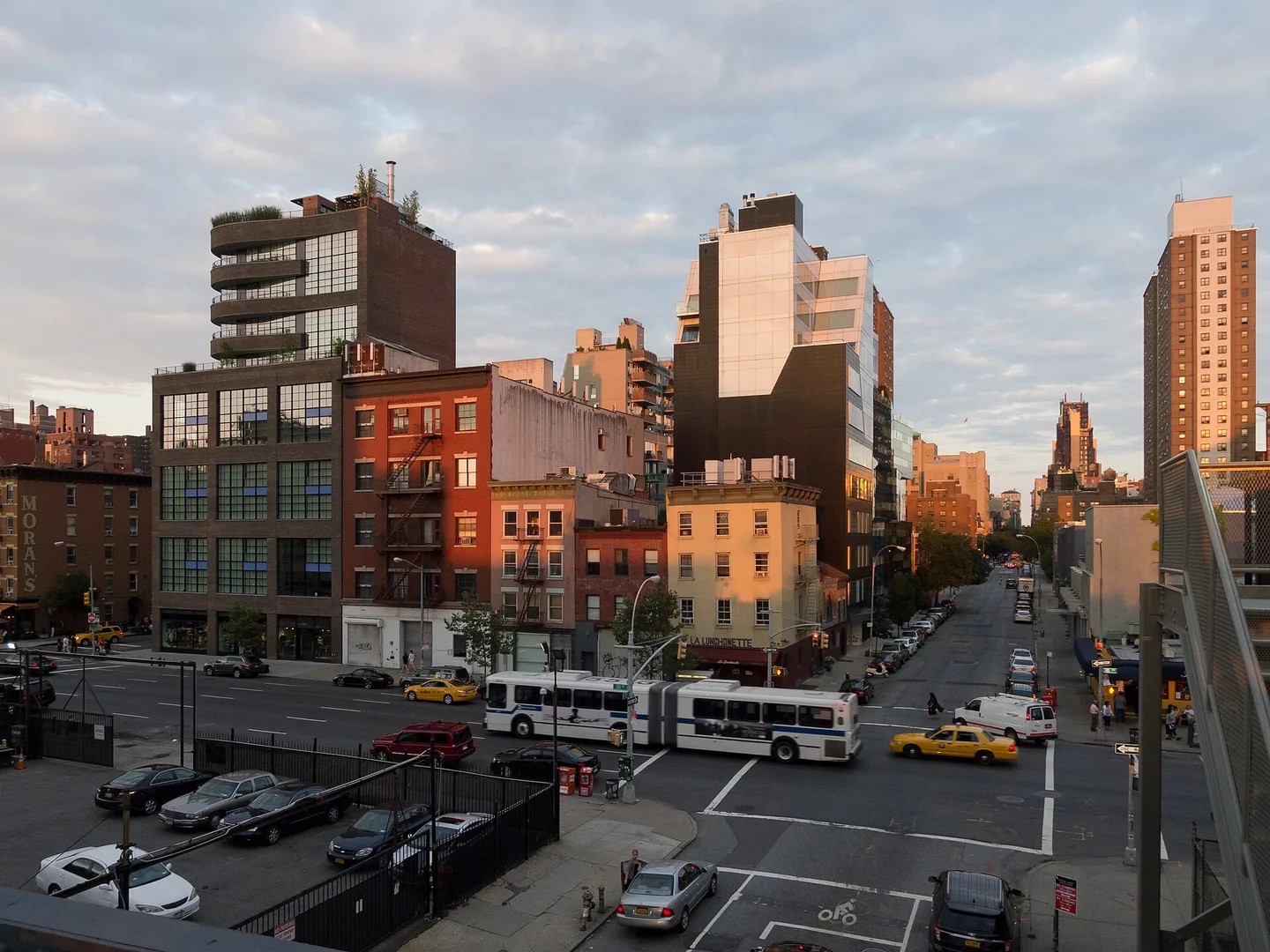
Subway platforms can become warm during transit, so breathable socks made from wool blends or technical fibres help maintain comfort. Bringing two reliable pairs of walking shoes lets you alternate pairs between days, allowing shoe foam to recover.
- Choose cushioned road-running shoes or structured walking trainers with deep rubber grip for city pavements.
- Select moisture-wicking synthetic or merino wool socks to prevent friction blisters during prolonged walks.
- Pack low-profile waterproof boots or treated leather shoes for sleet, rainstorms, and slushy kerbside puddles.
Avenue Wind Corridors and River Bridges
Manhattan follows a rigid street grid that acts as a giant natural funnel for cold air currents. Long north-to-south avenues channel river breezes from the Hudson and East rivers directly between towering high-rise blocks. Even when general temperatures seem moderate, brisk gusts between tall buildings lower the perceived temperature significantly. Winter travellers crossing open bridges or wide avenues need windproof outer layers rather than loose, porous knits.
A hooded wool coat or an insulated down jacket blocks biting avenue draughts effectively. A close-fitting beanie hat, a thick scarf to wrap around the neck, and lined gloves are essential winter items. Keep these compact items inside your pockets, as temperatures fluctuate sharply between freezing exterior blocks and heated shops. Planning outerwear around seasonal weather shifts keeps winter urban exploration comfortable across breezy waterfront promenades.
Summer Humidity and Strong Indoor Air Conditioning
Summer in the city brings heavy humidity that lingers between dense stone buildings and asphalt avenues. Lightweight linen shirts, loose cotton trousers, and breathable dresses allow steady airflow while walking open streets. Deep underground subway platforms often feel muggy and hot while you wait for incoming trains. However, boarding a subway carriage or entering a museum introduces immediate, powerful air conditioning that chills damp clothing.
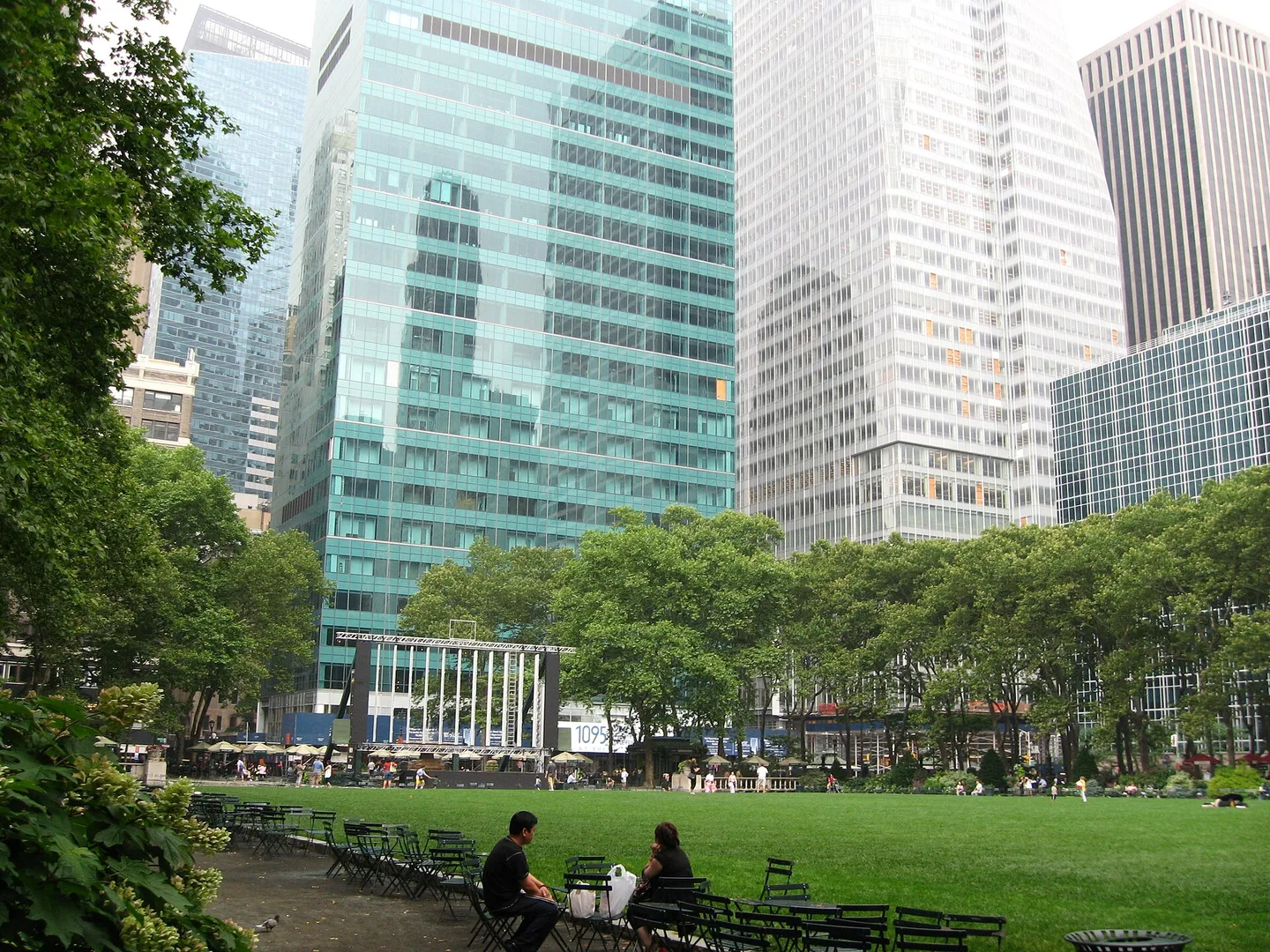
Carrying a compact cotton jumper or an unlined cardigan in your day bag solves this sharp indoor temperature difference. Throwing an extra layer over your shoulders stops chills in chilled galleries, Broadway auditoriums, and basement restaurants. Darker fabric shades conceal street dust and splashes while maintaining a tidy, put-together appearance for casual lunches. Sunglasses and wide-brimmed caps also ease eye strain across wide open plazas and sunlit park lawns.
Security Bag Limits and Dining Dress Codes
Major cultural landmarks maintain rigorous security checkpoints with strict limits on luggage dimensions and bulky backpacks. Compact crossbody bags or small daypacks keep your hands free while meeting screening rules at entrance gates. Visitors heading out to the Statue of Liberty or local art museums must pass through scanners and bag inspections. Bulky rucksacks must often be checked into cloakrooms, creating needless delays before gallery entry. Review exact venue guidelines in the VisitorFactsBox below.
| Setting | Recommended Attire | Practical Purpose |
|---|---|---|
| Street Exploring | Cushioned trainers, windproof shell | Absorbs hard pavement impact and deflects avenue wind |
| Museum Galleries | Crossbody bag, light cardigan | Meets security bag limits and balances strong air conditioning |
| Evening Dining | Dark trousers, neat collared shirt | Satisfies casual neighbourhood dinner standards across New York City |
Evening dining in Manhattan rarely demands formal black-tie dress, but smart-casual standards prevail across popular dining rooms. Dark denim, tailored trousers, clean low-profile leather trainers, and pressed shirts fit comfortably into neighbourhood bistros and theatres. Packing adaptable, wrinkle-resistant layers helps you move smoothly from daytime sightseeing to evening performances without returning to your hotel room.
Where it is
- 1New York City
- LaGuardia Airport (LGA) · about 13 km from New York City in a straight line
- Directions in Google Maps
Stations and taxi ranks: OpenStreetMap. Airports: OurAirports. Distances are in a straight line.
Traveller tips
Real advice from people who have been to New York City. Every tip is read by our team before it goes live.
No tips yet. Been here? Yours could be the first.
Thank you! Your tip will appear here after a quick review.
More in New York City
Continue exploring New York City with related neighbourhood, food, and planning guides
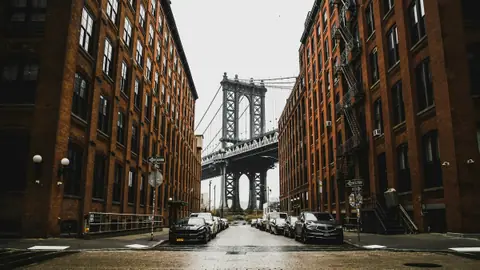
Brooklyn Neighbourhood Guide: Brooklyn Bridge Walk, DUMBO and Brooklyn Heights
New York City, United States
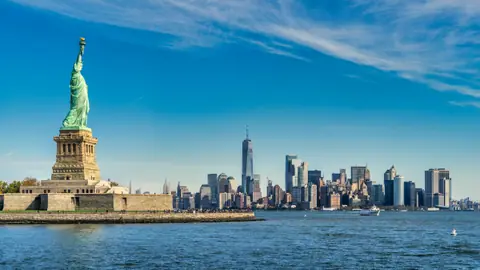
Statue of Liberty and Ellis Island: Official Ferries, Pedestal and Scams
New York City, United States
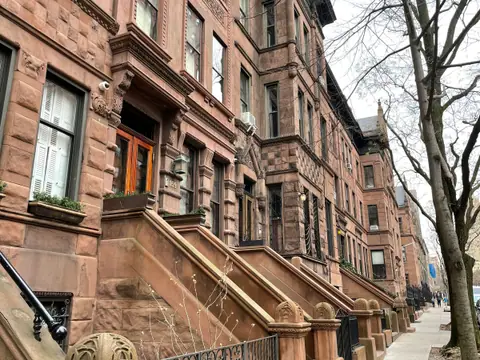
Where to Stay in New York: Neighbourhood Bases and Apartment Rules
New York City, United States
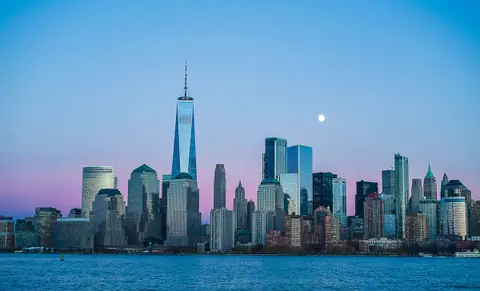
Three Days in New York City: Lower Manhattan, Midtown and Historic Villages
New York City, United States
