


























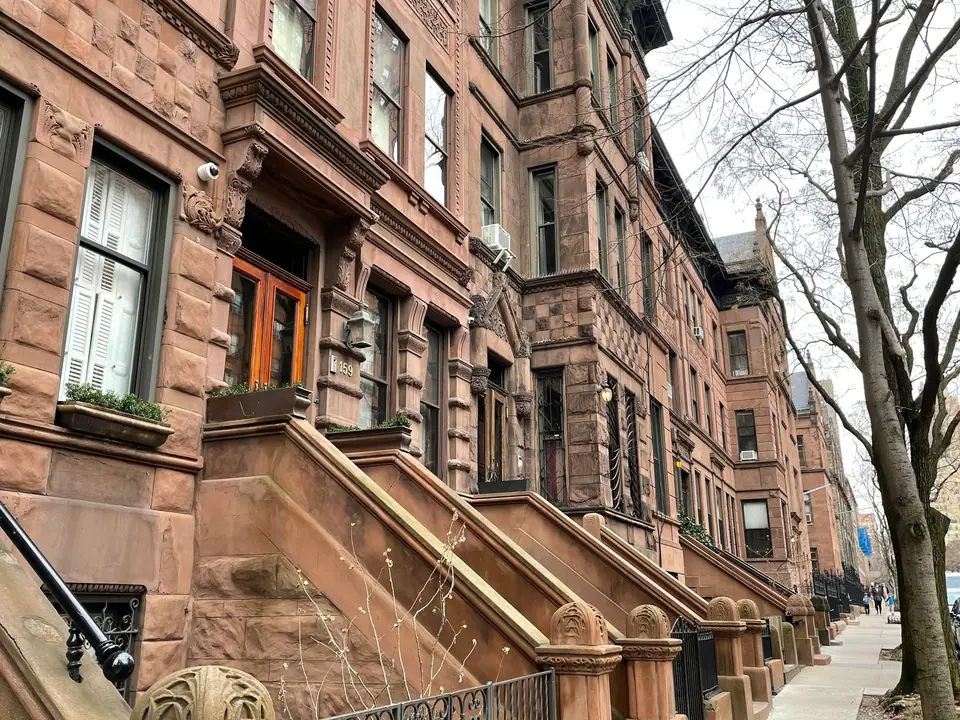
Photo by Steve Strang on Unsplash
Where to Stay in New York: Neighbourhood Bases and Apartment Rules
Choosing a comfortable base in New York City requires balancing rapid subway access, evening street noise, and strict short-stay rental regulations.
Understanding New York Accommodation Rules and Extra Fees
Booking a room in New York City involves strict municipal legislation alongside standard hotel research. Under Local Law 18, the Mayor's Office of Special Enforcement strictly restricts short-term rentals of entire flats for stays shorter than thirty days. Travellers cannot legally book unhosted residential flats on third-party websites unless the permanent resident stays in the unit during the stay. Registered hosts can accept a maximum of two paying guests at a time, and internal bedroom doors cannot have individual key locks.
Because unlicensed listings risk sudden administrative cancellation, registered commercial hotels remain the safest option for short holidays. Visitors should focus on licensed Class B properties, established traditional inns, or fully registered host-present rooms to avoid arrival disputes. Guest rooms in older Manhattan hotels frequently feature compact layouts with minimal luggage storage space. Invoices also add combined state and city room occupancy taxes alongside nightly municipal unit fees. Checking the full price breakdown prior to payment avoids surprises at check-in.
Midtown Hubs and Central Manhattan Neighbourhoods
Midtown Manhattan remains the most popular arrival zone for first-time visitors seeking direct subway access to major landmarks. Staying around Bryant Park or Herald Square places you within steps of multiple subway lines connecting uptown and downtown within minutes. Heavy foot traffic from shoppers and theatre crowds creates crowded pavements from morning until late at night. Compare JFK and Newark connections inside our airport rail and subway transfers overview before choosing a hotel block near Penn Station.
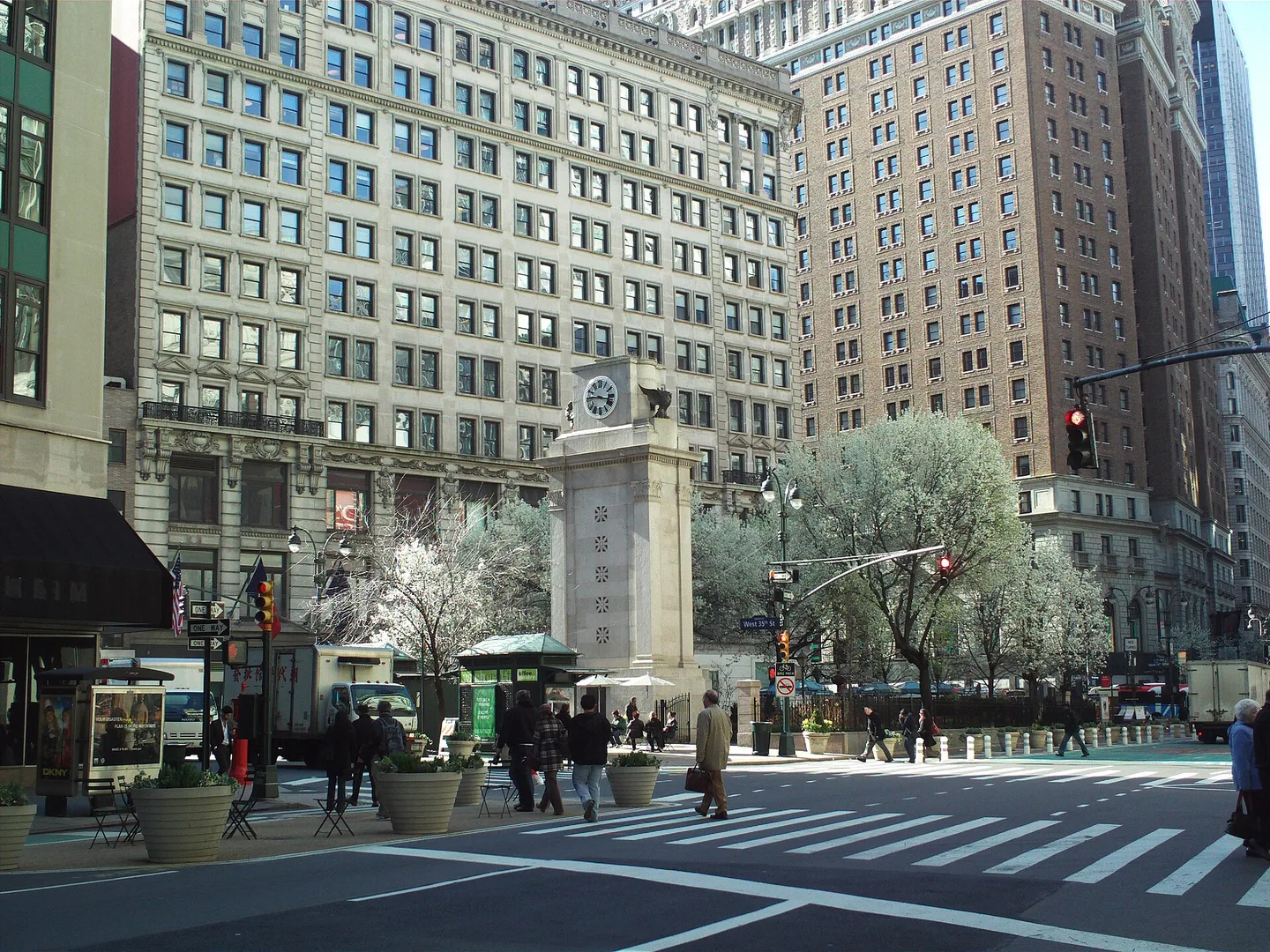
South of Midtown, Flatiron and NoMad offer a calm urban environment with excellent dining choices. These districts sit along the 23rd Street and 28th Street subway stations, giving swift access across the grid without intense tourist congestion. West of Flatiron lies Chelsea, known for contemporary art galleries, red-brick conversions, and immediate access to the High Line park. Chelsea hotels also offer quick walking routes north to Penn Station, making morning airport rail transfers remarkably simple.
| Neighbourhood | Primary Character | Subway Connectivity | Evening Noise Level |
|---|---|---|---|
| Midtown Bryant Park | Central commercial core | Multiple express and local lines | High foot traffic and sirens |
| Flatiron and NoMad | Restored commercial streets | Swift 23rd and 28th Street stops | Moderate and calm after dark |
| Greenwich Village | Historic residential blocks | West 4th Street hub | Lively restaurant crowds |
| Upper West Side | Calm residential brownstones | 1, 2, 3, B, and C lines | Very quiet night streets |
| Long Island City | Modern high-rise towers | 7, N, and W lines | Quiet waterfront environment |
Downtown Enclaves and Residential Upper Streets
Downtown Manhattan offers distinct historic streetscapes characterised by low-rise nineteenth-century brick buildings rather than glass skyscrapers. Greenwich Village and the adjacent West Village feature tree-lined lanes, restored carriage houses, and independent bookshops. Accommodation in these quarters consists mostly of small boutique inns and converted townhouses with limited lift access. Evenings remain active, as popular restaurants and historic basement jazz venues draw patrons from across the city.
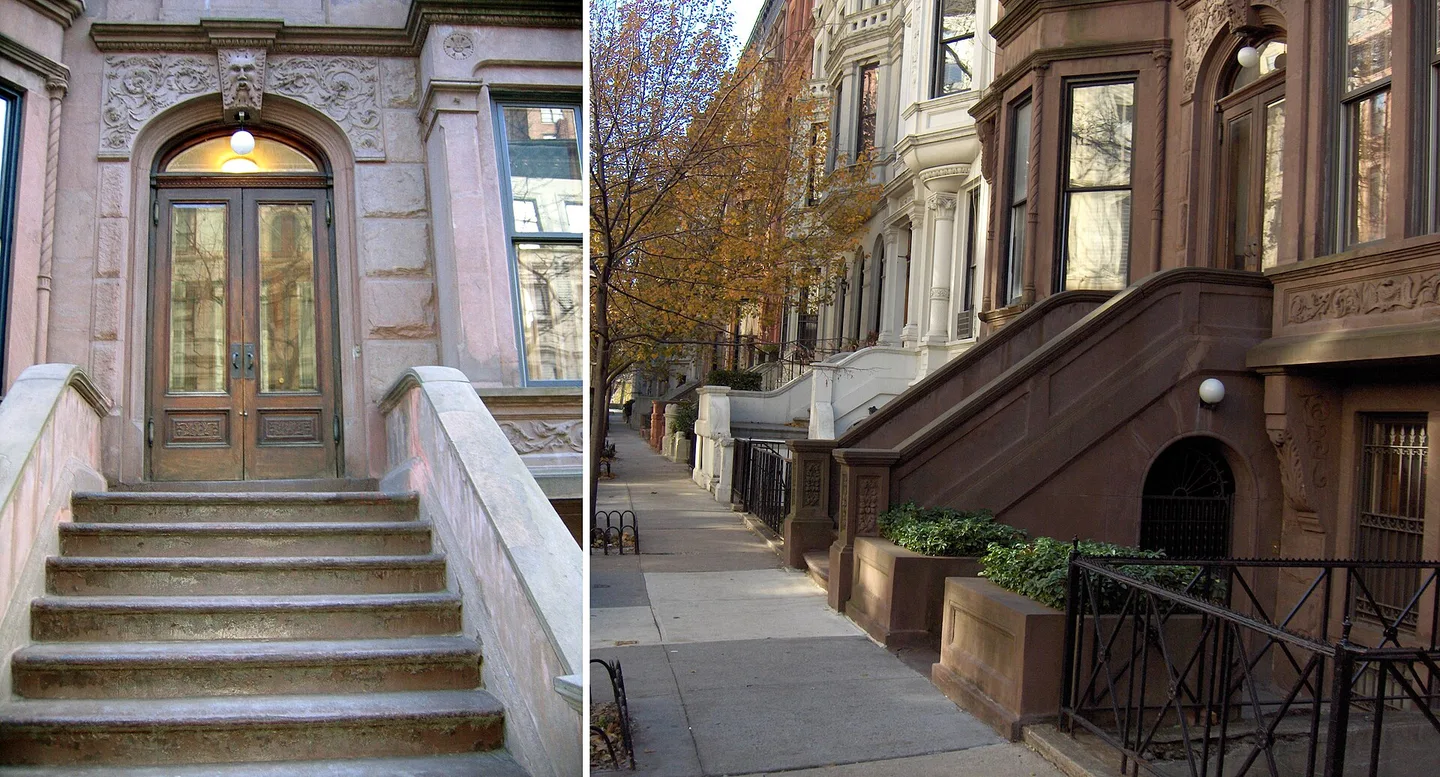
East of the Village, SoHo and the Lower East Side display cast-iron architecture, fashion boutiques, and popular music cellars. The surrounding streets can stay loud late into the night, particularly near cocktail lounges and tenement blocks. In contrast, the Upper West Side presents an orderly residential alternative between Central Park and the Hudson River. Tree-lined brownstone blocks link smoothly onto uptown express lines 1, 2, 3, B, and C. Families often prefer this neighbourhood for its wide pavements, relaxed bakeries, and close proximity to sprawling green playgrounds.
Waterfront Borough Alternatives Across the East River
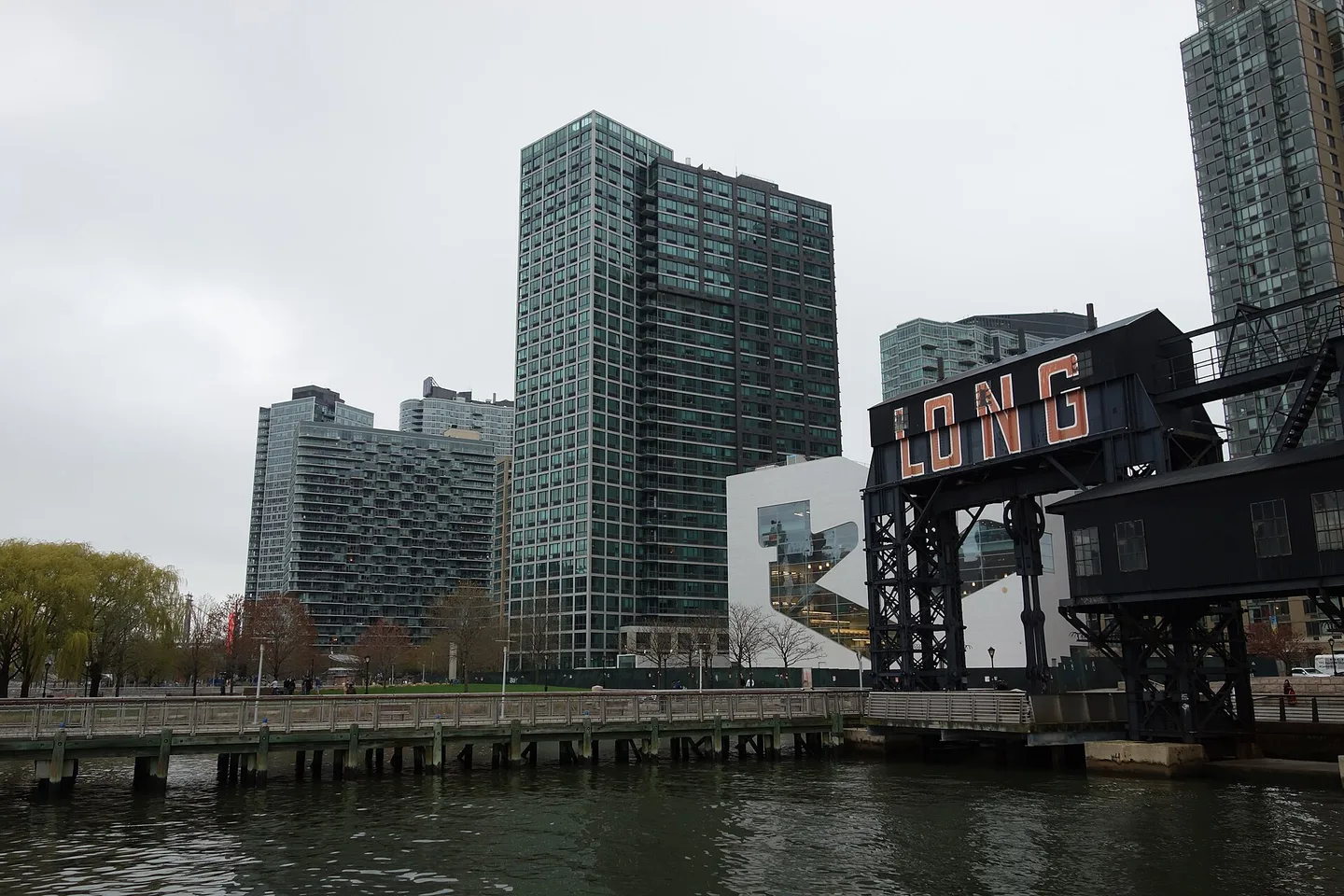
Manhattan hotel rates routinely peak during autumn and late spring, prompting many visitors to search across the East River. Long Island City in Queens has emerged as a reliable base offering modern high-rise hotels at moderate rates. Rooms here typically supply larger floor plans than central Midtown properties, often with panoramic skyline views across the water. Multiple subway lines run directly into Grand Central and Times Square in just one or two underground stops.
Downtown Brooklyn and Williamsburg represent another appealing option for travellers who enjoy independent arts and creative dining. Williamsburg features converted industrial warehouses, boutique hotels, and pleasant waterfront parks facing the Manhattan skyline. Discover promenade routes and brick brownstones in our DUMBO and Brooklyn Heights walk. Crossing back into Lower Manhattan takes just a brief subway hop or public East River ferry ride. Picking an outer-borough hotel trims nightly room bills while keeping midtown transit under twenty minutes.
Where it is
- 1New York City
- LaGuardia Airport (LGA) · about 13 km from New York City in a straight line
- Directions in Google Maps
Stations and taxi ranks: OpenStreetMap. Airports: OurAirports. Distances are in a straight line.
Traveller tips
Real advice from people who have been to New York City. Every tip is read by our team before it goes live.
No tips yet. Been here? Yours could be the first.
Thank you! Your tip will appear here after a quick review.
More in New York City
Continue exploring New York City with related neighbourhood, food, and planning guides
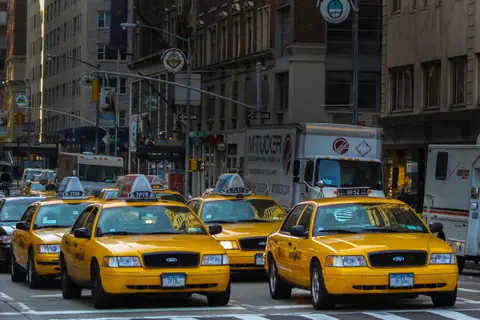
New York City Orientation: Grid Logic, Borough Layout and Transit Directions
New York City, United States
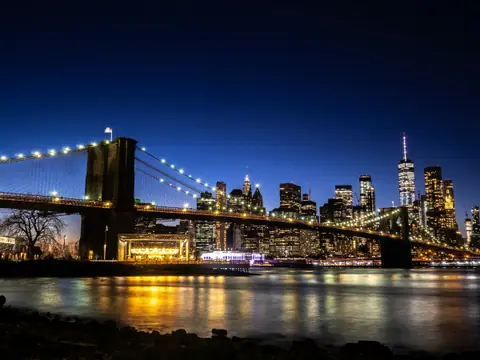
Essential Sights in New York City: Museums, Decks, Parks and River Crossings
New York City, United States
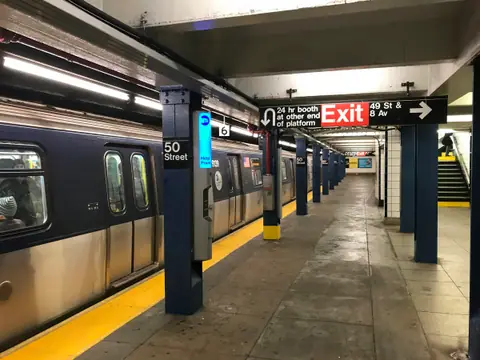
Getting to New York City: Rail Connections and Transit from JFK, Newark and LaGuardia
New York City, United States
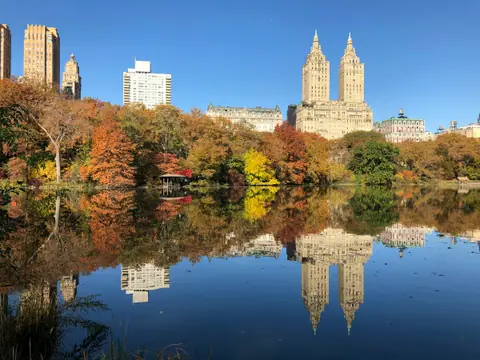
When to Visit New York City: Seasons, Temperatures and Crowds
New York City, United States
