


























Photo by Yoav Aziz on Unsplash
Essential Sights in New York City: Museums, Decks, Parks and River Crossings
We organise New York City by pairing morning museum galleries with afternoon open-air routes across distinctive neighbourhoods.
Approaching Manhattan without a geographic method quickly leads to fatigue. Cross-town transit requires steady walking between distant subway avenues. We find that grouping sights into morning interior halls and afternoon exterior walks protects your energy. Beginning along Museum Mile on Fifth Avenue places you beside dense cultural holdings directly bordering expansive tree canopies.
Major Museum Galleries and Historic Reading Rooms
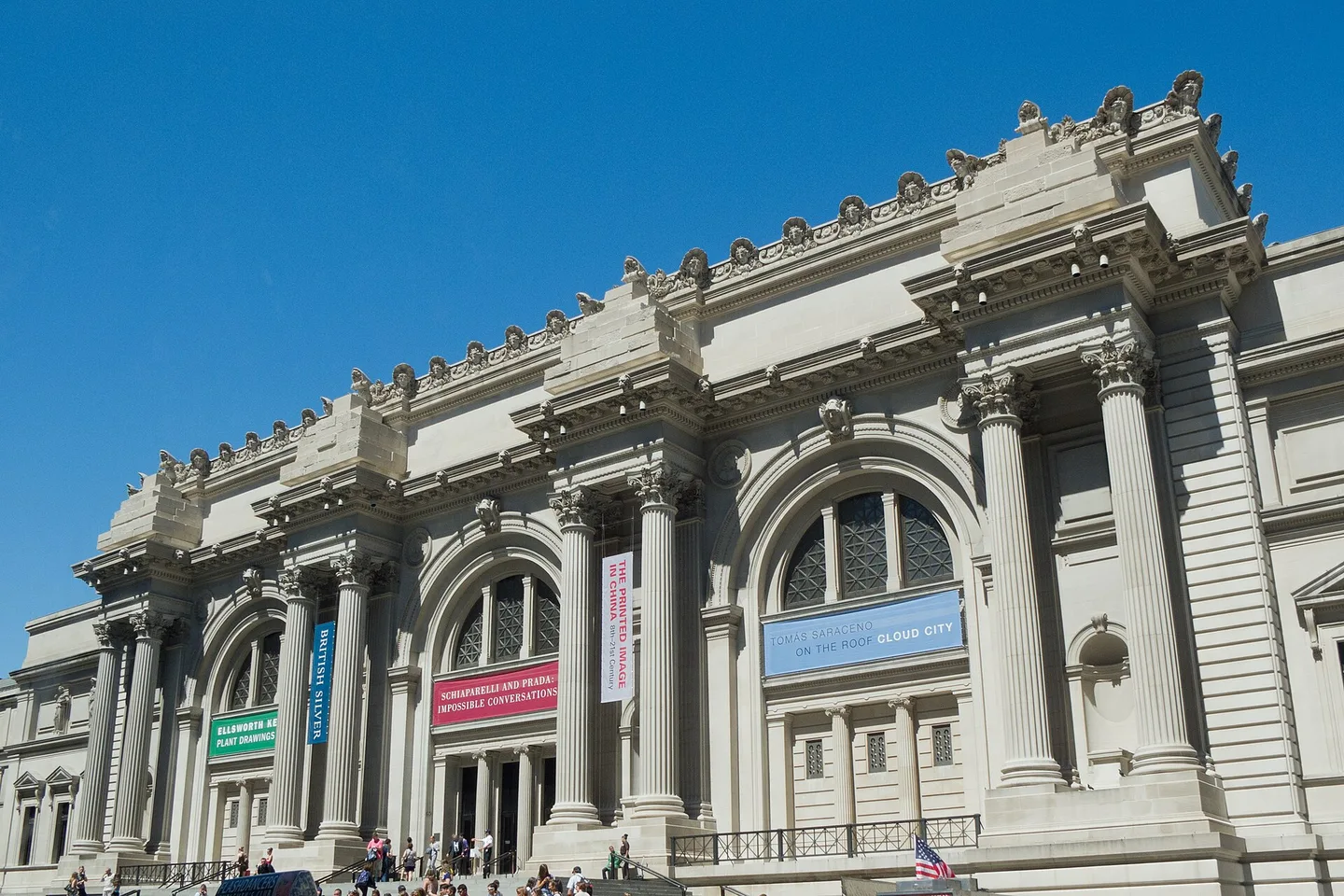
The Metropolitan Museum of Art anchors the eastern flank of Central Park. Its expansive collections span antiquity through contemporary painting. Moving through the Egyptian galleries towards the American Wing offers hours of steady cultural discovery under bright skylights. You should check the details in the VisitorFactsBox below before setting your daily schedule.
Further south in Midtown, the Museum of Modern Art presents modern masterworks across clean gallery storeys near subway lines. Combining modern painting collections with nearby civic architecture keeps your walking efficient. A short walk east reveals the Main Concourse of Grand Central Terminal with its vaulted celestial ceiling and polished marble floors.
Nearby on Fifth Avenue, the Stephen A. Schwarzman Building of the New York Public Library invites quiet exploration. Readers pass stone lions outside before admiring the ornate plasterwork and long wooden tables inside the historic reading rooms.
- The Metropolitan Museum of Art features vast collections ranging from classical sculpture to European painting beside park paths.
- The Museum of Modern Art displays influential modern canvases alongside experimental twentieth-century industrial design.
- The New York Public Library offers grand historic halls and quiet study tables steps from Midtown transit.
Walking between these institutions lets you observe how Midtown transitions from cultural corridors to dense commercial avenues. You can sit on the terrace steps along Fifth Avenue to take a brief rest before moving southwards. Many visitors appreciate the shaded courtyards and limestone details along the adjacent cross streets.
Midtown Observation Decks and Skyscraper Horizons
Viewing Manhattan from high observation levels clarifies the rigid street grid and surrounding river channels. Two primary midtown platforms offer completely different perspectives over the urban landscape.

The Empire State Building features outdoor terraces on upper floors. These viewing areas display historic stone balustrades and panoramic views towards southern financial towers. In contrast, Top of the Rock at Rockefeller Centre positions viewers directly opposite the Empire State Building. This vantage point also opens uninterrupted vistas over northern park foliage.
| Observation Platform | Primary Vantage Point | Notable Horizon Feature |
|---|---|---|
| Top of the Rock | Rockefeller Centre rooftop | Clear southern profile of the Empire State Building |
| Empire State Building | Midtown architectural spire | Sweeping southerly sightlines towards Lower Manhattan |
To pace your travel days effectively across multiple neighbourhoods, follow our New York City itinerary. Check the VisitorFactsBox below for entry arrangements before climbing either tower.
Observing the streets from several hundred metres up helps you comprehend the geography of the East River and Hudson River channels. You can spot the distinct diagonal path of Broadway cutting across the orthogonal avenues. Afternoon light casts long shadows across the grid, highlighting architectural setbacks from early twentieth-century zoning laws.
Elevated Greenways, Central Park and Urban Parks
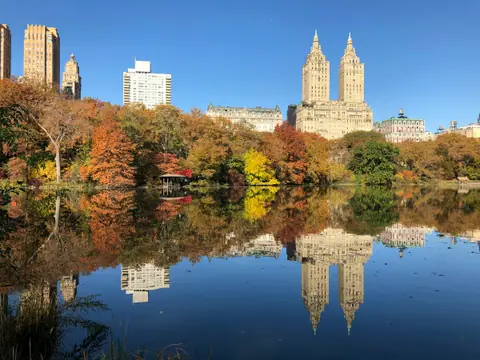
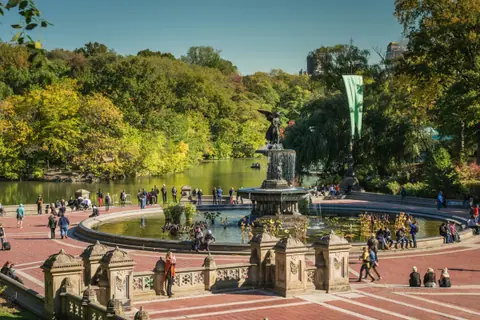
After spending mornings indoors under artificial gallery lighting, moving into public parks restores your perspective. Walking through the southern grounds of Central Park leads past curving bodies of water, rocky knolls, and willow groves. Continue exploring these pastoral pathways with our Central Park walking notes.
On the western edge of Manhattan, the High Line repurposes a former elevated railway structure into a planted linear public park. The path runs above street traffic, threading between brick warehouses and modern glass facades with occasional river benches. Perennial grasses and birch trees line the preserved steel rails, creating a calm corridor towards the southern meatpacking streets.
- Begin walking along the High Line near northern rail yards and follow the elevated gardens southwards.
- Descend near street markets for lunch before continuing towards riverside paths.
- Cross eastward towards classic green spaces when afternoon light softens across surrounding facades.
These open-air corridors demonstrate how reclaimed transit infrastructure connects varied neighbourhoods. Elevated paths give pedestrians an unusual vantage point over moving taxis and avenue traffic beneath. Pausing near the Chelsea overlooks allows you to study brick facades alongside modern additions.
Lower Manhattan Memorials, Bridges and Harbour Ferries
Lower Manhattan concentrates national history, financial institutions, and wide maritime waters within compact walking blocks. At the World Trade Centre site, the 9/11 Memorial features twin outdoor reflecting pools set inside the footprints of the original towers.
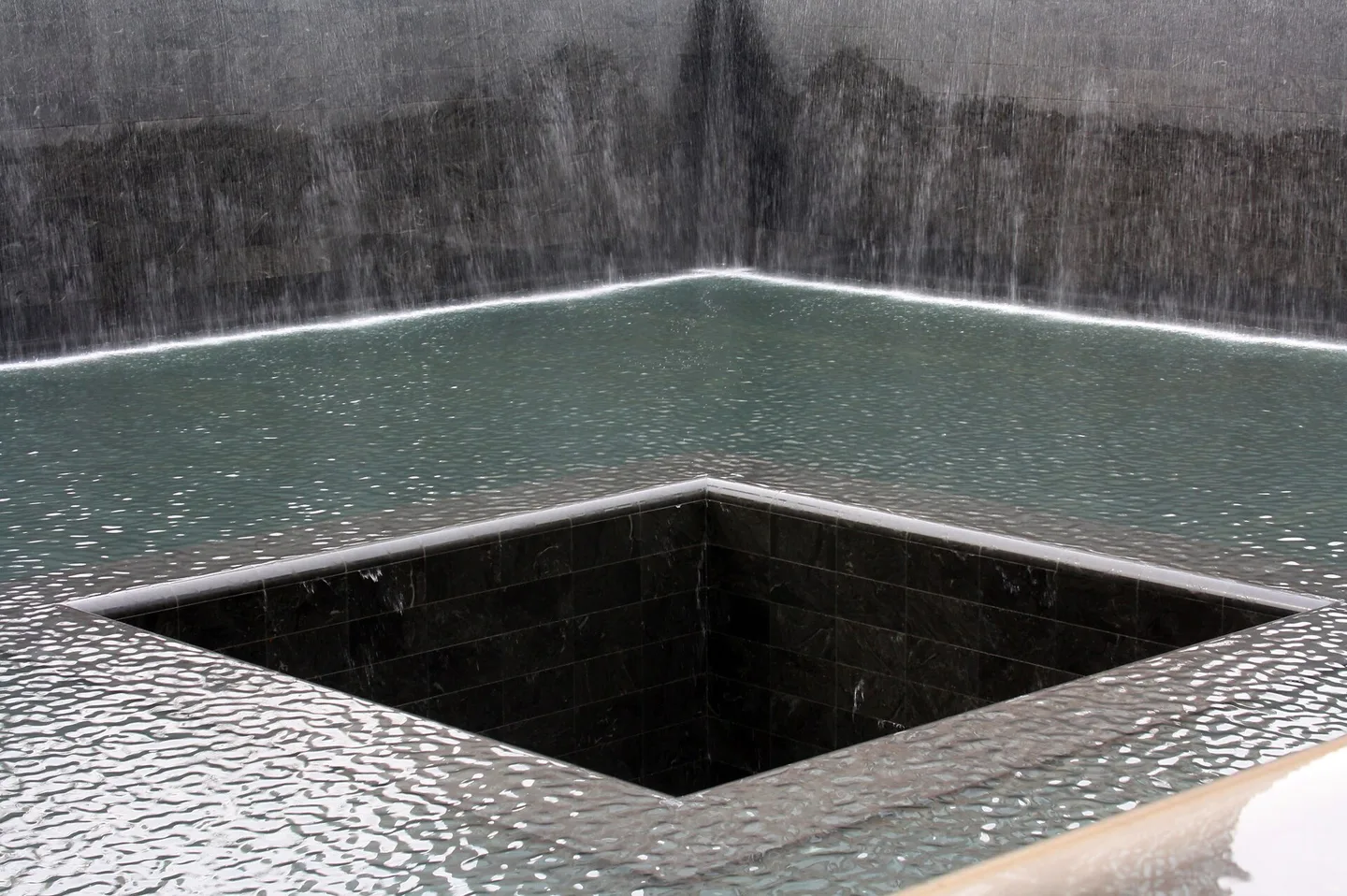
Bronze parapets surrounding the waterfalls carry the names of victims, while swamp white oaks shade the granite plaza. The adjacent museum houses recovered steel beams and documentary galleries beneath the stone pavement. Consult the VisitorFactsBox below for admission details before arranging your downtown route.
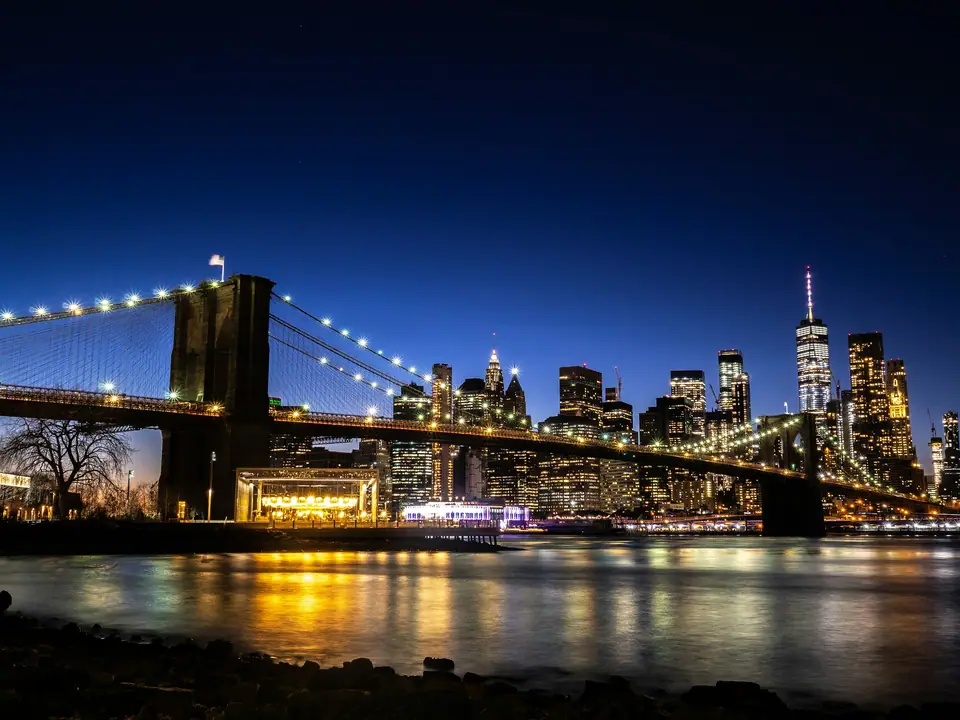
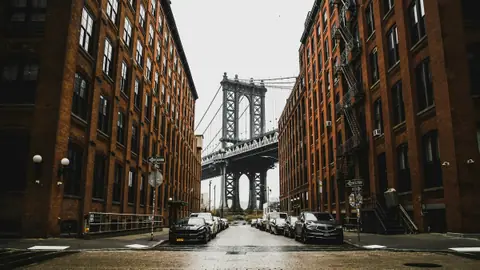
Walking across the elevated pedestrian promenade of the Brooklyn Bridge carries you over the East River towards historic waterfront parks. Discover additional neighbourhood paths across the river through our Brooklyn neighbourhood guide.
To view the city skyline and historic harbour channels from the water, board the free Staten Island Ferry from the Whitehall Terminal. The orange vessels cross New York Harbour past the Statue of Liberty, providing clear river vistas and cool sea breezes without requiring paid boat tickets. The round voyage gives an authentic perspective on the maritime geography that shaped this coastal metropolis.
You can also review our general New York destination overview to plan transit routes between the harbour and northern districts. Taking the ferry back towards Whitehall Terminal displays the southern tip of Manhattan rising steeply from the water line.
Where it is
- 1New York City
- LaGuardia Airport (LGA) · about 13 km from New York City in a straight line
- Directions in Google Maps
Stations and taxi ranks: OpenStreetMap. Airports: OurAirports. Distances are in a straight line.
Traveller tips
Real advice from people who have been to New York City. Every tip is read by our team before it goes live.
No tips yet. Been here? Yours could be the first.
Thank you! Your tip will appear here after a quick review.
More in New York City
Continue exploring New York City with related neighbourhood, food, and planning guides
When to Visit New York City: Seasons, Temperatures and Crowds
New York City, United States

What to Wear in New York City: Footwear, Street Wind and Museum Bag Rules
New York City, United States
Central Park Walking Route: 59th Street to Belvedere Castle
New York City, United States
Brooklyn Neighbourhood Guide: Brooklyn Bridge Walk, DUMBO and Brooklyn Heights
New York City, United States
