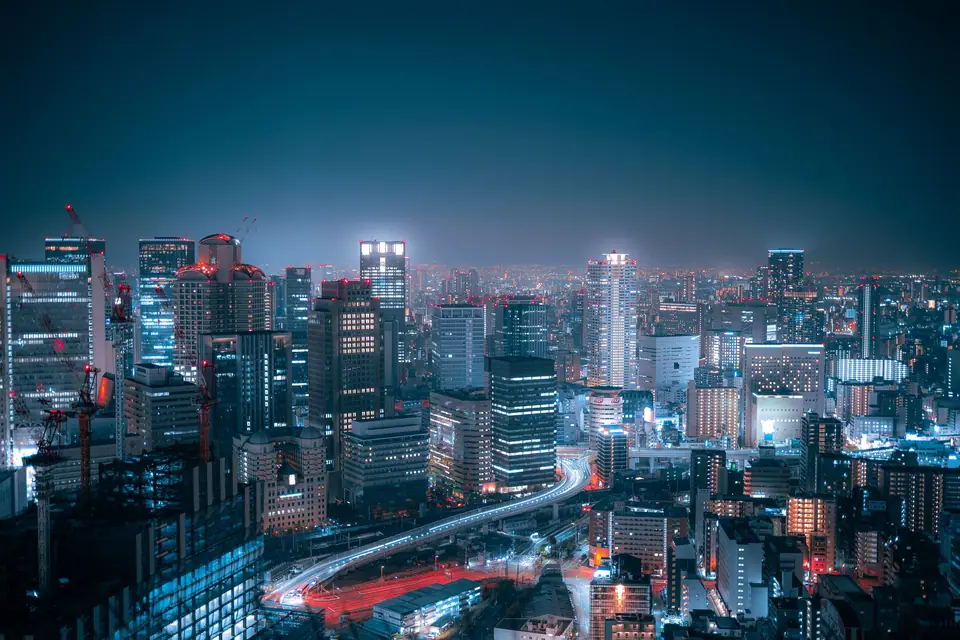
Osaka: What to Know Before You Go
City layout, why Osaka stands on the right on escalators, IC cards and dining manners.
Short answer: think of Osaka along a simple north-south subway line between Umeda (Kita) and Namba (Minami), stand on the right side of escalators, keep a few thousand yen in cash for street-food ticket machines alongside your ICOCA or Suica card, and eat standing beside the stall where you bought your snack rather than walking down the street with food in hand.
How Osaka is laid out: Kita, Minami and the Loop
Osaka is much easier to navigate than Tokyo once you picture two main centres connected by the red Osaka Metro Midosuji Line:
- Kita ("North", centred on Osaka/Umeda Station): a high-rise district of railway terminals, flagship department stores, underground shopping malls, the Umeda Sky Building and the lantern-lit izakaya alleys of Tenma and Ohatsu Tenjin.
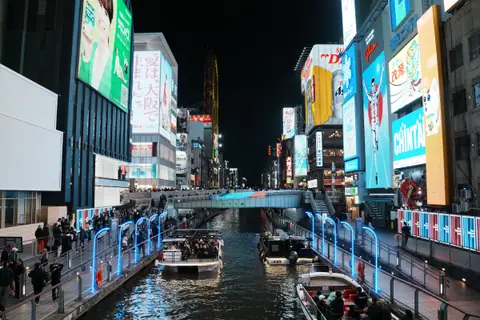
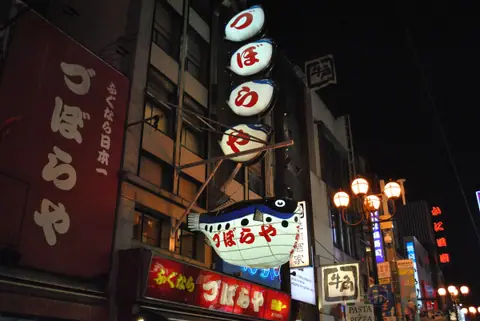
- Minami ("South", centred on Shinsaibashi and Namba): the neon-lit entertainment and street-food heart of the city, holding Dotonbori Canal, Kuromon Market, Amerikamura (vintage clothing) and Den Den Town (anime and electronics).
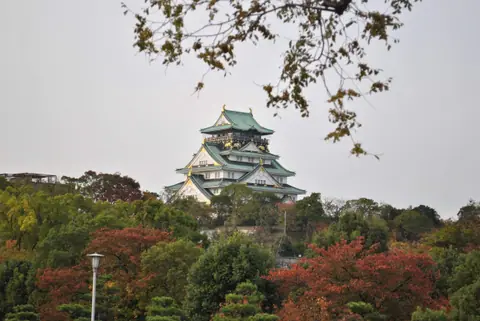
- Tennoji, Shinsekai and Castle Park: further south sits Shinsekai, Tsutenkaku Tower and Shitenno-ji Temple, while east of the centre rise the wide moats of Osaka Castle.
Three everyday customs that surprise visitors
First, in Osaka (unlike Tokyo or Kyoto), people stand on the right-hand side of escalators and leave the left side clear for walking, a habit dating back to the 1970 Osaka World Expo. Second, even in Japan's street-food capital, walking while eating (aruki-tabi) is frowned upon because sauces can drip on passers-by; finish your takoyaki at the standing counter or benches provided beside the stall, and return your tray and wooden picks to the vendor's bin. Third, in Shinsekai kushikatsu skewer shops that still use a communal metal vat of worcestershire-style sauce, never dip a skewer a second time after taking a bite (use a clean cabbage leaf to scoop extra sauce onto your plate instead).
Money, IC cards and tipping
Osaka Metro gates now accept contactless credit cards (Visa, Mastercard, JCB and Amex) as well as IC transit cards (ICOCA, Suica or PASMO, which can be added digitally to Apple Wallet). However, many older ramen shops, takoyaki counters and temple admission desks remain cash-only; withdraw yen at any 7-Eleven, Lawson or FamilyMart ATM. As across all of Japan, never tip in restaurants, bars, taxis or hotels.
Traveller tips
Real advice from people who have been to Osaka: What to Know Before You Go. Every tip is read by our team before it goes live.
No tips yet. Been here? Yours could be the first.
Thank you! Your tip will appear here after a quick review.
More in Osaka
Continue exploring Osaka with related neighbourhood, food, and planning guides