

Tokyo
A city of old temples, neon districts and superb food, held together by the most punctual railway on earth.
Quick decisions
How many days?
3 days: Asakusa, Shibuya, Shinjuku and a food market, at a steady pace. 4 to 5 days: add slower neighbourhoods like Yanaka and Shimokitazawa, plus a museum or two. 6 days or more: add a day trip to Kamakura, Nikko, Hakone or the Fuji lakes.
Where should I stay?
Shinjuku: the easiest first base, with trains in every direction. Shibuya: younger and just as well connected. Asakusa or Ueno: older streets and lower prices. More in our where to stay guide.
Do I need a car?
No. Driving in Tokyo is slow and parking is scarce and expensive. The trains and subway reach almost everything, and they run on time to the minute.
Best for
First-timers in Japan: the natural place to start. Food lovers: more serious restaurants than any city in the world. Families: very safe, clean and easy with children. Budget travellers: more manageable than its reputation, thanks to convenience stores and cheap lunch sets.
Before you go
IC card: get a Suica or PASMO at the airport, or add Suica to your iPhone before you fly. Book ahead: Shibuya Sky at sunset, teamLab and the Ghibli Museum sell out. Cash: cards work in most places, but carry some yen for small restaurants and shrines.
Getting around
From the airports: the Keisei Skyliner or the Narita Express from Narita, the Keikyu line or the monorail from Haneda. In the city: the JR Yamanote loop and the subway. Details in our getting there guide.
Continue your trip
The Shinkansen reaches Kyoto in about two and a quarter hours and Osaka in about two and a half. Kanazawa is around two and a half hours on the Hokuriku line, and Hakone and Nikko are both easy day trips.
Overview
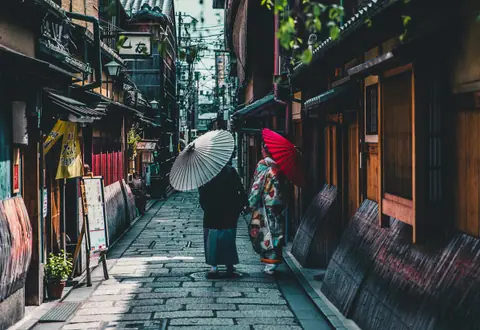
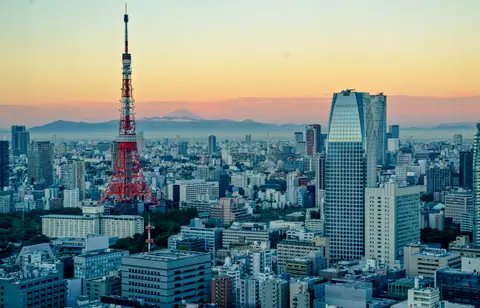
Tokyo is less one city than a few dozen neighbourhoods joined by railway lines, each built around its own station and each with a different mood. Asakusa has incense smoke drifting out of a 7th-century temple. Shibuya has the scramble crossing and ten floors of fashion. Shinjuku has office towers by day and tiny smoky bars by night. Walk ten minutes from any of them and you're in quiet lanes of two-storey houses with potted plants by the door.
It's also far easier than it looks. Signs are in English, the trains are simple once you have an IC card, and the city is very safe at any hour. Give it four days, pick one or two areas a day, and eat whenever you pass somewhere with a queue of locals. Start with our Tokyo travel guide.
Getting there
Tokyo has two international airports. Haneda is close to the centre and connected by the Keikyu line and the Tokyo Monorail. Narita is about an hour out, linked by the Keisei Skyliner and the Narita Express. From Kyoto and Osaka, the Shinkansen arrives at Tokyo or Shinagawa. Our getting there guide compares them.
Where to stay
Tokyo is huge, so your base decides how much time you spend on trains. Shinjuku and Shibuya are the easiest for a first trip, the Tokyo Station and Ginza area suits Shinkansen day trips, and Asakusa and Ueno are older and cheaper. We compare them in our where to stay guide.
Things to do
Most first trips circle the same few areas, and we have full guides to the temple district of Asakusa and to Shibuya and Shinjuku. For Meiji Jingu, the markets, museums and teamLab, see our things to do list, and for Kamakura, Nikko and Fuji, our day trips guide.
Food and drink
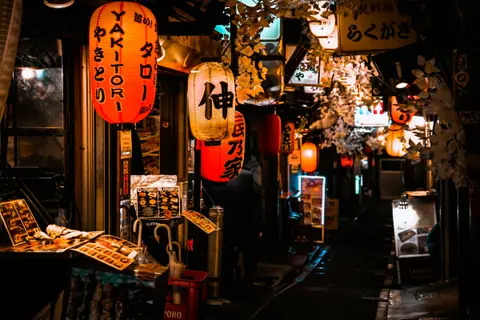
Eat where the office workers eat. Lunch sets (teishoku, a main with rice, miso soup and pickles) are the city's great bargain. Try a standing soba counter at a station, a bowl of shoyu ramen (the soy-based Tokyo style), and a tray of yakitori under the tracks in Yurakucho. Department store food halls (depachika) in the basement are a meal in themselves.
Culture
Tokyo was a fishing village called Edo until the Tokugawa shoguns made it their capital in 1603. It was renamed Tokyo, the "eastern capital", when the emperor moved here in 1868. The city was flattened twice in the 20th century, by the 1923 earthquake and by the bombing of 1945, which is why so little looks old. The old habits survived anyway: the shrine festivals, the neighbourhood bathhouses, the bow at the shop door.
In-depth Tokyo guides
Practical guides for planning your visit.
Reviews
Log in to write a review.
No reviews yet.