









Kyoto
Temples, shrines, gardens and old wooden streets in the city that was Japan's capital for more than a thousand years.
Quick decisions
How many days?
2 days: Fushimi Inari, Higashiyama and Gion, at a rush. 3 to 4 days: add Arashiyama, the Golden Pavilion and a slow evening in Pontocho. 5 days or more: day trips to Nara, Uji or a mountain temple like Kurama.
Where should I stay?
Downtown (Kawaramachi and Karasuma): the easiest all-round base. Kyoto Station: practical for trains and day trips. Gion and Higashiyama: the old city at your door, quiet at night. More in our where to stay guide.
Do I need a car?
No. Streets are narrow, parking is scarce and the famous areas are best on foot. Trains, the subway and the odd taxi cover everything else.
Best for
First-timers in Japan: yes, usually after Tokyo. Couples: very much so, especially with a ryokan night. Families: yes, though temple after temple bores small children fast. Budget travellers: doable, since many shrines are free and hostels are plentiful.
Before you go
Start early: the big sights are calm at dawn and packed by mid-morning. Shoes: you'll take them off constantly, so choose a pair that slips on. Cash: most places take cards now, but small temples and stalls still want coins.
Getting around
From the airport: the Haruka express from Kansai Airport to Kyoto Station. In the city: subway, JR and private railways, with buses as a last resort. Details in our getting there guide.
Continue your trip
Osaka is under half an hour by train and Nara about 45 minutes. Hiroshima is roughly an hour and forty minutes by Shinkansen, and Tokyo about two and a quarter hours.
Overview
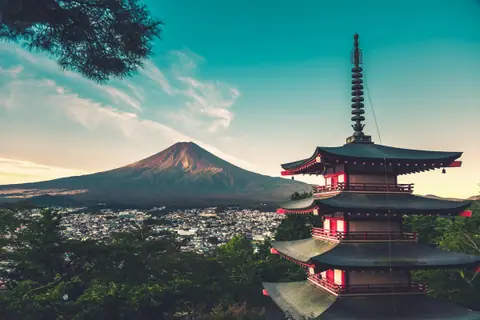
Kyoto was Japan's imperial capital from 794 until 1868, and it kept far more of its past than Tokyo or Osaka did. There are well over a thousand temples here, some of the finest gardens in the country, and whole streets of wooden townhouses. It's also one of the most crowded places in Asia at peak times, which is the first thing to plan around.
The trick is timing. Be at Fushimi Inari or the bamboo grove soon after dawn, spend the middle of the day somewhere less famous, and save Gion for the evening. Three or four days lets you do that without racing. Our Kyoto travel guide covers the practical side.
Getting there
Most international visitors land at Kansai Airport near Osaka or come down from Tokyo on the Shinkansen. Both arrive at Kyoto Station, the city's main hub. Our getting there guide covers the options, plus the subway and bus changes of the last two years.
Where to stay
Kyoto is compact, but your base still shapes the trip. Downtown is best for food and evenings, the station area for trains, and Higashiyama for waking up close to the old streets. A night in a ryokan or a restored machiya townhouse is part of the experience. Our where to stay guide compares them.
Things to do
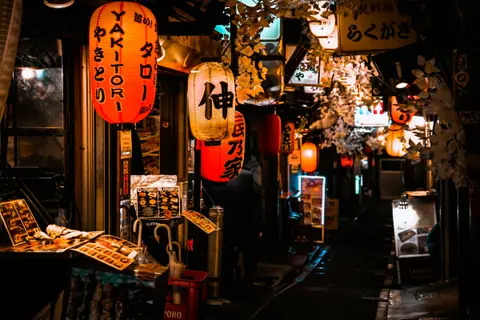
Most first itineraries are built around three places, and we have full guides to each: the torii gate tunnels of Fushimi Inari, the bamboo and river scenery of Arashiyama, and the old entertainment district of Gion. For the Golden Pavilion, Kiyomizu-dera, Nijo Castle and the rest, see our things to do list.
Food and drink
Kyoto cooking is lighter and subtler than the Japanese food most visitors know. Look for yudofu (simmered tofu) near the big temples, obanzai (home-style side dishes) in small downtown counters, and matcha in every possible form. Nishiki Market is fun to walk through but crowded, and eating while walking there is discouraged, so buy and eat at the stall.
Culture
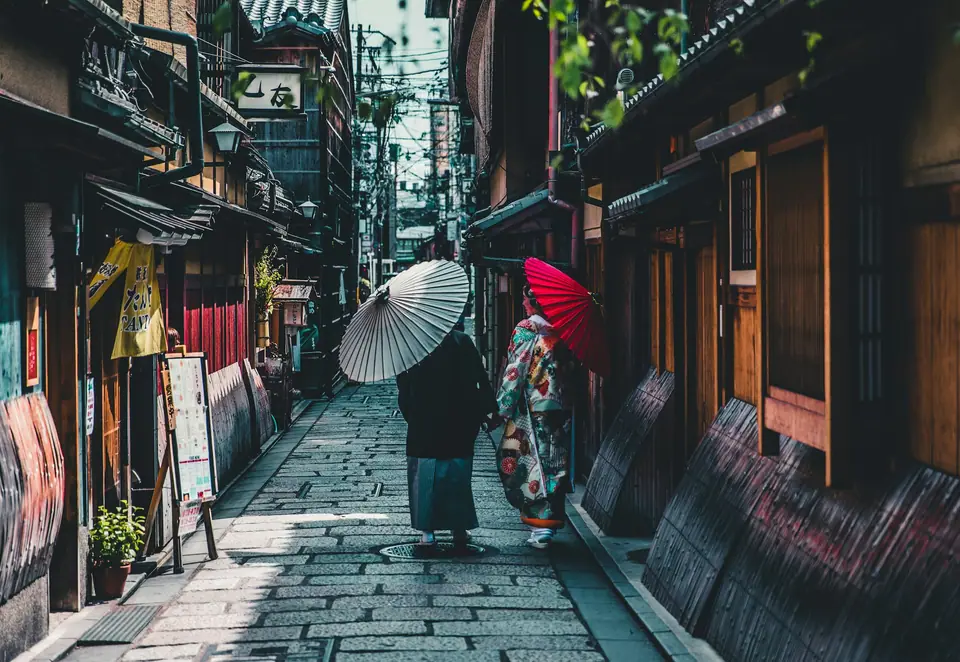
For a thousand years Kyoto was where the emperor lived, and the arts that grew up around the court and the temples never really left: the tea ceremony, Zen gardens, Noh theatre, textile weaving, and the geiko and maiko of the five hanamachi (geisha districts). The city escaped major bombing in the Second World War, so the layers survive side by side, a 17th-century temple gate across the road from a convenience store.
In-depth Kyoto guides
Practical guides for planning your visit.
- Kyoto Travel Guide: What to Know Before You Go
- Best Things to Do in Kyoto
- How to Get to Kyoto
- Best Time to Visit Kyoto
- What to Wear in Kyoto
- Fushimi Inari Guide: The Torii Gate Hike
- Arashiyama Guide: Bamboo Grove and Beyond
- Gion Guide: Kyoto's Geisha District
- Where to Stay in Kyoto: A Neighbourhood Guide
- Kyoto 3-Day Itinerary
Reviews
Log in to write a review.
No reviews yet.