Osaka
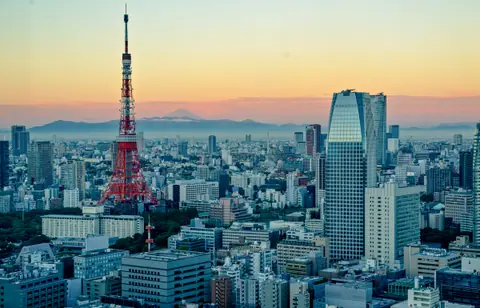
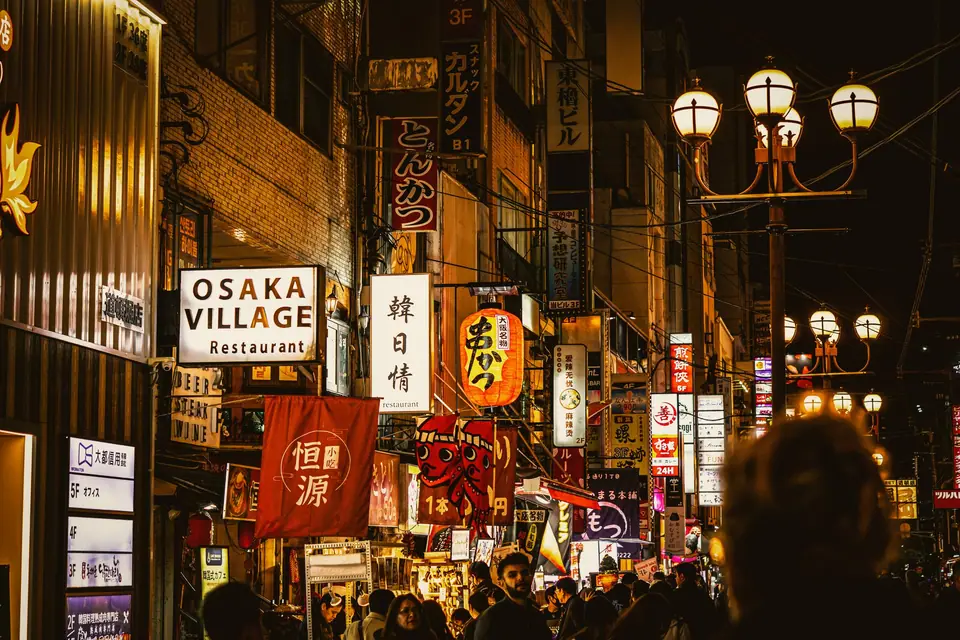
Japan's street-food capital of neon canal signs in Dotonbori, a moated 16th-century castle, retro Shinsekai alleys and fast rail links across Kansai.
Quick decisions
How many days?
2 to 3 days in the city: Osaka Castle, Umeda and Dotonbori on Day 1, Kuromon Market, Shinsekai and Shitenno-ji on Day 2, and Universal Studios Japan or Minoh Park on Day 3. 4 to 5 days: use Osaka as a base for day trips to Nara, Himeji or Kobe. See our three-day plan.
Where should I stay?
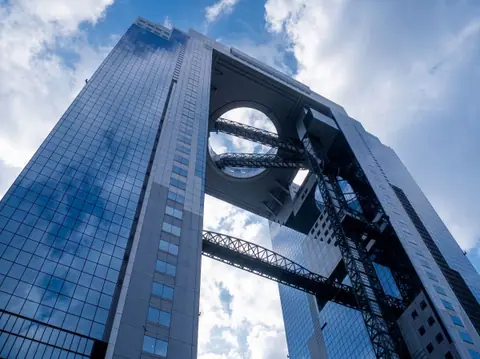
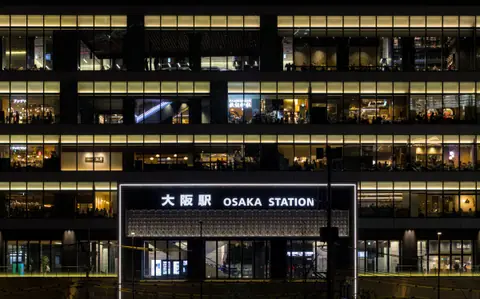
Namba and Shinsaibashi (Minami): steps from Dotonbori street food and direct airport trains from KIX. Umeda and Osaka Station (Kita): sleek towers, department stores and rapid commuter trains to Kyoto. Compare areas in our neighbourhood guide.
Do I need a car?
No. Osaka Metro (especially the red Midosuji Line), the JR Osaka Loop Line and private railways reach every corner of the city and the wider Kansai region.
Best for
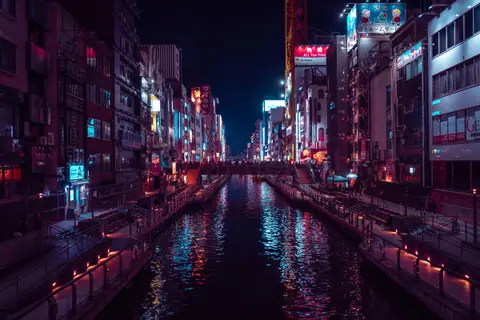
Food lovers: takoyaki octopus balls, okonomiyaki savoury pancakes and kushikatsu skewers under the motto kuidaore ("eat until you drop"). Nightlife and neon: canal reflections in Dotonbori and narrow bar alleys in Ura-Namba and Tenma.
Before you go
Escalator side: unlike Tokyo (where people stand on the left), in Osaka locals stand on the right side of escalators and walk on the left. IC cards and contactless: load ICOCA or Suica into Apple Wallet, or use contactless bank cards on Osaka Metro gates. Read our practical briefing.
Getting around
From Kansai Airport (KIX): Nankai Rapi:t / Airport Express trains reach Namba in 38 to 45 minutes; JR Haruka reaches Tennoji and Osaka Station (Umeda). In the city: Osaka Metro and JR Loop Line. Details in arrival and transport.
Continue your trip
Special Rapid trains reach Kyoto in under 30 minutes, Nara's temple park and bowing deer are 40 minutes east on the Kintetsu Line, Himeji Castle is an hour west, and the Tokaido Shinkansen links Shin-Osaka with Tokyo in two and a half hours; see our Japan guide.
Overview
If Tokyo is Japan's polished corporate capital and Kyoto its quiet imperial shrine, Osaka is the loud, warm-hearted merchant city where people talk to strangers at bar counters and organize their entire day around what to eat next. Divided between the northern business and shopping hub of Kita (Umeda) and the neon entertainment canals of Minami (Namba and Shinsaibashi), the city is tied together by the vertical spine of the red Midosuji subway line.
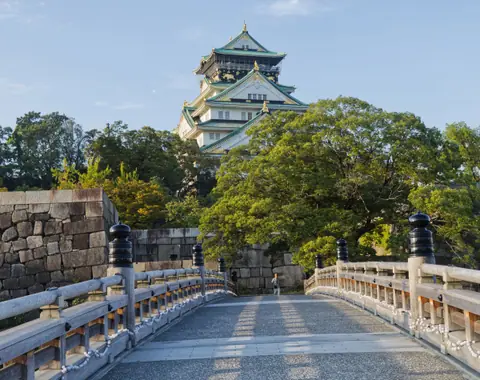
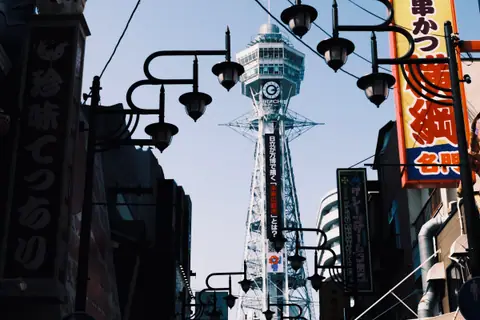
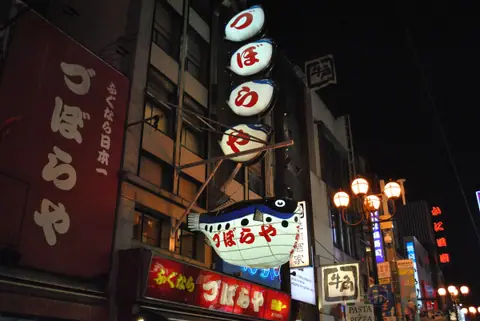
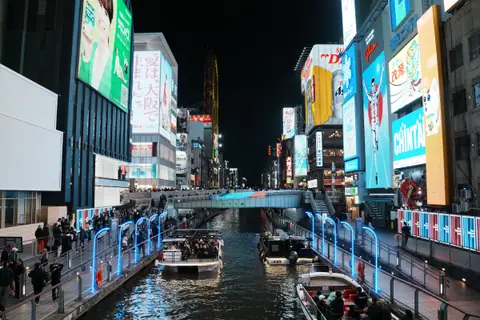
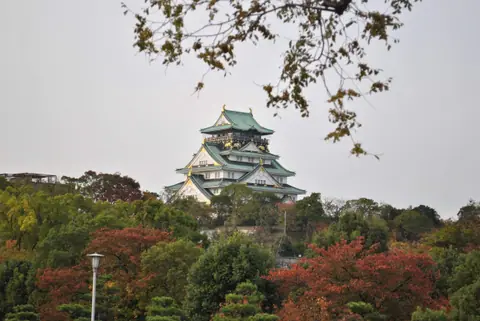
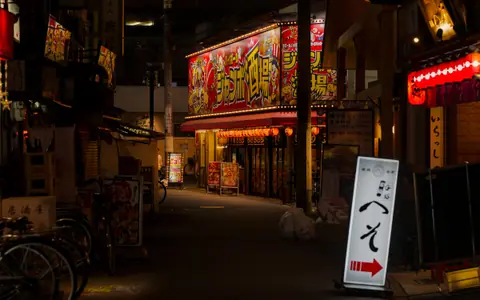
By day you can walk the massive granite ramparts of Osaka Castle and Japan's oldest Buddhist temple at Shitenno-ji. After dark, the city belongs to Dotonbori, Kuromon Market and the retro lanes of Shinsekai, where giant mechanical crabs and blowfish lanterns hang above sizzling cast-iron griddles. Start with our first-timer guide.
Getting there
Kansai International Airport (KIX) sits on an artificial island in Osaka Bay, linked directly to Namba (Minami) by Nankai Electric Railway and to Tennoji, Osaka Station (Umeda) and Shin-Osaka by the JR Haruka Express. Bullet trains (Shinkansen) from Tokyo and Hiroshima stop at Shin-Osaka Station, just four minutes by subway north of Umeda. Read how to get to Osaka.
Where to stay
Base yourself in Namba or Shinsaibashi if you want evening street food, canal lights and a single-seat train to KIX Airport and Nara. Choose Umeda (Osaka Station) or Honmachi for larger hotel rooms and direct 30-minute commuter trains to Kyoto and Kobe. We compare the six best districts in where to stay in Osaka.
Things to do
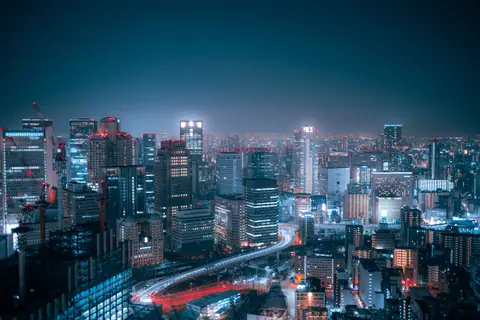
Eat your way along Dotonbori Canal and Kuromon Ichiba Market, walk the moats of Osaka Castle and take in the sunset skyline from the Umeda Sky Building, explore retro Shinsekai and the giant whale shark tank at Kaiyukan Aquarium, and ride 40 minutes east to Nara. See the full list in things to do in Osaka.
Food and drink
Osaka's civic motto is kuidaore (literally eating oneself into bankruptcy). Must-order specialities include molten-centred takoyaki octopus batter balls brushed with tangy sauce, cabbage-packed okonomiyaki savoury pancakes griddled at your table, crisp golden kushikatsu skewers in Shinsekai (never double-dip in the shared sauce), and pressed battera mackerel sushi. Read where to eat in our street food guide.
Culture
During the Edo period, when feudal lords across Japan shipped their rice harvests through Osaka's network of canals to be traded at the Dojima Rice Exchange, the city became known as "the Nation's Kitchen" (Tenka no Daidokoro). Run by merchants rather than samurai, it developed its own distinct dialect (Osaka-ben), puppet theatre (Bunraku) and stand-up comedy tradition (Manzai).
Weather by month
Osaka is warmest in August, with average highs around 34°C, and coldest in January, when nights drop to about 3°C. June is the wettest month, with rain on about 11 days. For mild weather with fewer rainy days, aim for October and November.
| Month | Low | Range | High | Rain | Rainy days |
|---|---|---|---|---|---|
| Jan | 3°C | 10°C | 47 mm | 6 d | |
| Feb | 4°C | 11°C | 58 mm | 6 d | |
| Mar | 7°C | 15°C | 98 mm | 9 d | |
| Apr | 12°C | 20°C | 106 mm | 9 d | |
| May | 17°C | 25°C | 138 mm | 9 d | |
| Jun | 21°C | 28°C | 182 mm | 11 d | |
| Jul | 25°C | 32°C | 174 mm | 10 d | |
| Aug | 26°C | 34°C | 112 mm | 7 d | |
| Sep | 22°C | 30°C | 156 mm | 10 d | |
| Oct | 16°C | 24°C | 118 mm | 8 d | |
| Nov | 10°C | 18°C | 68 mm | 7 d | |
| Dec | 5°C | 12°C | 49 mm | 6 d |
Averages of daily values from 2015 to 2024. Rainy days are days with at least 1 mm of rain. Source: Open-Meteo · Compare destinations by month.
Osaka on the map
Every place we cover in Osaka. Tap a category or pin to explore.
In-depth Osaka guides
Browse the guides grouped by topic: sights, neighbourhoods, food, transport, day trips and trip planning.
Sights, Landmarks & Parks
Key monuments, viewpoints, museums and nature trails.
Neighbourhoods & Where to Stay
Districts, historic quarters and the best bases for your stay.
- Shinsekai, Tennoji, Kaiyukan Aquarium and Osaka BayRetro 1912 neon in Shinsekai, arched red bridges at Sumiyoshi Taisha and Osaka Bay attractions.
- Where to Stay in Osaka: Namba, Shinsaibashi and Umeda ComparedSix Osaka districts compared for evening nightlife, room sizes, airport links and day trips.
Food & Drink
Local dishes, markets, cafés and dining districts.
Getting Around & Arrival
Airport transfers, public transit, passes and driving rules.
Trip Planning & Itineraries
When to visit, what to pack and day-by-day routes.
- Osaka: What to Know Before You GoCity layout, why Osaka stands on the right on escalators, IC cards and dining manners.
- Best Time to Visit OsakaCherry blossoms in Castle Park, crisp November foliage, summer river fireworks and winter lights.
- What to Wear in OsakaSlip-on shoes for temple halls, high-stepped subway stations and Osaka's relaxed street style.
- 3 Days in Osaka: Street Food, Castles and a Nara ExcursionA three-day route balancing Osaka's castles, markets and neon canals with a morning trip to Nara.
Need your embassy or consulate in Japan? See embassies and consulates in Japan.
Reviews
Log in to write a review.
No reviews yet.