Photo: Vitoparisi92 · CC BY-SA 4.0
Teatro Massimo and the Capuchin Catacombs
One day pairs the gilded civic ambition of Italy largest opera house with Palermo sombre seventeenth-century Capuchin underground galleries.
Few cities balance two sites as starkly contrasted in tone as Teatro Massimo and the Capuchin Catacombs. One announces nineteenth-century Palermo's civic confidence in warm limestone, gilt plaster and crimson velvet. The other preserves burial traditions dating back to 1599 as a sobering subterranean meditation on mortality.
Both landmarks maintain firm house rules covering dress etiquette, conservation checks and strict camera bans. Scheduling them deliberately prevents rushing between opera glamour and silent underground corridors.
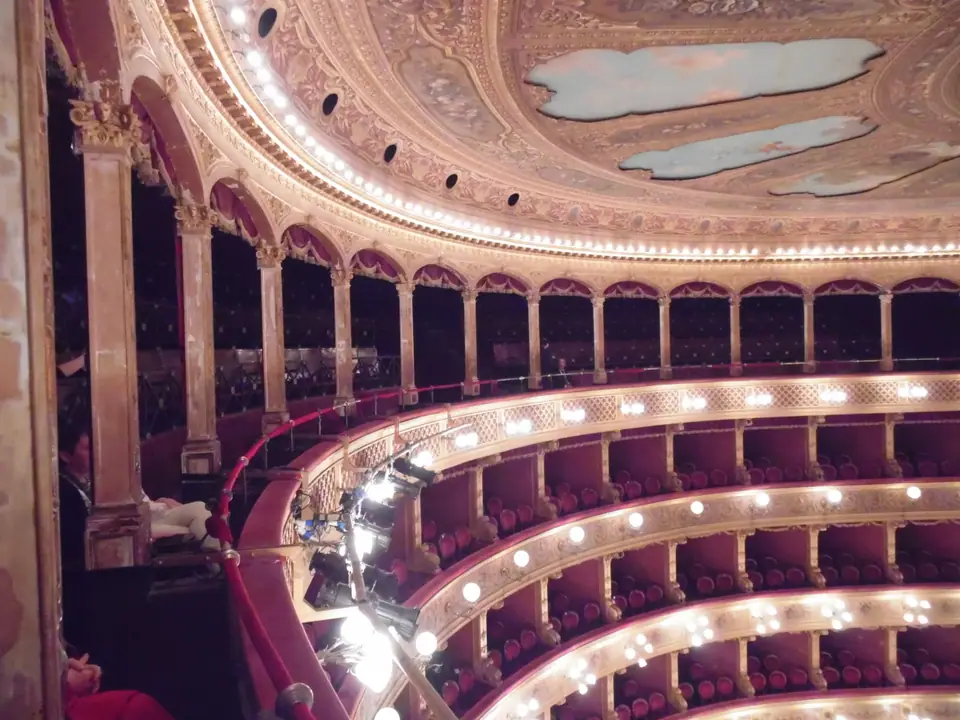
Grand civic opera inside Teatro Massimo on Piazza Verdi
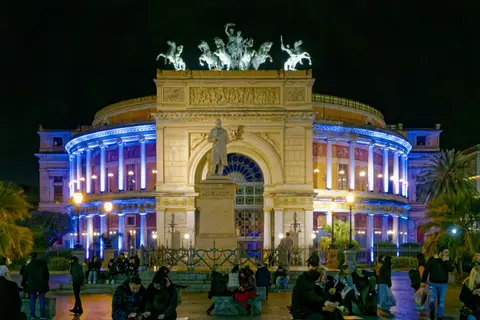
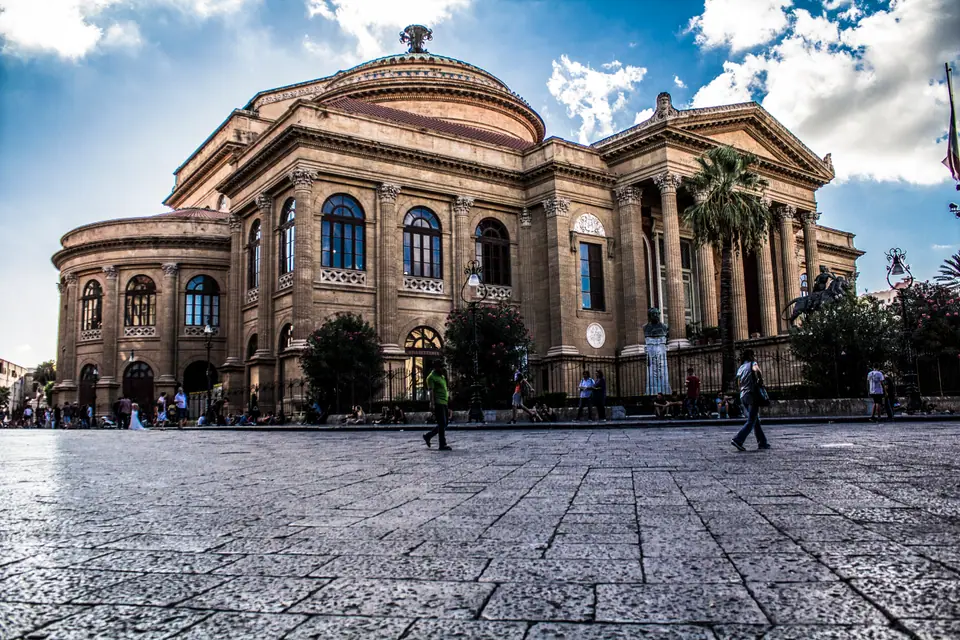
Standing proudly on Piazza Verdi where pedestrian Via Maqueda meets modern boulevards, Teatro Massimo is Italy's largest opera house and the third-largest in Europe after Paris's Palais Garnier and the Vienna State Opera. Spanning roughly 7,730 square metres, it was designed starting in 1874 by architect Giovanni Battista Filippo Basile over a demolished monastery quarter. Following his 1891 death, his son Ernesto Basile completed the Liberty-style wooden Royal Box and classical auditorium for the May 1897 debut of Giuseppe Verdi's Falstaff.
Broad travertine stairs flanked by twin bronze lions climb toward a monumental Corinthian portico made famous worldwide by the closing sequence of The Godfather Part III. Shuttered in 1974 for twenty-three years of structural repairs, the hall reopened on 12 May 1997 with crisp acoustics. Though engineered originally for 3,000 spectators, modern fire rules seat roughly 1,381 guests inside its gilded horseshoe tiers. Towering front columns frame lively evening crowds meeting along Piazza Verdi steps long before curtain time.
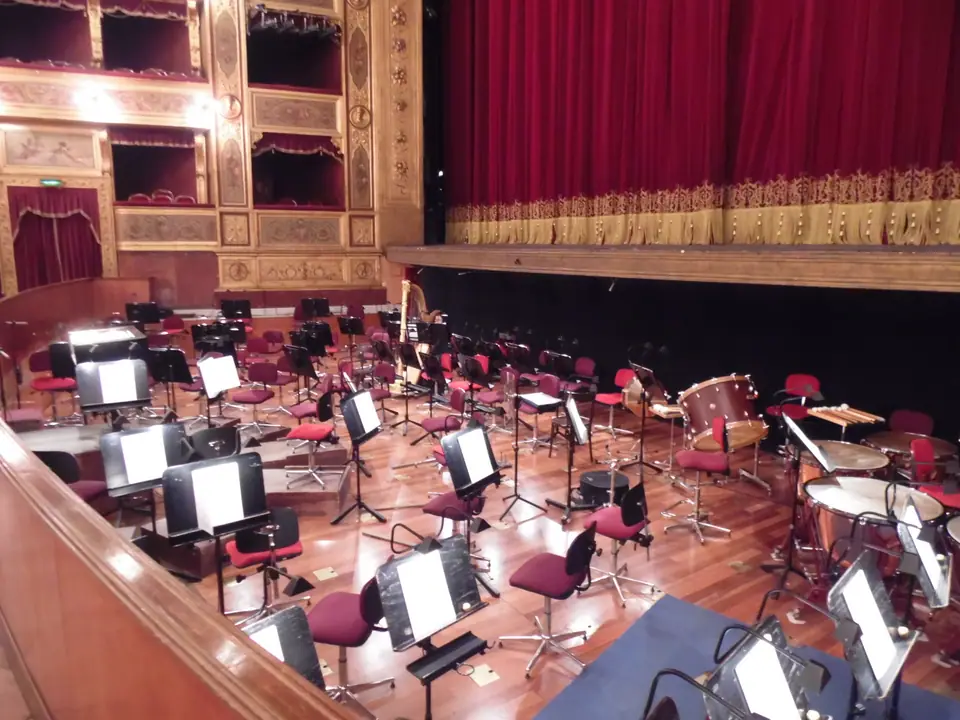
Guided daytime tours walk independent visitors across Neoclassical foyers into the Coat of Arms Room, five curving tiers of boxes and the circular Sala Pompeiana echo chamber. Inside that round dome, even hushed whispers bounce straight across opposite walls. Neat casual clothes suit daytime tours cleanly. Evening opera, ballet and symphonic bills call for smart-casual or formal dress without shorts or beach sandals. Book seats well ahead through the official Teatro Massimo box office rather than unofficial street sellers. Before performances begin, evening ticket-holders climb the grand front vestibule early to collect coat checks, inspect carved wooden balcony reliefs and enjoy pre-curtain square views across Piazza Verdi.
Respectful etiquette and access limits in the Capuchin Catacombs
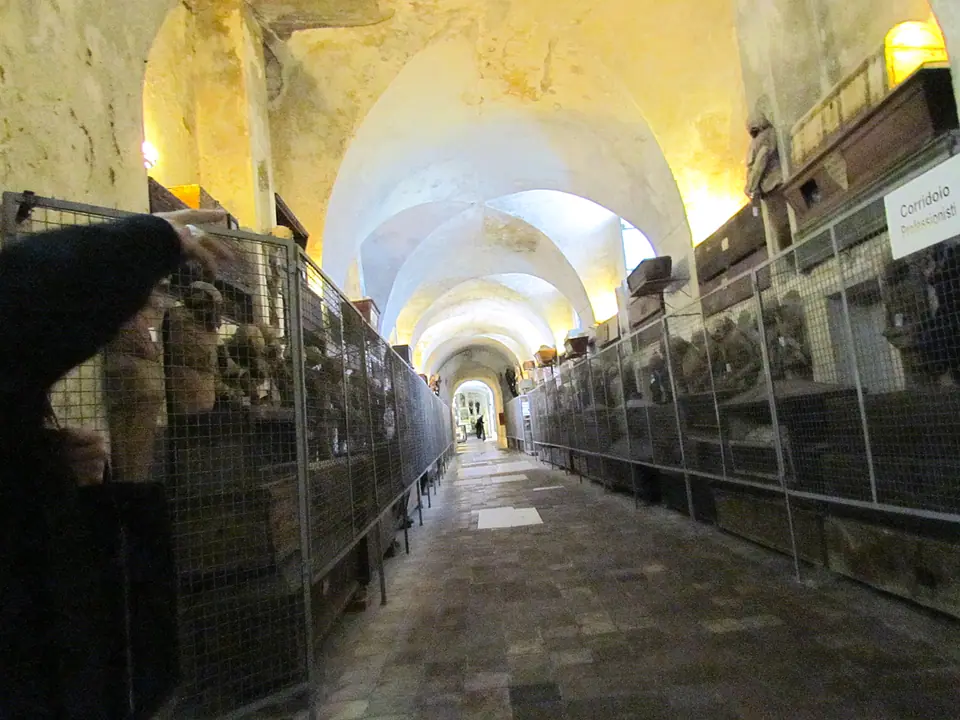
Roughly two kilometres south-west of Quattro Canti beyond Porta Nuova in the Cuba quarter at Piazza Cappuccini, subterranean tuff-stone vaults beneath the Capuchin monastery hold one of southern Italy's starkest historic crypts. When monastic cemetery space ran short in the late sixteenth century, friars dug cool cellar corridors with ventilated ceramic drying pipes (colatoi) and vinegar rinses. They laid Brother Silvestro of Gubbio inside the crypt in 1599.
Over subsequent generations, local clergy, professionals, nobles and families paid to join the crypt until formal closures in 1880, though special burials continued into 1939. The last friar entered the vaults in 1871. A 2011 census logged roughly 8,000 burials overall and around 1,252 surviving clothed remains grouped along themed halls for friars, men, women, priests, virgins, children and professionals. Corridors conclude beside the nitrogen-sealed glass casket of two-year-old Rosalia Lombardo preserved by chemist Alfredo Salafia in December 1920.
- Zero photography or filming: phones, cameras and video devices stay strictly zipped away throughout every underground aisle, enforced continuously by guardians on duty.
- Quiet voices and modest attire: keep speech low, remove hats inside the upper church sanctuary, and cover bare shoulders and knees respectfully.
- Child-sensitivity caution: intimate proximity to real clothed mummified adults and young children can distress youngsters or anxious guests; weigh skipping the lower crypt for younger families.
- Stepped floors and conservation notices: narrow underground stone staircases block wheelchairs and strollers, and preservation checks occasionally affect individual wings, so consult the official Catacombe dei Cappuccini site beforehand.
Scheduling Italy's largest opera house beside Palermo's solemn crypt
Because Piazza Verdi and Piazza Cappuccini sit across opposite sides of central Palermo, separating them with a bus ride and relaxed pause near Politeama eases the sharp shift in mood.
| Site | Location and transit | Typical tour mode | Core restriction |
|---|---|---|---|
| Teatro Massimo | Piazza Verdi, flat walk from Via Maqueda | Guided daytime tour or evening ticketed opera | Rehearsals occasionally trim auditorium viewings; smart evening dress |
| Capuchin Catacombs | Piazza Cappuccini; short bus or walk past Zisa | Self-paced quiet loop through underground lanes | Strict no-photo ban; non-step-free stairs; check conservation notices |
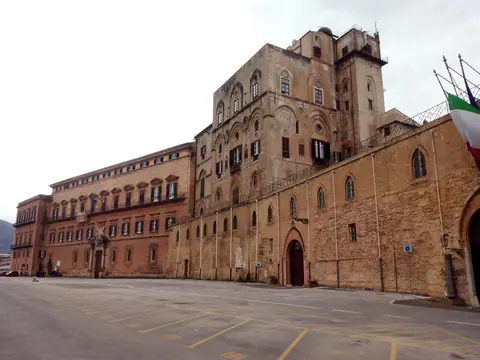
Catching an early morning tour inside Teatro Massimo captures clear foyer sunlight before afternoon orchestra rehearsals trim stage access. Heading west to Piazza Cappuccini after lunch pairs naturally by bus with Palazzo dei Normanni or La Zisa. Check bus routes back toward Via Libertà ahead of time so waiting in quiet residential streets feels effortless. Stepping back into sunny daylight outside the monastery courtyard offers gentle relief after dim cellar corridors. Finish the evening slowly back on Piazza Verdi's lit stone staircase before stepping down into lively cafés along pedestrian Via Maqueda. Comparing grand civic music beside silent stone vaults captures Palermo's full urban range within one thoughtful day.
Where it is
- 1Teatro Massimo and the Capuchin Catacombs
- Falcone–Borsellino Airport (PMO) · about 24 km from here in a straight line
- Directions in Google Maps
Stations and taxi ranks: OpenStreetMap. Airports: OurAirports. Distances are in a straight line.
Traveller tips
Real advice from people who have been to Palermo. Every tip is read by our team before it goes live.
No tips yet. Been here? Yours could be the first.
Thank you! Your tip will appear here after a quick review.
More in Palermo
Continue exploring Palermo with related neighbourhood, food, and planning guides