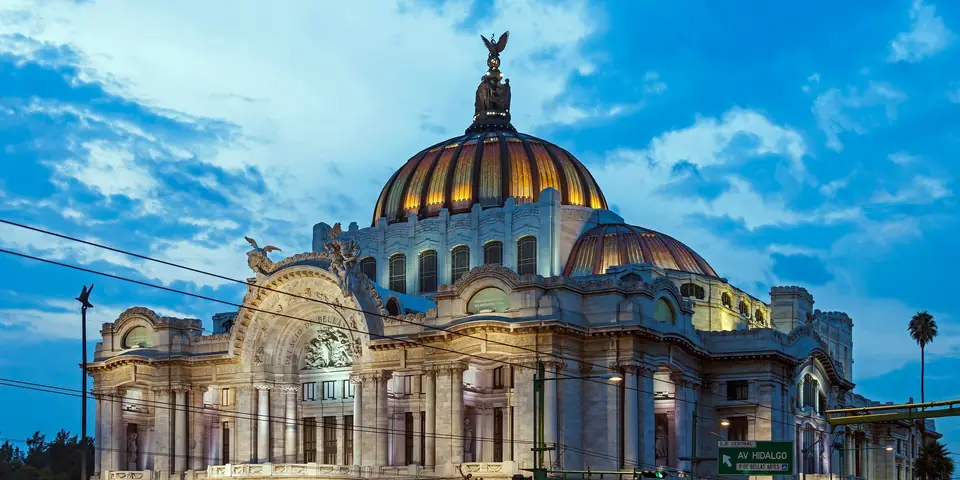
Mexico City
Highland Aztec ruins, Spanish vice-regal palaces, tree-lined Reforma avenues, floating chinampa canals and street taquerías.
Quick decisions
How many days?
3 to 4 days: Centro Histórico and Zócalo on Day 1, Chapultepec Park and Roma and Condesa on Day 2, Coyoacán and Xochimilco on Day 3, plus a day trip to Teotihuacan.
Where should I stay?
Roma Norte or Condesa: leafy Art Deco streets and cafés. Polanco: museums and luxury hotels. Centro Histórico: monumental squares and palaces.
Do I need a car?
No. Heavy traffic and the Hoy No Circula emissions programme make driving impractical; use the Metro, Metrobús, Ecobici bikes, and authorised ride-hailing apps.
Best for
Archaeology: Teotihuacan and Templo Mayor. Museums: Anthropology Museum and Museo Soumaya. Food: tacos al pastor and tlacoyos.
Before you go
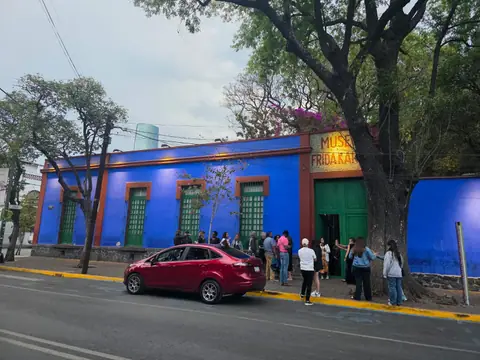
Mexico City sits at 2,240 metres (7,350 feet) above sea level, uses the Mexican Peso (MXN) and Type A/B 127V plugs, and requires advance online timed tickets for the Frida Kahlo Museum.
Getting around
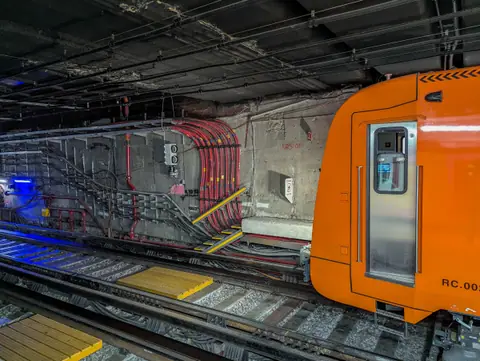
Load a rechargeable Tarjeta de Movilidad Integrada smartcard to ride the Metro, Metrobús, Cablebús, Tren Ligero, and Ecobici across the Mexico City transit network.
Continue your trip
Board long-distance intercity coaches from the four main terminals (Norte, Sur, Poniente, and TAPO) to Puebla, Oaxaca, Querétaro, San Miguel de Allende, or Cuernavaca.
Overview
Mexico City (Ciudad de México, or CDMX) occupies the high Valley of Mexico (Anáhuac) at a mean elevation of 2,240 metres (7,350 feet), ringed by volcanic ranges including the snow-capped peaks of Popocatépetl and Iztaccíhuatl to the south-east. Founded by the Mexica on 13 March 1325 as Mexico-Tenochtitlan on an island in Lake Texcoco, the city grew into the ceremonial capital of the Aztec Empire before Hernán Cortés and his Indigenous allies captured the metropolis on 13 August 1521 and rebuilt it as the seat of the Viceroyalty of New Spain.
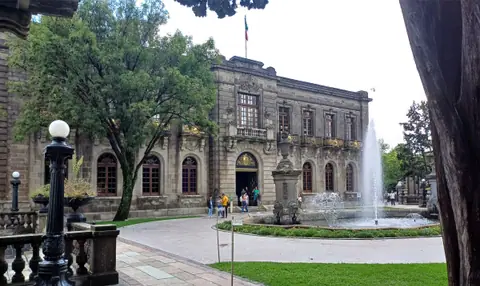
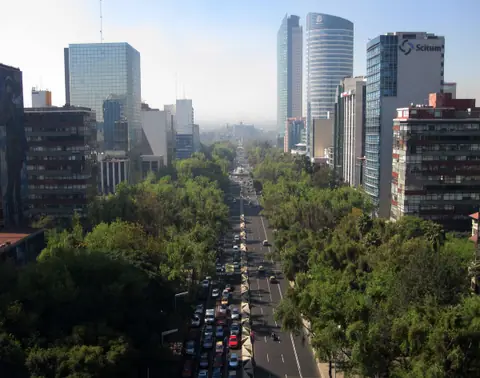
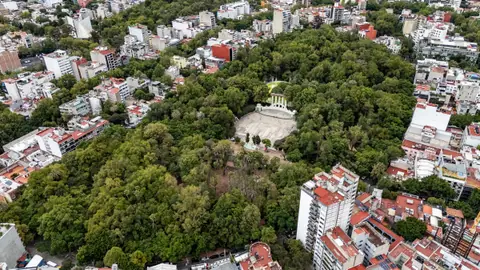
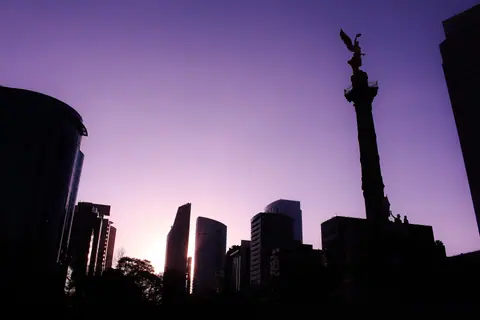
Across the modern federal capital, divided into sixteen alcaldías (boroughs), pre-Hispanic stone temples, sixteenth-century baroque churches, and twentieth-century murals stand side by side. In the Centro Histórico and Zócalo, the excavated twin pyramid foundations of the Templo Mayor face the Metropolitan Cathedral and Diego Rivera's frescoes inside the National Palace. West along the diagonal boulevard of Paseo de la Reforma, the 686-hectare Bosque de Chapultepec shelters hilltop Chapultepec Castle and the National Museum of Anthropology, while adjacent Roma Norte and Condesa and Polanco pair early twentieth-century architecture with contemporary galleries.
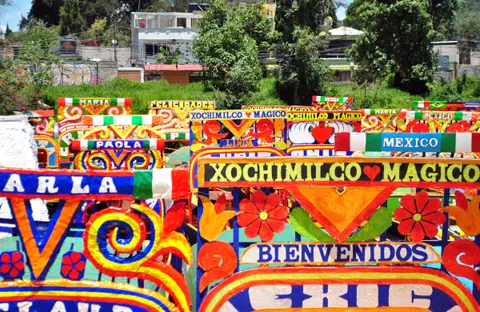
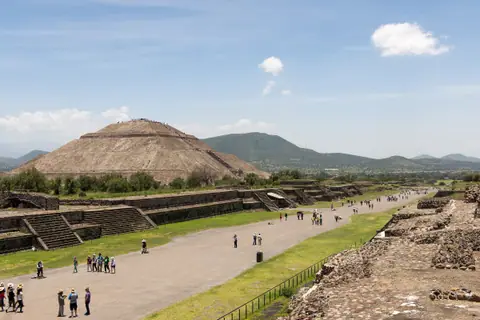
Further south, the cobblestone plazas of Coyoacán and the Frida Kahlo Museum lead toward the UNESCO-listed agricultural chinampas and painted flat-bottomed trajineras of Xochimilco, while forty kilometres north-east of the capital rise the monumental Avenue of the Dead and stone pyramids of Teotihuacan.
Getting there
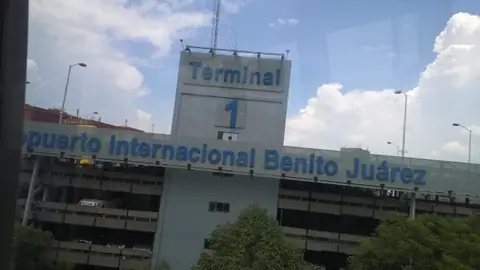
Most international and domestic travellers fly into Benito Juárez International Airport (MEX / AICM), located five kilometres east of the historic centre in Venustiano Carranza, while additional flights serve Felipe Ángeles International Airport (NLU / AIFA) in Zumpango, forty-five kilometres north of the centre. Four long-distance coach terminals (Central del Norte, Central del Sur at Taxqueña, TAPO in the east, and Observatorio in the west) connect the capital with every region of Mexico. Read the how to get to Mexico City guide for airport transfers and terminal routes.
Where to stay
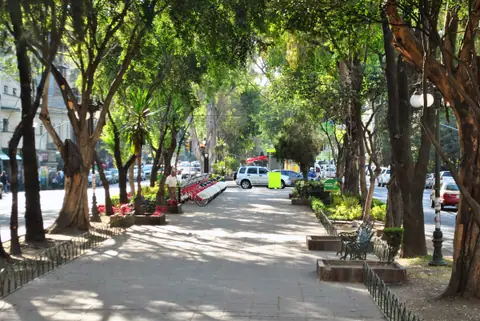
Picking the right neighbourhood reduces time spent in cross-town traffic. Tree-lined Roma Norte and Condesa suit walkers seeking independent cafés and parks, Reforma suits visitors splitting time between Chapultepec and the historic centre, Polanco offers high-end hotels beside Chapultepec's northern edge, and Centro Histórico places you steps from the Zócalo. Compare bases in the where to stay in Mexico City guide.
Things to do
Structure your days by geographic cluster: explore the Zócalo, Templo Mayor, and Palacio de Bellas Artes on Day 1, combine Chapultepec Castle and the National Museum of Anthropology with Roma and Condesa on Day 2, and pair Coyoacán with Xochimilco or Teotihuacan on Day 3. Follow the things to do in Mexico City guide and 3-day itinerary.
Food and drink
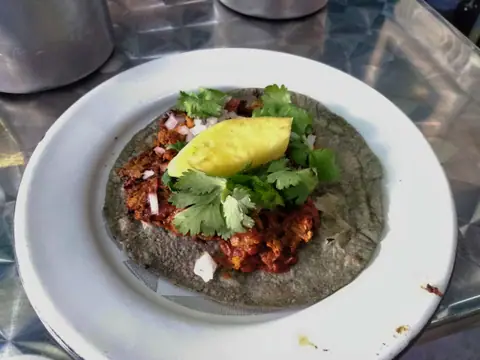
Traditional Mexican cuisine holds UNESCO Intangible Cultural Heritage status (inscribed in 2010), and Mexico City's kitchens span street comales, neighbourhood mercados, and contemporary tasting rooms. Sample spit-roasted tacos al pastor, blue-corn tlacoyos, chilaquiles verdes, and pozole rojo, and finish with freshly fried churros and hot chocolate in the historic centre.
Culture
Two UNESCO World Heritage inscriptions anchor the capital's cultural landscape: the Historic Centre of Mexico City and Xochimilco (inscribed in 1987) and the Central University City Campus of UNAM (inscribed in 2007), where mid-century modernist buildings carry monumental outdoor murals by Juan O'Gorman, David Alfaro Siqueiros, and Diego Rivera.
Weather by month
Mexico City is warmest in April, with average highs around 28°C, and coldest in January, when nights drop to about 9°C. August is the wettest month, with rain on about 21 days. For mild weather with fewer rainy days, aim for January, February, March, November and December.
| Month | Low | Range | High | Rain | Rainy days |
|---|---|---|---|---|---|
| Jan | 9°C | 22°C | 12 mm | 3 d | |
| Feb | 10°C | 24°C | 6 mm | 2 d | |
| Mar | 11°C | 26°C | 12 mm | 4 d | |
| Apr | 13°C | 28°C | 24 mm | 7 d | |
| May | 14°C | 27°C | 59 mm | 11 d | |
| Jun | 14°C | 26°C | 133 mm | 16 d | |
| Jul | 13°C | 25°C | 174 mm | 22 d | |
| Aug | 13°C | 25°C | 176 mm | 21 d | |
| Sep | 13°C | 24°C | 158 mm | 18 d | |
| Oct | 12°C | 24°C | 71 mm | 10 d | |
| Nov | 10°C | 23°C | 17 mm | 4 d | |
| Dec | 9°C | 22°C | 5 mm | 1 d |
Averages of daily values from 2015 to 2024. Rainy days are days with at least 1 mm of rain. Source: Open-Meteo · Compare destinations by month.
Mexico City on the map
Every place we cover in Mexico City. Tap a category or pin to explore.
In-depth Mexico City guides
Browse the guides grouped by topic: sights, neighbourhoods, food, transport, day trips and trip planning.
Sights, Landmarks & Parks
Key monuments, viewpoints, museums and nature trails.
- Things to Do in Mexico City: Aztec Temples, Murals, Parks and CanalsFrom the excavated ruins of Templo Mayor and the Aztec Sun Stone to Diego Rivera's frescoes, Chapultepec Castle, and the Basilica of Guadalupe.
- Best Time to Visit Mexico City: Subtropical Highland Climate, Jacarandas and FestivalsWhy the 2,240-metre altitude keeps daytime highs mild year-round, when purple jacarandas bloom, how summer afternoon rains work, and Día de Muertos dates.
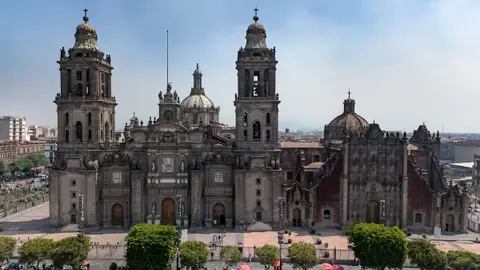
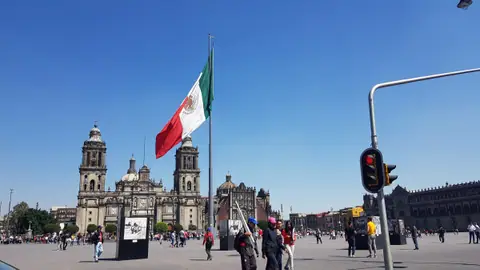
- Zócalo and Centro Histórico: Tenochtitlan's Templo Mayor, Cathedral and PalacesExploring UNESCO-listed Centro Histórico across the Zócalo, Metropolitan Cathedral, Templo Mayor ruins, National Palace murals, Bellas Artes, and Torre Latinoamericana.
- Chapultepec Park, Chapultepec Castle and the National Museum of AnthropologyNavigating the 686-hectare Bosque de Chapultepec, the imperial halls of hilltop Chapultepec Castle, and the Mexica and Maya galleries of the Anthropology Museum.
- Coyoacán, Frida Kahlo Museum (La Casa Azul) and San Ángel GuideBooking the Frida Kahlo Museum, exploring Leon Trotsky's fortified house and Coyoacán's twin plazas, and walking the cobbled lanes of neighbouring San Ángel.
- Xochimilco Floating Gardens: Chinampas, Trajineras, Embarcaderos and Canal FaresHow the UNESCO-listed chinampa agricultural islands work, how official hourly trajinera boat rates operate at Nuevo Nativitas and Cuemanco, and how to reach the canals.
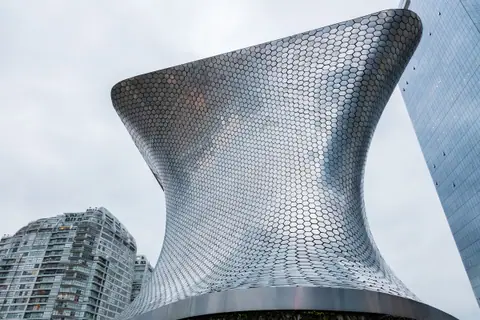
- Polanco, Museo Soumaya and Museo Jumex Guide: Architecture, Galleries and ParksVisiting the free six-storey Museo Soumaya and David Chipperfield's Museo Jumex at Plaza Carso, plus Parque Lincoln and Avenida Presidente Masaryk.
Neighbourhoods & Where to Stay
Districts, historic quarters and the best bases for your stay.
- Mexico City: High-Altitude Basin, Boroughs and Planning EssentialsHow the 2,240-metre Valley of Mexico is organised across sixteen boroughs, how to pace your first day at altitude, and practical essentials for visiting CDMX.
- Where to Stay in Mexico City: Comparing Roma Norte, Condesa, Reforma, Polanco and CentroHow to choose the right neighbourhood base in CDMX by walking character, Metro and Metrobús links, dining access, and museum proximity.
- 3 Days in Mexico City Itinerary: Centro, Chapultepec, Roma, Coyoacán and XochimilcoA geographically grouped three-day route covering Aztec and colonial Centro Histórico, Chapultepec and Roma-Condesa, plus Coyoacán and Xochimilco.
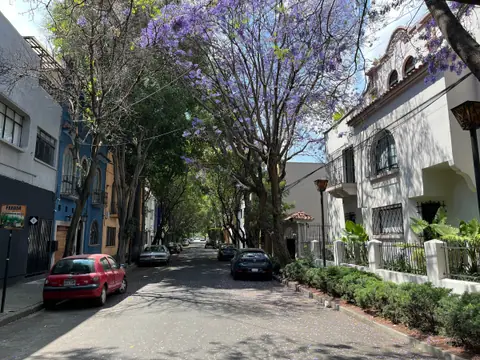
- Roma Norte and Condesa Guide: Art Deco Parks, Porfirian Plazas and Café StreetsWalking Mexico City's two most popular inner neighbourhoods, from Plaza Río de Janeiro and Avenida Álvaro Obregón in Roma Norte to Parque México and Avenida Ámsterdam in Condesa.
Food & Drink
Local dishes, markets, cafés and dining districts.
Getting Around & Arrival
Airport transfers, public transit, passes and driving rules.
- How to Get to Mexico City: AICM (MEX), Felipe Ángeles (AIFA) and Bus TerminalsArriving at Benito Juárez International Airport (MEX) or Felipe Ángeles Airport (NLU), terminal transfers, Metrobús Line 4, and the four intercity coach hubs.
- Getting Around Mexico City: Metro, Metrobús, Tarjeta MI, Ecobici and CablebúsHow to use the Tarjeta de Movilidad Integrada across the twelve Metro lines, Metrobús Line 7 on Reforma, Ecobici bikes, Cablebús gondolas, and ride-hailing apps.
Day Trips & Excursions
Easy half-day and full-day trips from the city.
Need your embassy or consulate in Mexico? See embassies and consulates in Mexico.
Reviews
Log in to write a review.
No reviews yet.