


























Ilha de Itamaracá, Forte Orange (1631) & Historic Igarassu Day Trip Guide
Explore Pernambuco's Northern Coast from Recife: visit Brazil's oldest church (1535) in Igarassu, tour the 1631 Dutch star fort of Forte Orange on Ilha de Itamaracá, and cross to Coroa do Avião.
While the beaches south of Recife draw the largest crowds, heading thirty to fifty kilometres north along historic highway BR-101 rewards travellers with a quieter, deeply atmospheric combination of sixteenth-century Portuguese settlement history, seventeenth-century Dutch military engineering, and tropical sandbar islands along Pernambuco's Litoral Norte.
1. Historic Igarassu (30 km North): Brazil's Oldest Functioning Church (1535)
Before continuing to the coast, pause thirty kilometres north of Recife at the hilltop historic square of Igarassu (from the Tupi Igara-açu, "Great Canoe", shouted by Indigenous Caeté lookouts when Portuguese grantee Duarte Coelho's ships arrived in 1535):
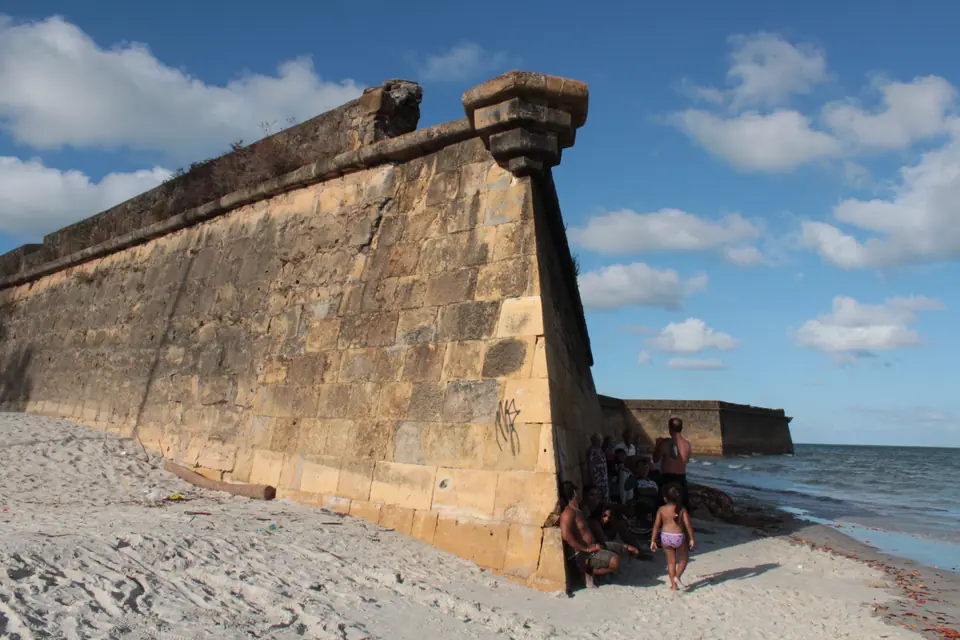
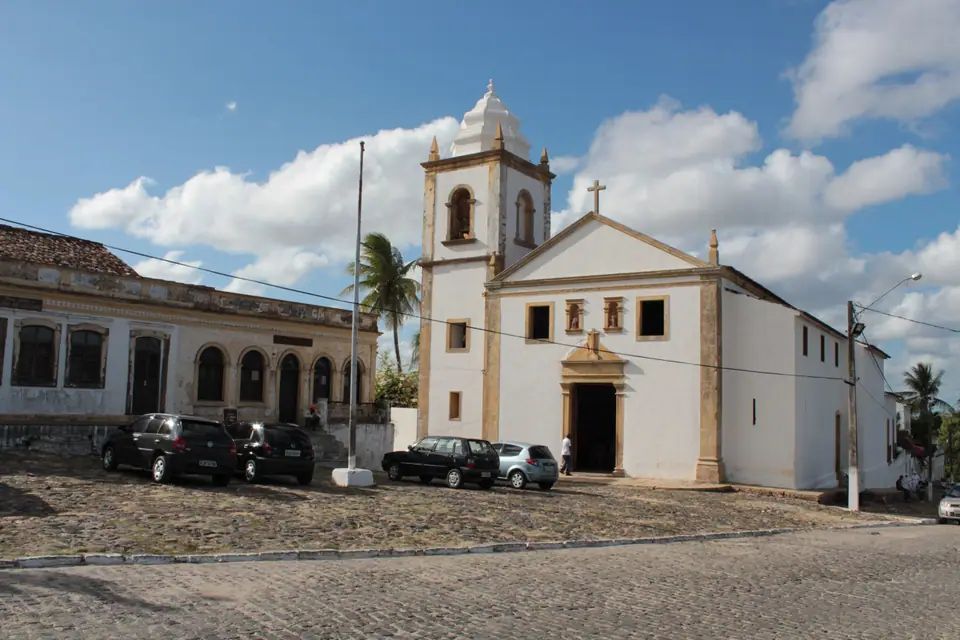
- Igreja dos Santos Cosme e Damião (Founded 1535): Built originally in 1535 to commemorate a Portuguese victory and rebuilt in stone in the late sixteenth century, this whitewashed mannerist church is the oldest surviving functioning church in Brazil.
- Convento Franciscano de Santo Antônio (1588) & Pinacoteca de Igarassu: Across the green lawn, the sixteenth-century Franciscan convent houses the Pinacoteca de Igarassu, preserving one of Latin America's rarest collections of seventeenth- and eighteenth-century popular religious panels and miracle paintings (ex-votos).
2. Ilha de Itamaracá: Forte Orange (1631) & Coroa do Avião
From Igarassu, drive twenty minutes east through mangrove channels and across the Getúlio Vargas Bridge onto Ilha de Itamaracá ("Singing Stone" in Tupi), heading straight to the southern tip of the island:
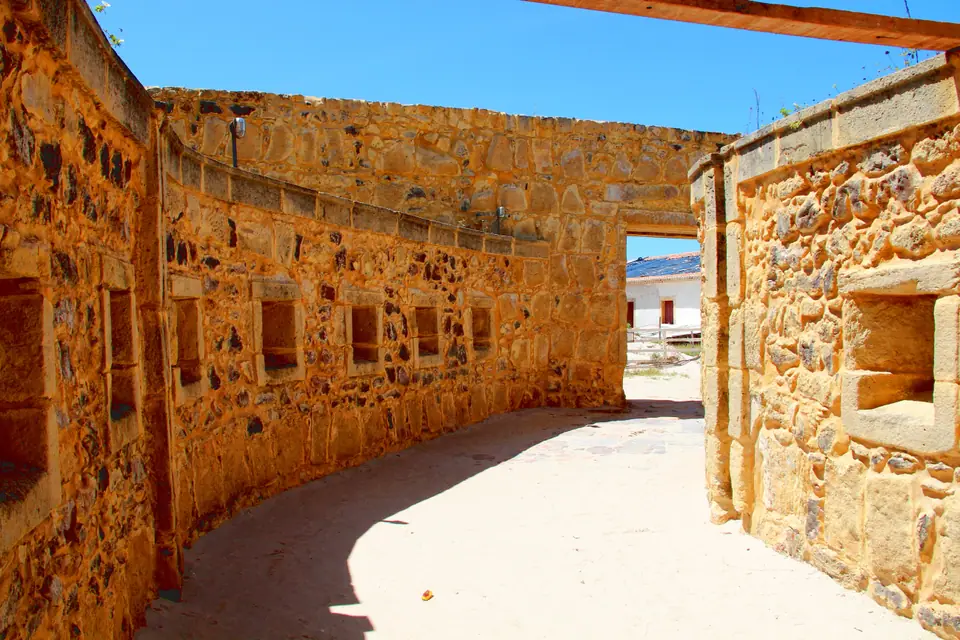
- Forte de Santa Cruz de Itamaracá (Forte Orange, 1631): Originally erected in May 1631 in rammed earth by Dutch West India Company troops under Steyn Callenfels and named in honour of the Dutch House of Orange-Nassau, the fortress was rebuilt in stone blocks by the Portuguese after 1654 in a classic four-bastioned Vauban star plan. Walk the stone ramparts among original iron cannons overlooking the strategic Santa Cruz channel and browse the archaeological exhibits inside the casemates; check local municipal heritage pages for current fort opening hours.
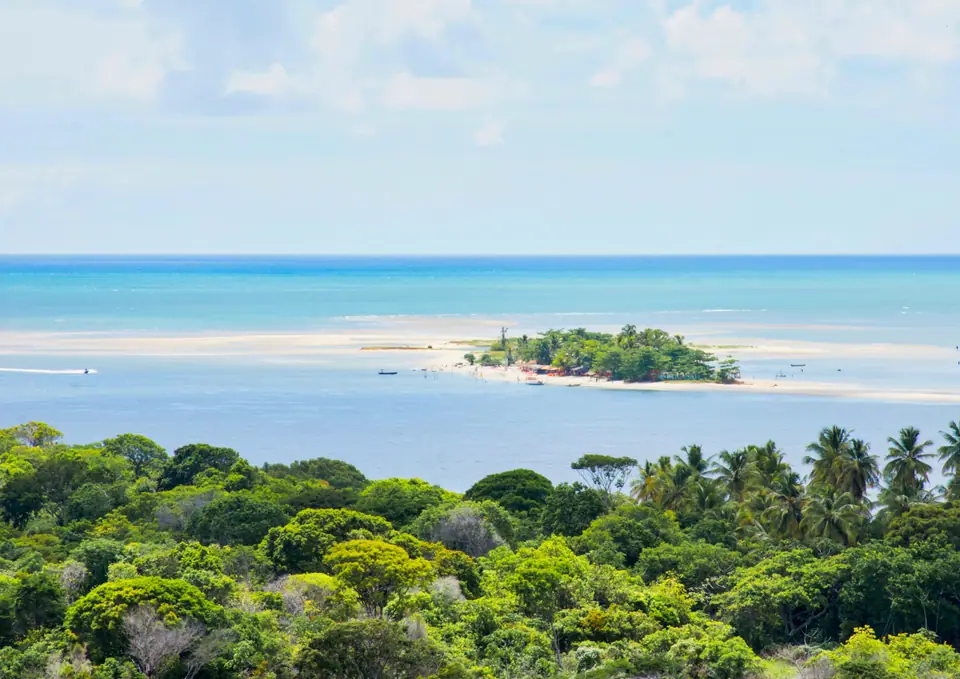
- Boat Crossing to Coroa do Avião: Directly in front of the beach beside Forte Orange, a gleaming crescent of white sand known as the Coroa do Avião rises out of the calm turquoise channel between Itamaracá and Maria Farinha. Small motorboats ferry visitors across in five minutes for a swim in warm, wave-free water and a lunch of fried fish and shrimp on the sand.
- Marine Manatee Research Centre (CMA / ICMBio): Next door to Forte Orange stands the national headquarters for the study and conservation of the endangered Antillean marine manatee (peixe-boi marinho).
Traveller tips
Real advice from people who have been to Ilha de Itamaracá, Forte Orange (1631) & Historic Igarassu Day Trip. Every tip is read by our team before it goes live.
No tips yet. Been here? Yours could be the first.
Thank you! Your tip will appear here after a quick review.
More in Recife
Continue exploring Recife with related neighbourhood, food, and planning guides
Olinda UNESCO Historic Centre Guide: Alto da Sé, São Bento & Giant Puppets
Recife, Brazil
Instituto Ricardo Brennand & Oficina Francisco Brennand Guide (Várzea, Recife)
Recife, Brazil
Santo Antônio & São José Guide: Capela Dourada (1696), Casa da Cultura & Bridges
Recife, Brazil
Boa Viagem Beach & Pina Guide: Natural Sandstone Reefs, Tide Pools & Boardwalk
Recife, Brazil
