


























Santo Antônio & São José Guide: Capela Dourada (1696), Casa da Cultura & Bridges
Explore historic Santo Antônio and São José Island in central Recife: visit the gilded Baroque Capela Dourada (1696), Pátio de São Pedro, Casa da Cultura, and Mercado de São José.
Directly across the Ponte Maurício de Nassau from Recife Antigo lies the central island of Santo Antônio and São José. Originally laid out with canals, squares, and botanical gardens in the 1630s as Mauritsstad (where Count Johan Maurits of Nassau built his Freijburg Palace on the ground of today's Praça da República), the island evolved between 1690 and 1875 into a dense treasury of Luso-Brazilian Baroque churches, cast-iron markets, and neoclassical civic monuments.
1. Capela Dourada (1696 to 1724) and the Convento de Santo Antônio
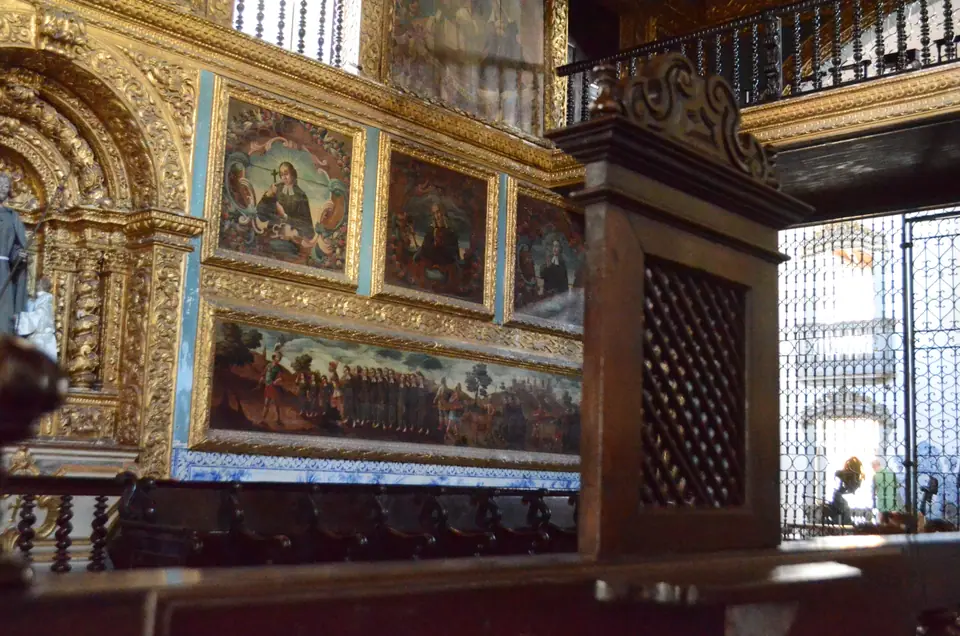
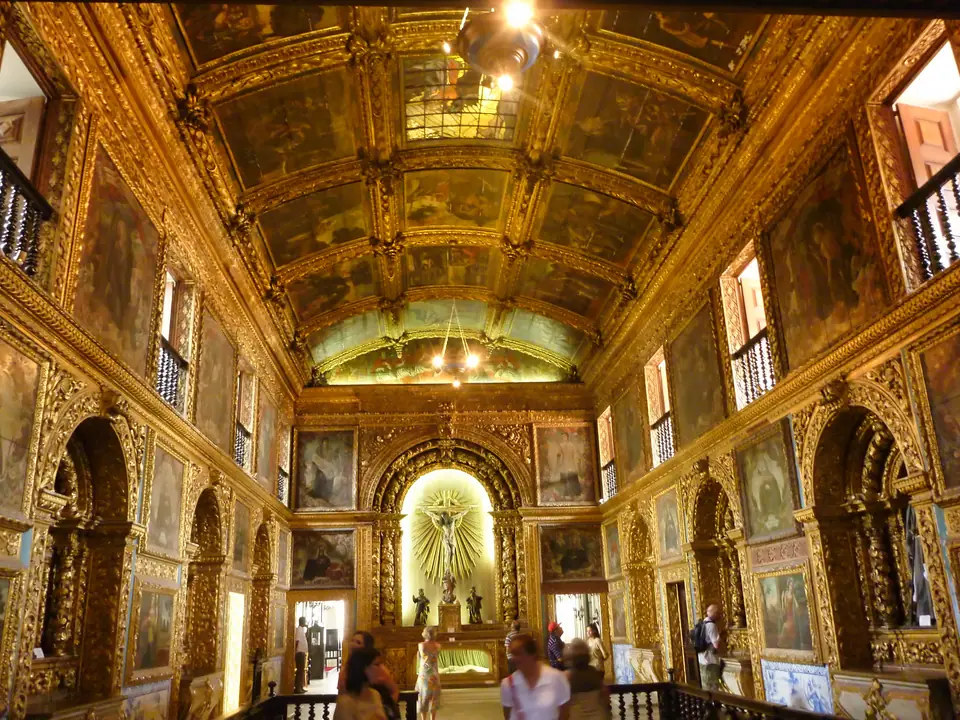
Tucked behind a modest gateway on Rua do Imperador Pedro II beside the Capibaribe River stands the single most dazzling Baroque interior in Recife, the Capela Dourada (Golden Chapel) of the Third Order of Saint Francis:
- Gold Leaf & Cedar Woodwork: Begun in 1696 and opened for worship in 1697 (with gilded carvings completed in 1724) by the city's wealthiest Portuguese merchants, the chapel leaves not a single centimetre of wall or ceiling bare. Twisted Solomonic columns, angels, acanthus scrolls, and coffered ceiling panels carved in Brazilian cedar are covered in gleaming gold leaf framing oil canvases of the Franciscan martyrs.
- Azulejo Cloister & Museum of Sacred Art: Your entry ticket also leads through the serene eighteenth-century cloister of the Convento e Igreja de Santo Antônio, lined with blue-and-white Portuguese azulejo tile panels, and into the upstairs Museu Franciscano de Arte Sacra; check the official Franciscan complex schedule for weekday visiting hours.
2. Pátio de São Pedro, Praça da República & Teatro de Santa Isabel (1850)
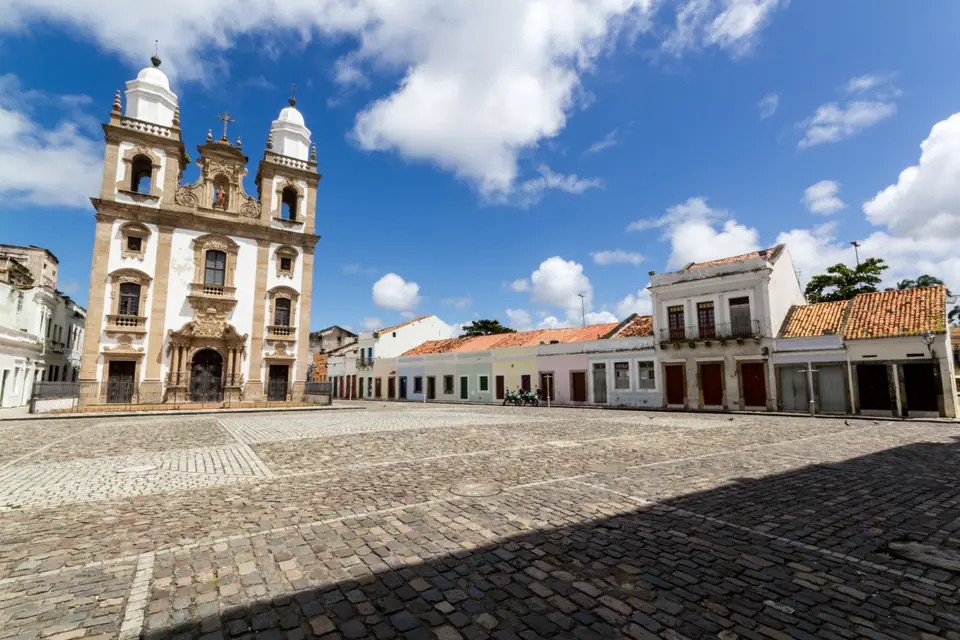
- Pátio de São Pedro & Concatedral de São Pedro dos Clérigos (1728 to 1782): Five minutes south through the narrow streets of Santo Antônio, a quiet square of low eighteenth-century houses frames the tall, sculpted stone facade of São Pedro dos Clérigos, famous for its dark rosewood high altar and illusionistic vaulted ceiling painted in 1764 by João de Deus Sepúlveda.
- Praça da República & Teatro de Santa Isabel (1850): At the northern tip of the island where the Capibaribe and Beberibe meet, an ancient baobab tree shades the 1841 Governor's Palace (Palácio do Campo das Princesas), the domed 1930 Palace of Justice, and the neoclassical pink Teatro de Santa Isabel (inaugurated 18 May 1850), designed by French engineer Louis Léger Vauthier.
3. Casa da Cultura (1855) and Mercado de São José (1875)
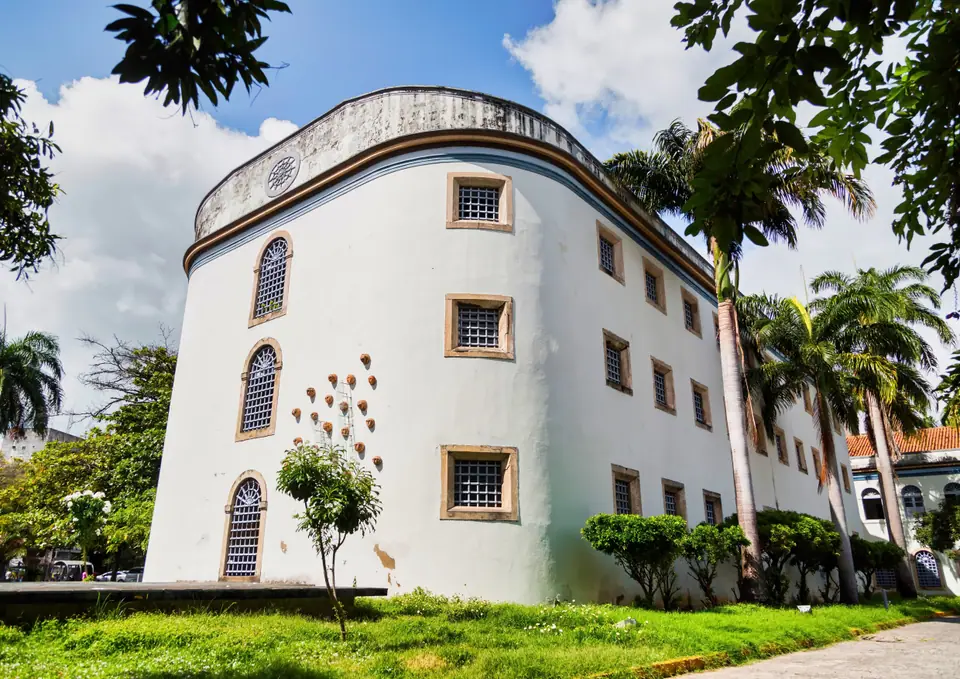
On the western riverbank beside Estação Central stands the Casa da Cultura Luiz Gonzaga. Built in 1855 in a four-wing cruciform panopticon plan as the Recife House of Detention, the former prison was converted in 1976 into Pernambuco's flagship handicraft centre, where more than one hundred original vaulted cells now house shops selling Caruaru figurative clay sculptures (in the tradition of Mestre Vitalino), literatura de cordel woodblock prints, and bolo de rolo. Ten minutes southeast stands the 1875 Mercado de São José, the oldest prefabricated cast-iron public market in Brazil.
Traveller tips
Real advice from people who have been to Santo Antônio & São José Guide: Capela Dourada (1696), Casa da Cultura & Bridges. Every tip is read by our team before it goes live.
No tips yet. Been here? Yours could be the first.
Thank you! Your tip will appear here after a quick review.
More in Recife
Continue exploring Recife with related neighbourhood, food, and planning guides
3 Days in Recife & Olinda Itinerary: Marco Zero, Olinda, Brennand & Reef Pools
Recife, Brazil

What to Eat in Recife & Olinda: Bolo de Rolo, Cartola, Peixada & Tapioca da Sé
Recife, Brazil
Recife Antigo Guide: Marco Zero, Rua do Bom Jesus & Kahal Zur Israel (1636)
Recife, Brazil
Olinda UNESCO Historic Centre Guide: Alto da Sé, São Bento & Giant Puppets
Recife, Brazil
