


























Olinda UNESCO Historic Centre Guide: Alto da Sé, São Bento & Giant Puppets
Explore the UNESCO World Heritage town of Olinda (6 km north of Recife): visit the 1582 Monastery of São Bento, Alto da Sé, Franciscan azulejos, and Rua do Amparo.
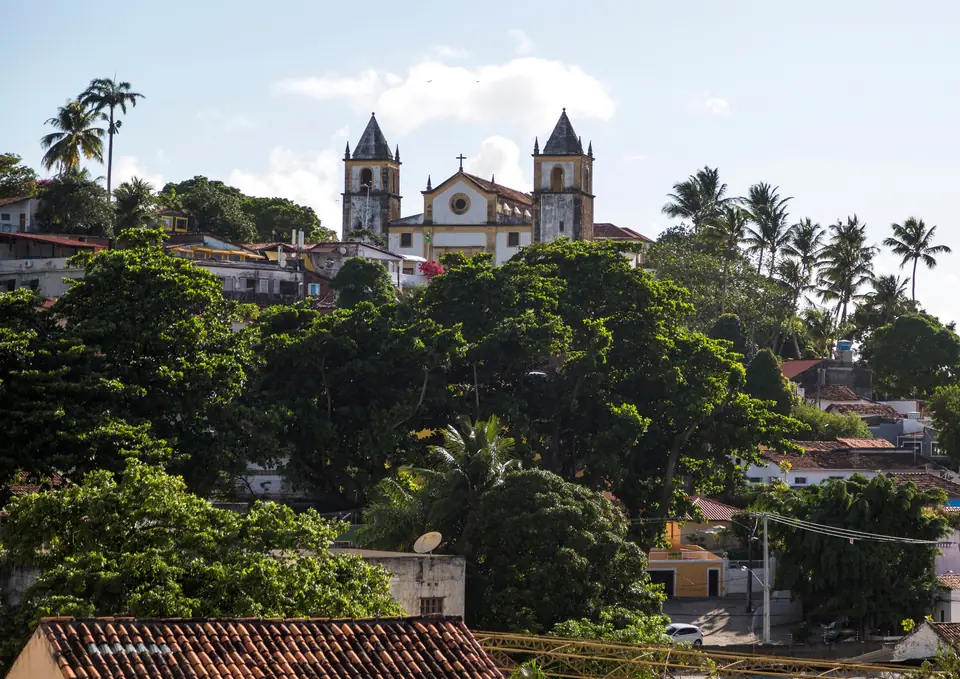
Six kilometres north of central Recife along the curve of the Atlantic bay, the historic hilltop city of Olinda rises across a lush amphitheatre of mango, breadfruit, and coconut trees. Founded in 1535 (and granted its town charter on 12 March 1537) by Portuguese nobleman Duarte Coelho Pereira, Olinda grew into the wealthiest sugar capital of sixteenth-century Brazil before Dutch troops burned its mansions in 1631 to relocate the capital to low-lying Recife. Over the late seventeenth and eighteenth centuries, Benedictine, Franciscan, Carmelite, and Jesuit orders rebuilt Olinda's twenty churches and convents, creating the harmonious colonial landscape inscribed as a UNESCO World Heritage Site in 1982 (Ref. 189).
1. Alto da Sé, Catedral da Sé (1537) & the Caixa d'Água Lift
Begin your walk at the summit of the hill on Alto da Sé, the panoramic belvedere where Duarte Coelho built his original mud-and-thatch chapel in 1537:
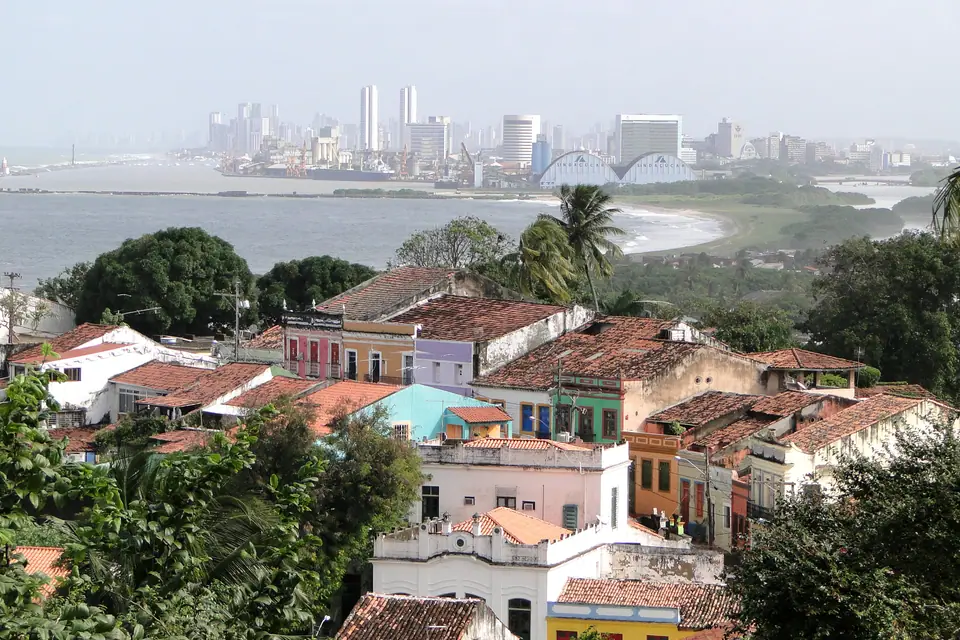
- Catedral da Sé (Igreja de São Salvador do Mundo): Rebuilt in stone in the late sixteenth century and restored in austere sixteenth-century mannerist lines, the cathedral holds the tomb plaque of town founder Duarte Coelho and looks straight down over the green rooftops of the lower town to the distant skyscrapers of Recife.
- Observatório do Alto da Sé & Caixa d'Água (1934): Right on the square, ride the glass panoramic lift to the roof terrace of the 1934Caixa d'Água (one of the earliest modern reinforced-concrete structures in Brazil, featuring interlaced cobogó breeze-blocks) for a 360-degree view of the coast, then sit at the open-air stalls of the Tapioqueiras do Alto da Sé.
2. Mosteiro de São Bento (1582) and Convento de São Francisco (1585)
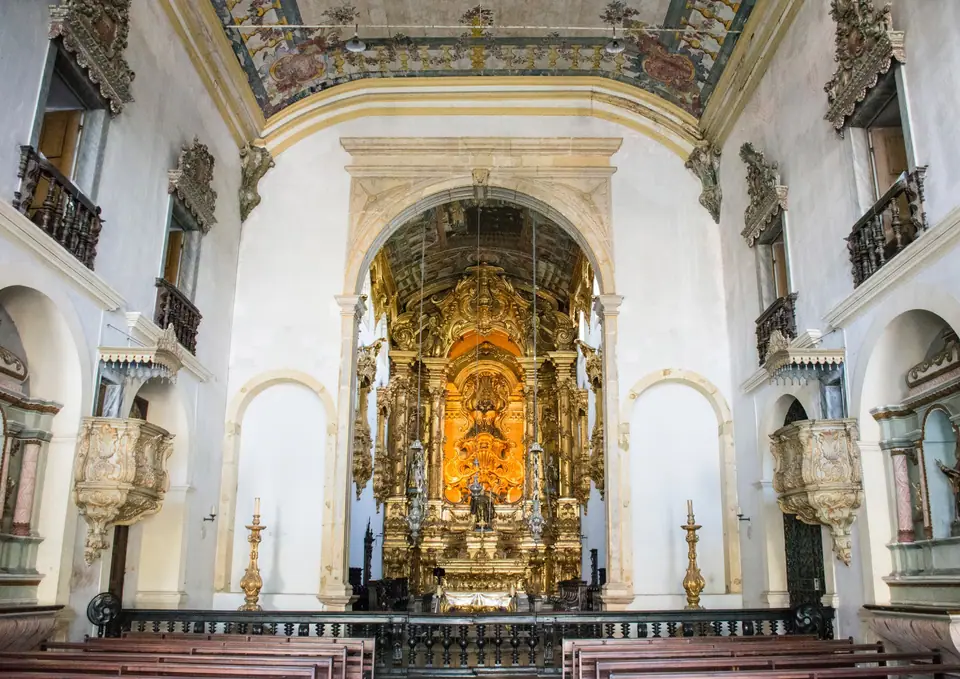
- Mosteiro de São Bento (Rua de São Bento): Founded in 1582 and rebuilt between 1656 and 1761, the Benedictine monastery houses the single greatest treasure of Pernambuco Baroque: a monumental 14-metre-tall high altar carved from cedar wood and covered in gold leaf (so celebrated that it was carefully dismantled and exhibited at the Guggenheim Museum in New York in 2001), alongside an ornate rosewood sacristy. On Sunday mornings at 10:00, the resident Benedictine monks sing traditional Gregorian chant Mass open to visitors.
- Convento de São Francisco (1585): Just down the slope from Alto da Sé stands the oldest Franciscan convent in Brazil, famed for its cloister lined with eighteenth-century blue-and-white Portuguese azulejo tile panels depicting the life of Saint Francis and the Holy Family, its carved rosewood (jacarandá) sacristy chests, and the adjoining Capela de São Roque.
3. Rua do Amparo, Quatro Cantos & the Bonecos Gigantes
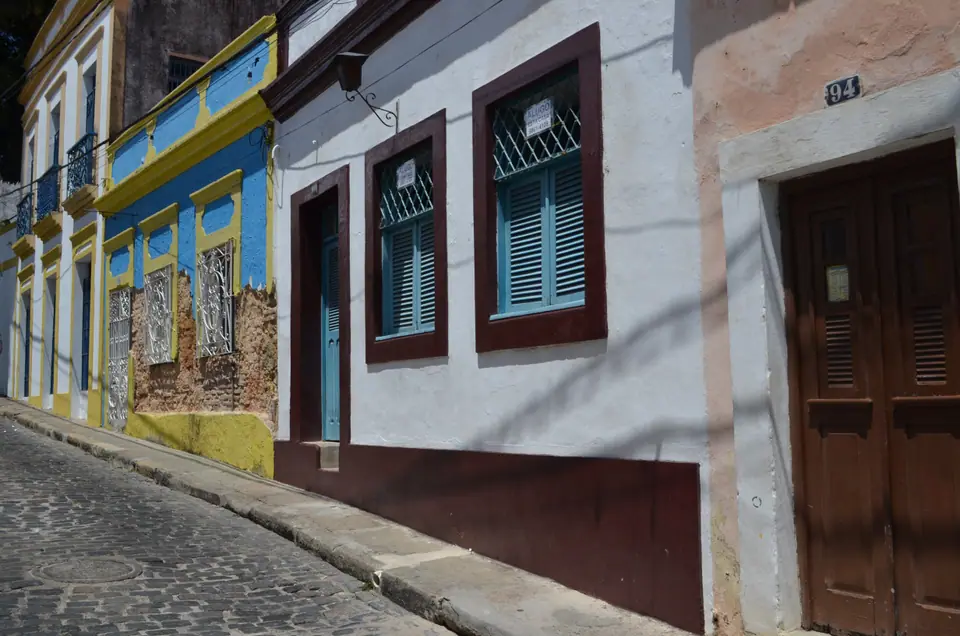
Stroll down steep Ladeira da Misericórdia past the Mercado da Ribeira (a seventeenth-century merchant gallery now filled with woodcarving and painting studios) to the crossroads of Quatro Cantos and colourful Rua do Amparo. Along the way, visit the Casa dos Bonecos Gigantes de Olinda to see how master puppeteers craft the towering Carnival figures that have danced through Olinda's hills since the creation of O Homem da Meia-Noite in 1932; check with local church sacristies for current midday closing pauses.
Traveller tips
Real advice from people who have been to Olinda UNESCO Historic Centre Guide: Alto da Sé, São Bento & Giant Puppets. Every tip is read by our team before it goes live.
No tips yet. Been here? Yours could be the first.
Thank you! Your tip will appear here after a quick review.
More in Recife
Continue exploring Recife with related neighbourhood, food, and planning guides
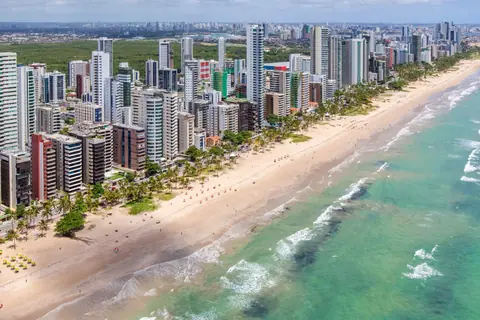
Where to Stay in Recife & Olinda: Boa Viagem Beach vs Historic Olinda Pousadas
Recife, Brazil
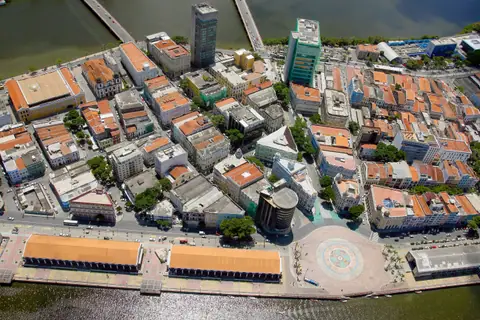
3 Days in Recife & Olinda Itinerary: Marco Zero, Olinda, Brennand & Reef Pools
Recife, Brazil
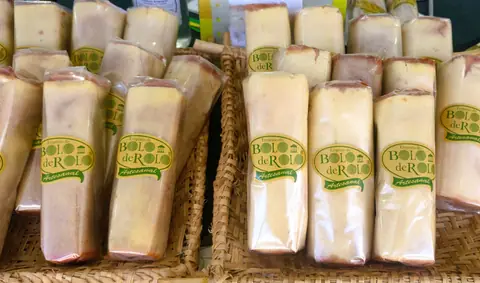
What to Eat in Recife & Olinda: Bolo de Rolo, Cartola, Peixada & Tapioca da Sé
Recife, Brazil
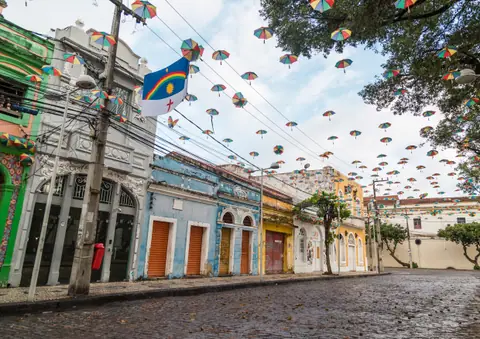
Recife Antigo Guide: Marco Zero, Rua do Bom Jesus & Kahal Zur Israel (1636)
Recife, Brazil
