


























Best Time to Visit Saint Petersburg: White Nights, Weather and Seasons
Compare Saint Petersburg's seasons using 1991-2020 climate normals: the May-to-July White Nights, golden autumn parks, and snowy winter museum months.
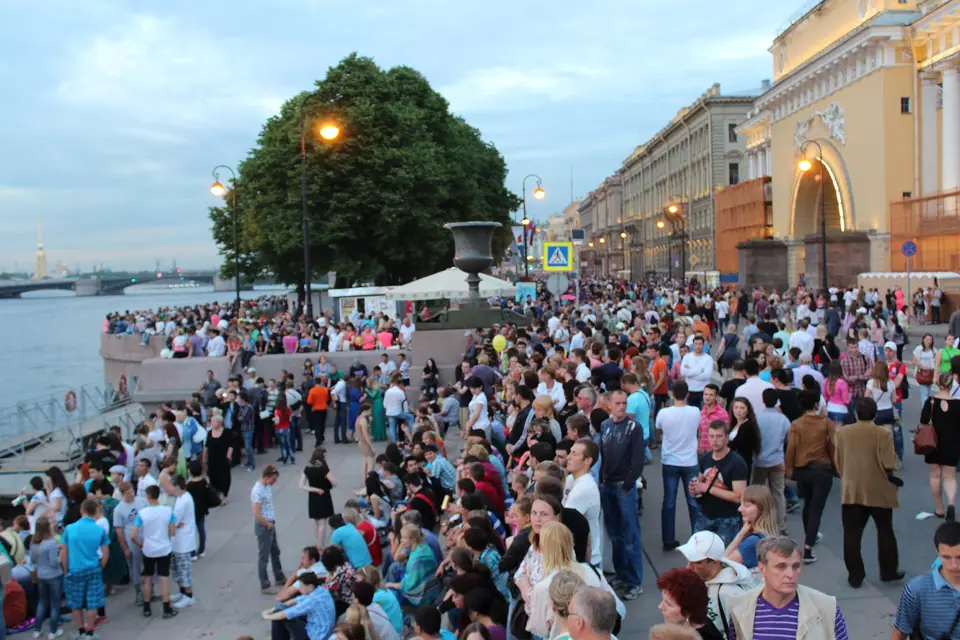
Lying at latitude 59 degrees 56 minutes north at the eastern head of the Gulf of Finland, Saint Petersburg experiences a humid continental climate strongly moderated by maritime Baltic air masses and frequent Atlantic cyclones. According to 1991 to 2020 official meteorological records from WMO Station 26063, day-length swings from nearly nineteen hours of daylight and bright twilight through the short June nights to barely five hours and fifty minutes of daylight at the December solstice.
Late May to Mid-July: The White Nights and Peak Summer
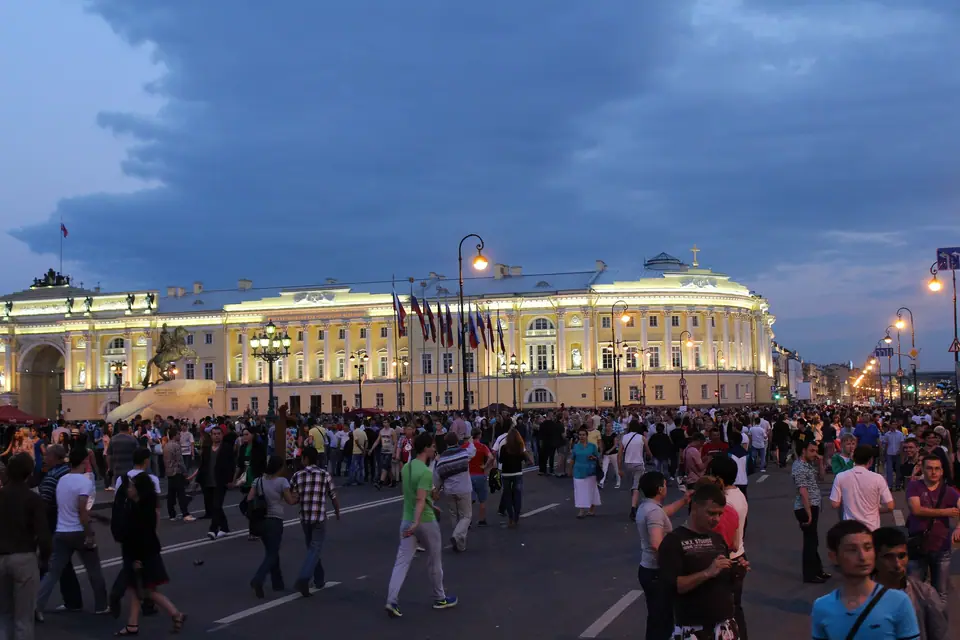
Because Saint Petersburg sits just over six degrees south of the Arctic Circle, the sun descends less than seven degrees below the northern horizon between late May and mid-July, creating the phenomenon of the White Nights (Belye Nochi), which peaks around the summer solstice from 11 June to 2 July. Daytime highs average 16.3 degrees Celsius in May, 20.5 degrees Celsius in June, and 23.3 degrees Celsius in July (the warmest month, with overnight lows around 15.3 degrees Celsius). During these weeks the Mariinsky Theatre stages its international Stars of the White Nights festival, the gravity-fed fountains at Peterhof run at full pressure, and the Scarlet Sails (Alye Parusa) school-graduates celebration illuminates the Neva River in late June. Because hotel occupancy and museum demand reach their annual peak in June, advance reservations for accommodation and timed museum entry are essential.
August to Mid-October: Warm Late Summer and Golden Autumn
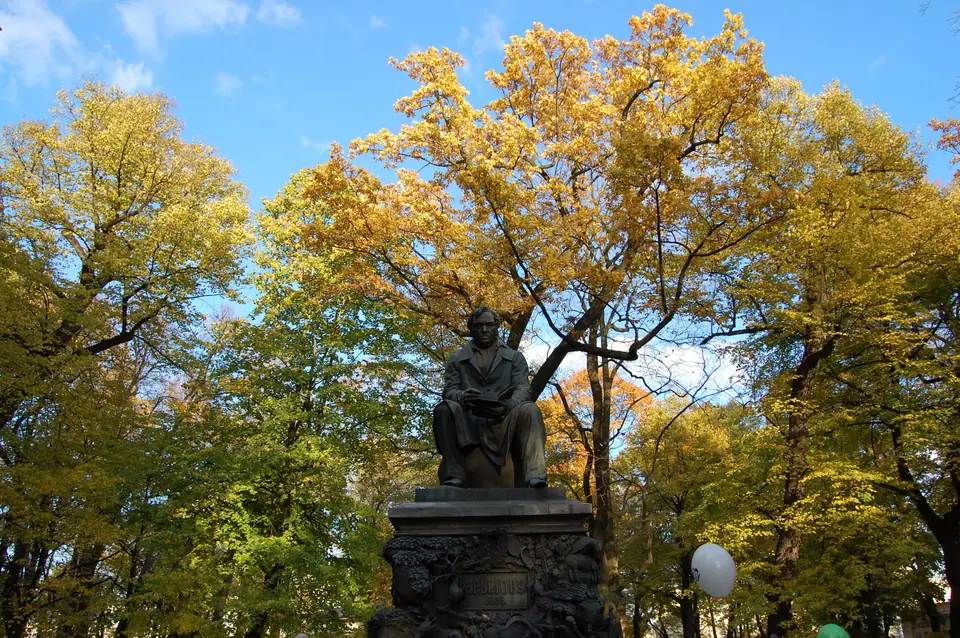
August remains comfortably warm with average afternoon highs of 21.4 degrees Celsius and overnight lows of 13.9 degrees Celsius, with all canal boats and Gulf of Finland hydrofoils operating on full summer timetables, though August is also the wettest month of the year by total rainfall (averaging 87 millimetres across 17 wet days). From early September through mid-October, average daytime highs cool from 15.9 degrees Celsius to 8.7 degrees Celsius as the maple, oak, and lime trees in the Summer Garden and the landscape parks of Tsarskoye Selo and Pavlovsk turn bright gold. Queue times at the State Hermitage Museum and the Catherine Palace drop noticeably while the outdoor Peterhof fountains continue operating until mid-October.
November to March: Snowy Palaces and the Performing Arts Season
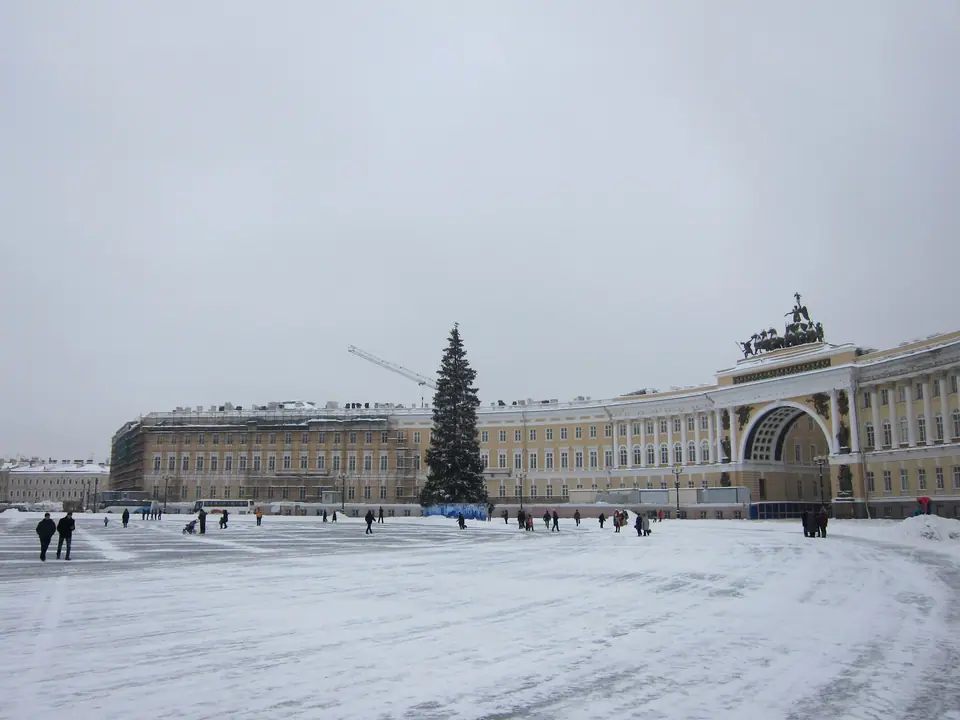
From November through March, temperatures dip below freezing, with January and February recording average daytime highs of minus 2.5 degrees Celsius and minus 2.4 degrees Celsius and average overnight lows of minus 7.2 degrees Celsius and minus 7.6 degrees Celsius. Although outdoor fountains are shut off and garden marble statues are boxed in wooden cases against frost, winter rewards culturally focused travellers: snow blankets Palace Square and the frozen Moika and Fontanka canals, the State Hermitage Museum and State Russian Museum can be explored without summer crowds, and the full winter repertoire of opera, ballet, and symphonic concerts runs across the historic theatres.
What to Pack for Baltic Wind and Cobblestones
Even in midsummer, brisk coastal breezes off the Gulf of Finland and Lake Ladoga make a windproof jacket, compact folding umbrella, comfortable flat walking shoes for granite embankments and palace courtyards, and a dark eye mask for sleeping during the bright White Nights essential. In winter, pack insulated waterproof boots with non-slip rubber soles for icy pavements, thermal wool base layers, a warm scarf and hat, and lined gloves for walking across open Neva River bridges and canal quays.
Traveller tips
Real advice from people who have been to Best Time to Visit Saint Petersburg: White Nights, Weather and Seasons. Every tip is read by our team before it goes live.
No tips yet. Been here? Yours could be the first.
Thank you! Your tip will appear here after a quick review.
More in Saint Petersburg
Continue exploring Saint Petersburg with related neighbourhood, food, and planning guides
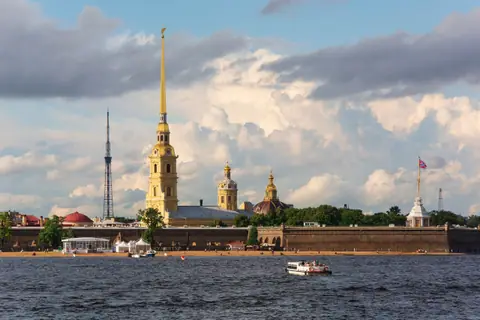
Peter and Paul Fortress, Cruiser Aurora and Petrogradsky Island
Saint Petersburg, Russia
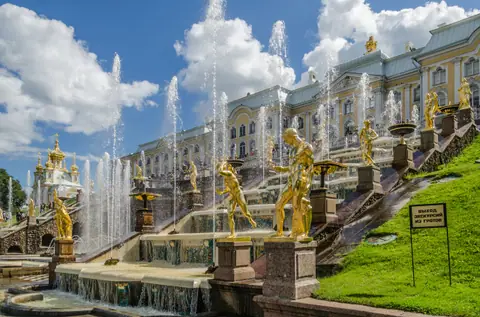
Peterhof Palace and Fountains: Grand Cascade and Lower Gardens
Saint Petersburg, Russia
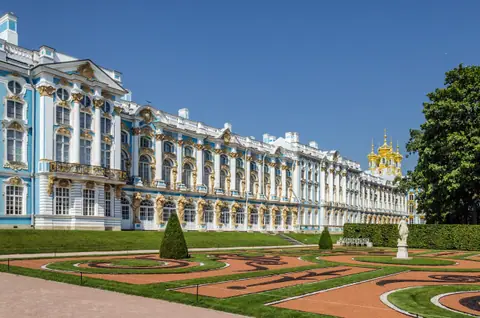
Catherine Palace, the Amber Room and Pavlovsk Day Trip Guide
Saint Petersburg, Russia
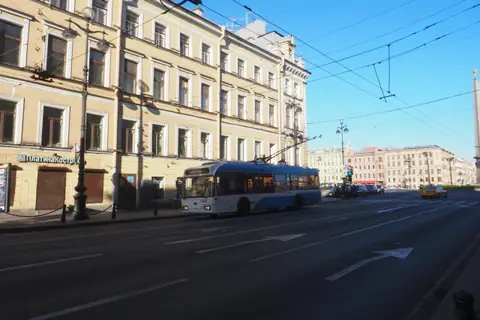
Nevsky Prospekt and the Canals: Singer House, Bridges and Palaces
Saint Petersburg, Russia
