


























Saint Petersburg: Layout, Islands and Planning
Understand how Saint Petersburg's 42 islands, radial avenues, canals, and suburban imperial estates fit together before planning a visit.
Founded on 27 May 1703 by Tsar Peter the Great on the marshy islands of the Neva River delta, Saint Petersburg was purpose-built as Russia's window onto the Baltic Sea and served as the imperial capital from 1712 until 1918. Today the city counts more than 5.6 million inhabitants across a low-lying archipelago of 42 islands linked by hundreds of bridges, including 22 drawbridges across the Neva and main canals. Its UNESCO-listed historic core preserves an unbroken eighteenth- and nineteenth-century streetscape of pastel Baroque palaces, granite embankments, and cast-iron canal railings.
How the Delta and Islands Are Organised
The wide Neva River flows 74 kilometres from Lake Ladoga into the Gulf of Finland, splitting inside Saint Petersburg into the Bolshaya Neva, Malaya Neva, and Bolshaya Nevka arms. This river geometry divides the central city into four distinct zones that structure every sightseeing day:
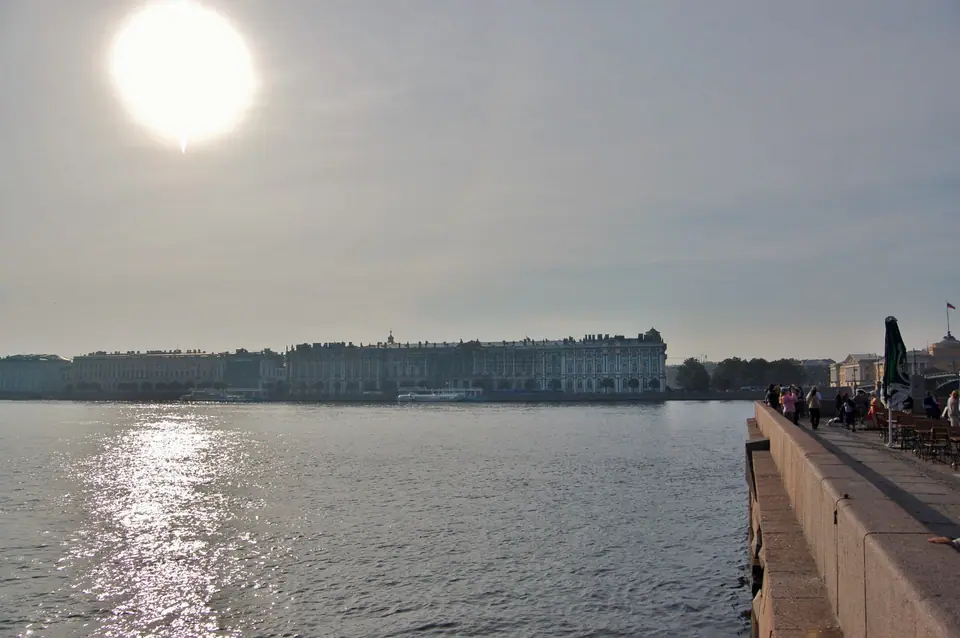
- The Historic Mainland (Admiralteysky and Tsentralny): Situated south of the Bolshaya Neva, this mainland core contains the Admiralty Building, Palace Square and the State Hermitage Museum, and the three concentric waterways of the Moika River, Griboyedov Canal, and Fontanka River crossed by Nevsky Prospekt.
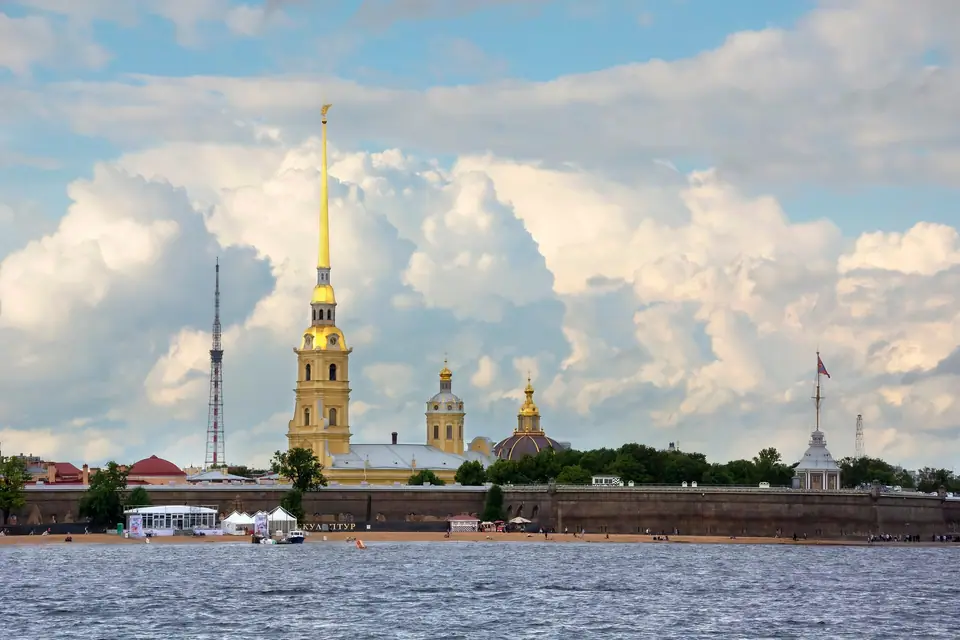
- Petrogradsky Island and Hare Island: Directly north, reached across Trinity Bridge and the short Ioannovsky Bridge, lies Hare Island, home to the 1703 Peter and Paul Fortress, backed by early twentieth-century Art Nouveau apartment blocks on Petrogradsky Island.
- Vasilyevsky Island: Wedged between the Bolshaya Neva and Malaya Neva, Vasilyevsky Island features the monumental eastern spit (Strelka) with its red Rostral Columns and the 1718 Kunstkamera.
- The Suburban Imperial Estates: Located 24 to 30 kilometres south and west of the city centre, Peterhof on the Gulf of Finland and Tsarskoye Selo (Pushkin) and Pavlovsk form essential full-day excursions.
Entry Formalities, Currency and Connectivity
Foreign nationals should check current electronic visa (e-visa) or consular visa rules on the official Ministry of Foreign Affairs portal well before departure. Keep the paper migration card issued at border control together with your passport until exit, as hotels are required by law to register guests upon check-in. Because international Visa and Mastercard cards issued outside Russia do not function on local payment terminals or cash machines, travellers carry clean US dollar or euro banknotes to exchange into Russian roubles at licensed bank branches.
Advance Museum and Theatre Reservations
Timed-entry vouchers for the State Hermitage Museum, the Amber Room inside the Catherine Palace at Tsarskoye Selo, and the Fabergé Museum on the Fontanka River should be reserved online ahead of arrival, particularly during the June and July White Nights season. Evening ballet and opera performances at the historic 1860 Mariinsky Theatre and its adjacent Mariinsky II stage also sell out early; verify current repertoire and ticket availability on the official theatre website.
Bridge Opening Hours and Night Crossings
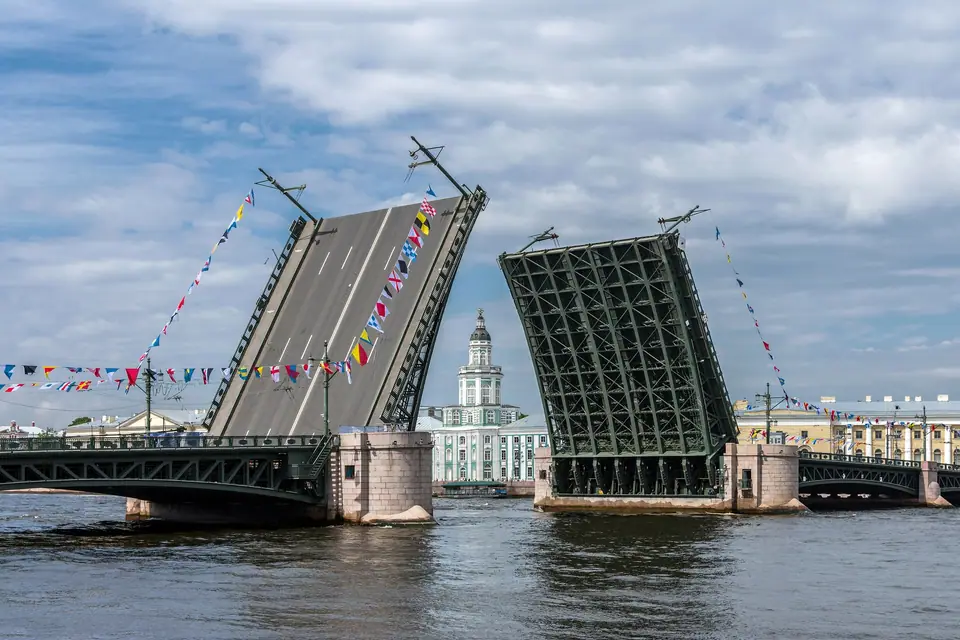
During the navigation season from April to November, the major bascule bridges across the Neva River, including Palace Bridge, Trinity Bridge, and Liteyny Bridge, swing open after midnight to allow cargo vessels to pass between Lake Ladoga and the Baltic Sea. Visitors dining or watching the bridge openings on the opposite bank should check the official municipal bridge schedule or use the Saint Petersburg Metro before the last underground trains depart, as the high cable-stayed Big Obukhovsky Bridge far to the south-east and the Western High-Speed Diameter toll expressway remain open to road traffic across the river delta throughout the night.
Traveller tips
Real advice from people who have been to Saint Petersburg: Layout, Islands and Planning. Every tip is read by our team before it goes live.
No tips yet. Been here? Yours could be the first.
Thank you! Your tip will appear here after a quick review.
More in Saint Petersburg
Continue exploring Saint Petersburg with related neighbourhood, food, and planning guides
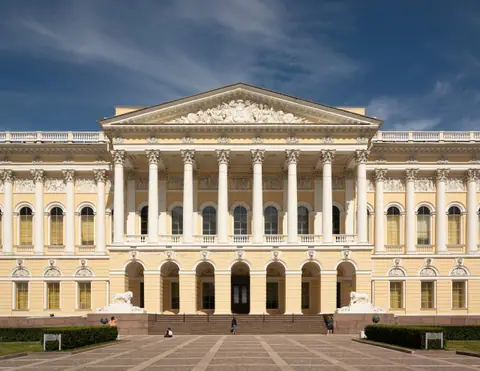
Russian Museum, Summer Garden, Saint Michael's Castle and Fabergé
Saint Petersburg, Russia
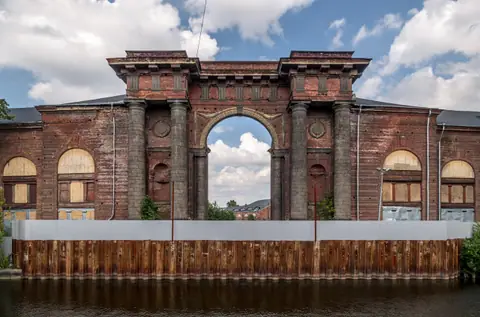
Mariinsky Theatre, New Holland Island and Vasilyevsky Island Guide
Saint Petersburg, Russia
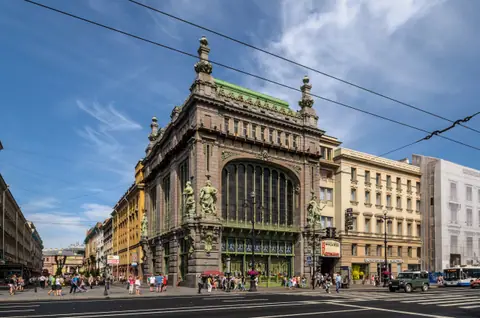
What to Eat in Saint Petersburg: Beef Stroganoff, Blini and Pyshki
Saint Petersburg, Russia
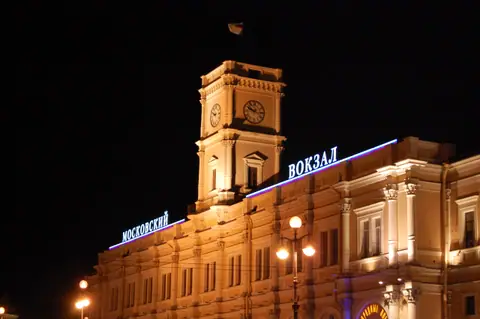
How to Get to Saint Petersburg: Pulkovo Airport, Trains and Metro
Saint Petersburg, Russia
