




















Monserrate Palace & Convent of the Capuchos: Complete Guide
Complete 2026 guide to Sintra's Palace and Botanical Gardens of Monserrate (€12) and the 1560 cork-lined Convent of the Capuchos (€11), plus Bus 435 tips.
Three kilometres west of Quinta da Regaleira along the quiet, fern-draped road toward Colares lie two of Sintra's most rewarding and least crowded monuments, each representing the exact opposite pole of human imagination. In the sun-dappled valley below stands the Palace and Park of Monserrate, an opulent 1858 Anglo-Indian-Moorish pleasure palace surrounded by 30 hectares of exotic botanical gardens created for one of Victorian England's wealthiest collectors. High in the misty granite woods four kilometres above sits the Convent of the Capuchos (Convento dos Capuchos)., an austere 1560 Franciscan hermitage where eight barefoot friars carved tiny cells into giant boulders and lined every doorway and ceiling with rough cork bark.
| Western Sintra Monument | Distance from Sintra-Vila | Transport Access | 2026 Ticket Price (as of Nov 2026) |
|---|---|---|---|
| Palace & Park of Monserrate. | 3.5 km west (190 m elevation). | Scotturb Bus 435 (€6 loop) or €7 to €9 Uber/taxi. | €12.00 adult / €10.00 youth (6 to 17) & senior (65+). |
| Convent of the Capuchos. | 7.0 km southwest (390 m elevation). | 12-min taxi/Uber (€8 to €12) or forest hike (no bus stop). | €11.00 adult / €9.00 youth & senior. |
| Monserrate + Capuchos Half-Day. | 4.5 km between the two gates. | Bus 435 to Monserrate + taxi up to Capuchos. | ~€19.50 combined online with 15% PSML discount. |
Palace of Monserrate: From William Beckford & Lord Byron to Sir Francis Cook
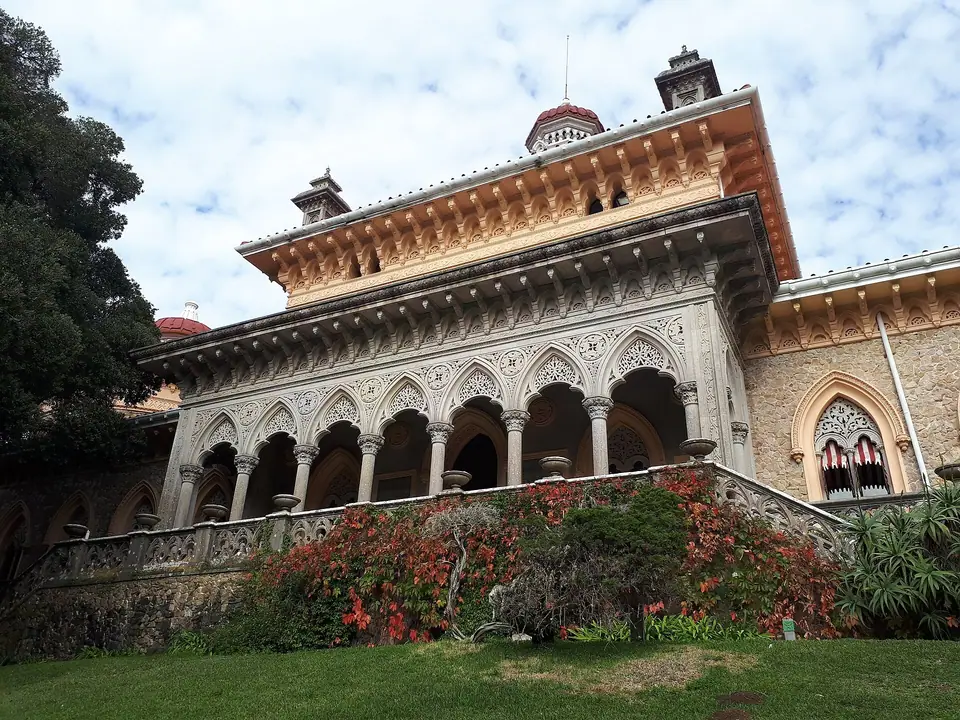
The romantic legend of Monserrate began in 1793 when eccentric English Gothic novelist and millionaire William Beckford (author of Vathek) leased the estate. Remodeled a Neo-Gothic castle on the hill, landscaping the valley with cascades and artificial ruins. When Lord Byron visited Sintra in July 1809, Beckford's already crumbling castle inspired the opening stanzas of Childe Harold's Pilgrimage. Five decades later, in 1856, English textile magnate and art collector Sir Francis Cook (created 1st Viscount of Monserrate by King Luís I) bought the estate and commissioned British architect James T. Knowles to build the fantastical summer villa that stands today (1858 to 1863).
Stepping inside the symmetric circular and octagonal pavilions of the palace (€12.00 entry as of November 2026) reveals a striking fusion of Venetian Gothic, Moorish plasterwork, and Mughal stone-carving. Highlights include 17th-century pierced alabaster screens imported by Sir Francis Cook from Delhi after 1857. Walk down the long central Gallery framed by pink marble columns and latticework arches into the circular Music Room, whose acoustic dome still hosts chamber concerts during the annual Sintra Festival.
Exploring the 30-Hectare Monserrate Botanical Gardens
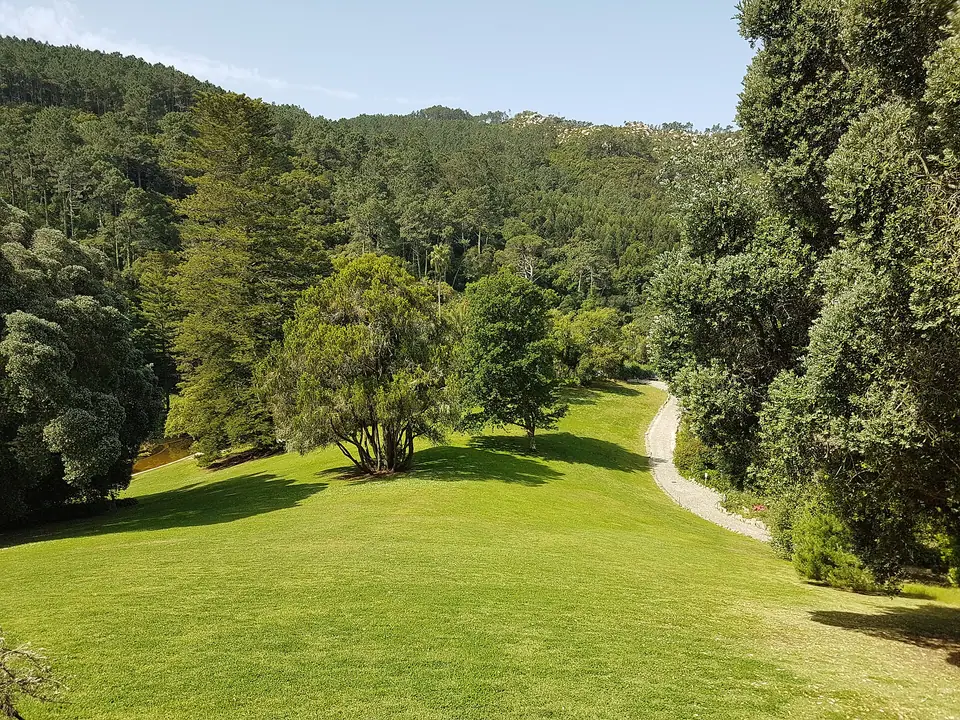
When you enter the upper gate of Monserrate Park where Scotturb Bus 435 drops you off, do not walk along the paved road. Follow the signposted botanical footpath that winds for 35 minutes down through four microclimate valleys before emerging onto the palace lawn:
- The Ruined Chapel (Capela em Ruínas). William Beckford originally built this roofless chapel as an ornamental Gothic folly. Today, its stone walls are embraced by the twisting aerial roots of a giant Australian strangler fig tree (Ficus macrophylla).
- The Valley of the Ferns (Vale dos Fetos) & Waterfall. A humid, spring-watered gorge shaded by giant Tasmanian and New Zealand tree ferns (Dicksonia antarctica) planted in the 1860s by English master gardener William Nevill.
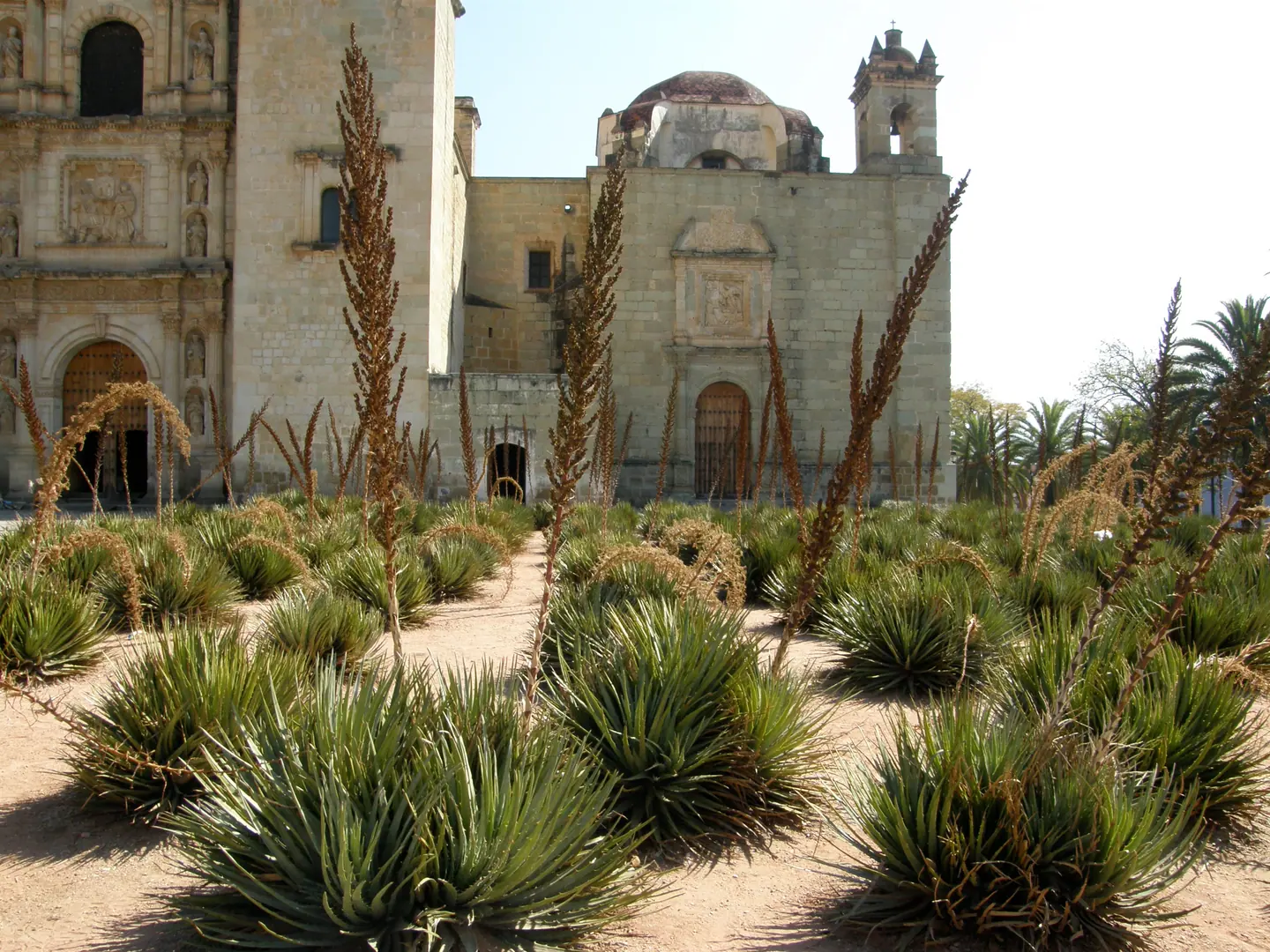
- The Mexican Garden (Jardim do México) & Rose Garden. Located on the sunny, south-facing dry slope below the palace lawn, this recently restored terrace bursts with towering yuccas, century agaves, cycads, and palm trees. Next to it sits a fragrant amphitheatre of over 200 historical rose varieties inaugurated in 2011.
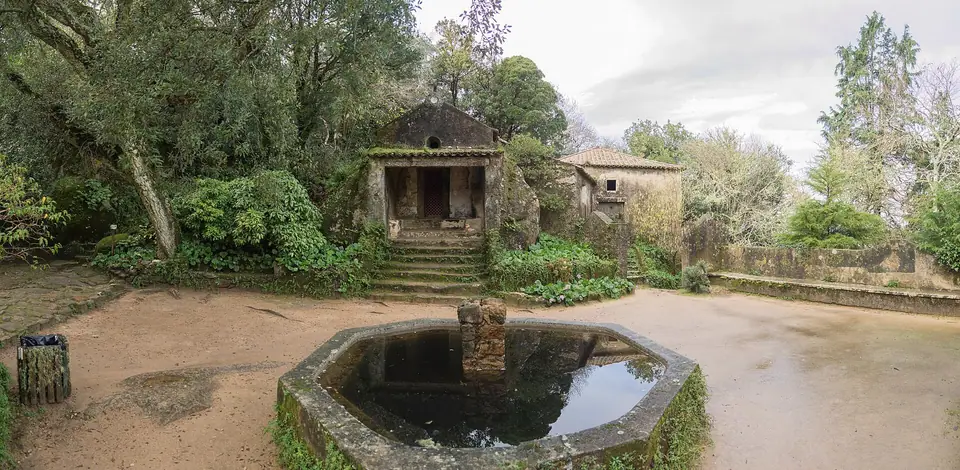
The Convent of the Capuchos (1560): The Cork Monastery in the Rocks
Seven kilometres deep inside the western forest of the Serra de Sintra lies the Convent of the Capuchos (Convento de Santa Cruz da Serra de Sintra). Reach it in 12 minutes by taxi or Uber from Sintra-Vila or Monserrate for €8.00 to €12.00 as of November 2026. Because neither Bus 434 nor Bus 435 serves this road, save Sintra Radio Taxi (`+351 219 244 600`) for your return ride. Founded in 1560 by Dom Álvaro de Castro according to the deathbed vow of his father, Dom João de Castro (the renowned fourth Viceroy of Portuguese India), the monastery was built for a tiny community of eight Franciscan Arrabidos friars devoted to absolute poverty and contemplative silence.
When King Philip I of Portugal (Philip II of Spain) visited Sintra in 1581, he famously remarked: "Of all my kingdoms, there are two places I hold in the highest esteem. El Escorial for how rich it is, and the Convent of the Sacred Cross in the hills of Sintra for how poor it is." Instead of clearing the forest, the friars tucked their low corridors beneath granite monoliths:
- Why Everything Is Lined with Cork Bark. To insulate the stone chambers against the 90% winter humidity of the Serra de Sintra, the friars avoided carved wood or plaster. Every low doorway, ceiling, window shutter, and shelf is clad in thick slabs of bark from local cork oak trees (Quercus suber).
- The Eight Tiny Cells & the Door of Humility. In the upper dormitory corridor, the doorways into the eight sleeping cells stand barely 1.30 metres (4 ft 3 in) tall, forcing every visitor to bow upon entering. Downstairs, the Refectory features a single colossal slab of rose marble donated by Cardinal-King Henrique in the 1570s.
- Cave of Brother Honório (Covinha de Frei Honório). Outside in the moss-draped forest terrace, peer into the tiny stone crevice where Brother Honório spent the last thirty years of his life in solitary penance before dying in 1596 at the age of 100.
Practical Logistics: Combining Monserrate & Capuchos in Half a Day
Combining the opulent Indo-Gothic gardens of Monserrate with the cork-lined cells of the Convent of the Capuchos creates the most peaceful and crowd-free afternoon in Sintra. To link both estates smoothly, catch Scotturb Bus 435 from Sintra Train Station or Sintra-Vila (stopping right after Quinta da Regaleira and Seteais) for the 15-minute ride to the gate of Monserrate. Spend two hours strolling downhill through the botanical ravine to the palace and pausing at the Monserrate Tea House in the lower garden for homemade scones, sandwiches, and espresso.
Because public buses do not climb the narrow 4.5-kilometre forest road from Monserrate up to the Convent of the Capuchos, ask the attendants at the Monserrate ticket kiosk to call an official Sintra taxi. You can also order an Uber or Bolt while you still have strong 4G signal at the Monserrate gate (€8.00 to €10.00 for the 10-minute ride). Before your driver drops you off at the Convent of the Capuchos, arrange a fixed pick-up time 75 minutes later. Walk the waymarked 4-kilometre Trilho dos Capuchos forest trail back down toward Colares, as mobile data inside the deep granite woods around the monastery is very weak.
Inside the main circular gallery of Monserrate, pause beneath the central octagonal cupola to see how architect James Thomas Knowles engineered the cast-iron columns. Delicate alabaster lattice screens filter the bright Portuguese afternoon sun. Outside on the lower terrace, the restored Rose Garden and Perfumed Garden offer quiet stone benches. Two-hundred-year-old Norfolk Island pines rise more than 45 metres above the lawn. Before walking back up to the park gate for the return 435 bus, the small Tearoom adjacent to the old kitchen serves freshly brewed coffee, local pastries, and chilled Colares white wine overlooking the valley.
Where it is
- 1Monserrate Palace & Convent of the Capuchos
- Lisbon Humberto Delgado Airport (LIS) · about 25 km from here in a straight line
- Directions in Google Maps
Traveller tips
Real advice from people who have been to Sintra. Every tip is read by our team before it goes live.
No tips yet. Been here? Yours could be the first.
Thank you! Your tip will appear here after a quick review.
More in Sintra
Continue exploring Sintra with related neighbourhood, food, and planning guides
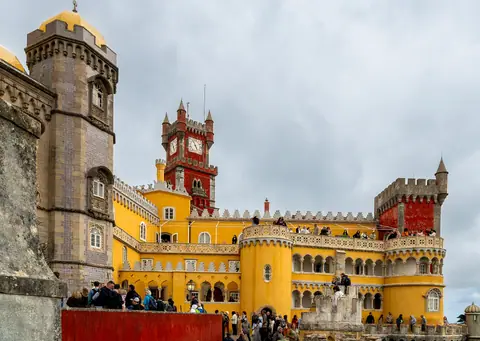
10 Best Things to Do in Sintra: Pena Palace, Initiation Well, Moorish Walls & Coast
Sintra, Portugal
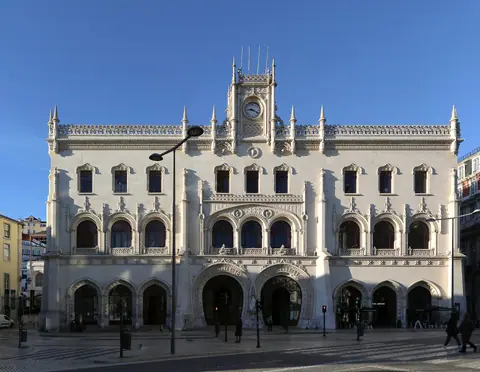
How to Get to Sintra: Lisbon Rossio Train, Bus 434 & Car Ban
Sintra, Portugal
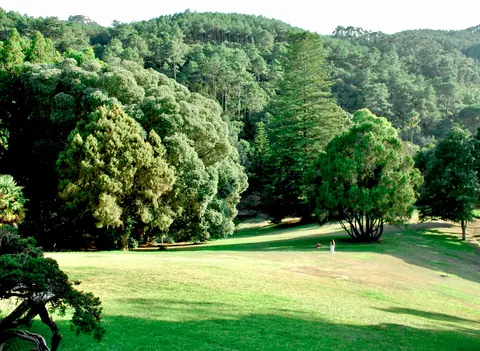
Best Time to Visit Sintra: Fog, Months, Crowds & Weekdays
Sintra, Portugal
What to Wear in Sintra: Wet Cobble Grip, Wind Layers & Tunnels
Sintra, Portugal
