























What to Eat in Sintra: Travesseiros, Queijadas & Colares Wine
Essential 2026 Sintra food and wine guide: warm Travesseiros at Casa Piriquita (since 1862), medieval Queijadas de Sintra, pre-phylloxera Colares wine and.
For centuries, the royal court and monastic communities of Sintra shaped one of Portugal's richest regional pastry and wine traditions. The pastures of the Serra de Sintra produced rich sheep's and cow's milk curds while convent kitchens perfected egg-yolk and almond pastries (doçaria conventual). Sintra became synonymous across Portugal with two protected pastries. The crisp, cinnamon-spiced Queijada de Sintra (documented as early as the 13th century) and the warm, flaky Travesseiro de Sintra ("Sintra Pillow"), invented in the 1940s at the historic Casa Piriquita bakery. Pair these pastries with cold-water Atlantic seafood off Azenhas do Mar and a glass of rare Colares DOC wine. Pressed from pre-phylloxera Ramisco and Malvasia vines rooted deep in coastal sand dunes, local wine makes dining in Sintra unforgettable.
| Signature Sintra Specialty | What It Is | Best Place to Try It | Typical Price (as of November 2026) |
|---|---|---|---|
| Travesseiro de Sintra. | Warm puff-pastry "pillow" filled with egg-yolk & almond cream. | Casa Piriquita or Piriquita II (Rua das Padarias, Sintra-Vila). | €2.30 to €2.60 per pastry. |
| Queijada de Sintra. | Crisp tartlet of fresh cheese, sugar, egg yolks & cinnamon. | Fábrica das Verdadeiras Queijadas da Sapa (since 1756). | €1.60 each / €9.50 box of 6. |
| Vinho de Colares DOC. | Ungrafted pre-phylloxera Ramisco (red) & Malvasia (white) wine. | Adega Regional de Colares or Sintra-Vila wine bars. | €7.00 to €12.00 per glass; €15 tasting tour. |
| Atlantic Barnacles & Sea Bass. | Gooseneck barnacles (percebes), clams & grilled fish. | Azenhas do Mar, Bar do Fundo or Tascantiga. | €18.00 to €32.00 main course. |
| Ginjinha in Chocolate Cup. | Sour Morello cherry liqueur served in a dark chocolate shot cup. | Walk-up window bars on Rua das Padarias. | €1.80 to €2.20 per shot. |
Travesseiros de Sintra at Casa Piriquita (Founded 1862)
Just fifty metres uphill from the Sintra National Palace along the cobbled lane of Rua das Padarias ("Street of the Bakeries") stands Sintra's most famous culinary institution: Casa Piriquita. Founded in 1862 by baker Amaro dos Santos and his wife Constança Gomes (whom King Carlos I affectionately nicknamed "Piriquita" because of her petite stature), the bakery originally supplied hot Queijadas to the royal summer court.
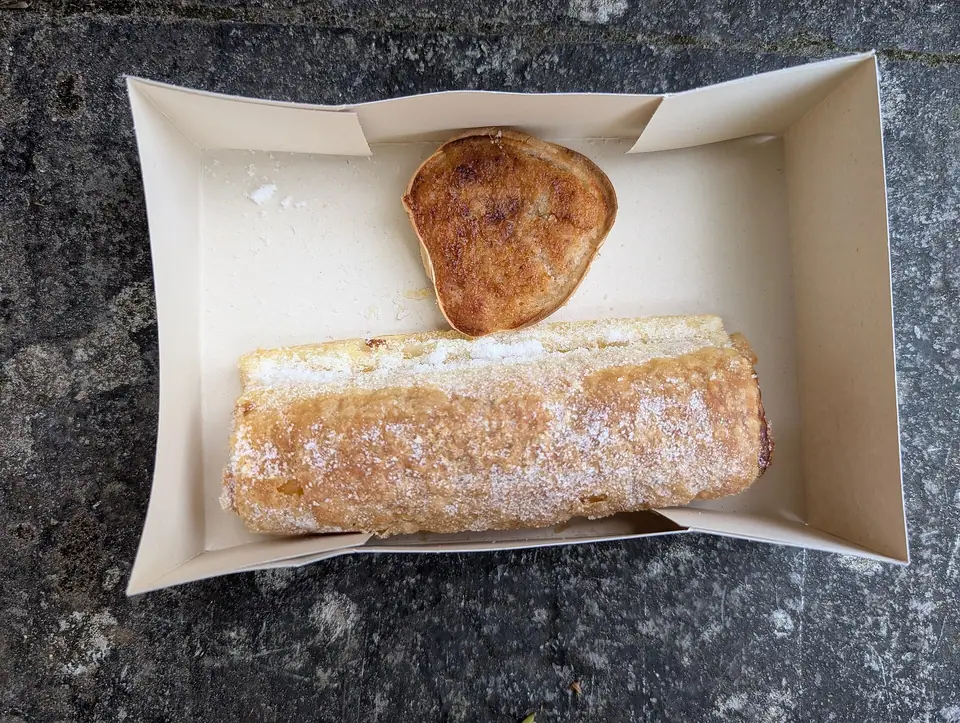
In the 1940s, the founders' granddaughter, Constança Luísa Cunha, created the Travesseiro de Sintra from an old family recipe book. Each golden cylinder of paper-thin puff pastry is dusted with sugar and filled with warm almond and egg-yolk cream. The recipe remains a closely guarded family secret known only to direct descendants working in the dough room. Local Queue-Skipping Tip. When the midday sit-down queue outside the original Casa Piriquita at Rua das Padarias 1 stretches down the street, use its express takeaway counter (€2.40 per pastry). Walk 30 metres further up the exact same alley to Piriquita II (Rua das Padarias 18), owned by the same family with identical ovens and twice the indoor table seating.
Queijadas de Sintra: A Medieval Cheese Tart Since 1756
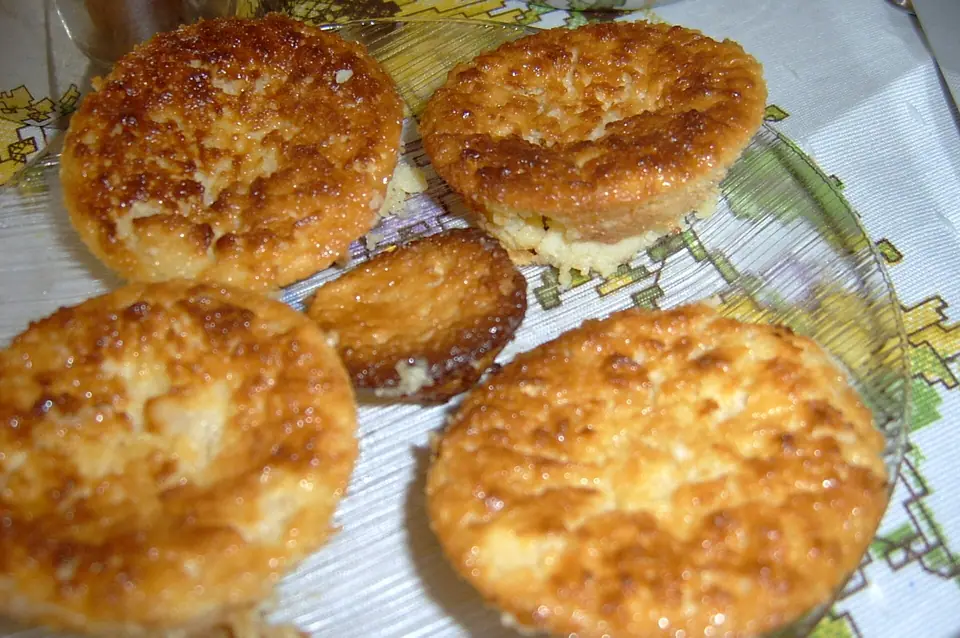
While the Travesseiro is a 20th-century star, the Queijada de Sintra dates back to the Middle Ages. Back then, tenant farmers paid their feudal rent in fresh sheep's and cow's milk curds (queijo fresco). Unlike Lisbon's creamy custard Pastel de Nata, a true Queijada has a crisp, crackly outer tartlet shell. Inside sits a dense, caramelised filling of fresh cheese, sugar, egg yolks, flour, and Ceylon cinnamon.
To taste the benchmark version, stop at Fábrica das Verdadeiras Queijadas da Sapa on Volta do Duche (right on the 12-minute walk between Sintra Train Station and the National Palace). Founded in 1756 by Maria Sapa in Ranholas and operating in its current townhouse since 1890, Sapa still hand-shapes every tartlet (€1.60 each or €9.50 for a pack of six as of November 2026). The pastries stay fresh at room temperature for a week, making them an ideal souvenir. Other authentic bakeries to compare include Gregório (near Portela de Sintra) and Casa do Preto (on the road toward Colares).
Vinho de Colares DOC: Europe's Pre-Phylloxera Sand-Dune Wine
Between the western foot of the Serra de Sintra and the Atlantic cliffs of Cabo da Roca and Azenhas do Mar lies the tiny Colares DOC wine region, the westernmost appellation on the European mainland. In the 1860s, when the North American root louse Phylloxera vastatrix destroyed nearly every vineyard across Europe, the vines of Colares survived untouched for a remarkable geological reason. Farmers here dig trenches three to eight metres deep through coastal beach sand (chão de areia) to plant ungrafted vines into the clay below. Because the phylloxera aphid cannot burrow through loose sand, the pre-phylloxera roots survived.
Protected from Atlantic salt winds by woven reed fences (caniços), Colares produces two rare wines from ungrafted native vines. Ramisco is a ruby-garnet red aged in Brazilian mahogany vats, while Malvasia de Colares is a saline, citrus-scented white. You can tour the cavernous barrel halls of the 1931 Adega Regional de Colares in Colares village (tasting tours from €15.00 as of November 2026) or order a glass at cosy wine bars in Sintra-Vila.
4. Where to Eat in Sintra: Best Tascas, Petiscos & Clifftop Seafood.
Avoid the overpriced tourist-menu cafés directly facing the main square of Sintra-Vila and head to these local favourites instead:
- Tascantiga (Escadinhas da Fonte da Pipa, Sintra-Vila). Tucked onto a stepped alley three minutes uphill from the National Palace, this lively gastro-tasca serves creative Portuguese petiscos (sharing plates). Expect codfish fritters (pataniscas de bacalhau), garlic shrimp, roasted chorizo, and prego steak sandwiches on carob bread (€18.00 to €25.00 per person as of November 2026).
- Incomum by Luis Santos (Near Sintra Train Station). Just 150 metres from the station exit, Chef Luis Santos runs a polished contemporary bistro away from the Old Town crowds. It offers a great-value weekday lunch menu together with evening seafood rice and Iberian pork dishes.
- Cantinho de São Pedro & Curral dos Caprinos (São Pedro de Sintra / Cabriz). For hearty traditional mountain fare, head to São Pedro de Sintra for wood-roasted kid goat (cabrito assado no forno) and sizzling stone-grilled steaks.
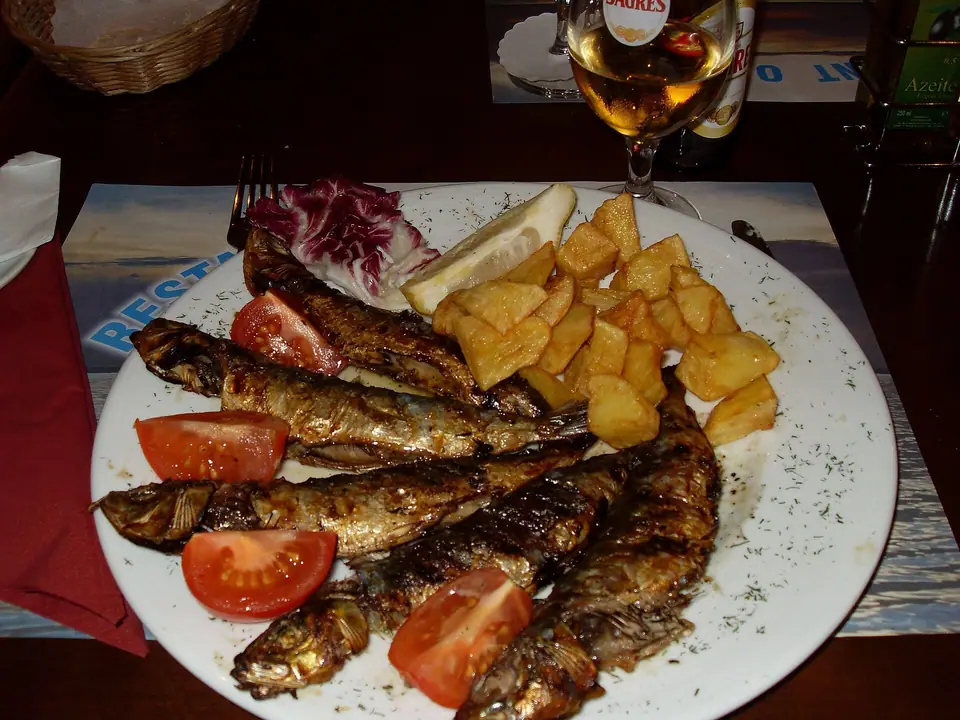
- Azenhas do Mar & Bar do Fundo (Atlantic Coast). Down by the surf at Azenhas do Mar and Praia Grande, feast on fresh ocean gooseneck barnacles (percebes), spider crab (santola), and whole salt-crusted Atlantic sea bass.
5. Other Regional Specialties: Pézinhos de Coentrada, Leitão de Negrais & Sintra Honey.
Beyond its famous pastries and coastal seafood, the rural parishes around Sintra preserve several centuries-old country recipes worth seeking out. In the village of Negrais (10 kilometres northeast of Sintra-Vila, near the Mafra road), wood-fired bakeries specialise in Leitão de Negrais. This suckling pig is split flat, rubbed with coarse sea salt, garlic, bay leaf, and black pepper, and slow-roasted over eucalyptus and pine embers until the skin shatters like glass. Inside traditional Sintra taverns, winter menus also feature Pézinhos de Coentrada, pig's trotters simmered with fresh coriander, garlic, and white wine vinegar. Another classic is Carne de Porco às Mercês, marinated pork loin served with sautéed turnip greens.
At the weekend farmers' market in São Pedro de Sintra (second and fourth Sunday of each month), pick up dark Serra de Sintra heather honey, rustic corn bread (broa de milho), and sweet Colares apples.
Where it is
- 1Sintra
- Lisbon Humberto Delgado Airport (LIS) · about 22 km from Sintra in a straight line
- Directions in Google Maps
Traveller tips
Real advice from people who have been to Sintra. Every tip is read by our team before it goes live.
No tips yet. Been here? Yours could be the first.
Thank you! Your tip will appear here after a quick review.
More in Sintra
Continue exploring Sintra with related neighbourhood, food, and planning guides
Best Time to Visit Sintra: Fog, Months, Crowds & Weekdays
Sintra, Portugal
What to Wear in Sintra: Wet Cobble Grip, Wind Layers & Tunnels
Sintra, Portugal
Where to Stay in Sintra: Sintra-Vila, Estefânia, Seteais & Coast
Sintra, Portugal

Sintra 3-Day Itinerary: Pena, Regaleira, Monserrate & Coast
Sintra, Portugal
