
























10 Best Things to Do in Sintra: Pena Palace, Initiation Well, Moorish Walls & Coast
Discover the 10 best things to do in Sintra for 2026: exploring Pena Palace and Quinta da Regaleira's Initiation Well, walking the Moorish Castle, and visiting Cabo da Roca.
Few places on Earth pack as much architectural imagination into a single mountain range as Sintra. Across the mossy granite peaks and deep ravines of the Serra de Sintra, you can climb the battlements of an 8th-century Islamic fortress at dawn. Descend 27 metres underground down a spiral Masonic initiation well, step inside royal halls lined with 15th-century Mudéjar tiles, and watch the Atlantic surf crash against the westernmost cliffs of mainland Europe at sunset. Use this top-ten guide together with our Sintra travel guide and our Sintra 3-day itinerary.
| Top Sintra Experience | 2026 Admission (as of Nov 2026) | Time Needed | Best Time of Day to Visit |
|---|---|---|---|
| 1. National Palace of Pena & Park. | €20.00 Palace+Park (or €10.00 Park & Terraces only). | 2.5 to 3.5 hours. | First 09:00 park entry / 09:30 palace slot. |
| 2. Quinta da Regaleira & Initiation Well. | €15.00 adult timed ticket. | 2 to 2.5 hours. | 09:00 opening or 15:30 afternoon slot. |
| 3. Castle of the Moors (Castelo dos Mouros). | €12.00 adult ticket. | 1.5 to 2 hours. | 09:00 before wind and mist build, or 11:30 after Pena. |
| 4. Sintra National Palace (Town Palace). | €13.00 adult ticket. | 1.5 hours. | 13:30 to 15:30 right after lunch in Sintra-Vila. |
| 5. Monserrate Palace & Botanical Gardens. | €12.00 adult ticket. | 2 to 2.5 hours. | Anytime (stays peaceful even in peak summer). |
| 6. Convent of the Capuchos (Cork Monastery). | €11.00 adult ticket. | 1.5 hours. | Midday forest retreat away from Bus 434 crowds. |
| 7. Cabo da Roca & Azenhas do Mar Coast. | Free outdoor viewpoints (€2.60 bus fare). | 2.5 to 3.5 hours. | Late afternoon through sunset over the Atlantic. |
Stand on the Colourful Ramparts of the National Palace of Pena
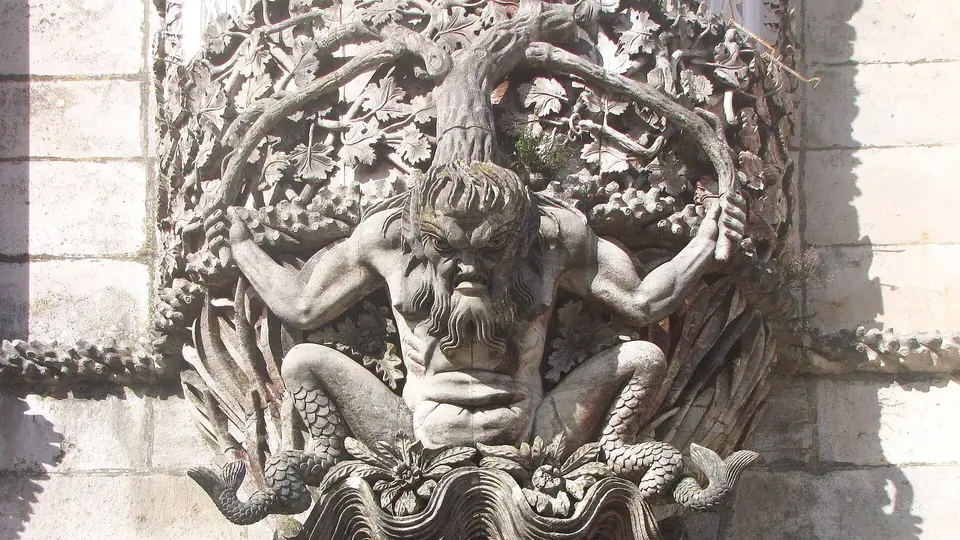
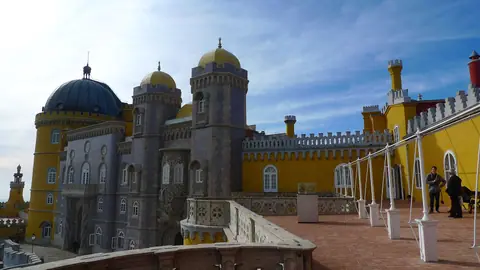
Crowning a 500-metre granite crag at the top of the mountain, the National Palace of Pena is the supreme monument of 19th-century European Romanticism. The palace was commissioned between 1842 and 1854 by King Consort Ferdinand II and Baron Wilhelm Ludwig von Eschwege over a ruined 1511 monastery. The palace fuses Neo-Manueline sea-monster arches (like the famous Triton Gate), Neo-Islamic horseshoe minarets, and Bavarian castle towers painted in vivid ochre yellow and Pompeian red. Even if timed interior tickets (€20.00 as of November 2026) are sold out, the €10.00 Park and Exterior Terraces ticket grants full access to the Arches Yard. The Queen's Terrace, the High Cross (529 m), and the cork-trimmed Chalet of the Countess of Edla hidden inside the 85-hectare arboretum.
Descend the 27-Metre Initiation Well at Quinta da Regaleira
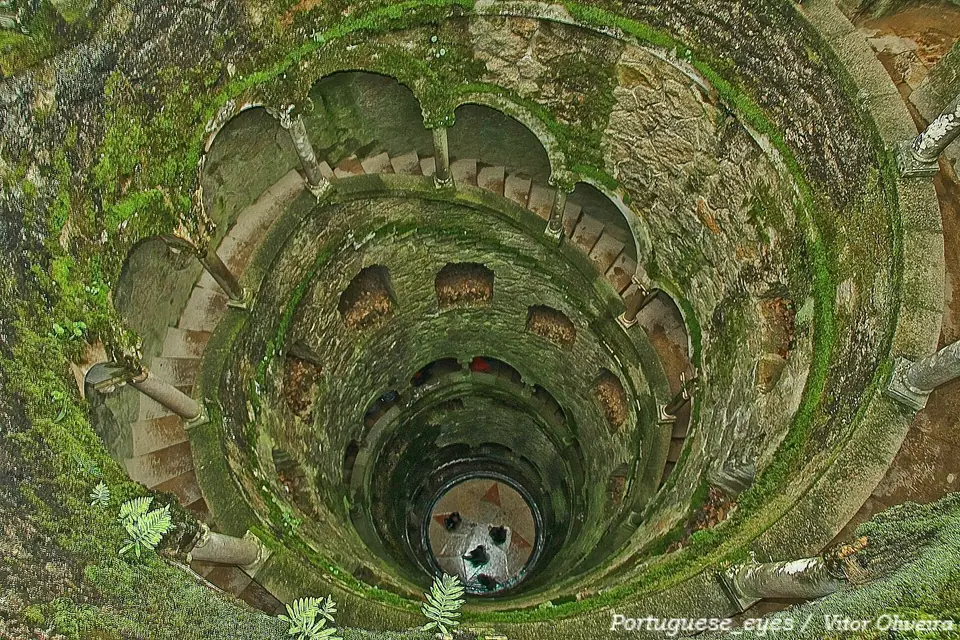
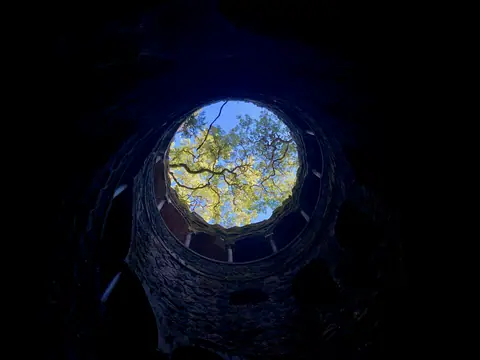
A ten-minute walk west of Sintra-Vila brings you to Quinta da Regaleira (€15.00 timed entry as of November 2026). A four-hectare esoteric estate transformed between 1904 and 1910 by Brazilian coffee millionaire António Augusto Carvalho Monteiro ("Monteiro the Millionaire") and Italian opera set designer Luigi Manini. Beneath its mossy forest canopy lies the famous Initiation Well (Poço Iniciático). An inverted 27-metre subterranean stone tower whose nine spiral landings, evoking the nine circles of Dante's Inferno and Paradiso, lead down to a compass rose inlaid over a Knights Templar cross. From the base of the well, pitch-dark rock tunnels lead out to a hidden waterfall lake crossed on stepping stones.
Walk the 450-Metre Battlements of the Moorish Castle
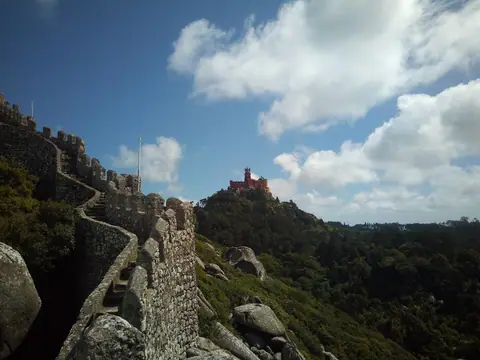
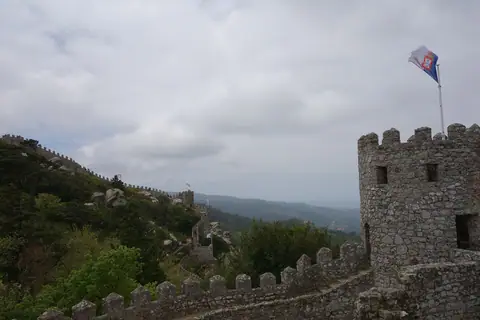
Just 300 metres downhill from Pena Park, the crenellated granite walls of the Castle of the Moors (Castelo dos Mouros) (€12.00 as of November 2026) snake across two mountain ridges. Founded in the 8th century by North African Berbers and captured in 1147, its Royal Tower offers the best panorama in Sintra. From the battlements, you look down over the white town palace and across the treetops to Pena Palace.
Admire the Twin Chimneys & Mudéjar Tiles of Sintra National Palace
Anchoring the main square of Sintra-Vila, the National Palace of Sintra (Palácio da Vila) (€13.00 as of November 2026) is the best-preserved medieval royal residence in Portugal, inhabited by the crown from the early 1400s until 1910. Recognisable from miles away by the two 33-metre white conical chimneys rising over its royal kitchen, its interior showcases 15th- and 16th-century Spanish-Moorish azulejo tiles. Highlights include the Swan Room, the Magpie Room, and the gilded Blazon Room (Sala dos Brasões), whose domed ceiling displays the coats of arms of 72 noble Portuguese families.
Escape the Crowds at Monserrate Palace & the Cork Convent of the Capuchos
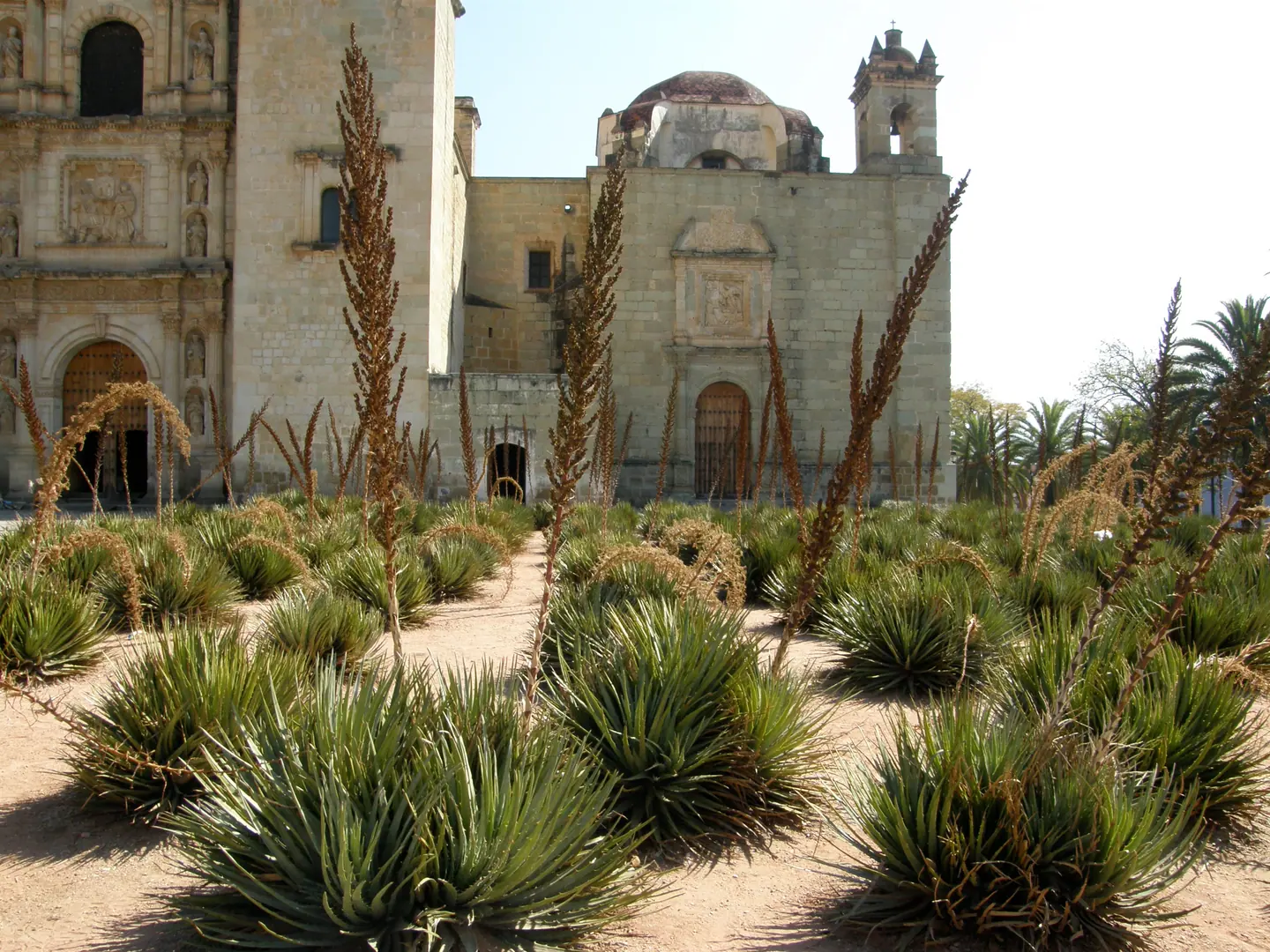
Four kilometres west of town along the quiet Scotturb 435 bus route sits the exquisite Palace of Monserrate (€12.00 as of November 2026). Built in 1858 for English millionaire Sir Francis Cook, the villa blends lacy Indian-Mughal, Venetian Gothic, and Moorish plasterwork arches. Around it stretches a 30-hectare botanical ravine filled with Mexican agaves, Australian tree ferns, and a ruined chapel. Deeper inside the mountain woods at 390 metres elevation lies its spiritual opposite. The 1560 Convent of the Capuchos (€11.00), where eight Franciscan friars lived in tiny rock-cut cells insulated with rough bark stripped from local cork oaks.
Watch the Atlantic Sunset at Cabo da Roca & Azenhas do Mar
Cap off your Sintra stay by boarding bus 1253 or 1624 out to Cabo da Roca, the westernmost point of mainland Europe (38°47' N, 9°30' W). Here a 1772 red-and-white lighthouse perches atop 140-metre vertical granite cliffs, immortalised by poet Luís de Camões as the place "where the land ends and the sea begins". Fifteen minutes north along the coast, stop at Azenhas do Mar, where whitewashed houses tumble down a cliff to a tidal pool. Afterwards, return to Sintra-Vila for warm Travesseiros and Queijadas pastries.
7. Hike the Vila Sassetti Garden Trail (PR10) Up the Mountain.
Instead of waiting in the morning queue for Bus 434 at Sintra Station, lace up your walking shoes. Follow the Vila Sassetti Pedestrian Trail (Percurso Pedestre da Vila Sassetti), which climbs directly from the historic centre of Sintra-Vila to the Moorish Castle and Pena Park in 45 minutes. The estate was designed in the 1890s by Italian architect Luigi Manini for hotelier Victor Carlos Sassetti. The lower garden centers on a circular Romanesque-Revival brick castle villa surrounded by terraced camellia beds, artificial rock grottoes, and a cascading mountain stream lined with blue-and-white tiles.
Admission to the Vila Sassetti gardens and upper forest trail is completely free between 09:00 and 18:00 daily. Halfway up the shaded granite staircase, you pass the towering vertical crag of Penedo da Amizade, a historic rock-climbing cliff overlooking the entire valley and the Atlantic coastline.
8. Ride the 1904 Vintage Sintra Atlantic Tram to Praia das Maçãs.
Inaugurated on 31 March 1904 to carry summer holidaymakers from Sintra's railway terminal down to the ocean surf, the Elétrico de Sintra (Sintra Atlantic Tram) is one of the oldest heritage electric tramways in Europe. Its red-and-cream wooden Brill carriages trundle along an 11.5-kilometre track from Estefânia in Sintra. Along the way, the tram passes through Colares and apple orchards before terminating at Praia das Maçãs. The 45-minute ride costs €5.00 one-way as of November 2026 and runs with open-sided wooden benches on sunny summer afternoons.
Where it is
- 1Sintra
- Lisbon Humberto Delgado Airport (LIS) · about 22 km from Sintra in a straight line
- Directions in Google Maps
Traveller tips
Real advice from people who have been to Sintra. Every tip is read by our team before it goes live.
No tips yet. Been here? Yours could be the first.
Thank you! Your tip will appear here after a quick review.
More in Sintra
Continue exploring Sintra with related neighbourhood, food, and planning guides

Sintra 3-Day Itinerary: Pena, Regaleira, Monserrate & Coast
Sintra, Portugal
Pena Palace & Park Guide: Timed Tickets, Terraces & Bus 434
Sintra, Portugal
Quinta da Regaleira Guide: Initiation Well, Tunnels & Tickets
Sintra, Portugal
Castle of the Moors (Castelo dos Mouros): Walls, Hike & Views
Sintra, Portugal
