Photo: Anneli Salo · CC BY-SA 3.0
Hvar, Brač and Vis Island Trips
How the ferries work and how Brač, Hvar and Vis differ, so you pick the right island.
The islands are the reason many travellers stay in Split for more than a night. Three of them, Brač, Hvar and Vis, are the most common choices, and each has a different character. This guide compares them and explains how to plan a crossing without relying on timetables that change each season.
Before you book, read our getting there guide for the port and ferry basics, and check the operator's own site for the current year's schedule.
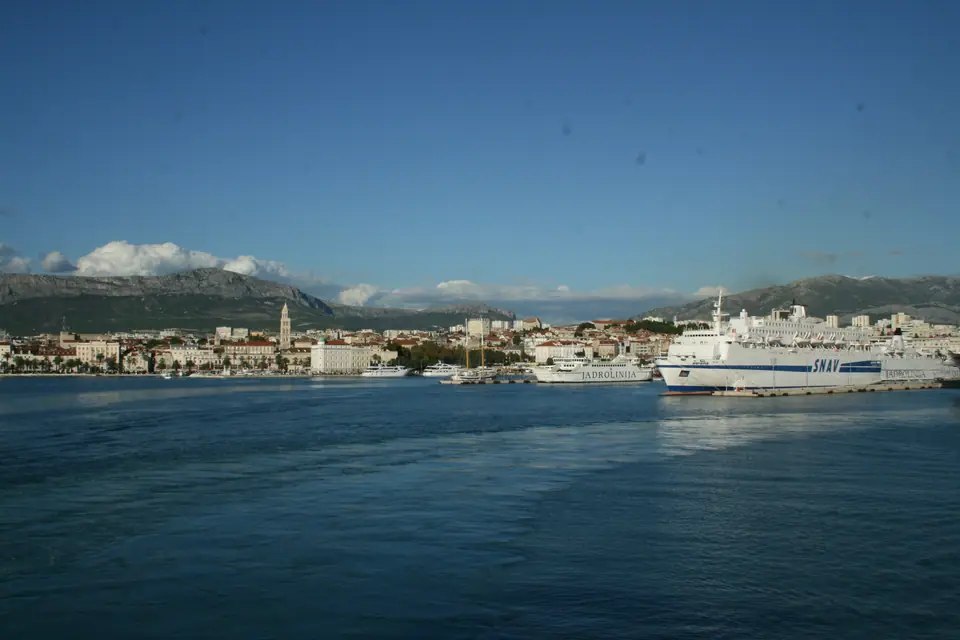
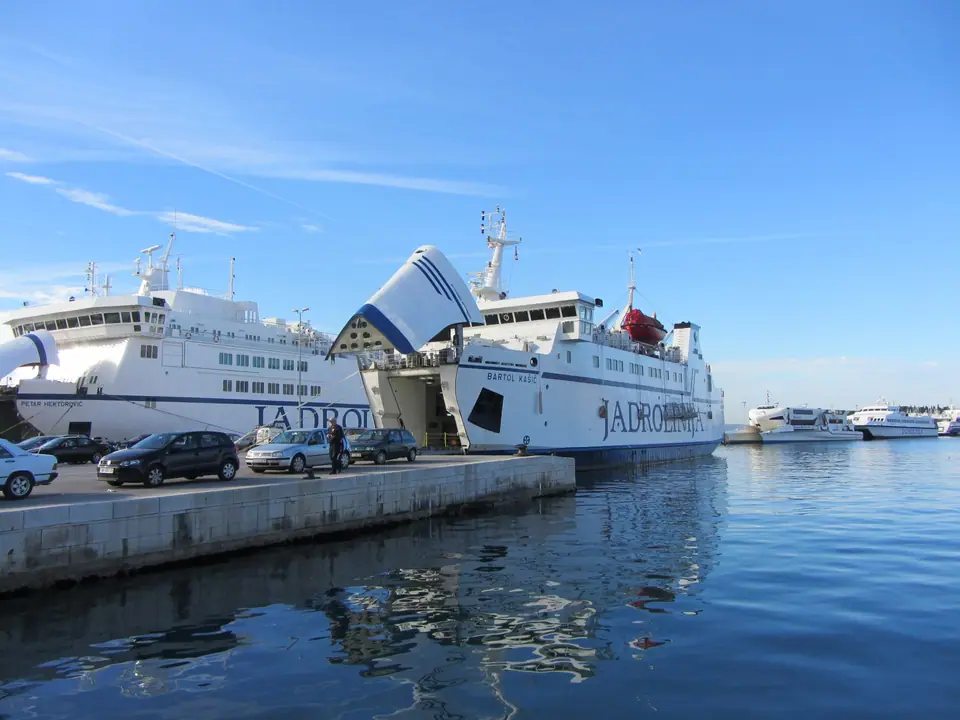
Roll-on ferries from Split Port versus fast foot catamarans
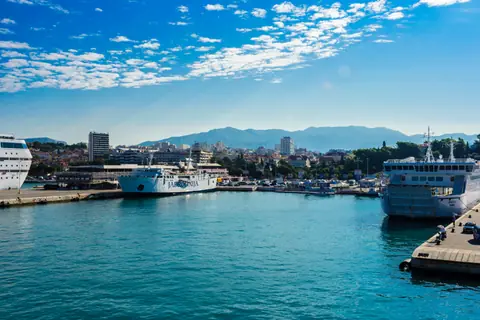
From the port of Split, two kinds of service matter. Car ferries are slower and carry vehicles, while fast catamarans carry only passengers and are quicker. Jadrolinija runs a summer fast-boat line connecting Split, Bol, Hvar and Vis between mid-June and mid-September, and the morning boat covers the Split to Vis leg in 1 hour 55 minutes. Confirm the schedule for your year before planning around it.
| Island | Size and population | Known for |
|---|---|---|
| Brač | 396 km², 13,931 residents (2021) | Bol and Zlatni Rat beach, Vidova Gora at 780 m, white limestone |
| Hvar | About 68 km long, 10,678 residents (2021) | Hvar Town, Stari Grad, lavender |
| Vis | 89.72 km², 3,313 residents (2021) | Komiža, Stiniva beach, Vugava wine, military past |
Supetar ferry port, Vidova Gora and Brač stone quarries
Brač is the largest island in Dalmatia and the third largest in the Adriatic, with 396 square kilometres. Its highest peak, Vidova Gora, reaches 780 metres, and the south side is steep, with about 2 kilometres from the beach to the summit. Supetar is the largest settlement and became the administrative centre in 1827. Bol, on the south coast, is home to Zlatni Rat, the beach that appears on many tourist posters.
Brač's white limestone was quarried for Diocletian's Palace, built between 295 and 305, which creates a link back to the city you left. The stonemason school in Pučišća continues the tradition. It is a good island for beach days and for walking inland.
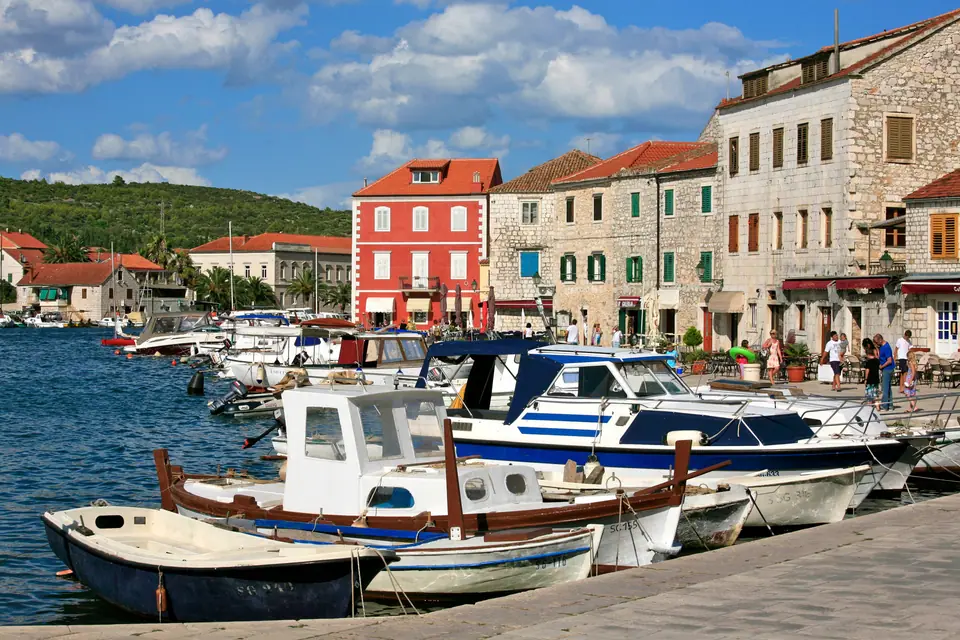
Stari Grad vehicle port versus direct Hvar Town catamarans
Hvar is about 68 kilometres long and had 10,678 residents in 2021, which makes it the fourth most populous Croatian island. Hvar Town was an important naval base under Venetian rule and has a long theatre tradition, since the island is said to have had one of Europe's first public theatres. Most visitors arriving by car ferry from Split land at Stari Grad, the main seaport. The island is often called the island of lavender, which is grown for oils and soaps, and it is one of the sunniest islands in the Adriatic. Jelsa and Vrboska offer quieter harbour villages. Plavac Mali grows here, as described in our food guide.
Shifting pebble spit at Zlatni Rat and the Bol promenade
Zlatni Rat is a spit of white pebbles about 2 kilometres west of the harbour town of Bol, pointing south into the Hvar Channel. In 2015 the beach on its east side measured 377 metres and the one on the west side 479 metres. The spit changes shape with tides, currents and wind, mostly between autumn and spring. In summer it is usually straight or curved east, a strong south-easterly jugo can push the tip west, and in a storm it can switch sides within hours. It is protected as a geomorphological phenomenon. The afternoon westerly, the maestral, makes the bay a popular windsurfing spot, and currents in the channel are strong enough that you should not swim far from shore.
Ancient Greek field stone walls across Stari Grad Plain
Greek colonists from Paros settled Stari Grad in 384 BC and divided the plain into 75 parcels, called chora, of about 16 hectares each and bordered by dry stone walls. Grapes and olives are still the main crops after roughly 24 centuries. UNESCO inscribed the Stari Grad Plain in 2008. In Hvar Town, the Pjaca, or St Stephen's Square, covers about 4,500 square metres and is the largest square in Dalmatia, fully paved in 1780. The theatre inside the Arsenal dates from 1612 and is counted among the oldest surviving theatres in Europe, and the Hygienic Society of Hvar, founded in 1868, was one of the earliest tourist boards in Europe.
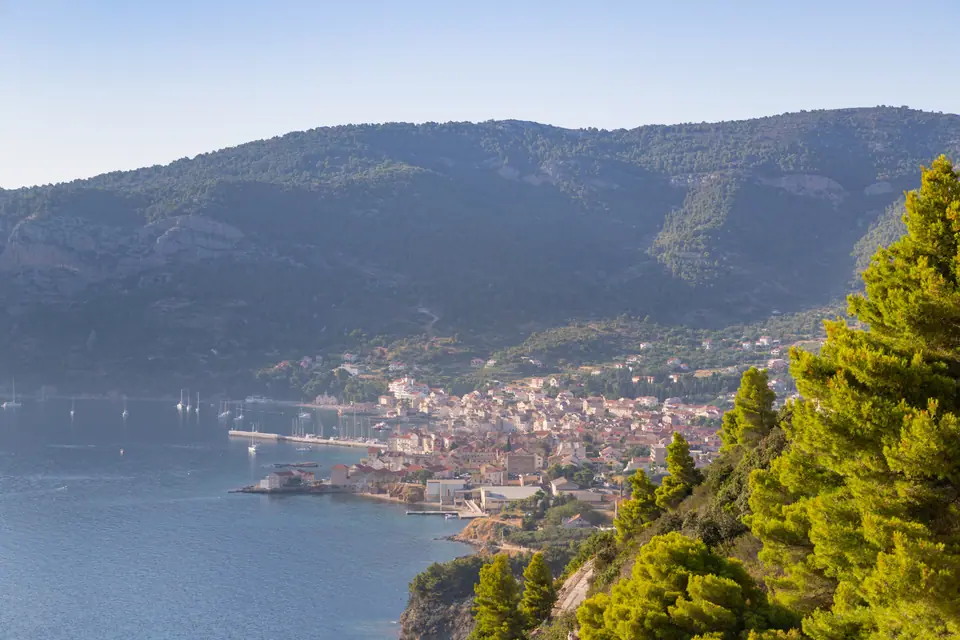
Longer Adriatic crossings to Vis Town and Komiža
Vis is smaller and more remote, with 3,313 residents in 2021. The Yugoslav People's Army used it as a main naval base until 1989 and closed it to the public during that period, which helped preserve its quiet character. Greek settlers under Dionysius the Elder of Syracuse founded the colony of Issa here in the 4th century BC. Komiža on the western coast and Stiniva beach are among its famous places, and Vugava is the island's native white grape.
The ro-ro ferry from Split takes about 2 hours 20 minutes, while the high-speed catamaran via Milna and Hvar takes about 1 hour 30 minutes. Because of the long crossing, Vis suits an overnight stay better than a rushed day trip.
Choosing Zlatni Rat swimming, Hvar nightlife or quiet Vis
- One day, easy beach: Brač, with Bol and Zlatni Rat.
- History and harbour towns: Hvar, with Hvar Town and Stari Grad.
- Quiet and remote: Vis, ideally with an overnight stay.
Matching return catamaran queues before airport flight days
From Split, pick the earliest outbound boat to Brač, Hvar or Vis and a return that leaves a margin, because wind can cancel crossings. Buy return tickets in advance in summer. Car ferries to Stari Grad on Hvar and to Supetar on Brač carry vehicles, so check whether you need a vehicle reservation.
Hvar Town, Jelsa and Vrboska all remain compact harbour towns that are easy to cover on foot, so hiring a car is rarely needed on a short island crossing.
Keep a flexible plan for your final day in Split, and avoid booking a flight on the same afternoon as a return ferry. For help with seasons and weather, read our best time to visit guide, and for the city itself see things to do.
Limestone beaches, bright Adriatic glare and pier water shoes
For a day on Brač, Hvar or Vis, bring swimwear, a towel, reef shoes for pebbly coves, a hat, sunscreen, some cash for small cafés and a light layer for the boat. Leave valuables at your lodging in Split whenever possible.
Where it is
- 1Hvar, Brač and Vis Island Trips
- Split Saint Jerome Airport (SPU) · about 42 km from here in a straight line
- Directions in Google Maps
Stations and taxi ranks: OpenStreetMap. Airports: OurAirports. Distances are in a straight line.
Traveller tips
Real advice from people who have been to Split. Every tip is read by our team before it goes live.
No tips yet. Been here? Yours could be the first.
Thank you! Your tip will appear here after a quick review.
More in Split
Continue exploring Split with related neighbourhood, food, and planning guides