Photo: Ryan Matzner and Rachel Pestik · CC BY-SA 3.0
Split
A Roman emperor's retirement residence turned living seaside city, Split pairs ancient stone arcades with a busy ferry port and pine-clad coastal trails.
Quick decisions
How many days?
Two days cover the Roman core and Marjan Hill. Add a third day for coastal ruins or Day Trips from Split to Trogir.
Where should we stay?
Base inside the palace walls for atmosphere or choose Veli Varoš and Bačvice for quieter streets. Compare districts in our guide on Where to Stay in Split.
Do we need a car?
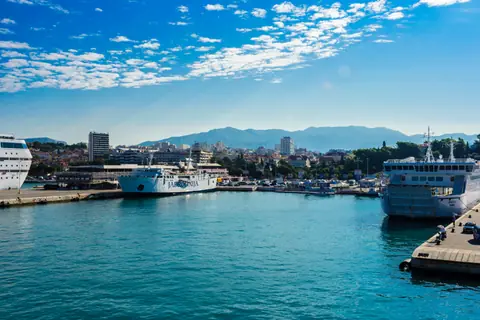
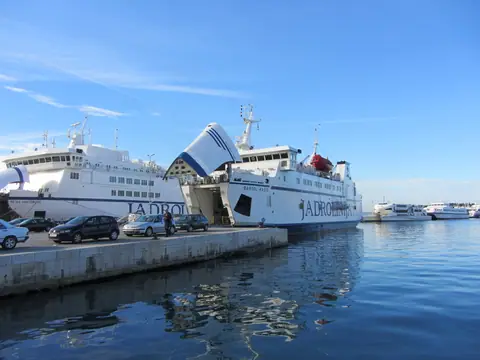
No. The historic centre is entirely pedestrianised. City buses reach coastal suburbs, and passenger catamarans serve the central Dalmatian islands directly from the harbour.
Best for
Roman archaeology, urban swimming beaches, coastal pine walking, Dalmatian seafood taverns, and direct ferry departures to southern Adriatic archipelagos.
Before you go
Consult our breakdown on the Best Time to Visit Split. Always check seasonal maritime timetables in advance, as ferry frequencies drop considerably outside summer.
Getting around
Travel on foot across the old town. Promet Split buses connect suburban hubs, while passenger catamarans depart from the harbour piers opposite the main bus terminal.
Continue your trip
Board Jadrolinija ferries for Hvar, Brač and Vis Island Trips, or ride regional coaches north towards Šibenik and Zadar.
Overview
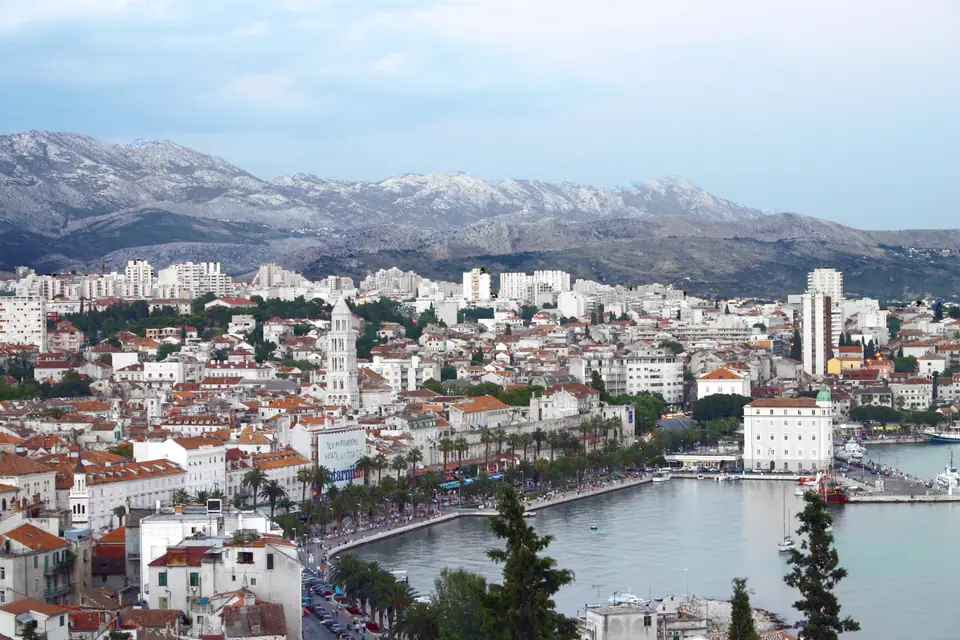
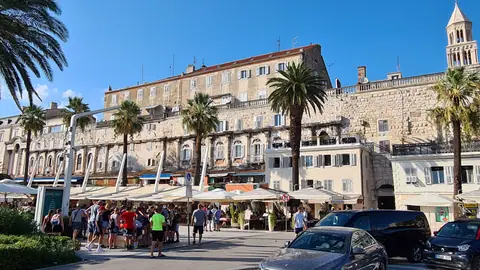
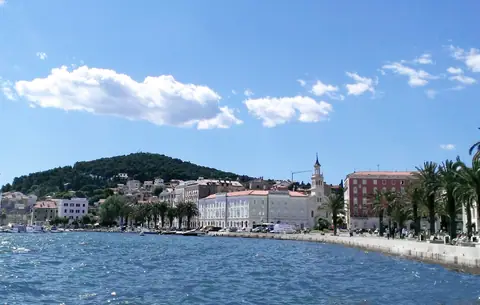
Split functions as Dalmatia's primary coastal anchor, built directly within and around the vast retirement compound of Roman Emperor Diocletian. The waterfront Riva promenade borders the southern palace walls, leading westward toward the forested limestone ridge of Marjan.
Summer brings hot, dry conditions, with July and August recording average daytime peaks of 31°C and minimal rainfall. May and June offer comfortable warmth between 22°C and 28°C, making late spring ideal for sightseeing before peak humidity sets in. Autumn remains warm with highs of 21°C in October, though rainfall climbs steeply to 238 millimetres by November. Study our Split Orientation for broader architectural context.
Getting there
Split Saint Jerome Airport sits roughly twenty kilometres west of the city centre in Kaštela. Dedicated airport shuttle buses and local bus line 37 connect the passenger terminal to Split and neighbouring Trogir. Learn route specifics through our guide on How to Get to Split.
Long-distance coaches and passenger trains terminate at the eastern edge of the harbour, placing arrivals directly beside the ferry berths. The historic core operates as a strict pedestrian zone. Drivers must leave vehicles at perimeter pay car parks near Bačvice or along the northern ring road outside the palace walls.
Where to stay
Choosing where to sleep determines your exposure to evening crowds and luggage logistics across ancient flagstones. Inside Diocletian's Palace and Old Town, boutique rooms provide immediate historic charm, though bar noise and steep internal staircases are common.
West of the centre, Veli Varoš features stone cottages along tranquil pedestrian alleys climbing towards the park. East of the ferry terminal, Bačvice offers flat avenues, residential villas, and convenient sandy swimming access. Radunica provides authentic stone architecture within short walking distance of transit terminals. Review specific neighbourhood trade-offs in Where to Stay in Split.
Things to do
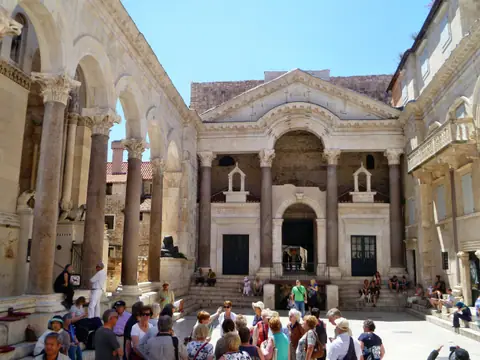
Begin in the Peristyle square before descending into the vaulted Roman cellars beneath the southern halls. Climb the bell tower of Saint Domnius Cathedral for panoramic harbour views, or secure advance tickets to tour the ancient temple spaces. Review our itinerary in Things to Do in Split.
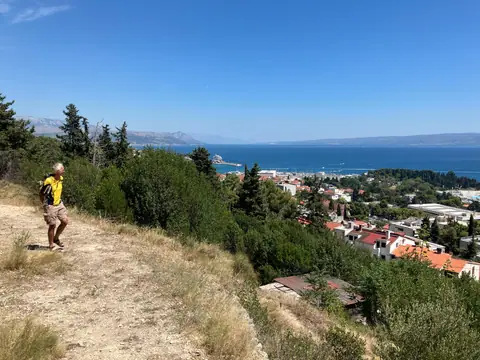
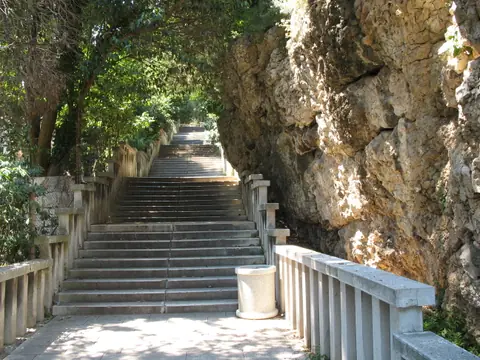
Head west into Marjan Hill and Bačvice, ascending stone steps to reach coastal pine paths, medieval clifftop chapels, and the Meštrović Gallery. Finish afternoons at Bačvice beach to watch locals play picigin in the shallow coastal waters.
Food and drink
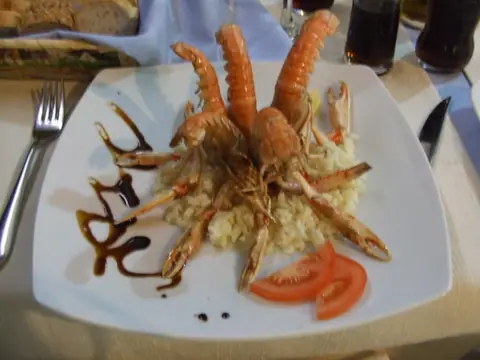
Dalmatian dining prioritises Adriatic seafood, wild greens, and cold-pressed olive oil. Seek out classic konobas serving pašticada, a slow-braised beef dish enriched with sweet wine and prunes, typically paired with handmade potato gnocchi. Chard and onion pie, known as soparnik, originates from the nearby Poljica region.
For octopus or veal prepared under the peka iron bell, reserve hours ahead to allow embers to braise the meat. Pair meals with local red wines pressed from Plavac Mali grapes. Discover markets and regional menus in our guide on What to Eat in Split.
Culture
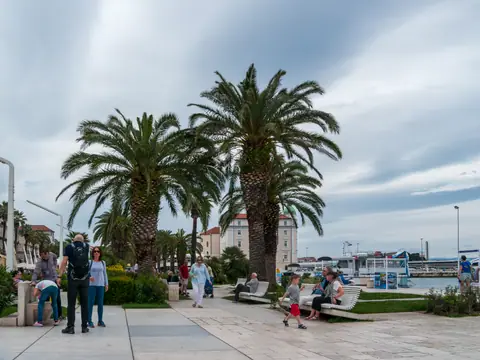
Daily life in Split follows a relaxed Mediterranean pace centered on coffee culture along the Riva. Locals sit outdoors for hours discussing politics and sport. Modest dress covering shoulders and knees is mandatory when entering Saint Domnius Cathedral and active monasteries.
Klapa vocal groups perform traditional polyphonic melodies across stone courtyards during summer evenings. Retail shops observe limited trading hours on Sundays, though waterfront cafes remain open. Respect evening quiet hours within palace residential quarters, as thousands of citizens still inhabit these ancient Roman buildings.
Weather by month
Split is warmest in July, with average highs around 31°C, and coldest in January, when nights drop to about 4°C. November is the wettest month by rainfall (238 mm), with rain on about 13 days. For mild weather with fewer rainy days, aim for April, September and October.
| Month | Low | Range | High | Rain | Rainy days |
|---|---|---|---|---|---|
| Jan | 4°C | 11°C | 133 mm | 11 d | |
| Feb | 5°C | 13°C | 108 mm | 10 d | |
| Mar | 7°C | 15°C | 104 mm | 10 d | |
| Apr | 10°C | 18°C | 89 mm | 9 d | |
| May | 14°C | 22°C | 101 mm | 12 d | |
| Jun | 19°C | 28°C | 48 mm | 6 d | |
| Jul | 22°C | 31°C | 23 mm | 3 d | |
| Aug | 22°C | 31°C | 54 mm | 5 d | |
| Sep | 18°C | 26°C | 116 mm | 8 d | |
| Oct | 13°C | 21°C | 123 mm | 9 d | |
| Nov | 10°C | 16°C | 238 mm | 13 d | |
| Dec | 6°C | 13°C | 166 mm | 11 d |
Averages of daily values from 2015 to 2024. Rainy days are days with at least 1 mm of rain. Source: Open-Meteo · Compare destinations by month.
Split on the map
Every place we cover in Split. Tap a category or pin to explore.
In-depth Split guides
Browse the guides grouped by topic: sights, neighbourhoods, food, transport, day trips and trip planning.
Sights, Landmarks & Parks
Key monuments, viewpoints, museums and nature trails.
- Things to Do in SplitThe palace, cathedral tower, cellars, Marjan and the Riva, set into a simple three-day order.
- Diocletian's Palace and Old TownGates, Peristyle, cathedral, cellars and a walking order through the Roman palace that became a city.
- Marjan Hill and BačviceStairs, viewpoints, chapels and coves on Marjan, plus picigin and swimming at Bačvice.
Neighbourhoods & Where to Stay
Districts, historic quarters and the best bases for your stay.
Food & Drink
Local dishes, markets, cafés and dining districts.
Getting Around & Arrival
Airport transfers, public transit, passes and driving rules.
Day Trips & Excursions
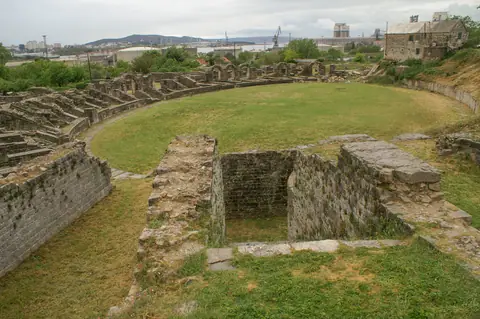
Easy half-day and full-day trips from the city.
Trip Planning & Itineraries
When to visit, what to pack and day-by-day routes.
Need your embassy or consulate in Croatia? See embassies and consulates in Croatia.
Reviews
Log in to write a review.
No reviews yet.