


























Best Time to Visit Sucre: Eternal Spring Climate, Dry Season & Pujllay Festival
Month-by-month weather guide to Sucre using official 1991-2020 SENAMHI climate normals: compare the sunny April-October dry season and March's Pujllay festival.
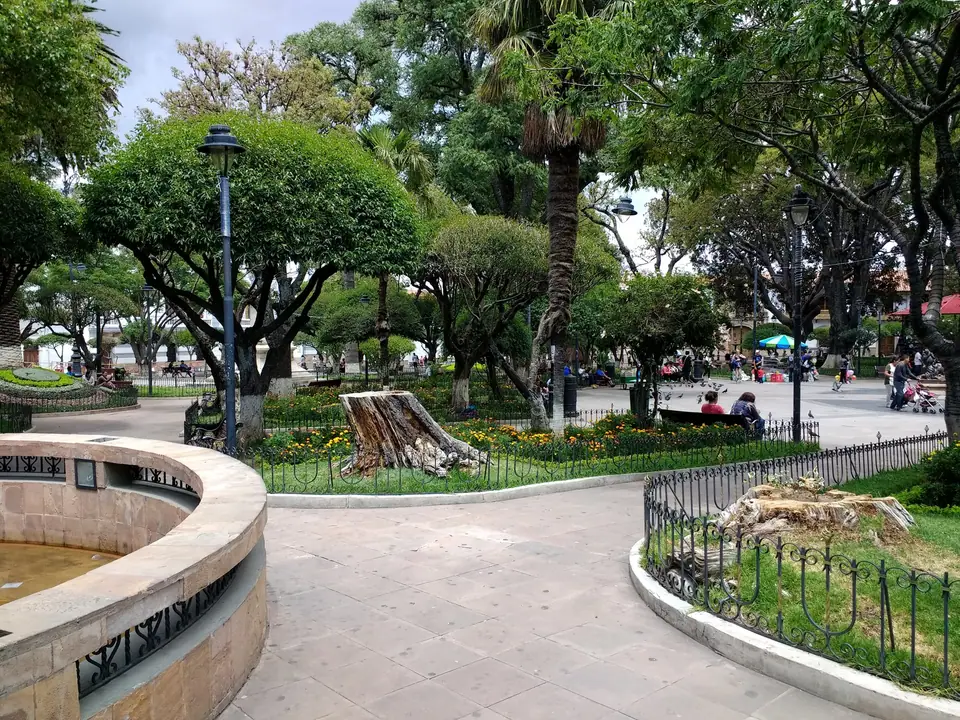
Unlike the wind-swept Altiplano or the humid Amazon basin, Sucre sits at 2,790 metres (9,153 feet) in a sheltered subtropical highland valley (Köppen Cwb) celebrated across Bolivia for its year-round mildness. According to official 1991 to 2020 SENAMHI Bolivia normals, daytime maximum temperatures scarcely budge from one month to the next, averaging between 20.6°C in July and 23.1°C in October across all twelve months of the year.
April to October: The Sunny Dry Season (Best Overall for Rooftops & Trekking)
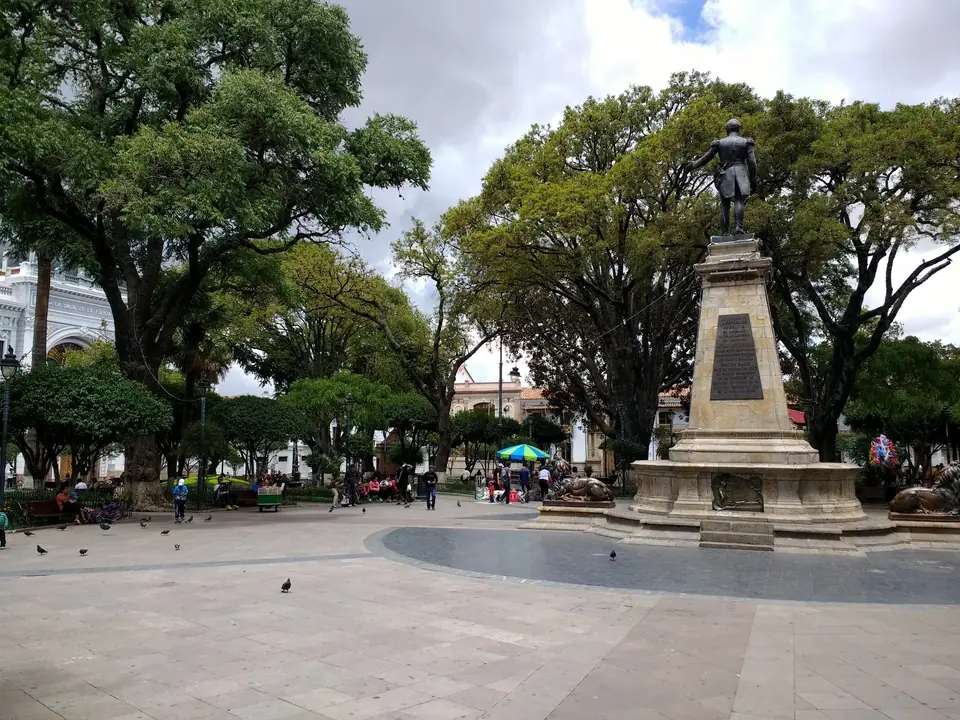
For seven consecutive months from April through October, Chuquisaca enjoys brilliant high-altitude sunshine and crystal-clear blue skies that make Sucre's whitewashed facades gleam against the red hills:
- Zero-Rain Winter Months (May to August, Highs 20.6°C to 21.8°C, 1 to 2 Rain Days/Month): Virtually no rain falls between May and August, making this the prime window for hiking the Chataquila Inca Trail and Maragua Crater, walking down onto the quarry floor at Cal Orck'o Cretaceous Park, and photographing the rooftops of San Felipe de Neri. Because clear winter skies allow heat to radiate after sunset, nighttime lows drop to 4.0°C to 6.2°C from May to August; bring a warm fleece or alpaca sweater for evening dining.
- Warm Spring Shoulder Months (April, September & October, Highs 21.8°C to 23.1°C): April and September-to-October combine dry trails with milder evenings (7.8°C to 9.6°C) and blooming jacaranda trees in Parque Simón Bolívar. On 24 and 25 May, Sucre stages lively civic parades, concerts, and nocturnal serenades commemorating the 25 May 1809 First Cry of Liberty (Primer Grito Libertario), while September brings the month-long fiesta of the city's patroness, the Virgen de Guadalupe, culminating in the folkloric Entrada parade.
November to March: Green Valley Season & Tarabuco's Pujllay
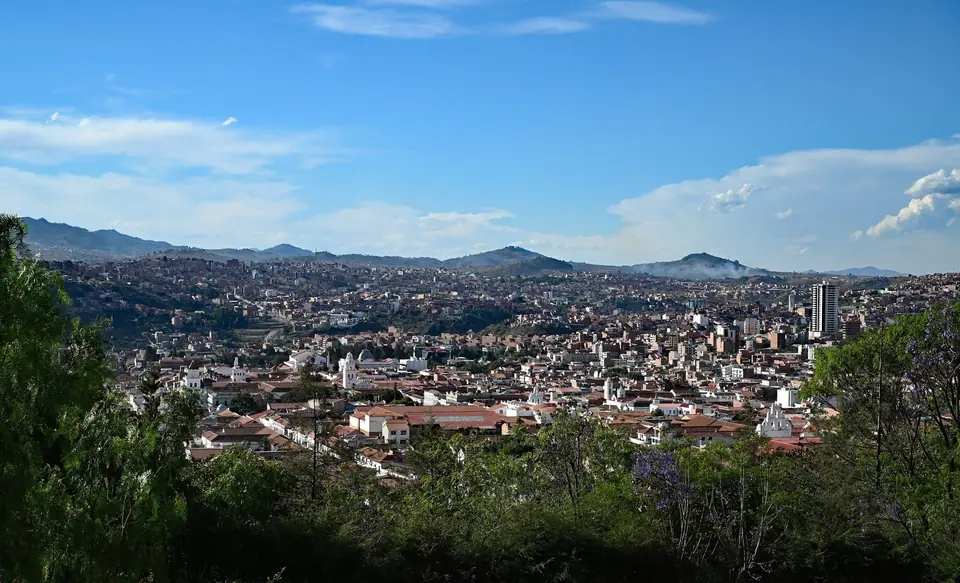
Between December and February, afternoon rains (10 to 15 rain days per month) turn the surrounding Chuquisaca hills emerald green, while mornings typically remain bright and warm (21.2°C to 22.1°C). On the third Sunday of March, the nearby town of Tarabuco hosts the Pujllay, a UNESCO-inscribed Yampara harvest and historical festival featuring wooden-spurred dancers and towering fruit-laden Pukara altars.
What to Pack for Sucre's Highland Sun
Pack a light sweater for crisp evenings alongside high-factor sunscreen and sunglasses for the bright 2,790-metre Andean sunshine.
Traveller tips
Real advice from people who have been to Best Time to Visit Sucre: Eternal Spring Climate, Dry Season & Pujllay Festival. Every tip is read by our team before it goes live.
No tips yet. Been here? Yours could be the first.
Thank you! Your tip will appear here after a quick review.
More in Sucre
Continue exploring Sucre with related neighbourhood, food, and planning guides
3 Days in Sucre Itinerary: UNESCO White City, Cal Orck'o & Maragua or Tarabuco
Sucre, Bolivia
What to Eat in Sucre: Chorizos Chuquisaqueños, Mondongo, Salteñas & Chocolates
Sucre, Bolivia
Plaza 25 de Mayo, Casa de la Libertad & Metropolitan Cathedral Guide
Sucre, Bolivia
La Recoleta Mirador, 1601 Franciscan Monastery & Museo ASUR Textiles Guide
Sucre, Bolivia
