


























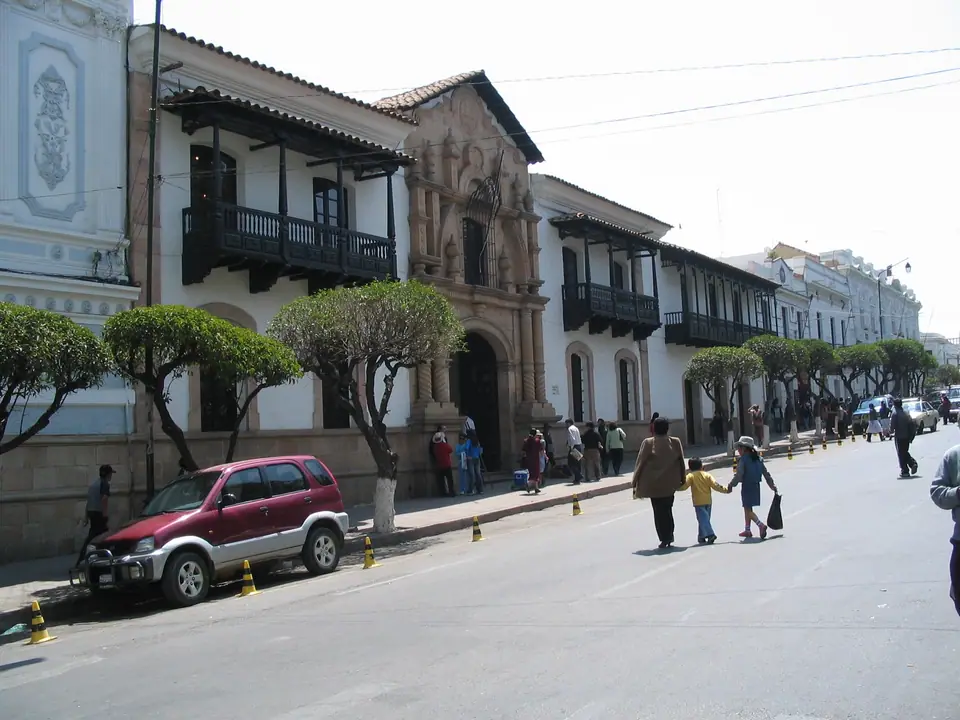
Plaza 25 de Mayo, Casa de la Libertad & Metropolitan Cathedral Guide
Explore the civic heart of Sucre, Bolivia: tour the Casa de la Libertad where Bolivia's 1825 Independence was signed, visit the 1551 Cathedral, and see the Museo del Tesoro.
Shaded by tall royal palms, jacarandas, andceibo trees around cast-iron statues of Liberator Simón Bolívar and Marshal Antonio José de Sucre, Plaza 25 de Mayo is the historic epicentre not only of Sucre, but of the Bolivian nation itself. The square takes its name from 25 May 1809, when students, jurists, and citizens of the University of San Francisco Xavier and the Real Audiencia de Charcas rang the bell of San Francisco to depose the royalist governor in the Primer Grito Libertario de América (First Cry of Liberty in Spanish South America).
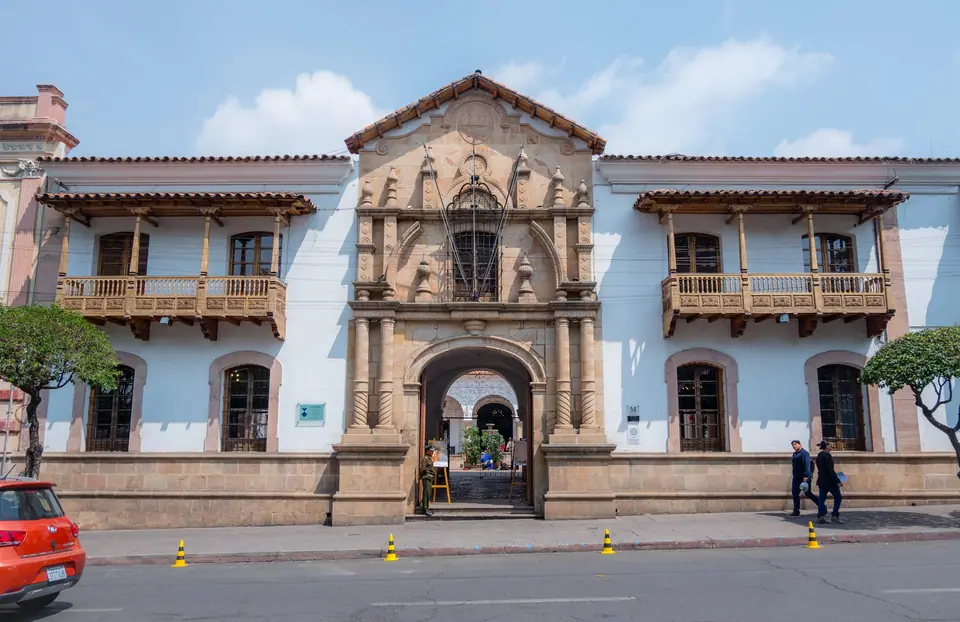
1. Casa de la Libertad (Where Bolivia Was Born on 6 August 1825)
Occupying the north-western corner of Plaza 25 de Mayo, the Casa de la Libertad is Bolivia's most sacred historical monument:
- From 1621 Jesuit University Hall to Birthplace of a Republic: Built by the Society of Jesus in 1621 as part of the Convent and University of San Francisco Xavier (where future revolutionary leaders of Bolivia, Argentina, and Peru studied law and theology in the Aula Magna), the vaulted chapel with its gilded baroque choir and Mudéjar ceiling became the assembly hall for the Deliberative Assembly of Upper Peru. Here, on 6 August 1825 (the first anniversary of the Battle of Junín), forty-eight delegates signed the Acta de la Independencia creating the Republic of Bolívar (soon renamed Bolivia).
- What to See Inside on a Guided Tour: Led by knowledgeable bilingual historians, visitors enter the Salón de la Independencia to stand before the original 1825 Declaration of Independence, the carved seventeenth-century choir stalls, and the life-size portraits of Simón Bolívar, Antonio José de Sucre, and José Ballivián (including the ceremonial sword of Bolívar). Surrounding galleries display the 1813 Bandera de Macha (one of the two earliest surviving physical flags created by General Manuel Belgrano, discovered hidden behind paintings in a rural Chuquisaca chapel in 1883) and a hall honouring indigenous Mestiza guerrilla commander Juana Azurduy de Padilla (1780 to 1862); check the official Casa de la Libertad portal for current Tuesday-to-Sunday opening hours.
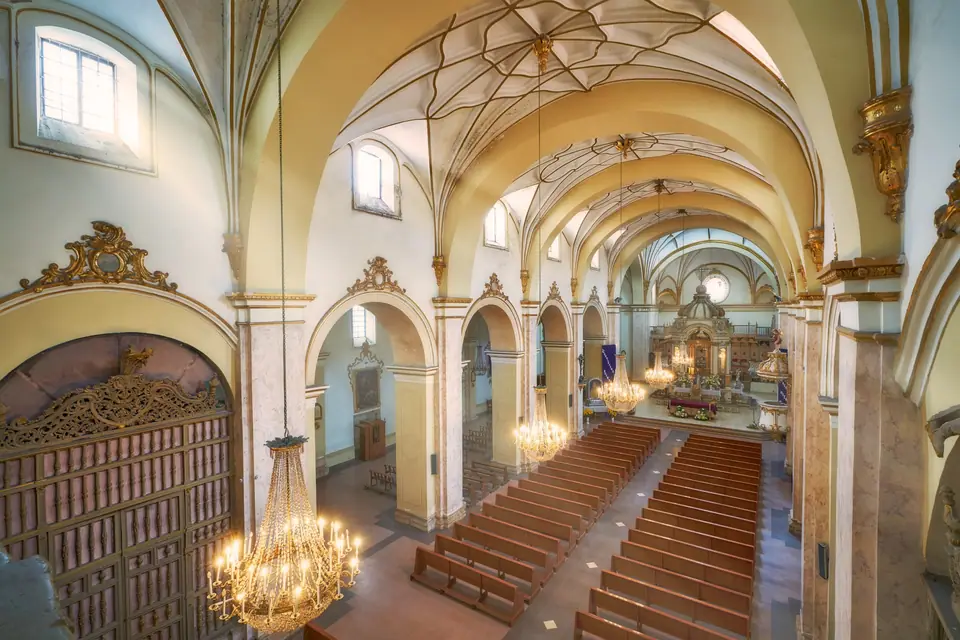
2. Catedral Metropolitana (1551), Prefectura & Museo del Tesoro
- Catedral Metropolitana de Sucre & Capilla de la Virgen de Guadalupe: Begun in 1551 and completed in 1712 blending Renaissance, Gothic-ribbed vaulting, and Mestizo Baroque portals, the Cathedral houses the adjoining 1617 chapel of the Virgen de Guadalupe, whose image, painted in 1601 by Hieronymite friar Diego de Ocaña, is encrusted with a solid mantle of pearls, emeralds, diamonds, gold, and silver coins donated by colonial citizens.
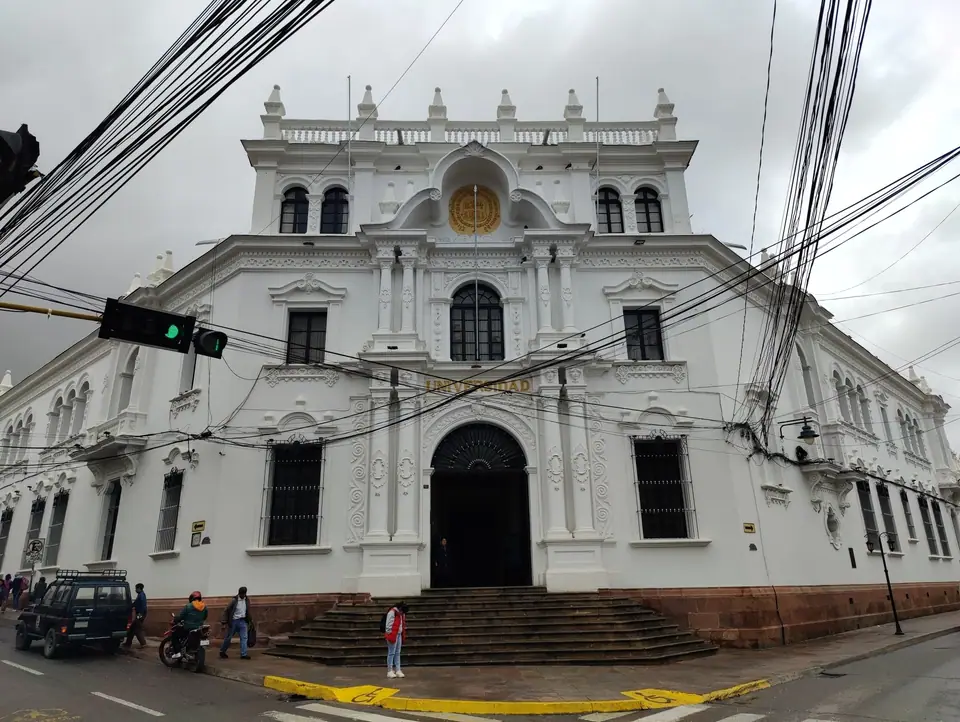
- Museo del Tesoro (Treasure Museum) & Palacio Prefectural: Immediately left of Casa de la Libertad stands the Museo del Tesoro, whose forty-five-minute guided tours showcase Bolivian mining and gemology, including purple-and-gold bolivianita (ametrine) crystals found commercially only in eastern Bolivia.
Traveller tips
Real advice from people who have been to Plaza 25 de Mayo, Casa de la Libertad & Metropolitan Cathedral. Every tip is read by our team before it goes live.
No tips yet. Been here? Yours could be the first.
Thank you! Your tip will appear here after a quick review.
More in Sucre
Continue exploring Sucre with related neighbourhood, food, and planning guides
Maragua Crater, Chataquila Inca Trail & Niñu Mayu Dinosaur Tracks Guide
Sucre, Bolivia
Mercado Central, Mercado Campesino & Chocolates Para Ti Food Guide
Sucre, Bolivia
Sucre: Bolivia's UNESCO White City, Altitude & Layout
Sucre, Bolivia
12 Best Things to Do in Sucre: Casa de la Libertad, Rooftops & Dinosaur Tracks
Sucre, Bolivia
