Sucre
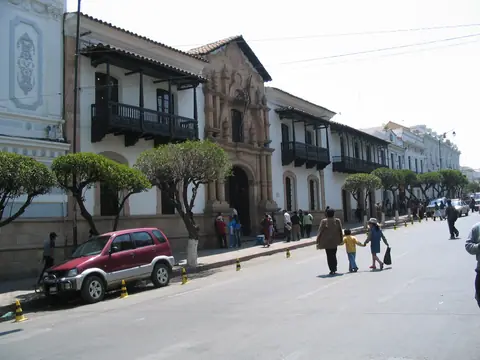
Cradled in a temperate Andean valley at 2,790 metres beneath twin red hills, Bolivia's constitutional capital Sucre pairs UNESCO-listed whitewashed colonial cloisters and the Casa de la Libertad with the world's largest dinosaur footprint wall at Cal Orck'o.
Quick decisions
- How many days? Spend 3 to 4 days to explore the whitewashed UNESCO historic centre, walk the rooftops of San Felipe de Neri, visit the Cal Orck'o dinosaur trackway, and take a day trip to the Maragua Crater or Tarabuco Sunday market.
- Where should I stay? Base yourself in a restored seventeenth- or eighteenth-century courtyard mansion within four blocks of Plaza 25 de Mayo, or up on the quiet hillside terrace of La Recoleta.
- Do I need a car? You do not need a car; the historic core is compact and walkable, local microbuses and tourist shuttles run to Cal Orck'o and Castillo de la Glorieta, and shared trufis depart for Tarabuco.
- Best for: Spanish colonial architecture, independence history, indigenous Yampara and Jalq'a textiles, Cretaceous palaeontology, artisan chocolates, and gentle Andean altitude acclimatisation.
- Before you go: At 2,790 metres (9,153 feet), Sucre is nearly 850 metres lower than La Paz, making it Bolivia's most comfortable first stop for acclimatising to the highlands.
- Getting around: Walk between Plaza 25 de Mayo, Mercado Central, and La Recoleta, or hail the official tourist shuttle bus on Plaza 25 de Mayo for Cal Orck'o and La Glorieta.
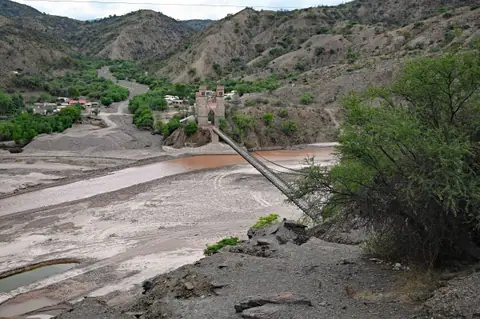
- Continue your trip: Connect from Sucre by highway over the 19th-century Puente Sucre to Potosí and the Salar de Uyuni, or fly directly to La Paz and Santa Cruz.
Overview
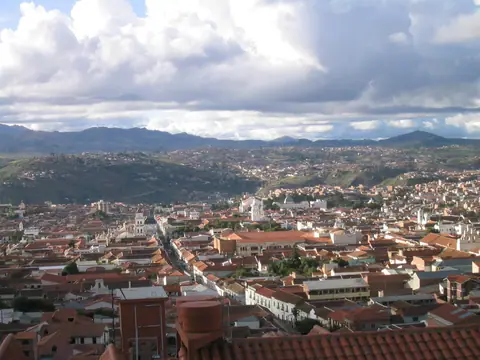
Resting in a sun-drenched Andean basin at 2,790 metres (9,153 feet) at the foot of the twin red peaks of Cerro Churuquella and Cerro Sica Sica, Sucre is the constitutional and judicial capital of Bolivia and the best-preserved sixteenth-to-eighteenth-century city in the southern Andes. Founded by Spanish captain Pedro Anzúrez de Camporredondo between 1538 and 1540 on the Charcas indigenous settlement of Choquechaca, the city Known by Four Names (Charcas, La Plata, Chuquisaca, and Sucre) served for three centuries as the aristocratic judicial seat of the Real Audiencia de Charcas and home to the 1624 University of San Francisco Xavier, drawing wealth from the nearby silver mountain of Potosí. On 6 August 1825, Bolivia's Act of Independence was signed in the vaulted Jesuit hall of the Casa de la Libertad on Plaza 25 de Mayo. Inscribed as a UNESCO World Heritage Site in 1991, "The White City of the Americas" (La Ciudad Blanca) enforces municipal heritage bylaws keeping its colonial facades dazzlingly whitewashed beneath terracotta roofs, pairing rooftop bell-tower walks and museum-grade indigenous textiles with the world's largest vertical wall of dinosaur footprints at Cal Orck'o.
Getting there
Daily domestic flights connect Alcantarí International Airport (SRE), 30 kilometres south of the centre, with La Paz (45 minutes), Cochabamba (35 minutes), and Santa Cruz de la Sierra (50 minutes), while paved highways link Sucre with Potosí (3 hours) and Uyuni (7 hours).
Where to stay
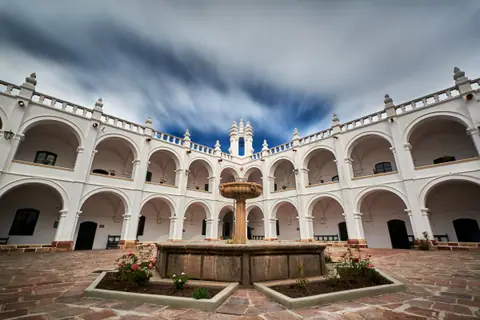
Stay in a whitewashed colonial patio hotel within a four-block radius of Plaza 25 de Mayo or near the panoramic hillside arches of La Recoleta.
Things to do
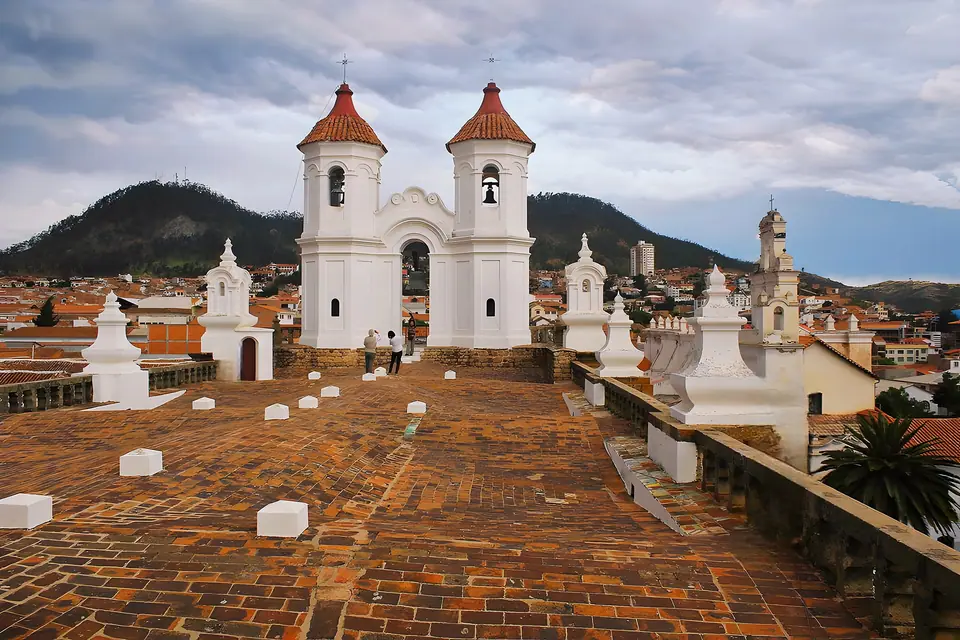
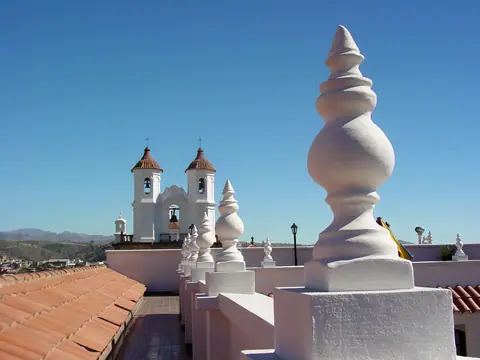
Tour the Casa de la Libertad and Metropolitan Cathedral on Plaza 25 de Mayo, climb onto the terracotta roofs of the Oratorio de San Felipe de Neri, watch sunset from La Recoleta and the ASUR Indigenous Art Museum, marvel at 12,000 dinosaur footprints at Cal Orck'o Cretaceous Park, and hike the Inca Trail to the Maragua Crater or visit the Tarabuco Sunday Market.
Food and drink
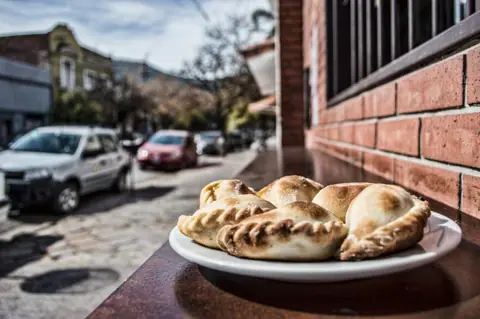
Order spicy chorizos chuquisaqueños and mondongo around the Mercado Central, bite into a juicy morning salteña, and sample quinoa and Singani bonbons from Chocolates Para Ti and Taboada.
Culture
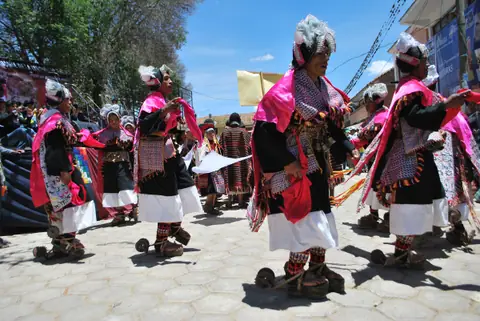
In the surrounding villages of Chuquisaca, Quechua-speaking Yampara and Jalq'a weavers create some of the most intricate hand-spun ceremonial textiles in the Americas, celebrated both at the ASUR Museum and in March's UNESCO-listed Pujllay festival in Tarabuco.
Weather by month
Sucre is warmest in October, with average highs around 23°C, and coldest in July, when nights drop to about 4°C. January is the wettest month, with rain on about 15 days. For mild weather with fewer rainy days, aim for April, May, June, July, August and September.
| Month | Low | Range | High | Rain | Rainy days |
|---|---|---|---|---|---|
| Jan | 11°C | 21°C | 105 mm | 15 d | |
| Feb | 10°C | 21°C | 91 mm | 13 d | |
| Mar | 10°C | 22°C | 70 mm | 10 d | |
| Apr | 9°C | 22°C | 28 mm | 4 d | |
| May | 6°C | 22°C | 7 mm | 1 d | |
| Jun | 4°C | 21°C | 7 mm | 1 d | |
| Jul | 4°C | 21°C | 7 mm | 1 d | |
| Aug | 6°C | 22°C | 14 mm | 2 d | |
| Sep | 8°C | 23°C | 28 mm | 4 d | |
| Oct | 10°C | 23°C | 49 mm | 7 d | |
| Nov | 10°C | 23°C | 63 mm | 9 d | |
| Dec | 11°C | 22°C | 91 mm | 13 d |
Averages of daily values from 2015 to 2024. Rainy days are days with at least 1 mm of rain. Source: Open-Meteo · Compare destinations by month.
Sucre on the map
Every place we cover in Sucre. Tap a category or pin to explore.
In-depth Sucre guides
Browse the guides grouped by topic: sights, neighbourhoods, food, transport, day trips and trip planning.
Sights, Landmarks & Parks
Key monuments, viewpoints, museums and nature trails.
- 12 Best Things to Do in Sucre: Casa de la Libertad, Rooftops & Dinosaur TracksDiscover the 12 best things to do in Sucre, Bolivia: tour Casa de la Libertad, walk the rooftops of San Felipe de Neri, see 12,000 dinosaur tracks at Cal Orck'o, and visit La Recoleta.
- 3 Days in Sucre Itinerary: UNESCO White City, Cal Orck'o & Maragua or TarabucoPlan the perfect 3 days in Sucre, Bolivia: explore Plaza 25 de Mayo, Casa de la Libertad, and San Felipe de Neri on Day 1, Cal Orck'o and La Recoleta on Day 2, and Maragua or Tarabuco on Day 3.
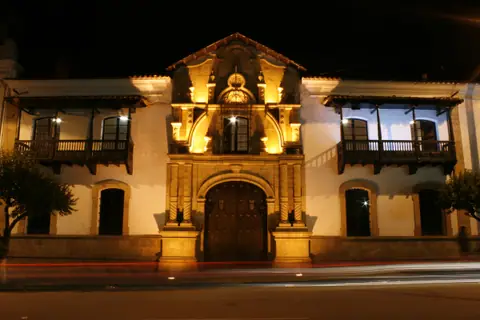
- Plaza 25 de Mayo, Casa de la Libertad & Metropolitan Cathedral GuideExplore the civic heart of Sucre, Bolivia: tour the Casa de la Libertad where Bolivia's 1825 Independence was signed, visit the 1551 Cathedral, and see the Museo del Tesoro.
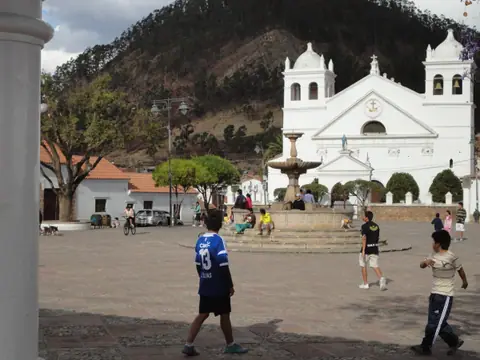
- La Recoleta Mirador, 1601 Franciscan Monastery & Museo ASUR Textiles GuideClimb to Sucre's hillside terrace of La Recoleta (Plaza Pedro de Anzúrez): admire the white portico views, tour the 1601 Franciscan convent, and visit the ASUR Indigenous Art Museum.
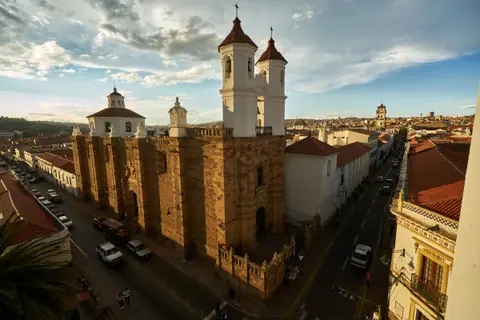
- San Felipe de Neri Rooftops, San Francisco & Santa Clara Churches GuideWalk across the whitewashed brick domes and terracotta roofs of the 1795 Oratorio de San Felipe de Neri in Sucre, and explore San Francisco (1581), La Merced, and Santa Clara.
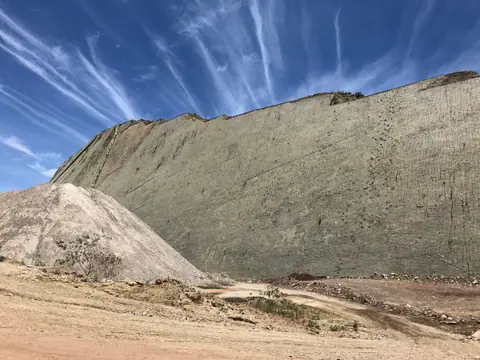
- Cal Orck'o Cretaceous Park Guide: 12,000 Dinosaur Footprints Wall in SucreVisit Cal Orck'o (Parque Cretácico) 5 km from Sucre, Bolivia: see the world's largest dinosaur trackway wall with over 12,000 footprints on the guided midday quarry walk.
- Parque Simón Bolívar, Castillo de la Glorieta & General Cemetery GuideExplore Republican and Belle Époque Sucre: stroll French-inspired Parque Simón Bolívar, walk the tranquil whitewashed Cementerio General, and tour the 1893 Castillo de la Glorieta.
Neighbourhoods & Where to Stay
Districts, historic quarters and the best bases for your stay.
- Sucre: Bolivia's UNESCO White City, Altitude & LayoutPlan your visit to Sucre, Bolivia's constitutional capital: understand the UNESCO-listed White City layout, gentle 2,790m altitude, colonial grid, and valley day trips.
- Best Time to Visit Sucre: Eternal Spring Climate, Dry Season & Pujllay FestivalMonth-by-month weather guide to Sucre using official 1991-2020 SENAMHI climate normals: compare the sunny April-October dry season and March's Pujllay festival.
- Where to Stay in Sucre: Plaza 25 de Mayo Colonial Mansions & La RecoletaCompare the best areas to stay in Sucre, Bolivia: restored 17th- and 18th-century patio mansions around Plaza 25 de Mayo, panoramic La Recoleta, or leafy Parque Bolívar.
Food & Drink
Local dishes, markets, cafés and dining districts.
- What to Eat in Sucre: Chorizos Chuquisaqueños, Mondongo, Salteñas & ChocolatesExplore Sucre's capital gastronomy: taste authentic chorizos chuquisaqueños, fiery red-chilli mondongo, morning salteñas, ckocko de pollo, and Para Ti artisan chocolates.
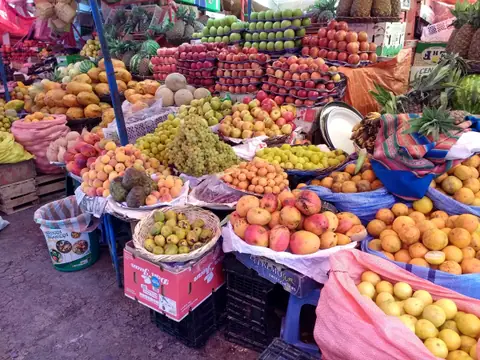
- Mercado Central, Mercado Campesino & Chocolates Para Ti Food GuideExplore Sucre's everyday food and chocolate culture: visit the two-storey Mercado Central for fruit smoothies and chorizos, browse Mercado Campesino, and taste Para Ti chocolates.
Getting Around & Arrival
Airport transfers, public transit, passes and driving rules.
Day Trips & Excursions
Easy half-day and full-day trips from the city.
- Tarabuco Sunday Yampara Market, Textiles & Pujllay Festival Day-Trip GuidePlan a Sunday day trip from Sucre to Tarabuco (65 km east): explore the traditional Yampara indigenous market, learn to recognise authentic weavings, and discover the March Pujllay festival.
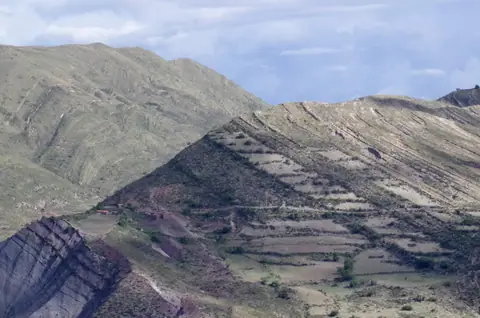
- Maragua Crater, Chataquila Inca Trail & Niñu Mayu Dinosaur Tracks GuideTrek into the polychrome Maragua Crater west of Sucre, Bolivia: walk the stone-paved Chataquila Inca Trail, see the Garganta del Diablo, and visit Niñu Mayu dinosaur tracks.
Reviews
Log in to write a review.
No reviews yet.