


























Parque Simón Bolívar, Castillo de la Glorieta & General Cemetery Guide
Explore Republican and Belle Époque Sucre: stroll French-inspired Parque Simón Bolívar, walk the tranquil whitewashed Cementerio General, and tour the 1893 Castillo de la Glorieta.
In the late nineteenth century, as a second mining boom in the Huanchaca and Pulacayo silver mines enriched Sucre's elite families, the city augmented its whitewashed Spanish colonial core with French Belle Époque parks, neoclassical palaces, and an eclectic fairy-tale castle in the valley south of town.
1. Parque Simón Bolívar & the Supreme Court Palace
Located five blocks north-west of Plaza 25 de Mayo, Parque Simón Bolívar (originally the dry colonial square of Prado before being landscaped in the 1870s and 1920s in the style of a Parisian promenade) is Sucre's green social heart:
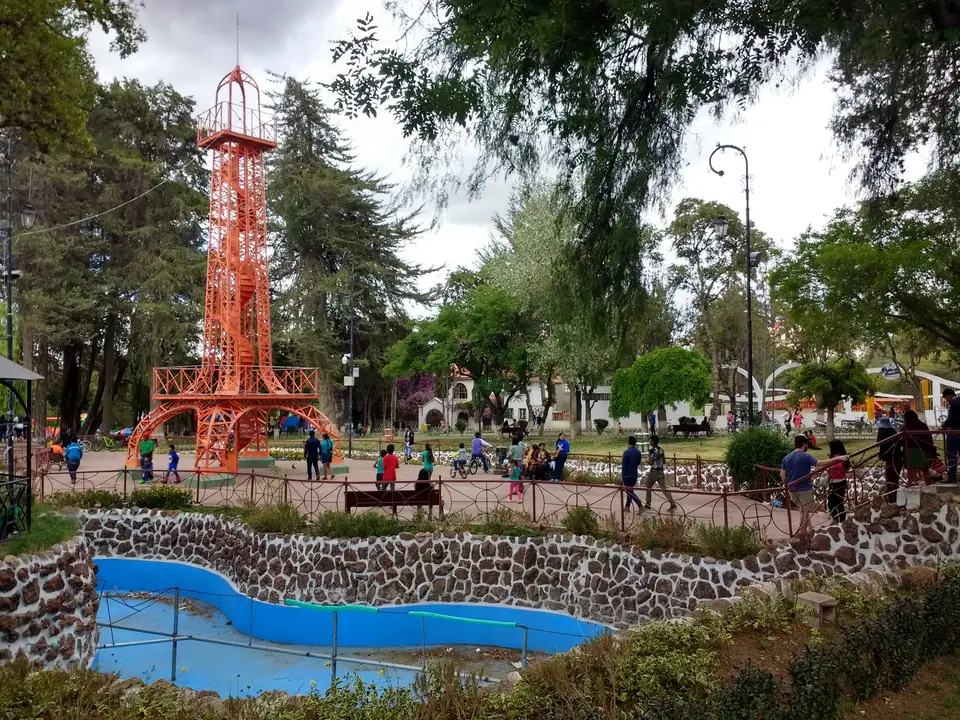
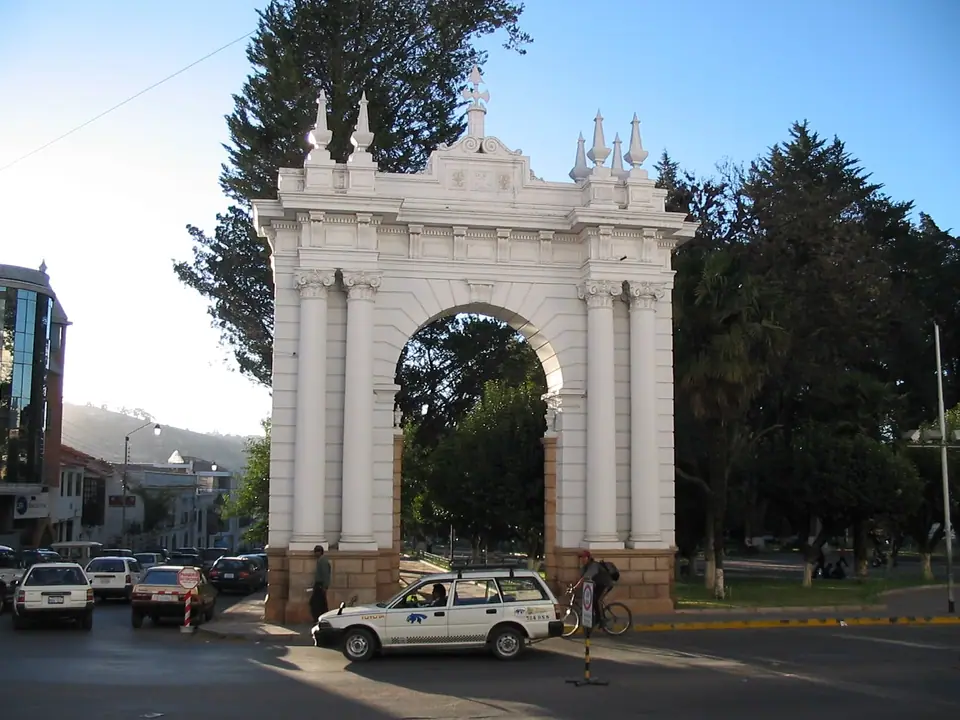
- The 1909 Iron Viewpoint Tower & Triumphal Arch: Rising at the centre of the park above topiary hedges, ponds, and obelisks is a prefabricated cast-iron viewpoint tower fabricated in Europe in 1909 (popularly known as the Torre Eiffel de Sucre) that visitors can climb via an interior spiral staircase, paired with a scaled replica of the Arc de Triomphe and an evening musical water fountain.
- Palacio de la Corte Suprema de Justicia & Teatro Gran Mariscal: Flanking the northern and eastern edges of the park stand the monumental neoclassical Supreme Court of Justice of Bolivia (inaugurated 1945), the French-styled Palacio de la Gobernación, and the Teatro Gran Mariscal de Ayacucho (built 1910 to 1925).
2. Cementerio General de Sucre (Declared a National Patrimony)
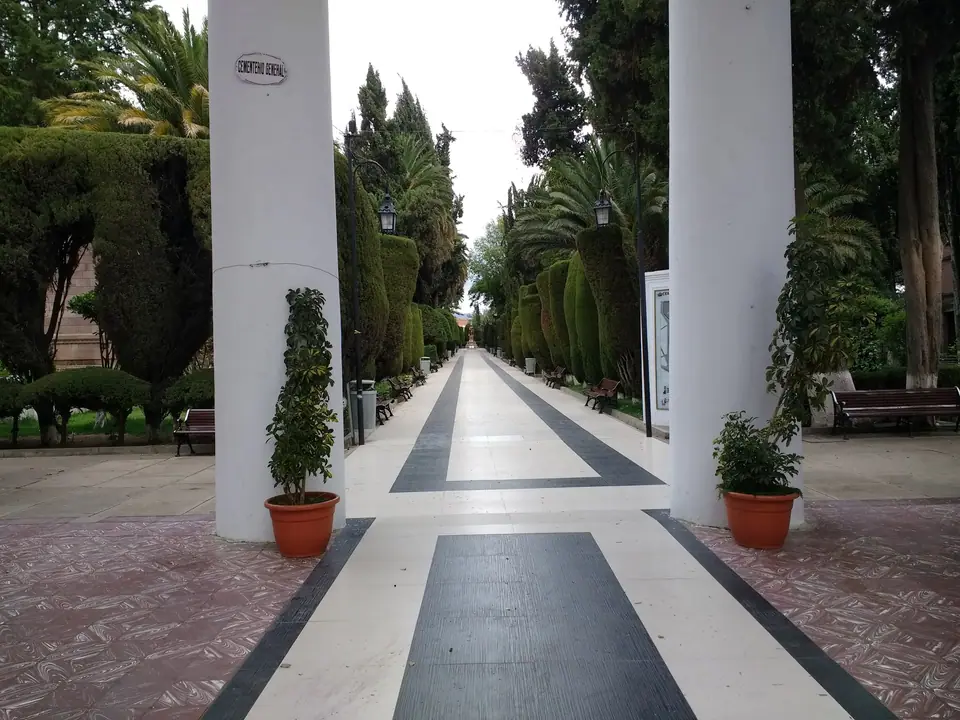
Ten minutes' walk west of Parque Bolívar along Calle Loa, Sucre's Cementerio General (founded in the 1880s) is more akin to a tranquil botanical garden than a graveyard. Shaded by towering Araucaria pines, magnolias, and trimmed cypresses, its manicured walkways wind past pristine whitewashed marble mausoleums of former Bolivian presidents (including Narciso Campero, Gregorio Pacheco, Aniceto Arce, and Eliodoro Villazón), mining barons, and war heroes; check the main gate for daytime visiting hours.
3. Castillo de la Glorieta (Constructed 1893 to 1897)
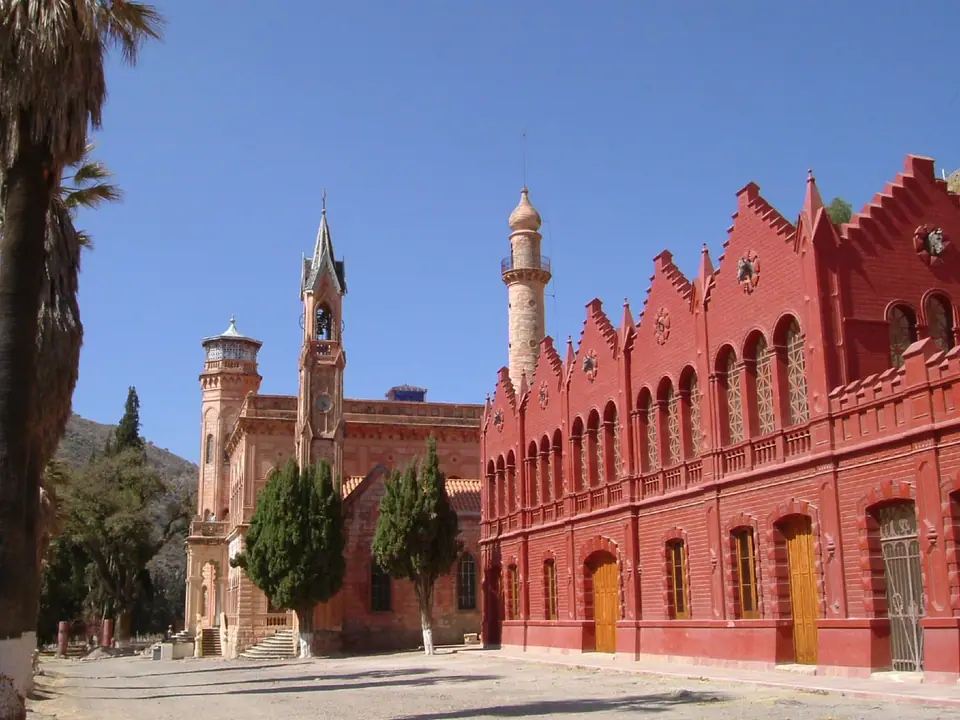
Five kilometres south of the centre along the road toward Yotala and Potosí (reached by the open-top tourist shuttle bus or local Micro 4) stands the extraordinary pink, yellow, and white Castillo de la Glorieta. Built between 1893 and 1897 to designs by Italian architect Antonio Camponovo for silver millionaire and diplomat Francisco Argandoña and his wife Clotilde Urioste, the estate intentionally combined Moorish arches, Florentine clock towers, Gothic stained glass, Russian onion domes, and Chinese pagodas in a single residence. In 1898, after the childless couple founded and endowed orphanages in Sucre, Pope Leo XIII issued a papal bull naming them Prince and Princess of La Glorieta, making theirs the only titled principality ever created in Republican Bolivia.
Traveller tips
Real advice from people who have been to Parque Simón Bolívar, Castillo de la Glorieta & General Cemetery. Every tip is read by our team before it goes live.
No tips yet. Been here? Yours could be the first.
Thank you! Your tip will appear here after a quick review.
More in Sucre
Continue exploring Sucre with related neighbourhood, food, and planning guides
La Recoleta Mirador, 1601 Franciscan Monastery & Museo ASUR Textiles Guide
Sucre, Bolivia
San Felipe de Neri Rooftops, San Francisco & Santa Clara Churches Guide
Sucre, Bolivia
Cal Orck'o Cretaceous Park Guide: 12,000 Dinosaur Footprints Wall in Sucre
Sucre, Bolivia
Tarabuco Sunday Yampara Market, Textiles & Pujllay Festival Day-Trip Guide
Sucre, Bolivia
