


























La Recoleta Mirador, 1601 Franciscan Monastery & Museo ASUR Textiles Guide
Climb to Sucre's hillside terrace of La Recoleta (Plaza Pedro de Anzúrez): admire the white portico views, tour the 1601 Franciscan convent, and visit the ASUR Indigenous Art Museum.
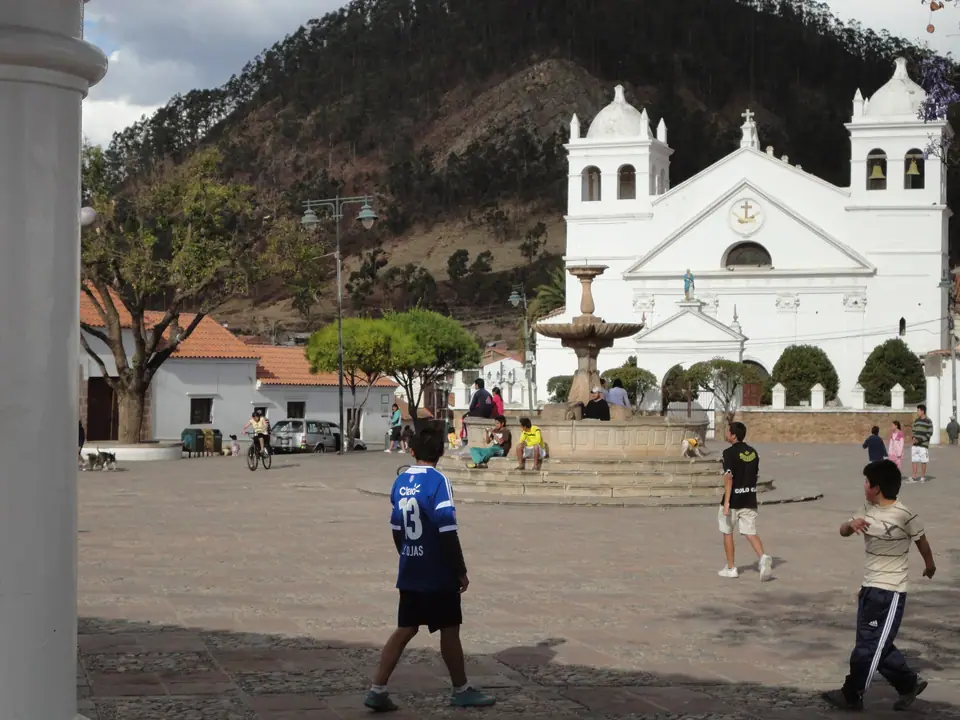
Perched at the base of Cerro Churuquella fifteen minutes uphill south-east of Plaza 25 de Mayo along cobbled Calle Dalence or Calle Grau, La Recoleta is the foundational cradle of Sucre. It was here on Plaza Pedro de Anzúrez that Spanish conquistador Pedro Anzúrez de Camporredondo established the first Spanish settlement of Villa de La Plata between 1538 and 1540. Today, its long whitewashed neoclassical portico is the city's favourite sunset belvedere, flanked by a 400-year-old Franciscan monastery and the finest indigenous textile museum in Bolivia.
1. Mirador de La Recoleta, the 1601 Franciscan Monastery & the Cedro Milenario
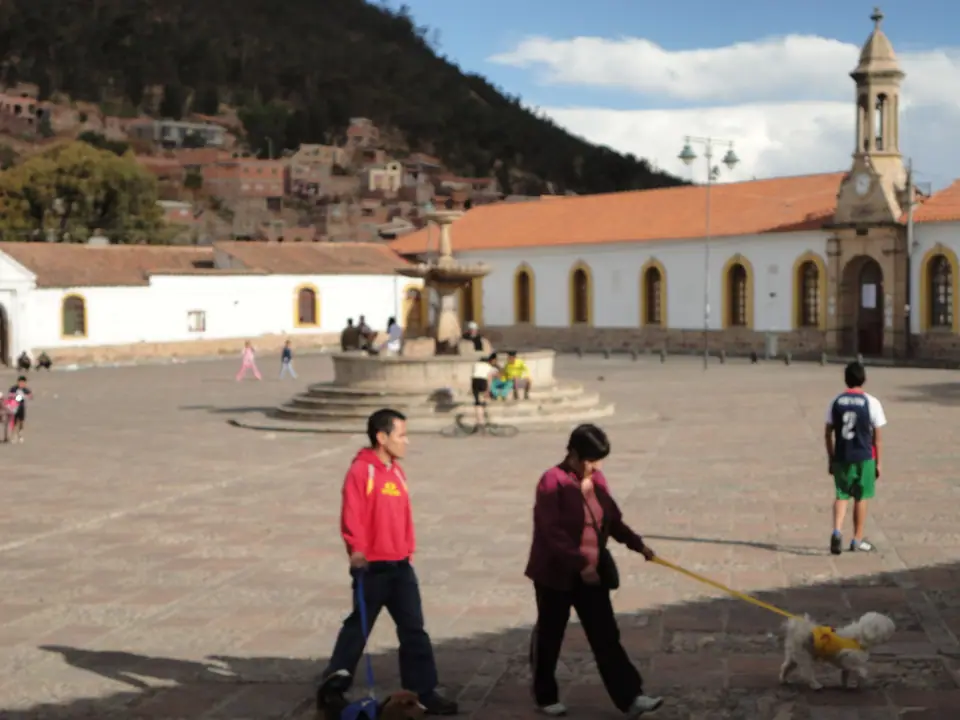
- The White Portico Viewpoint & 16th-Century Stone Fountain: Framing the lower edge of Plaza Pedro de Anzúrez, a row of snow-white brick arches and stone columns looks straight out across the red clay roofs, domes, and belfries of UNESCO-listed Sucre. At the centre of the square stands the Fuente de la Peregrina, carved from local stone in the sixteenth century.
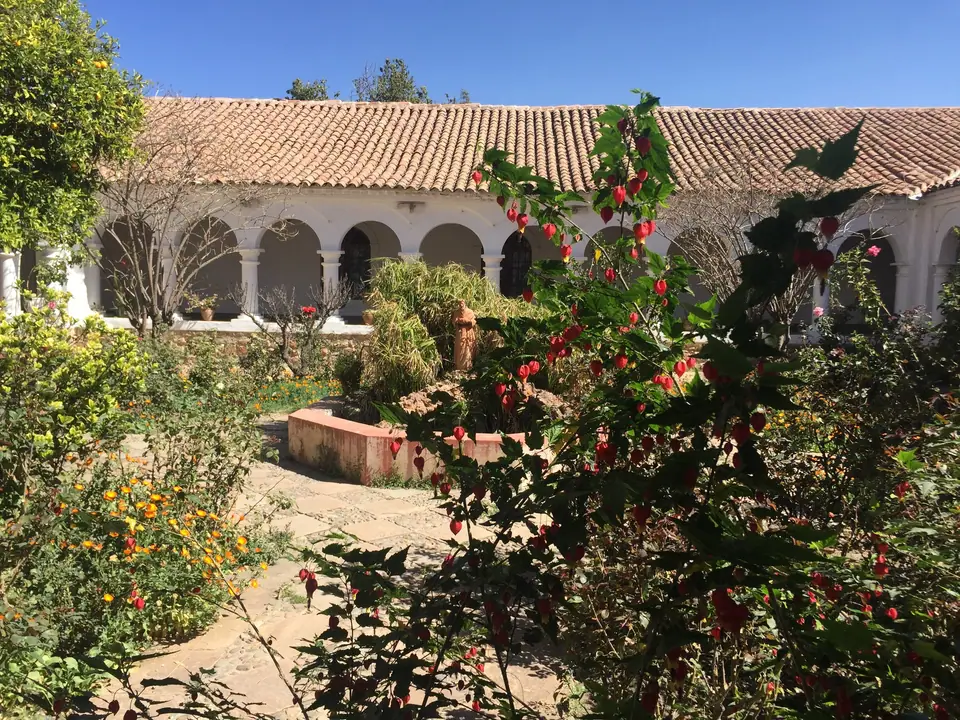
- Museo de la Recoleta (Convento de Santa Ana de Monte Sion, Founded 1601): Founded by the Franciscan order in 1601 as a house of spiritual retreat (recolección), the monastery opens its four tranquil flower-filled cloisters to guided tours. Inside, you will see the 1670 carved cedar choir stalls (sillería del coro) depicting Franciscan martyrs in dramatic relief, colonial religious canvases, an ancient subterranean chapel, and the Cedro Milenario, a colossal native Andean cedar tree over a thousand years old standing in the upper orchard whose trunk takes ten people holding hands to encircle.
2. Museo de Arte Indígena ASUR (Jalq'a & Tarabuco Master Weavers)
Occupying the restored colonial Casa Capellánica on the eastern side of the Recoleta plaza, the Museo de Arte Indígena ASUR (run by the non-profit Fundación para la Investigación Antropológica y el Etnodesarrollo since the late 1980s) has single-handedly revived the ceremonial weaving traditions of rural Chuquisaca and Potosí:
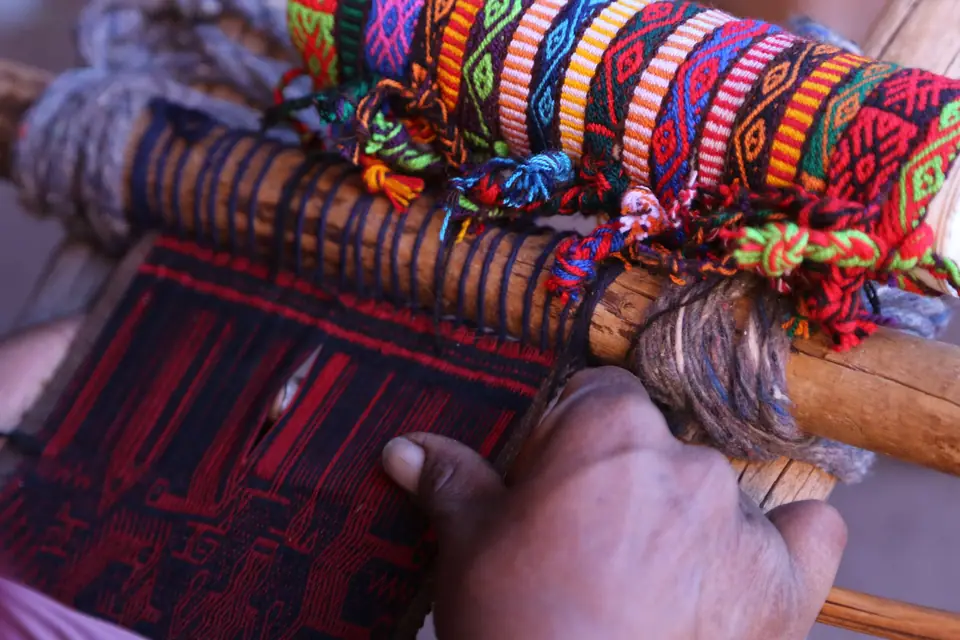
- Two Contrasting Visual Universes (Jalq'a vs. Tarabuco / Yampara): As master weavers demonstrate backstrap and upright-loom techniques in the courtyard, the galleries explain the two distinct textile traditions of the region. Jalq'a textiles (from highland villages near the Maragua Crater and Potolo) are woven in dark red-and-black wool without straight horizontal lines, populated by mythical, chaotic underworld creatures called khurus (winged condor-felines, two-headed horses, and fantastical beings representing the untamed pre-light cosmos). By contrast, Tarabuco (Yampara) textiles celebrate daytime order, fertility, and community with structured horizontal bands of vivid rainbow colours, geometric patterns, miniature horses, birds, and scenes from the Pujllay harvest festival; check the ASUR portal for opening hours and fair-trade textile boutique details.
3. Café Mirador & Fair-Trade Weaving Boutique
Finish your visit browsing the museum's fair-trade shop, where proceeds go directly back to the rural weaving communities of Chuquisaca.
4. Walking Back Down via Calle Dalence or Calle Grau
Follow the cobbled colonial steps of Calle Dalence or the shaded "Alley of the Cats" (Callejón Santa Teresa) back down toward Plaza 25 de Mayo.
Traveller tips
Real advice from people who have been to La Recoleta Mirador, 1601 Franciscan Monastery & Museo ASUR Textiles. Every tip is read by our team before it goes live.
No tips yet. Been here? Yours could be the first.
Thank you! Your tip will appear here after a quick review.
More in Sucre
Continue exploring Sucre with related neighbourhood, food, and planning guides
12 Best Things to Do in Sucre: Casa de la Libertad, Rooftops & Dinosaur Tracks
Sucre, Bolivia
How to Get to Sucre: Alcantarí Airport (SRE), Potosí & Uyuni Highway Routes
Sucre, Bolivia
Best Time to Visit Sucre: Eternal Spring Climate, Dry Season & Pujllay Festival
Sucre, Bolivia
Where to Stay in Sucre: Plaza 25 de Mayo Colonial Mansions & La Recoleta
Sucre, Bolivia
