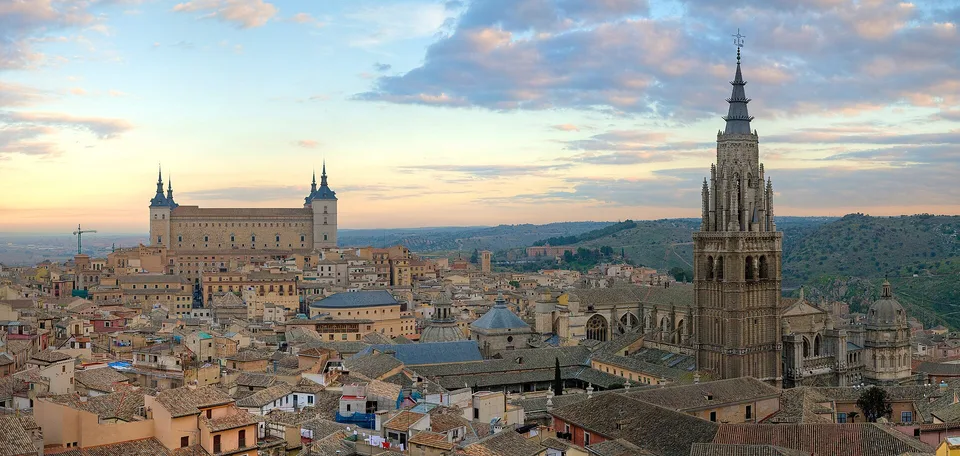
Photo: Diliff · CC BY 2.5
Toledo
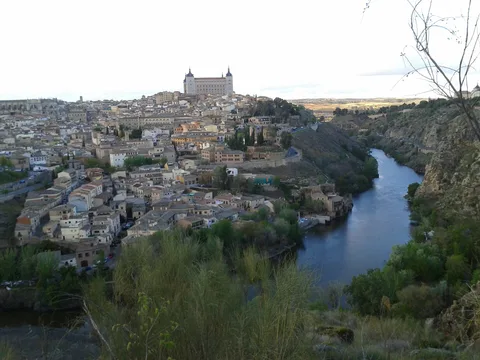
Toledo crowns a rocky peninsula encircled by the Tagus gorge, preserving centuries of layered Christian, Jewish, and Muslim heritage across fortified medieval quarters.
Quick decisions
How many days?
Plan two days to wander the quiet lanes before tour groups arrive and watch the sunset from across the river gorge.
Where should I stay?
Base yourself in the historic centre for atmospheric evening walks, or select lower Antequeruela for flat terrain near the escalators. Pick your base in our neighbourhood stay overview.
Do I need a car?
Never bring a car into the centre because automated cameras and bollards enforce continuous residential restrictions across the walls.
Best for
Medieval history lovers, architectural walks, Gothic church art, and travellers combining Madrid with deep Castilian heritage routes.
Before you go
Book Avant train tickets in advance because seats sell out on busy mornings. Key state museums close every Monday.
Getting around
Travel on foot through the walled quarters, using municipal escalators from the valley floor and city buses from the station. Check key arrival tips in our practical travel notes.
Continue your trip
Return by rail to Madrid Atocha to catch southern high-speed connections toward Seville or Granada across Andalusia.
Overview
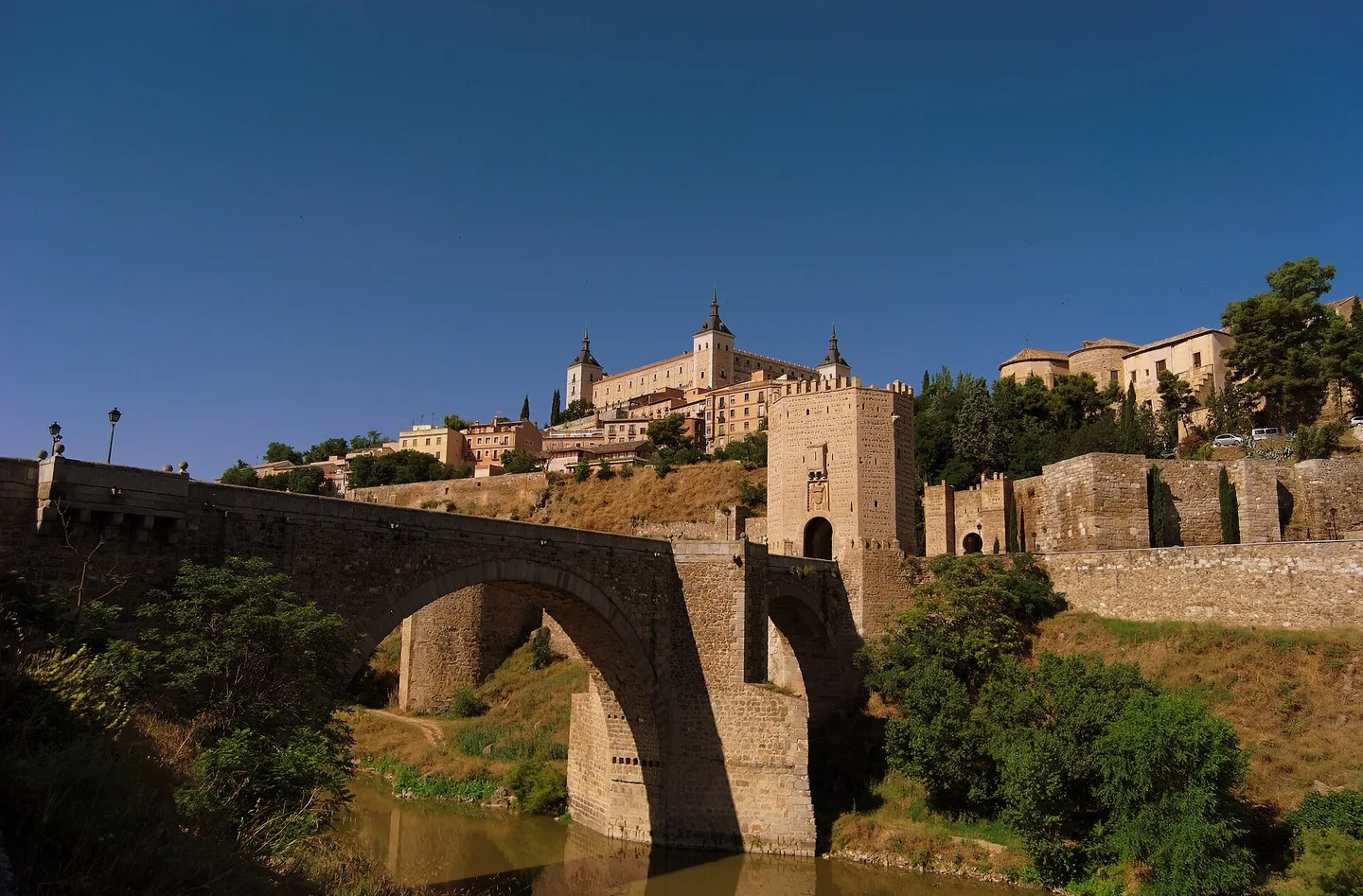
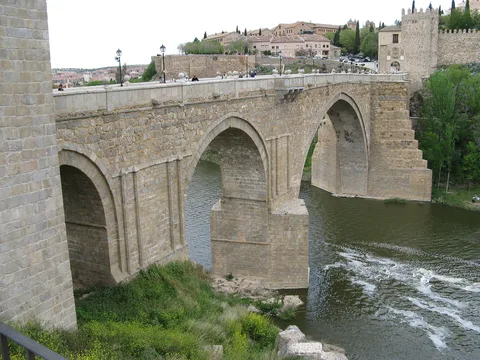
Toledo stands upon a towering granite bluff encircled on three sides by the steep Tagus River gorge. The medieval centre spans 259.85 hectares of fortified urban landscape, inscribed as a UNESCO World Heritage site since 1986 with a 7,669.28-hectare buffer zone. Lofty ramparts, ancient gates like the 1559 Puerta de Bisagra, and monumental river crossings like Puente de Alcántara define this historic frontier. The western approach crosses the fourteenth-century Puente de San Martín, rebuilt in 1390 high above the churning water.
Walking here requires preparation for uneven cobbles and sharp elevation shifts across historic alleys. Weather patterns vary significantly across the Castilian plateau throughout the year. Spring brings pleasant conditions, with afternoon averages reaching 20°C in April and 25.4°C in May. Midsummer turns scorchingly dry, climbing to 35.5°C in July with barely 5 mm of monthly rainfall. Autumn cools pleasantly to 22.7°C in October, whereas January afternoons average 11°C with overnight lows of 1.9°C.
Getting there
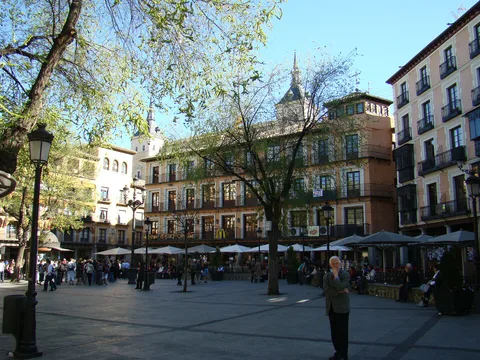
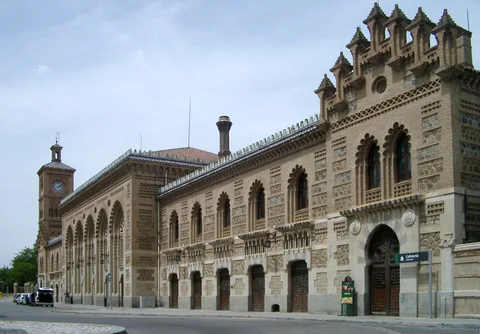
Renfe Avant high-speed trains deliver the fastest journey from Madrid Puerta de Atocha–Almudena Grandes to Toledo railway station. Fast services make the trip in 33 to 34 minutes, running 13 to 15 times each day in each direction. Travellers landing at Adolfo Suárez Madrid–Barajas Airport can board Cercanías line C-1 directly to Atocha in under half an hour. Direct ALSA coaches from Plaza Elíptica reach the municipal bus terminus in 50 minutes. Urban bus lines 5, 61, and 62 shuttle arriving passengers from the railway terminus to Plaza de Zocodover.
Inside the perimeter, two free municipal escalator systems carry pedestrians up the formidable rock bluffs. The Safont escalators climb from the valley floor near the transport stations toward El Miradero. On the western flank, the Paseo de Recaredo escalators ascend toward Puerta del Cambrón and the Jewish Quarter. Motorists should park outside the walls because automated cameras and bollards penalise non-resident driving throughout the Casco Histórico. Check parking zones and bus routes in our practical travel notes for arrivals.
Where to stay
Choosing where to sleep shapes your daily walking experience along these historic hillsides. Staying inside the Casco Histórico puts major monuments right outside your door for quiet night walks. The lanes around Plaza de Zocodover offer immediate dining, though crowds gather during middle day hours. The southern Jewish Quarter provides calmer surroundings along ancient stone alleys, requiring steep walks on return journeys.
Lower districts suit travellers carrying heavy luggage who want to avoid dragging suitcases over steep medieval cobbles. Antequeruela and Avenida de la Reconquista offer level approaches close to the modern Safont escalator access points. Across the Tagus River, the wooded hillside of Los Cigarrales features quiet country estates. Reaching these panoramic properties requires a private car or regular taxi transfers across the river gorge. Compare hotels and historic districts in our neighbourhood stay overview.
Things to do
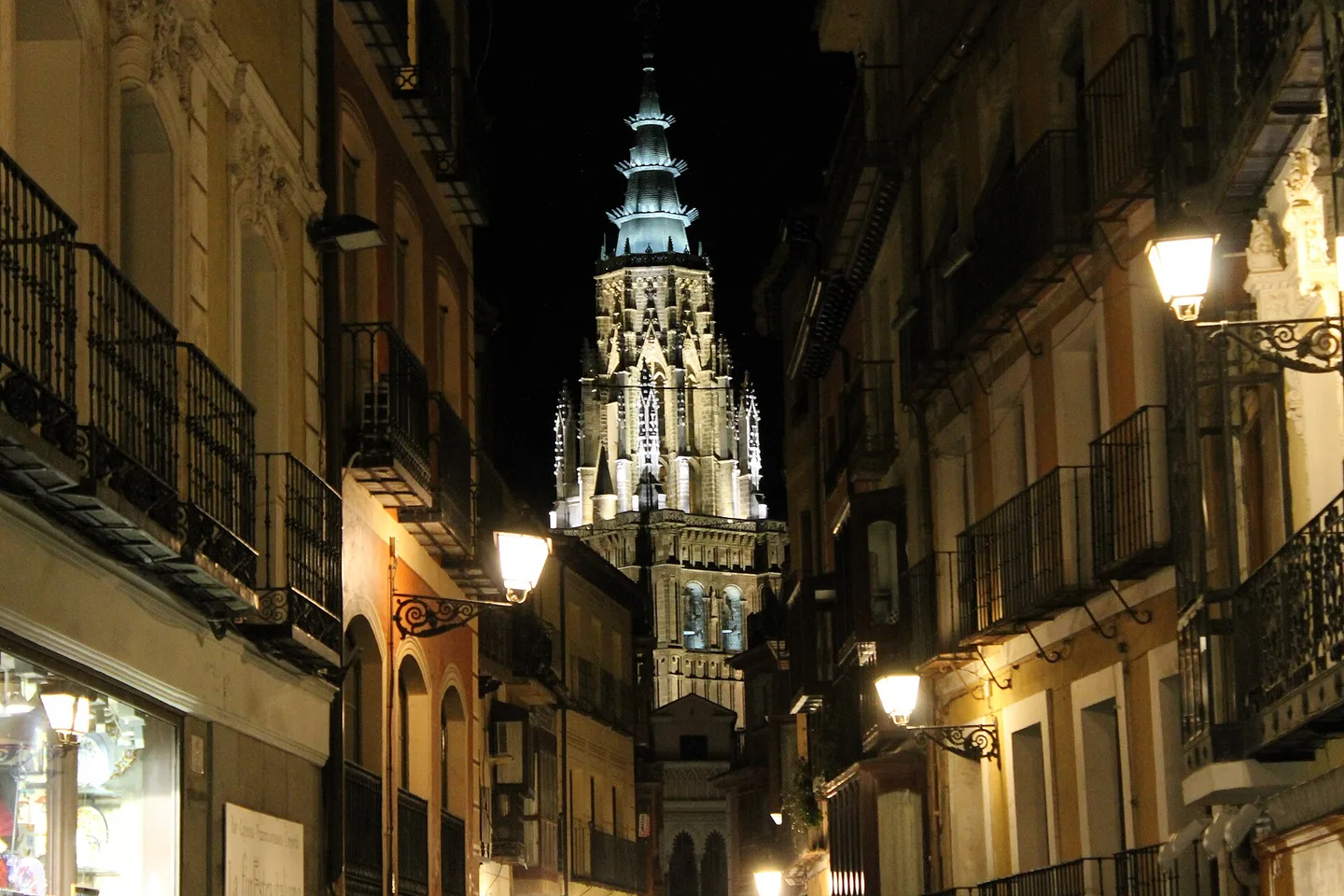
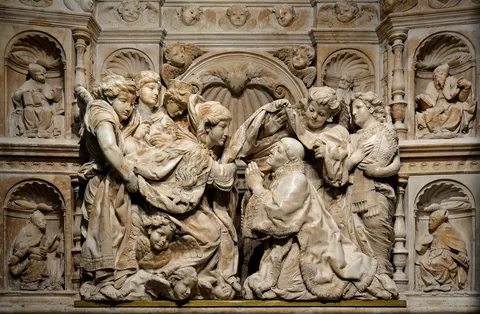
The monumental heart centres on the Catedral Primada de Toledo, constructed between 1226 and 1493 across five soaring naves. Inside, the sacristy displays El Greco's masterpiece El Expolio from 1577 to 1579. The sanctuary holds Narciso Tomé's 1732 Baroque Transparente and Enrique de Arfe's intricate sixteenth-century silver-gilt processional monstrance. At the crest of the city stands the Alcázar fortress, redesigned by Alonso de Covarrubias and Juan de Herrera. Today it houses the Spanish Army Museum, which closes to the public on Mondays.
A single Pulsera Turística pass unlocks seven distinguished religious landmarks throughout the old city quarters. Highlights include San Juan de los Reyes, Santa María la Blanca, and Santo Tomé with El Greco's famous canvas. The pass also admits visitors to the ancient Mezquita del Cristo de la Luz, dating from 999. Nearby, the Sephardic Museum occupies the fourteenth-century Sinagoga del Tránsito, and the separate El Greco Museum displays local city panoramas. Follow our step-by-step route in our curated historic walk through town and explore the masterworks in our Cathedral and Alcázar feature.
Food and drink
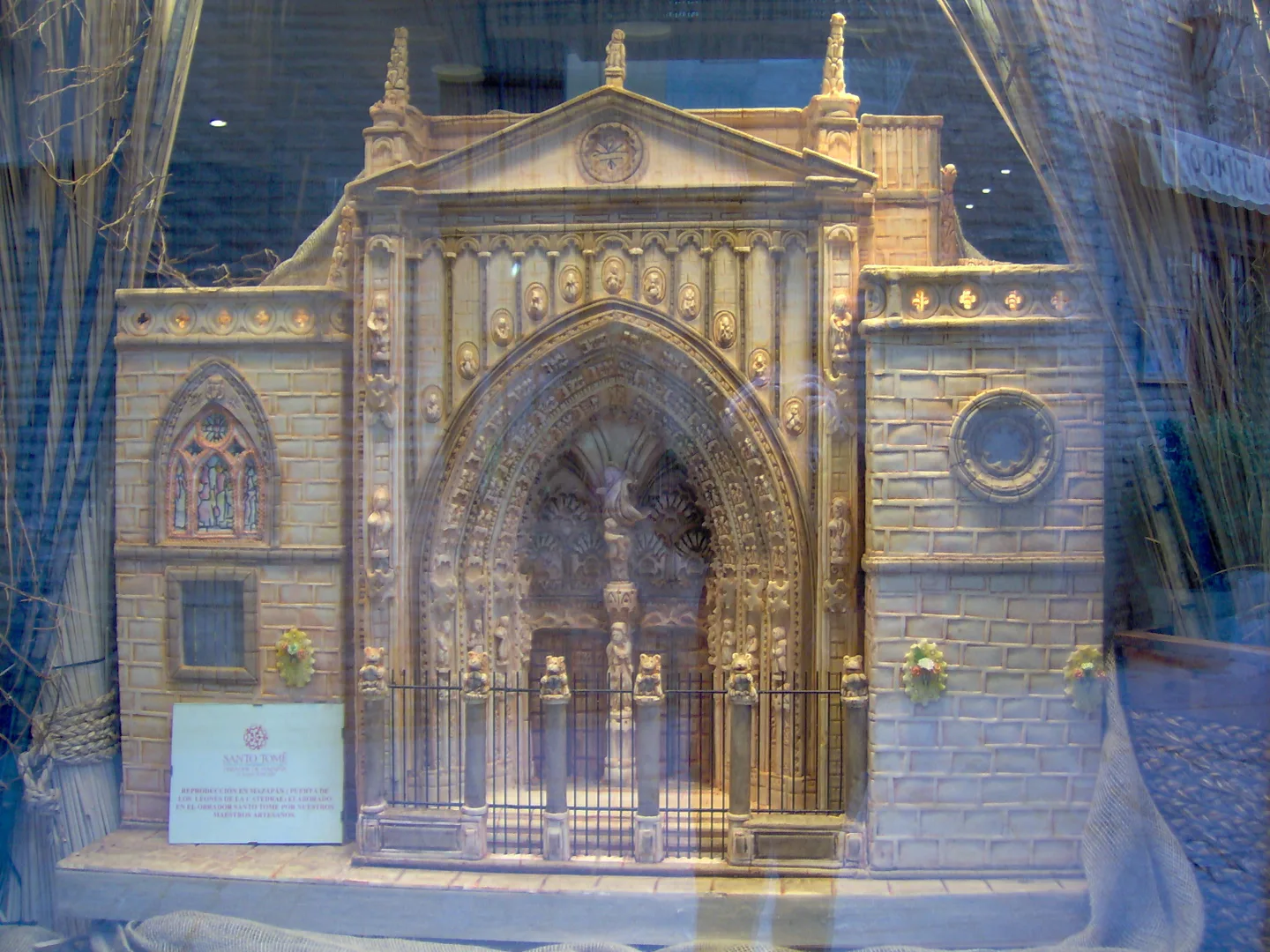
Dining in Toledo reflects the hearty culinary traditions of the surrounding Castilla-La Mancha plains. A local staple is carcamusas, a rich pork stew simmered slowly with tomatoes, peas, and white wine. Stewed red partridge, known as perdiz estofada a la toledana, showcases the historic hunting culture of the regional countryside. Meals often begin with Manchego cheese produced from local sheep milk, paired with bread and regional saffron. Sweet shops and convent windows sell traditional IGP Mazapán de Toledo, crafted from pounded almonds and sugar.
Adjusting your daily schedule to local dining customs brings a rewarding culinary trip. Regional restaurants open for lunch around two o'clock in the afternoon and serve dinner quite late in the evening. Visitors seeking early evening meals inside the historic centre will find limited selections around central plazas.
Culture
Toledo's complex identity grew from centuries of shared presence among Christian, Jewish, and Muslim communities. The annual Corpus Christi celebration in late spring remains the most significant civic and spiritual festival. During this week, massive canvas toldos shade processional lanes strewn with wild rosemary and fragrant mountain thyme. The glittering silver monstrance created by Enrique de Arfe parades through the crowded streets amid historic ceremonial fanfare.
Modest attire is expected when entering the Cathedral Primada, which reserves Sunday mornings exclusively for worship. The Sephardic Museum and El Greco Museum close every Monday, requiring careful itinerary scheduling. Walking early in the morning lets you experience the quiet stone alleys before regional day visitors arrive. Follow our full schedule with our planned two-day historic route.
Official prices and opening hours
- Catedral Primada de ToledoOfficial site ↗
- Alcázar de Toledo (Museo del Ejército)Official site ↗
- Pulsera Turística (7 Monuments)Official site ↗
- Museo Sefardí & Museo del GrecoOfficial site ↗
Weather by month
Toledo is warmest in July, with average highs around 36°C, and coldest in January, when nights drop to about 2°C. October is the wettest month by rainfall (61 mm), with rain on about 8 days. For mild weather with fewer rainy days, aim for May.
| Month | Low | Range | High | Rain | Rainy days |
|---|---|---|---|---|---|
| Jan | 2°C | 11°C | 37 mm | 6 d | |
| Feb | 4°C | 14°C | 26 mm | 5 d | |
| Mar | 6°C | 17°C | 59 mm | 9 d | |
| Apr | 9°C | 20°C | 52 mm | 9 d | |
| May | 13°C | 25°C | 33 mm | 6 d | |
| Jun | 17°C | 31°C | 20 mm | 4 d | |
| Jul | 21°C | 36°C | 5 mm | 1 d | |
| Aug | 21°C | 35°C | 10 mm | 2 d | |
| Sep | 16°C | 28°C | 36 mm | 4 d | |
| Oct | 12°C | 23°C | 61 mm | 8 d | |
| Nov | 7°C | 16°C | 48 mm | 8 d | |
| Dec | 4°C | 13°C | 43 mm | 6 d |
Averages of daily values from 2015 to 2024. Rainy days are days with at least 1 mm of rain. Source: Open-Meteo · Compare destinations by month.
Toledo on the map
Every place we cover in Toledo. Tap a category or pin to explore.
In-depth Toledo guides
Browse the guides grouped by topic: sights, neighbourhoods, food, transport, day trips and trip planning.
Sights, Landmarks & Parks
Key monuments, viewpoints, museums and nature trails.
- Mudéjar Architecture, Historic Synagogues, and River Miradors in ToledoToledo holds two thousand years of Roman, Islamic, Jewish, and Christian heritage above the Tagus River, listed by UNESCO in 1986.
- Toledo Cathedral and the Alcázar: Navigating the Core SitesWe explore Catedral Primada and the Alcázar along Toledo's rocky central ridge, covering art masterpieces, military history, and sensible routes between them.
Neighbourhoods & Where to Stay
Districts, historic quarters and the best bases for your stay.
Getting Around & Arrival
Airport transfers, public transit, passes and driving rules.
Trip Planning & Itineraries
When to visit, what to pack and day-by-day routes.
Need your embassy or consulate in Spain? See embassies and consulates in Spain.
Reviews
Log in to write a review.
No reviews yet.