





















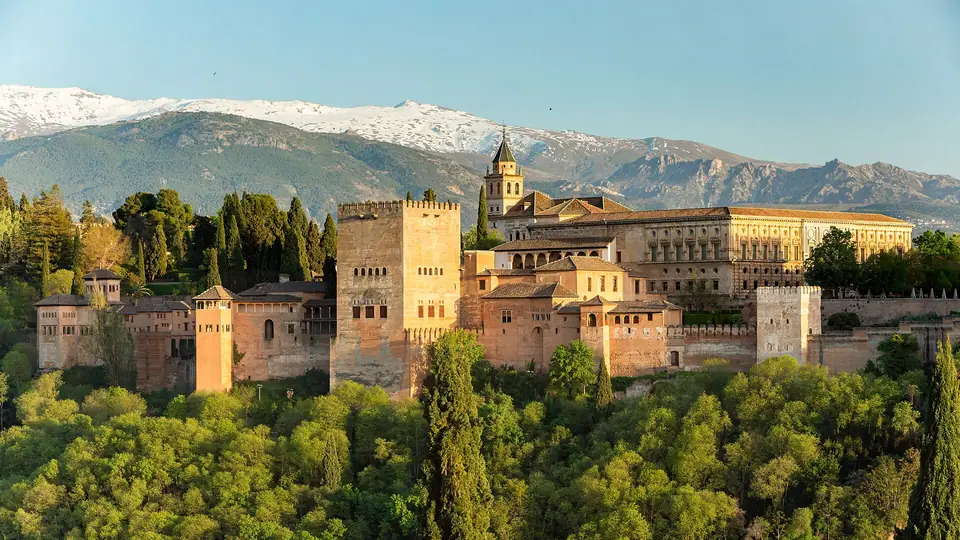
Granada
Set at 738 metres at the foot of the Sierra Nevada in eastern Andalusia, Granada preserves the medieval Islamic palatine city of the Alhambra and Generalife together with the hillside Albaicín and Sacromonte quarters, Renaissance cathedrals, and Spain's classic free-tapas tavern culture.
Quick decisions
How many days?
Spend 3 full days: Day 1 for the Alhambra, Nasrid Palaces, and Generalife plus sunset in the Albaicín, Day 2 for the Cathedral and Royal Chapel plus Sacromonte caves, and Day 3 for the Realejo or Las Alpujarras.
Where should I stay?
Stay in the Centro Catedral around Plaza Nueva for flat access and C30/C32 minibuses, on Carrera del Darro for valley views beneath the fortress, or in an Albaicín carmen courtyard house.
Do I need a car?
No: Granada's historic core and Albaicín are protected by ZBE camera zones and retractable bollards. Arrive by high-speed AVE/Avant train or ALSA coach and ride the red C30 to C34 minibuses up the hills.
Best for
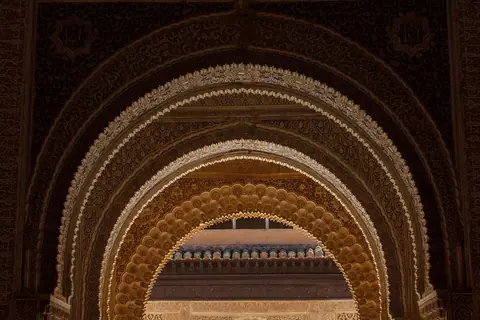
Fourteenth-century Nasrid stucco and muqarnas architecture, Islamic water gardens, hillside photography, Gitano cave flamenco, and complimentary tapas bars.
Before you go
Book Alhambra General Tickets (€19.09 as of November 2026) 4 to 8 weeks ahead on the official Patronato portal and bring your physical original passport or EU national ID to the Nasrid Palaces turnstile.
Getting around
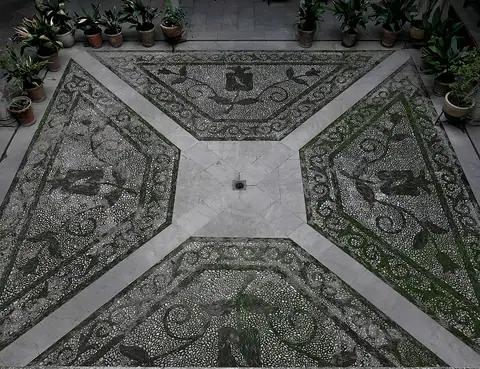
Use the compact C30, C31, C32, and C34 Alhambra Bus minibuses (€1.60 cash fare or ~€0.87 with a Credibús card as of November 2026) and wear rubber-soled shoes for polished river-pebble pavements.
Continue your trip
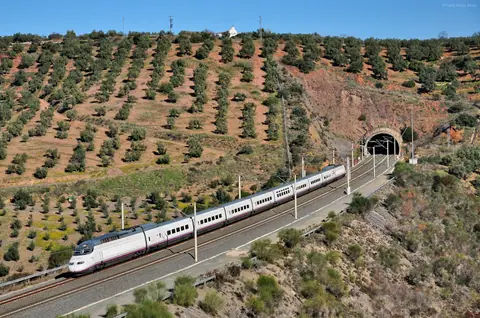
Ride direct Renfe Avant trains to Córdoba (1 hr 35 min), Seville (2 hr 30 min), or Málaga (1 hr 15 min), or take an ALSA coach into the Alpujarras and Ronda.
Overview
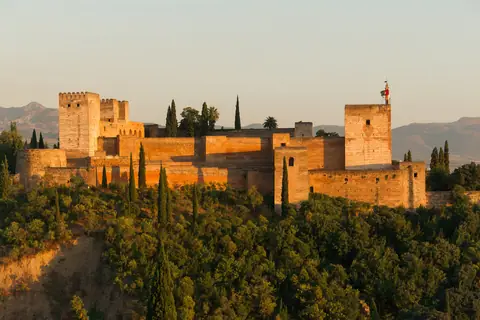
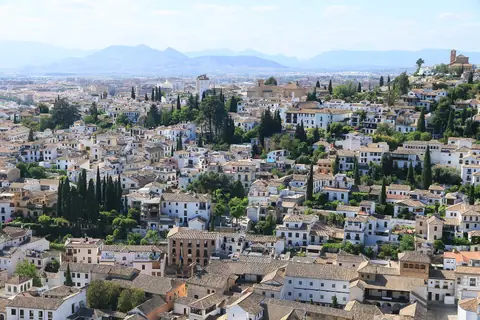
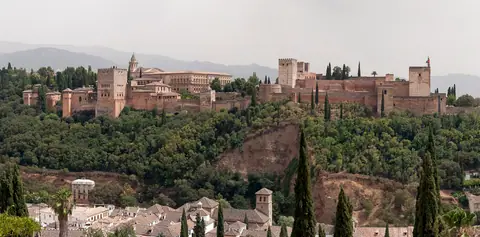
Set at 738 metres (2,421 feet) above sea level where the Darro and Genil rivers emerge from the snow-capped peaks of the Sierra Nevada onto the fertile Vega plain, Granada was the capital of the Nasrid Emirate from 1238 until 2 January 1492, the longest-enduring Islamic realm on the Iberian Peninsula. Its dual UNESCO World Heritage core (Reference 314) faces itself across the narrow canyon of the Río Darro: on the southern Sabika ridge rises the fortified red-clay palatine city of the Alhambra and the terraced water orchards of the Generalife, while on the northern hillside climbs the whitewashed medieval maze of the Albaicín and the troglodyte caves of Sacromonte.
Below both medieval ridges extends the monumental lower city transformed after 1492 by the Catholic Monarchs Queen Isabella I and King Ferdinand II. Within steps of Plaza Nueva and Plaza Bib-Rambla stand the royal Carrara marble mausoleums inside the Royal Chapel (Capilla Real), Diego de Siloé's luminous Renaissance Cathedral, the 1349 Islamic university of La Madraza, the Alcaicería silk market, and the 14th-century Corral del Carbón caravanserai.
Getting there
Arrive at Granada Railway Station on direct high-speed AVE trains from Madrid (3 hours 25 minutes) or Avant trains from Córdoba (1 hour 35 minutes), Seville (2 hours 30 minutes), and Málaga (1 hour 15 minutes), or ride direct ALSA coaches from Málaga Airport (AGP) Terminal 3 in 2 hours.
Where to stay
Base yourself in the flat Centro Catedral around Plaza Nueva and Bib-Rambla for effortless luggage access and C30/C32 bus stops, choose a riverside mansion along Carrera del Darro and Paseo de los Tristes beneath the floodlit Alcazaba, or sleep in a traditional walled carmen garden house in the Albaicín or Realejo.
Things to do
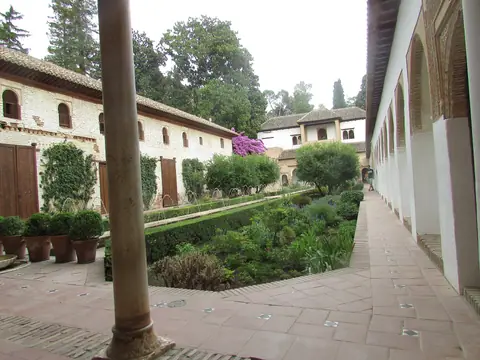
Tour the Nasrid Palaces, Court of the Lions, and Alcazaba on an 08:30 morning slot, stroll the Generalife water gardens, inspect the 11th-century brick vaults of El Bañuelo Arab baths, watch sunset from Mirador de San Nicolás, and experience an evening cave zambra in Sacromonte.
Food and drink
Experience Granada's signature free-tapas custom along Calle Navas, Campo del Príncipe, and Calle Elvira, where every cold beer or glass of wine brings a complimentary hot plate, and taste crispy fried aubergines with cane molasses, habas con jamón, and Santa Fe pionono pastries.
Culture
Granada's cultural identity was forged by the interplay of Zirid, Nasrid, Sephardic, Roma, and Castilian traditions, celebrated in the 14th-century poetic calligraphy carved across the walls of the Alhambra and revived in 1922 when composer Manuel de Falla and poet Federico García Lorca staged the historic Concurso de Cante Jondo in the Plaza de los Aljibes.
Weather by month
Granada is warmest in July, with average highs around 35°C, and coldest in January, when nights drop to about 2°C. April is the wettest month, with rain on about 7 days. For mild weather with fewer rainy days, aim for May.
| Month | Low | Range | High | Rain | Rainy days |
|---|---|---|---|---|---|
| Jan | 2°C | 12°C | 42 mm | 6 d | |
| Feb | 3°C | 14°C | 42 mm | 6 d | |
| Mar | 6°C | 18°C | 42 mm | 6 d | |
| Apr | 8°C | 20°C | 49 mm | 7 d | |
| May | 12°C | 25°C | 35 mm | 5 d | |
| Jun | 17°C | 31°C | 14 mm | 2 d | |
| Jul | 20°C | 35°C | 0 mm | 0 d | |
| Aug | 20°C | 34°C | 7 mm | 1 d | |
| Sep | 16°C | 29°C | 21 mm | 3 d | |
| Oct | 11°C | 22°C | 42 mm | 6 d | |
| Nov | 6°C | 16°C | 42 mm | 6 d | |
| Dec | 3°C | 13°C | 49 mm | 7 d |
Averages of daily values from 2015 to 2024. Rainy days are days with at least 1 mm of rain. Source: Open-Meteo · Compare destinations by month.
Granada on the map
Every place we cover in Granada. Tap a category or pin to explore.
In-depth Granada guides
Browse the guides grouped by topic: sights, neighbourhoods, food, transport, day trips and trip planning.
Sights, Landmarks & Parks
Key monuments, viewpoints, museums and nature trails.
- Granada: Alhambra Palaces, Albaicín Hills & Essential LogisticsPlan your visit to Granada across the Sabika hill of the Alhambra, the medieval lanes of the Albaicín, the Renaissance Cathedral quarter, and traditional free-tapas streets.
- Best Things to Do in Granada: Alhambra, Albaicín & Cultural HighlightsExplore Granada's essential sights, from the Nasrid Palaces and Generalife gardens to Albaicín sunset viewpoints, Renaissance royal tombs, and Sacromonte caves.
- Granada 3-Day Itinerary: Alhambra, Albaicín, Sacromonte & Tapas RouteFollow a step-by-step 3-day Granada itinerary pairing an 08:30 Nasrid Palaces slot with the Generalife, Albaicín viewpoints, the Cathedral, and Sacromonte caves.
- Alhambra & Nasrid Palaces Guide: Booking Tickets, Gates, Palaces & TimingMaster the Alhambra's timed entry rules, official Patronato ticket types, Puerta de la Justicia shortcut, and the architecture of the Mexuar, Comares, and Lions palaces.
- Generalife Gardens & Palace Guide: Patio de la Acequia, Water Stairway & Silla del MoroExplore the Nasrid sultans' summer retreat on the Cerro del Sol, including the Royal Canal, Patio de la Acequia fountains, Escalera del Agua, and the Silla del Moro watchtower.
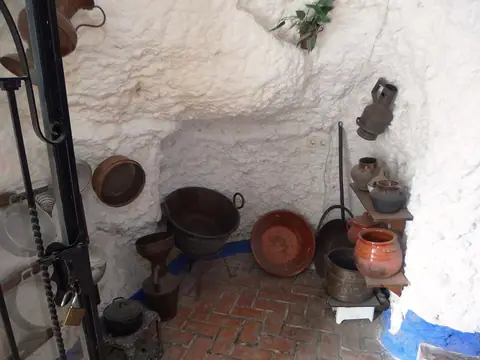
- Sacromonte Cave Quarter Guide: Zambra Flamenco, Cave Museum & AbbeyExplore Granada's troglodyte valley of Sacromonte, from the open-air Museo Cuevas del Sacromonte and the 17th-century Abbey to evening Gitano zambra flamenco caves.
- Granada Cathedral & Royal Chapel Guide: Catholic Monarchs, Alcaicería & Corral del CarbónTour Granada's monumental lower centre, including the tombs of Isabella and Ferdinand in the Royal Chapel, Diego de Siloé's Renaissance Cathedral, La Madraza, and the Alcaicería.
- El Bañuelo Arab Baths & Dobla de Oro Guide: Casa de Zafra, Dar al-Horra & Horno de OroUnlock six preserved Zirid and Nasrid palaces, baths, and courtyard houses across the Albaicín using the Patronato's €7.07 Dobla de Oro monument pass.

Neighbourhoods & Where to Stay
Districts, historic quarters and the best bases for your stay.
- Best Time to Visit Granada: Seasonal Weather, Festivals & Crowd CalendarPlan around Granada's 738-metre mountain microclimate, spring jasmine blooms in the Generalife, Corpus Christi fiestas, and crisp winter days beneath snow-peaked mountains.
- What to Wear in Granada: Footwear for Empedrado Cobbles, Cathedral Dress Code & PackingPack the right shoes for Granada's steep empedrado river-stone lanes, layer for 15°C mountain temperature swings, and meet dress codes at the Cathedral and Royal Chapel.
- Where to Stay in Granada: Best Areas by Elevation, Alhambra Views & TransportCompare Granada's five main hotel zones by exact altitude, cobblestone gradient, taxi access, and walking distance to the Alhambra, Cathedral, and tapas streets.
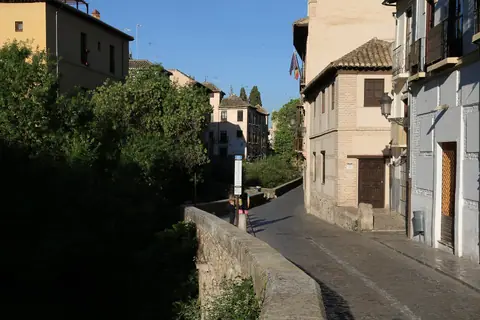
- Albaicín & Mirador de San Nicolás Guide: Darro Walk, Carmen Gardens & ViewpointsNavigate the UNESCO hillside labyrinth of the Albaicín, from the riverside cobbles of Carrera del Darro to Mirador de San Nicolás, Zirid walls, and walled carmen houses.
Food & Drink
Local dishes, markets, cafés and dining districts.

Getting Around & Arrival
Airport transfers, public transit, passes and driving rules.
Day Trips & Excursions
Easy half-day and full-day trips from the city.
Need your embassy or consulate in Spain? See embassies and consulates in Spain.
Reviews
Log in to write a review.
No reviews yet.