


























Ganina Yama Monastery & the Europe-Asia Border Near Yekaterinburg
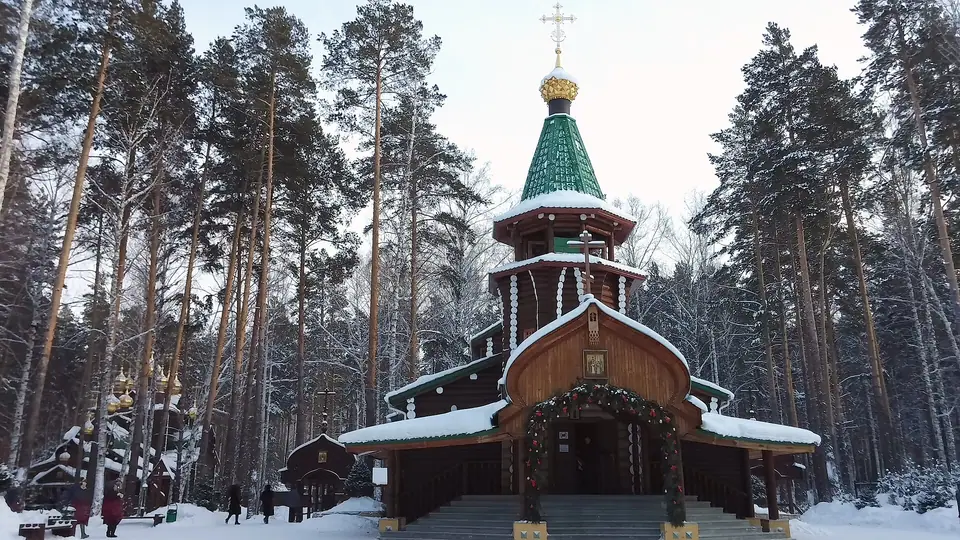
Visit the seven wooden churches of Ganina Yama Monastery in the birch forest north of Yekaterinburg and stand astride the Europe-Asia watershed.
Two of the most popular half-day excursions outside central Yekaterinburg lie in the pine and birch forests along the northern and western fringes of the city: the wooden Monastery of the Holy Imperial Passion-Bearers at Ganina Yama, which forms a direct historical sequel to the Church on the Blood, and the Europe-Asia Border Monuments marking the continental watershed across the Middle Urals.
Ganina Yama Monastery (15 Kilometres North)
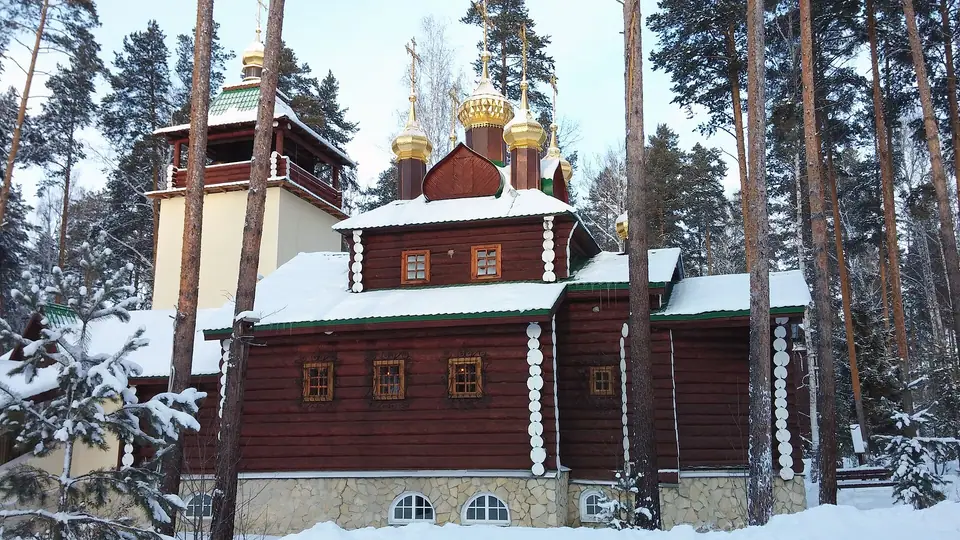
Located in the Four Brothers forest tract 15 kilometres north of central Yekaterinburg (4 kilometres from Koptyaki village and 2.5 kilometres north of Shuvakish railway station), Ganina Yama ("Ganya's Pit") was an abandoned nineteenth-century iron ore and gold prospect pit. In the early morning hours of 17 July 1918, following the executions in the basement of the Ipatiev House, the bodies of Emperor Nicholas II, his family, and their four retainers were brought by truck to this flooded mine shaft before being moved two days later along the Old Koptyaki Road to Porosyonkov Log (where nine sets of remains were located in 1979, excavated in July 1991, and identified by DNA analysis in 1995, followed by the discovery of Tsarevich Alexei and Grand Duchess Maria's remains in July 2007).
On 28 December 2000, the Holy Synod of the Russian Orthodox Church established the Monastery of the Holy Imperial Passion-Bearers around the open mine pit. Connected by raised timber boardwalks beneath the pines, the complex comprises seven wooden churches built in traditional northern Russian log-joinery style without exterior plaster, corresponding to the seven members of the imperial family:
- Relevant sanctuaries include the Church of the Holy Imperial Passion-Bearers (whose foundation stone was laid on 1 October 2000 right beside the fenced mine shaft where a wooden cross stands), the Church of Saint Seraphim of Sarov, the Church of Saint Sergius of Radonezh, the Church of the "Derzhavnaya" Icon of the Mother of God, the Church of Saint Nicholas, the Church of Saint Job the Long-Suffering, and the Gate Church of the Iveron Icon.
Standing on the Europe-Asia Continental Divide
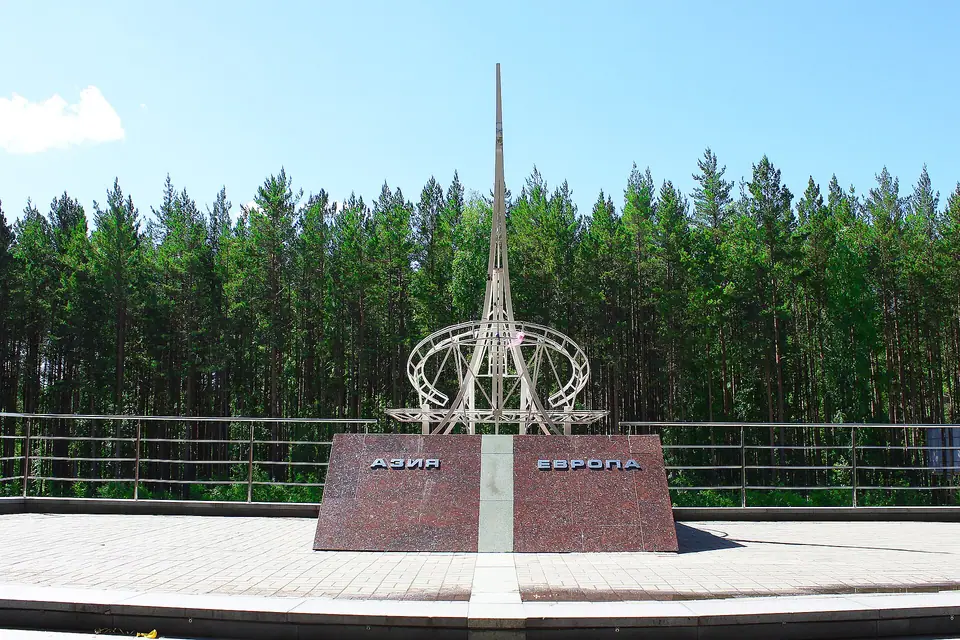
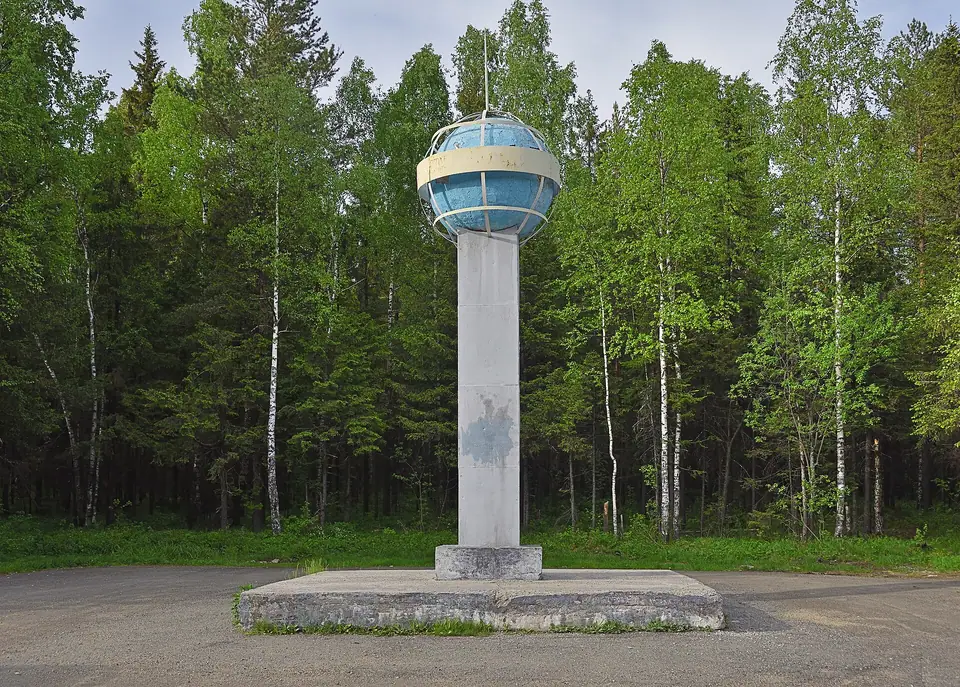
The concept of drawing the boundary between Europe and Asia along the watershed crest of the Ural Mountains was proposed in 1730 by Swedish geographer Philipp Johann von Strahlenberg and championed in 1736 by Yekaterinburg co-founder Vasily Tatishchev. Two monuments near the city allow visitors to place one foot in Europe and the other in Asia:
- 17th-Kilometre Novo-Moskovsky Trakt Monument: Set 17 kilometres west of Yekaterinburg along the main highway toward Perm, this 2004 monument incorporates stone taken from Cape Roca in Portugal (the westernmost point of continental Europe) and Cape Dezhnev in Chukotka (the easternmost point of Asia).
- Mount Berezovaya Obelisk near Pervouralsk (40 kilometres west): Located on the Old Siberian Highway at the true hydrological divide (where an initial wooden pillar was erected in 1837 for the visit of Tsarevich Alexander Nikolayevich), now crowned by a 2008 red-granite column topped with a bronze double-headed eagle.
Traveller tips
Real advice from people who have been to Ganina Yama Monastery & the Europe-Asia Border Near Yekaterinburg. Every tip is read by our team before it goes live.
No tips yet. Been here? Yours could be the first.
Thank you! Your tip will appear here after a quick review.
More in Yekaterinburg
Continue exploring Yekaterinburg with related neighbourhood, food, and planning guides
3 Days in Yekaterinburg: Plotinka, Constructivism & Ural Day Trips
Yekaterinburg, Russia
Yekaterinburg: Everything You Need to Know
Yekaterinburg, Russia
Best Things to Do in Yekaterinburg: Landmarks, Museums & Views
Yekaterinburg, Russia
Plotinka, Historic Square & the Iset Embankment in Yekaterinburg
Yekaterinburg, Russia
