


























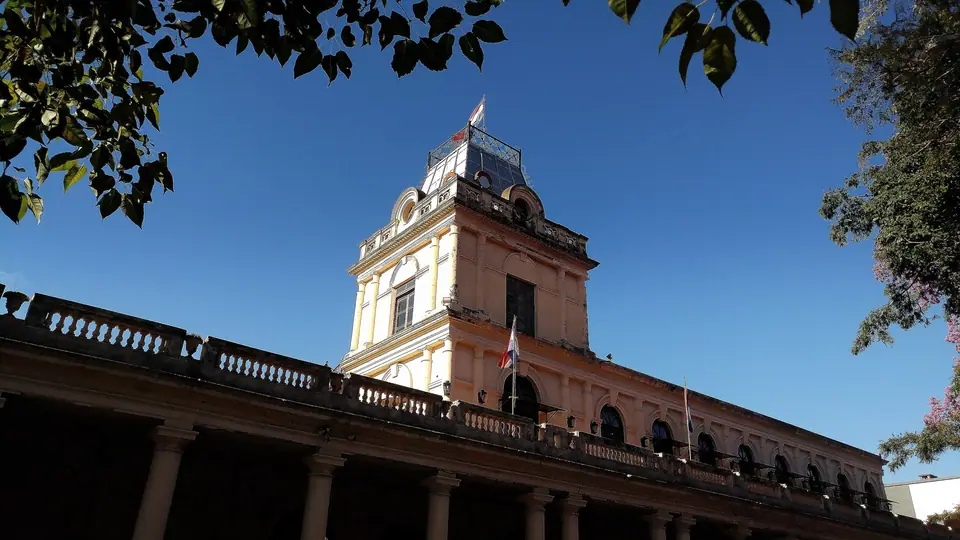
Estación Central del Ferrocarril and Museo del Barro: Art and Railway Heritage
Discover two of Asunción's finest cultural institutions: the 1861 Estación Central del Ferrocarril on Plaza Uruguaya and the Centro de Artes Visuales / Museo del Barro.
Two of the most rewarding museums in Asunción illuminate entirely different chapters of Paraguayan creativity and ambition: the mid-nineteenth-century engineering milestone of the Carlos Antonio López state railway on Plaza Uruguaya, and the deep visual continuity of Indigenous, rural peasant, and contemporary art at the Museo del Barro in the eastern neighbourhood of Isla de Francia.
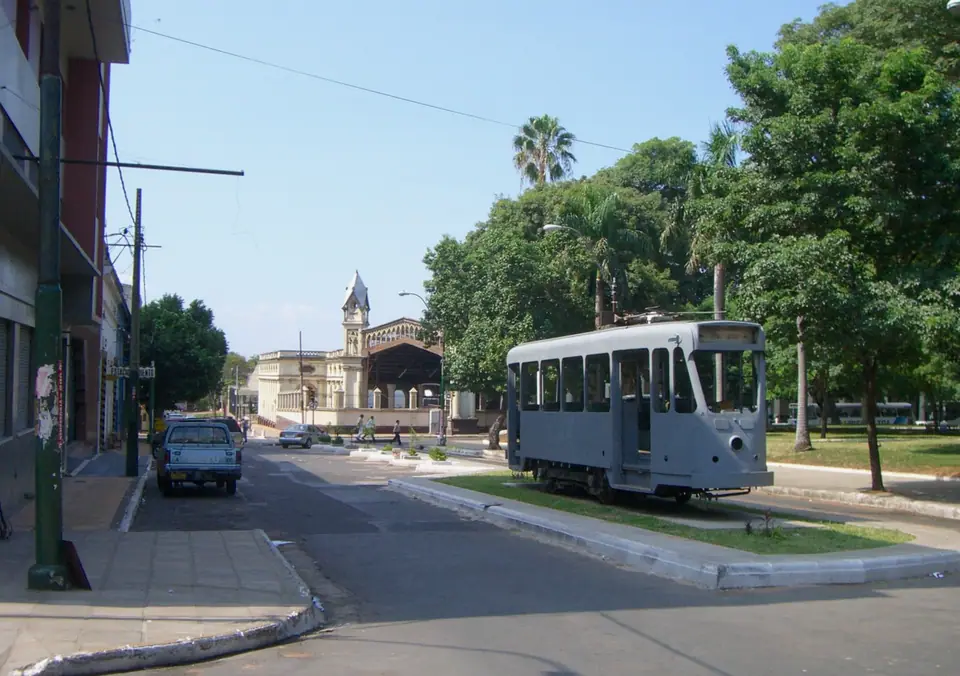
Estación Central del Ferrocarril Carlos Antonio López (1861)
Facing the giant shade trees of Plaza Uruguaya at the corner of Calle Eligio Ayala and Calle México in the Historic Centre, the Estación Central del Ferrocarril Carlos Antonio López (originally named Estación San Francisco) is one of South America's most atmospheric nineteenth-century railway terminals. Designed by English-born architect Alonso Taylor and constructed under British engineering contracts led by George Paddison, William Whitehead, and Percy Burrell, the station was inaugurated on 21 October 1861 when the first steam train departed downtown Asunción for Trinidad (now the Jardín Botánico), soon extending to Luque, Areguá on Lake Ypacaraí, and Paraguarí.
This state-financed project made Paraguay one of the very first countries in South America to operate a passenger steam railway, utilising iron parts cast at the national foundry of Ybycuí. Today, the vaulted neoclassical terminal with its arched colonnades and twin corner towers houses the Museo Ferroviario. Visitors can walk the original platforms, board wood-panelled nineteenth-century carriages, and stand beside the historic steam locomotive Sapucai. Check the official site of FEPASA for current visiting hours.
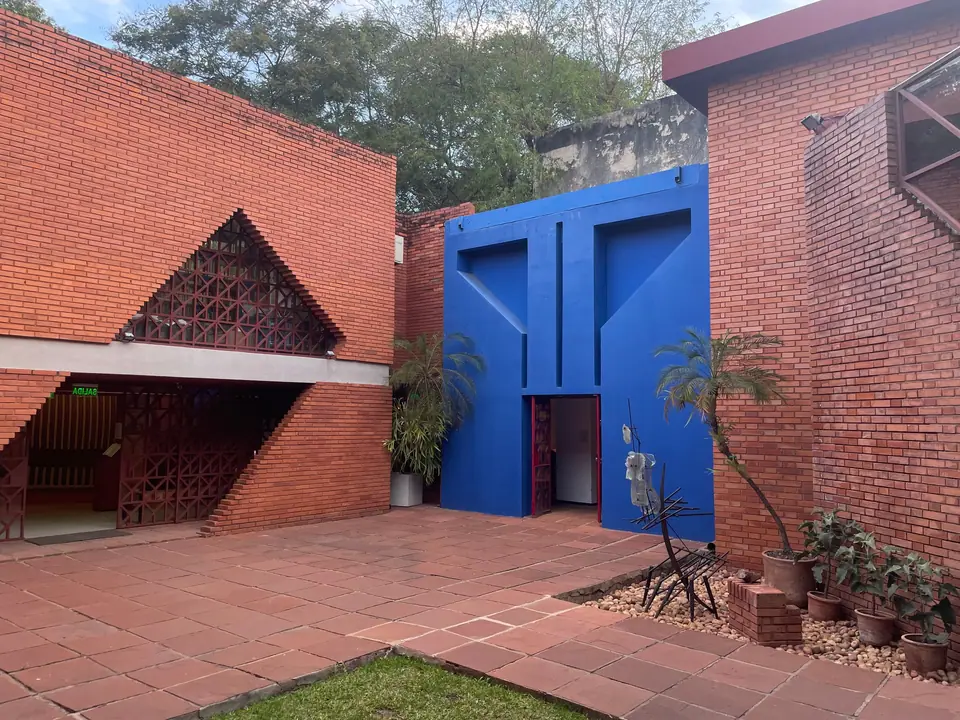
Centro de Artes Visuales / Museo del Barro: Three Museums Under One Roof
Located on Calle Grabadores del Cabichuí between Cañada and Emeterio Miranda in the eastern district of Isla de Francia (a ten-minute walk from the hotels and shopping centres of Las Lomas along Avenida Aviadores del Chaco), the Centro de Artes Visuales / Museo del Barro is universally regarded as the premier visual arts institution in Paraguay. Founded in 1979 by Olga Blinder, Carlos Colombino, and Osvaldo Salerno (joined by curator Ticio Escobar) and housed in its brick complex since 1988, the museum exhibits Indigenous, rural popular, and urban contemporary art on equal footing.
- Museo del Barro (Popular Ceramics and Colonial Woodcarving): Holds more than 4,000 works of hand-coiled, open-fired clay pottery shaped by rural women artisans (ñai'ũpo) in Itá, Tobatí, and Areguá alongside over 300 seventeenth- and eighteenth-century Jesuit and Franciscan polychrome wood sculptures and carved Kamba Ra'anga masks.
- Museo de Arte Indígena: Displays over 1,750 works created by the seventeen Indigenous peoples of Paraguay across five linguistic families (Guaraní, Maskoy, Mataco-Mataguayo, Zamuco, and Guaicurú), including vivid ceremonial feather diadems and body ornaments of the Ishir (Chamacoco) and Ayoreo peoples of the northern Chaco, geometric natural-dyed caraguatá (wild bromeliad fibre) bags woven by Nivaclé and Enlhet women, and incised ritual gourds.
- Museo Paraguayo de Arte Contemporáneo: Chronicles twentieth- and twenty-first-century Paraguayan and Ibero-American art, from 1860s Cabichuí woodcuts to the xylopinturas of Carlos Colombino and contemporary works. Check the official site of Museo del Barro for current opening days before visiting.
Traveller tips
Real advice from people who have been to Estación Central del Ferrocarril and Museo del Barro: Art and Railway Heritage. Every tip is read by our team before it goes live.
No tips yet. Been here? Yours could be the first.
Thank you! Your tip will appear here after a quick review.
More in Asunción
Continue exploring Asunción with related neighbourhood, food, and planning guides
3 Days in Asunción Itinerary: Historic Palaces, Indigenous Art and Lake Ypacaraí
Asunción, Paraguay
What to Eat in Asunción: Sopa Paraguaya, Chipa, Vori Vori and Surubí
Asunción, Paraguay
Palacio de los López and Costanera de Asunción: Riverfront Architecture Guide
Asunción, Paraguay
Panteón Nacional, Cathedral and Casa de la Independencia: Historic Core Walk
Asunción, Paraguay
