


























Panteón Nacional, Cathedral and Casa de la Independencia: Historic Core Walk
Explore the heart of historic Asunción along Calle Palma, including the domed Panteón Nacional de los Héroes, the 1772 Casa de la Independencia, and the 1845 Cathedral.
A three-block radius in the heart of downtown Asunción encapsulates more than four centuries of Paraguayan history, from late eighteenth-century colonial adobe residences to the European-inspired neoclassical shrines commissioned on the eve of the War of the Triple Alliance. All three monuments can be visited in a single morning walk along and around Calle Palma, the capital's historic commercial avenue.
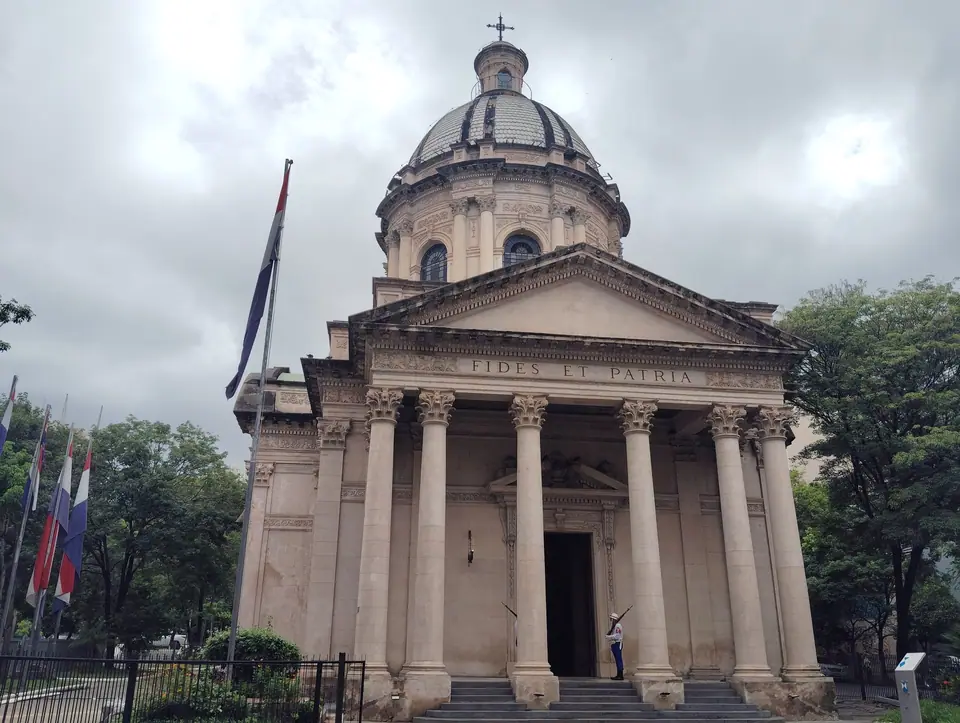
Panteón Nacional de los Héroes and Oratory of the Virgin of the Assumption
Standing at the corner of Calle Palma and Calle Chile facing Plaza de los Héroes, the Panteón Nacional de los Héroes y Oratorio de la Virgen Nuestra Señora Santa María de la Asunción is Paraguay's national mausoleum. Commissioned in October 1863 by Francisco Solano López, the building was designed by Italian architect Alessandro Ravizza with engineer Carlos H. Thompson, drawing inspiration from Northern Italian Baroque domes and Les Invalides in Paris.
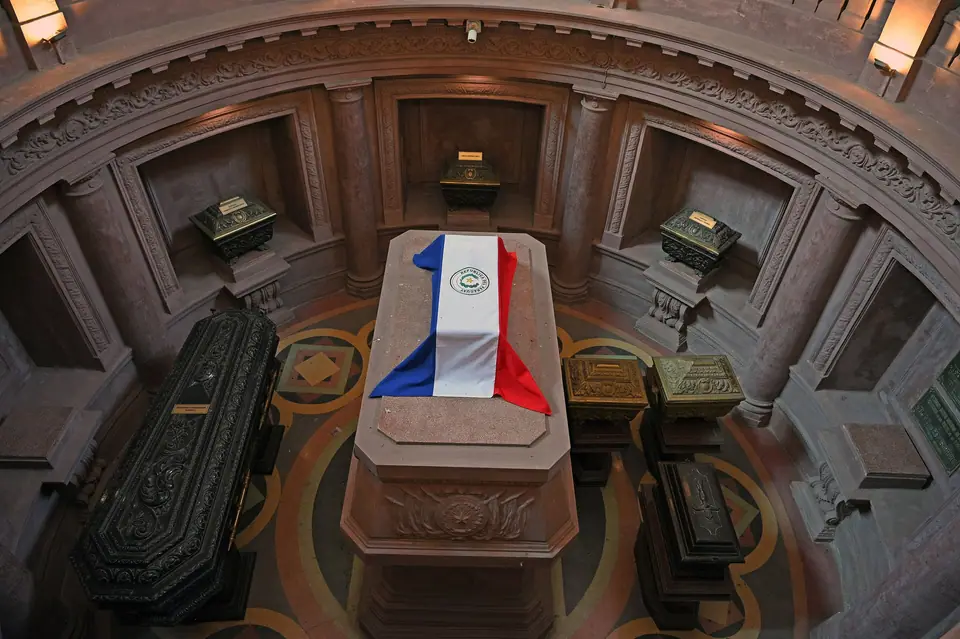
When the War of the Triple Alliance broke out in late 1864, the monumental brick dome remained unfinished under wooden scaffolding, where it stood untouched for nearly seven decades. Construction resumed in the late 1920s and concluded after the end of the Chaco War (1932 to 1935), allowing the monument to be solemnly inaugurated by Decree on 12 October 1936. Inside, a circular gallery overlooks the crypt holding Carlos Antonio López, Francisco Solano López, Marshal José Félix Estigarribia, and the child martyrs of Acosta Ñu, beneath the altar of Our Lady of the Assumption.
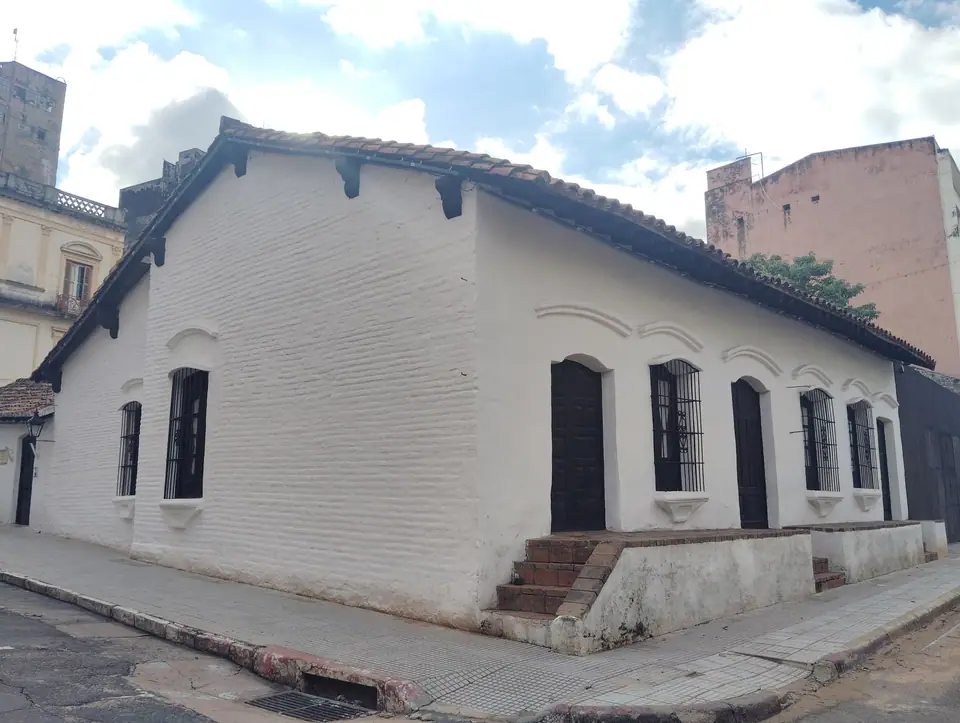
Museo Casa de la Independencia (1772)
Walk two blocks northwest to the corner of Calle Presidente Franco and Calle 14 de Mayo to enter the Museo Casa de la Independencia, inaugurated as a national historical museum on 14 May 1965. Built in 1772 by Antonio Martínez Sáenz with adobe walls, a bamboo (tacuara) roof frame, and clay tiles, the house belonged in 1811 to the Martínez Sáenz brothers and hosted the secret meetings led by Pedro Juan Caballero.
Having survived the 1821 street-straightening demolitions, its five rooms display original eighteenth-century furniture, revolutionary notes, and the sword of Fulgencio Yegros. Out back opens the brick-paved Callejón Histórico, through which the patriots marched on the night of 14 May 1811 to proclaim independence. Check the official site for current entry hours.
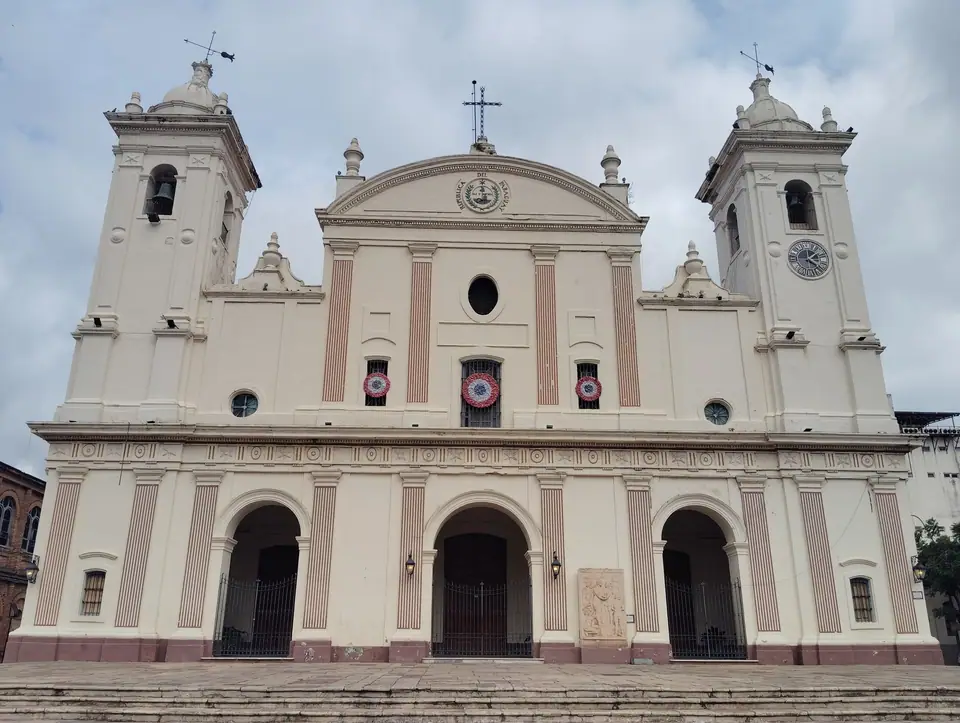
Catedral Metropolitana de Nuestra Señora de la Asunción (1845)
Walking five blocks east along Calle Independencia Nacional brings you to the Metropolitan Cathedral of Our Lady of the Assumption, facing Plaza Independencia beside El Cabildo. Standing on the site of the first 1547 bishopric of the Río de la Plata, the current neoclassical cathedral was built between 1842 and 1845 by Pascual Urdapilleta under Carlos Antonio López. Step inside its cool three-nave interior to admire the high altar coated in embossed colonial silver and painted wooden retablo panels crafted in the Franciscan and Jesuit workshops that also produced the famous altar of Yaguarón.
Traveller tips
Real advice from people who have been to Panteón Nacional, Cathedral and Casa de la Independencia: Historic Core Walk. Every tip is read by our team before it goes live.
No tips yet. Been here? Yours could be the first.
Thank you! Your tip will appear here after a quick review.
More in Asunción
Continue exploring Asunción with related neighbourhood, food, and planning guides
3 Days in Asunción Itinerary: Historic Palaces, Indigenous Art and Lake Ypacaraí
Asunción, Paraguay
What to Eat in Asunción: Sopa Paraguaya, Chipa, Vori Vori and Surubí
Asunción, Paraguay
Palacio de los López and Costanera de Asunción: Riverfront Architecture Guide
Asunción, Paraguay
Estación Central del Ferrocarril and Museo del Barro: Art and Railway Heritage
Asunción, Paraguay
