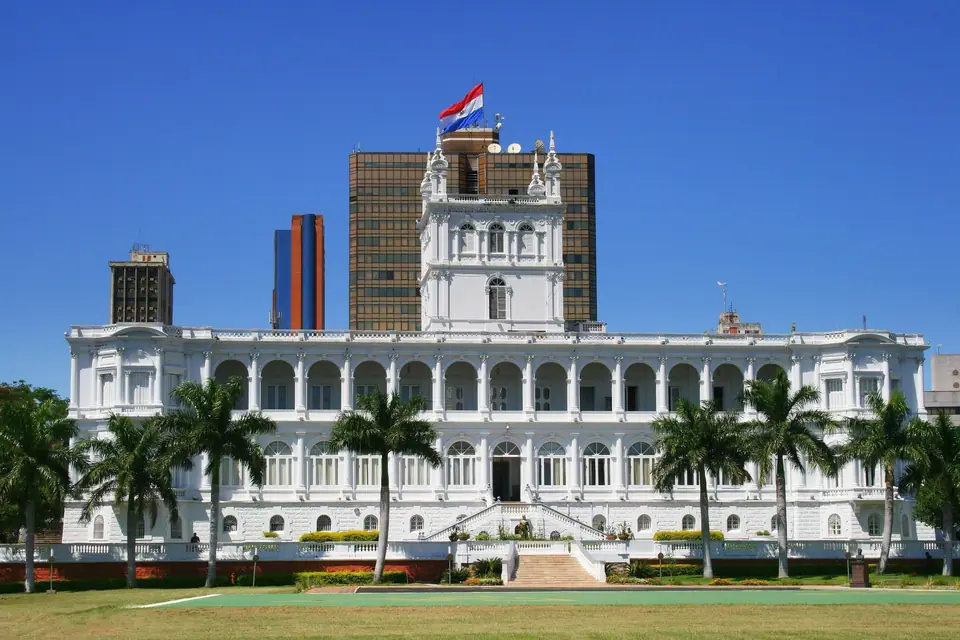
Asunción
Founded on 15 August 1537 along a sheltered bay of the Paraguay River, Asunción is the Mother of Cities of the Río de la Plata basin, where nineteenth-century neoclassical palaces, bilingual Spanish and Guaraní street life, ice-cold tereré herbal infusions, and leafy eastern avenues meet at the heart of South America.
Quick decisions
- How many days? Three full days allow you to walk the historic Casco Histórico, explore the Museo del Barro and the 1861 Estación Central del Ferrocarril, and take a day trip to Lake Ypacaraí and the Golden Circuit.
- Where should I stay? Choose Las Lomas (Carmelitas) or Villa Morra for modern boutique hotels, leafy walkways, and rooftop dining, or the Historic Centre (Microcentro) for immediate walking access to the riverfront palaces.
- Do I need a car? Not inside the city. Ride-hailing apps and municipal taxis connect the Historic Centre with Villa Morra and Museo del Barro easily, while hiring a private car or driver is ideal for visiting Areguá, Itauguá, and Yaguarón.
- Best for: Nineteenth-century neoclassical architecture, Indigenous Guaraní and Chaco visual art, UNESCO-listed tereré herbal culture, chipa and sopa paraguaya gastronomy, and unhurried riverfront walks.
- Before you go: Paraguay uses the Paraguayan guaraní (PYG); cards are widely accepted in Villa Morra, Las Lomas, and restaurants, while cash banknotes are essential at Mercado 4 and rural artisan workshops.
- Getting around: Walk the compact historic grid around Calle Palma and the Costanera in the cooler morning hours, then use ride-hailing apps or air-conditioned buses (paid with a Jaha or Más electronic card) to reach the eastern avenues.
- Continue your trip: Combine Asunción with the UNESCO Jesuit Missions of La Santísima Trinidad de Paraná and Jesús de Tavarangue in southern Paraguay, or connect onward to Buenos Aires.
Overview
Founded on 15 August 1537 by Spanish explorer Juan de Salazar y Espinosa as the fort of Nuestra Señora Santa María de la Asunción on seven red-earth hills overlooking the Paraguay River, Asunción is the oldest permanent urban settlement in the Río de la Plata basin. Because colonial expeditions sailed downriver from its harbour to establish or refound Buenos Aires (1580), Santa Fe, Corrientes, and Santa Cruz de la Sierra, the Paraguayan capital is known across South America as the Mother of Cities (Madre de Ciudades).
Getting there
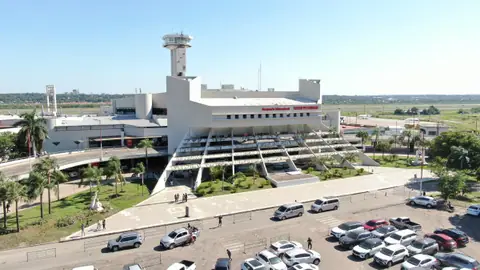
Commercial flights land at Silvio Pettirossi International Airport (IATA: ASU) in neighbouring Luque, 10 kilometres northeast of the Las Lomas corporate axis and 16 kilometres from the Historic Centre. Long-distance domestic and international coaches arrive at the Estación de Buses de Asunción, while road bridges and river ferries link the metropolitan area with Clorinda in northern Argentina.
Where to stay
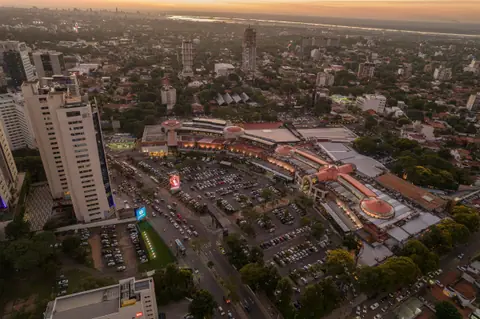
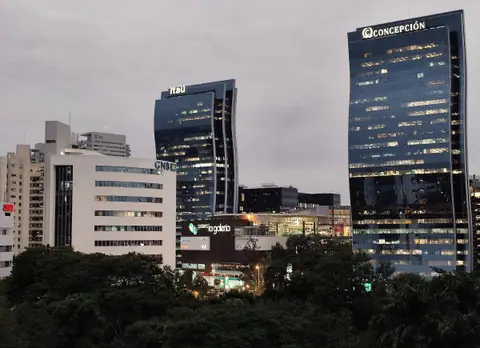
Base yourself in Las Lomas (Carmelitas) along Avenida Aviadores del Chaco for modern hotels with rooftop pools near Paseo La Galería, in shaded Villa Morra and Recoleta for walkable specialty cafés and dining, or in the Historic Centre near Plaza Uruguaya and Calle Palma for heritage buildings steps from the Bay of Asunción.
Things to do
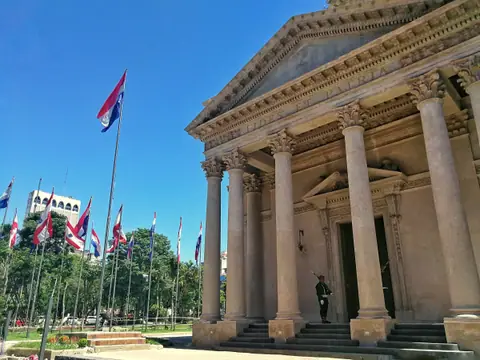
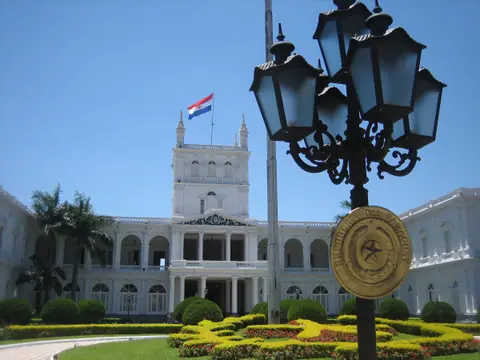
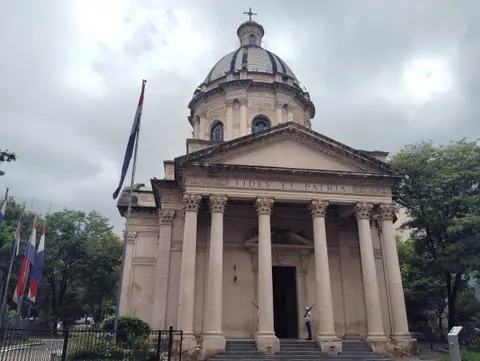
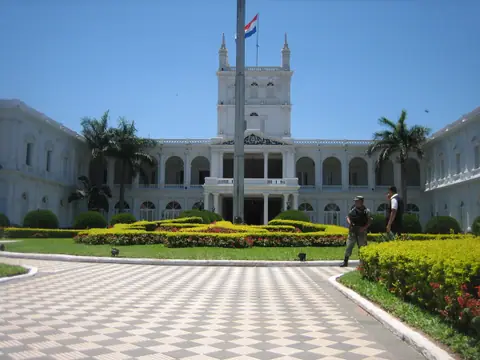
Walk the nineteenth-century civic core from the Palacio de los López and El Cabildo along the Costanera waterfront to the 1772 Casa de la Independencia, the 1845 Metropolitan Cathedral, and the domed Panteón Nacional de los Héroes. Spend an afternoon inside the 1861 Estación Central del Ferrocarril and the acclaimed Museo del Barro, browse herbal tereré stalls at Mercado 4, and take a day trip to Areguá on Lake Ypacaraí and the 1755 Franciscan Baroque temple of Yaguarón.
Food and drink
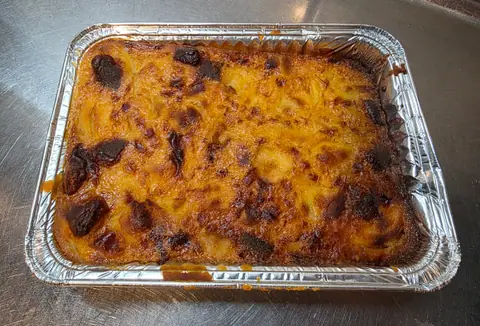
Built around native Guaraní white corn (avatí) and cassava (mandioca) combined with fresh Paraguayan cheese, local cuisine centres on savoury baked sopa paraguaya cornbread, creamy chipa guasu, chewy anise-scented chipa rings, skillet-toasted mbejú, golden vori vori dumpling soup, and charcoal-grilled river surubí.
Culture
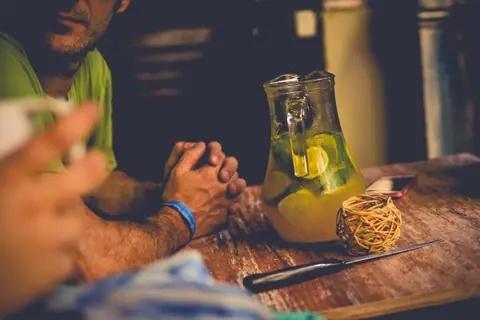
Paraguay is the only nation in the Americas where the majority of the population speaks an Indigenous language alongside Spanish. Both Guaraní and Spanish are official languages, heard together in everyday Jopará speech, while two Paraguayan traditions hold UNESCO Intangible Cultural Heritage status: the shared morning ritual of ice-cold tereré infused with crushed pohã ñana herbs (2020) and the melancholic guarania musical style created in Asunción by José Asunción Flores (2024).
Weather by month
Asunción is warmest in January, with average highs around 34°C, and coldest in July, when nights drop to about 14°C. January is the wettest month, with rain on about 8 days. For mild weather with fewer rainy days, aim for July and August.
| Month | Low | Range | High | Rain | Rainy days |
|---|---|---|---|---|---|
| Jan | 23°C | 34°C | 56 mm | 8 d | |
| Feb | 23°C | 33°C | 49 mm | 7 d | |
| Mar | 22°C | 32°C | 49 mm | 7 d | |
| Apr | 19°C | 29°C | 56 mm | 8 d | |
| May | 16°C | 25°C | 49 mm | 7 d | |
| Jun | 14°C | 24°C | 49 mm | 7 d | |
| Jul | 14°C | 22°C | 28 mm | 4 d | |
| Aug | 15°C | 26°C | 35 mm | 5 d | |
| Sep | 17°C | 28°C | 42 mm | 6 d | |
| Oct | 20°C | 30°C | 56 mm | 8 d | |
| Nov | 20°C | 31°C | 56 mm | 8 d | |
| Dec | 22°C | 33°C | 56 mm | 8 d |
Averages of daily values from 2015 to 2024. Rainy days are days with at least 1 mm of rain. Source: Open-Meteo · Compare destinations by month.
Asunción on the map
Every place we cover in Asunción. Tap a category or pin to explore.
In-depth Asunción guides
Browse the guides grouped by topic: sights, neighbourhoods, food, transport, day trips and trip planning.
Sights, Landmarks & Parks
Key monuments, viewpoints, museums and nature trails.
- Best Things to Do in Asunción: Palaces, Museums and River WalksDiscover the best things to do in Asunción, from the Palacio de los López and 1772 Casa de la Independencia to the Museo del Barro, Loma San Jerónimo, and Lake Ypacaraí.
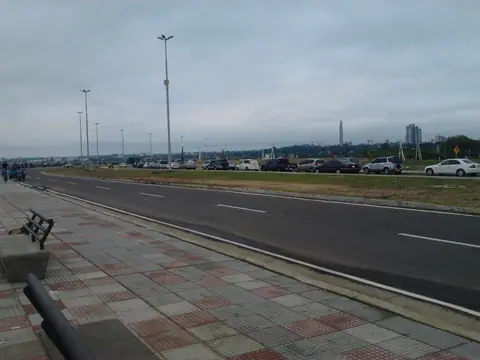
- Palacio de los López and Costanera de Asunción: Riverfront Architecture GuideVisit Asunción's iconic Palacio de los López, the 1844 El Cabildo cultural centre, and the 7-kilometre Costanera José Asunción Flores along the Bay of Asunción.
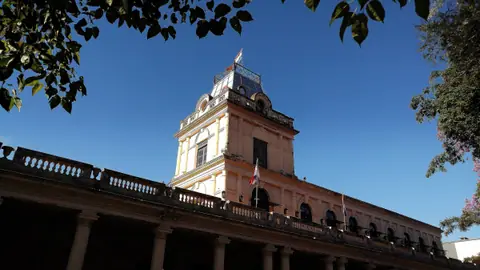
- Panteón Nacional, Cathedral and Casa de la Independencia: Historic Core WalkExplore the heart of historic Asunción along Calle Palma, including the domed Panteón Nacional de los Héroes, the 1772 Casa de la Independencia, and the 1845 Cathedral.
- Estación Central del Ferrocarril and Museo del Barro: Art and Railway HeritageDiscover two of Asunción's finest cultural institutions: the 1861 Estación Central del Ferrocarril on Plaza Uruguaya and the Centro de Artes Visuales / Museo del Barro.
- Jardín Botánico de Asunción, Ñu Guasu and Maka Indigenous HeritageExplore Asunción's 240-hectare Jardín Botánico and 1840s Carlos Antonio López country house in Trinidad, the 1854 Trinidad Church, Parque Ñu Guasu, and Maka Indigenous crafts.
Neighbourhoods & Where to Stay
Districts, historic quarters and the best bases for your stay.
- Asunción: Planning a Trip to Paraguay's River CapitalPlan your trip to Asunción, Paraguay with our practical travel guide covering its twin urban poles, nineteenth-century neoclassical landmarks, bilingual Guaraní heritage, and currency tips.
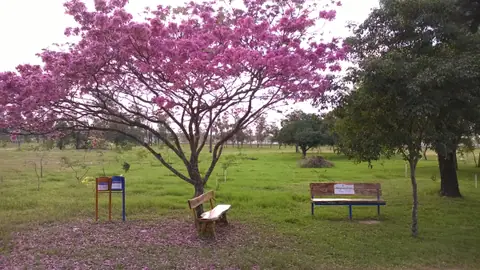
- Best Time to Visit Asunción: Subtropical Seasons, Weather and FestivalsFind the best time to visit Asunción using official 1991-2020 WMO climate normals, from mild sunny winters and pink lapacho blossoms in August to June San Juan festivals.
- Where to Stay in Asunción: Las Lomas, Villa Morra and Historic CentreCompare the best neighbourhoods to stay in Asunción, from the modern rooftop hotels of Las Lomas (Carmelitas) and leafy Villa Morra to heritage stays in the Historic Centre.
- 3 Days in Asunción Itinerary: Historic Palaces, Indigenous Art and Lake YpacaraíMake the most of 3 days in Asunción with a balanced day-by-day plan covering the Historic Centre palaces, Mercado 4, the Museo del Barro, and the Lake Ypacaraí Golden Circuit.
- Villa Morra, Carmelitas and Loma San Jerónimo: Neighbourhoods of AsunciónContrast Asunción's leafy eastern districts of Villa Morra and Las Lomas (Carmelitas) with the colourful stepped hill of Loma San Jerónimo above the old river port.
Food & Drink
Local dishes, markets, cafés and dining districts.
- What to Eat in Asunción: Sopa Paraguaya, Chipa, Vori Vori and SurubíExplore Asunción's Guaraní-rooted cuisine, from solid sopa paraguaya cornbread and golden vori vori dumpling soup to cassava mbejú, chipa, and grilled river surubí.
- Mercado 4, Tereré Culture and Guaraní Crafts: Everyday Asunción GuideExperience authentic Asunción at Mercado Municipal N° 4 and Paseo de los Yuyos, learn the UNESCO-listed ritual of tereré with pohã ñana herbs, and shop for ao po'i and filigrana.
Getting Around & Arrival
Airport transfers, public transit, passes and driving rules.
Day Trips & Excursions
Easy half-day and full-day trips from the city.
- Areguá, Lake Ypacaraí and San Bernardino Day Trip from AsunciónPlan an easy day trip from Asunción to the UNESCO Creative City of Areguá, the 1898 Castle of Carlota Palmerola, Cerro Koi's octagonal rocks, and San Bernardino on Lake Ypacaraí.
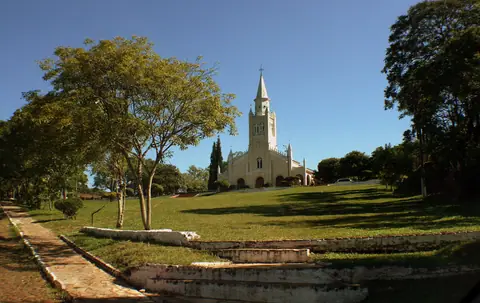
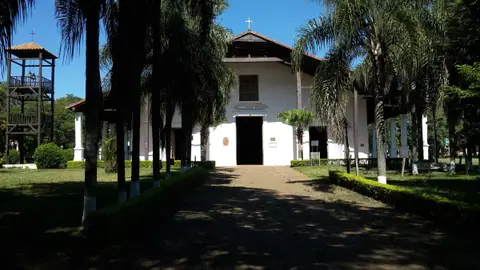
- Yaguarón, Itauguá Ñandutí and the Golden Circuit Day Trip from AsunciónFollow Paraguay's Circuito de Oro from Asunción to Itauguá's spiderweb ñandutí lace weavers and the 1755 Franciscan Baroque church of Yaguarón.
Reviews
Log in to write a review.
No reviews yet.